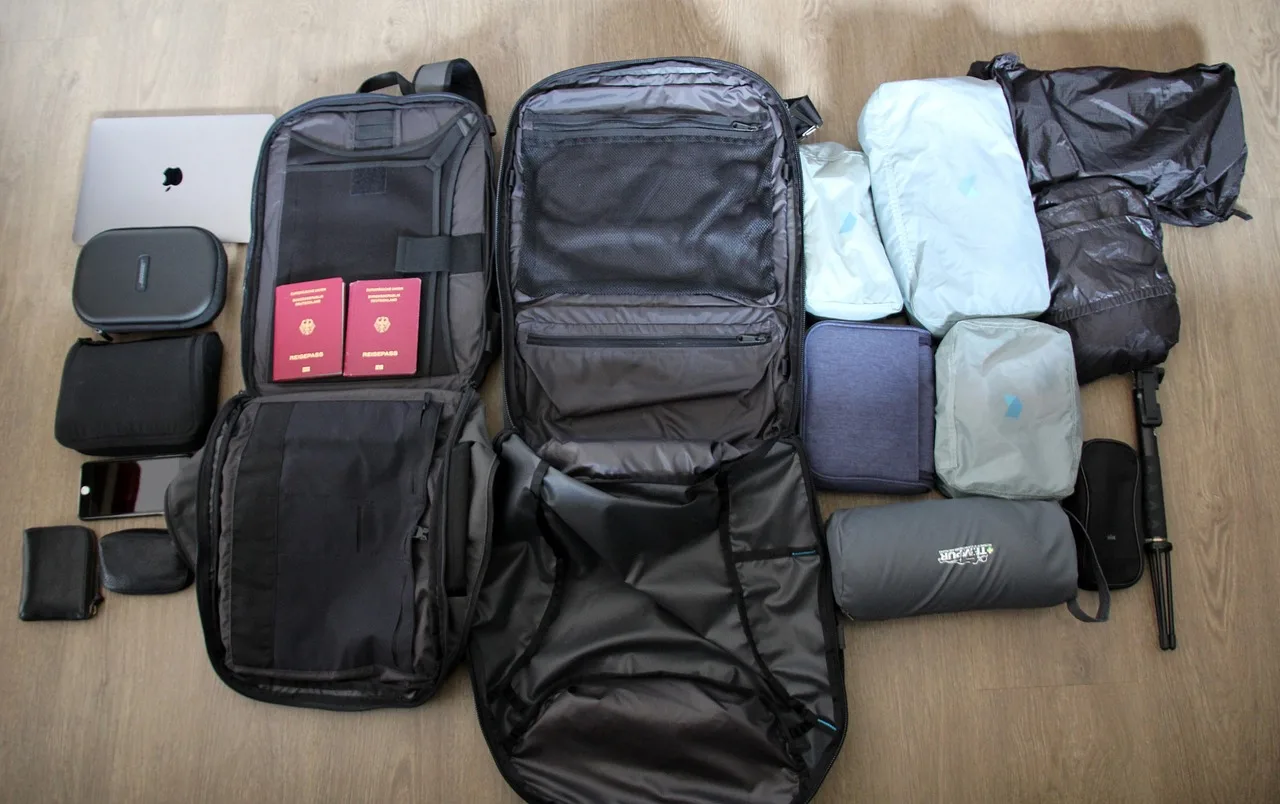
Brics carry on luggage is worth a close look if you want a cabin bag that leans polished rather than sporty, with enough structure to feel deliberate and enough travel utility to earn a place on short trips. For many shoppers, the real question is not whether Brics makes attractive luggage, but whether its carry-on options fit the way they actually travel. foldable travel backpack offers more detail on this point.
The short answer: Brics carry on luggage is best for travelers who value design, organization, and a more elevated look, and who are willing to trade some of the ultra-minimal, ultralight focus found in more stripped-down travel bags. If you are choosing one for frequent flights, business trips, or weekend travel, the details matter: size compliance, weight, interior layout, wheel style, and how the bag handles over time. travel bags for business trips offers more detail on this point. Best Light Carry-On Luggage: What to Look For offers more detail on this point.
Why Brics carry-on luggage gets attention
Brics occupies a specific corner of the luggage market. It is often associated with refined styling, thoughtful finishing, and travel pieces that feel more tailored than utilitarian. That matters for carry-on luggage because cabin bags live at the intersection of function and presentation. You want something that fits airline requirements, packs efficiently, rolls easily, and still looks good in a hotel lobby or meeting room.
That balance is the main appeal. A carry-on can be purely practical, but for many travelers, especially business flyers and style-conscious travelers, appearance is part of the decision. Brics tends to appeal to buyers who do not want luggage that looks overly technical or anonymous.
What to evaluate before choosing a Brics carry-on
Not every carry-on works equally well for every trip. The right choice depends on how you travel, what you pack, and how often you fly. These are the main factors that matter most when considering Brics carry on luggage.
Airline compatibility
Carry-on size is the first filter. Airline rules vary, and some routes are stricter than others, especially on international flights or on airlines that enforce smaller cabin allowances. A Brics bag may be marketed as a carry-on, but that does not automatically mean it will satisfy every airline’s limits when packed. Always check the dimensions of the specific model and compare them against the airlines you use most often.
The overlooked detail here is that external pockets, wheel housings, and expansion zippers can affect whether a bag still fits after it is packed. A suitcase that seems compliant when empty can become less friendly once fully loaded.
Weight and packing efficiency
Carry-on luggage has a narrow job: maximize what you can bring without becoming cumbersome. Brics bags often aim for a more premium build, which can be a positive for structure and durability, but added structure may also mean less emphasis on ultra-lightweight construction. That is not necessarily a flaw. It simply means the trade-off should match your travel habits.
If you tend to pack only a change of clothes, a toiletry kit, and a laptop, a slightly more substantial bag may not matter. If you regularly try to fit several outfits, shoes, and work items into one cabin case, every extra bit of weight and every wasted corner becomes more noticeable.
Interior organization
Carry-on luggage succeeds or fails based on how easily it helps you pack. Brics often attracts buyers who appreciate orderly interiors, because a well-designed cabin bag can reduce the frustration of digging for chargers, documents, or small essentials at the airport.
Look closely at:
- zippered compartments for separating small items
- cross straps that keep clothing in place
- dedicated laptop or document storage, if available
- easy-access pockets for passport, keys, or earbuds
- lining quality and how the interior opens
A common misconception is that more pockets always means better organization. In practice, too many small compartments can make packing awkward. The best setup is the one that matches your routine, not the one with the most features on paper.
Wheel style and maneuverability
Most shoppers narrow carry-on luggage down to spinner wheels or two-wheel designs. Spinners roll upright and are easier to maneuver through airports and hotel corridors. Two-wheel bags can feel steadier on uneven ground and sometimes make better use of interior space because the wheel system may be less intrusive.
If you move quickly through terminals, connect through multiple gates, or navigate smooth airport floors often, spinner wheels usually feel more convenient. If your travel includes older sidewalks, rougher surfaces, or frequent curb-to-car transitions, a more robust rolling setup may be easier to live with. Either way, the real test is not only how the bag rolls in a store aisle, but how controlled it feels when fully packed.
Shell or fabric construction
Brics offers luggage in designs that may appeal to travelers who want either a more structured hard-shell feel or a softer, more flexible profile depending on the line. The choice affects protection, style, and packing behavior.
Hard-shell carry-ons can offer a cleaner silhouette and better protection for fragile items, but they are less forgiving if you need to squeeze in one more sweater. Soft-sided or textile-focused bags can adapt more easily and sometimes provide exterior pockets that suit business travel. The right answer depends on whether you prioritize organization and presentation or flexibility and easy access.
Handle comfort and build feel
A carry-on is only as pleasant as its touchpoints. Telescoping handles should extend smoothly, lock securely, and feel stable rather than wobbly. Side and top handles matter too, especially when lifting a bag into an overhead bin.
These details sound minor until you use the bag repeatedly. A stylish suitcase that feels awkward to lift or unstable when rolling can become tiring quickly. This is one area where premium luggage often earns its keep: the everyday experience can feel better even when the exterior design is the first thing that catches your eye.
Who Brics carry-on luggage suits best
Brics carry on luggage tends to make the most sense for a few types of travelers.
- Business travelers who want a polished cabin bag that looks appropriate in professional settings
- Frequent short-trip travelers who prefer a well-organized case for one- to three-night stays
- Style-conscious travelers who want luggage that feels more refined than basic travel gear
- Packers who value structure and appreciate a suitcase that helps keep clothing and accessories in place
It may be less ideal for travelers who prioritize the lightest possible suitcase above all else, or for those who pack very aggressively and need maximum flexibility from every inch of the interior. If your usual carry-on is stuffed to capacity, you may want to compare Brics against more minimal, utility-focused alternatives as well.
Practical trade-offs to keep in mind
Every carry-on design comes with compromises, and Brics is no exception. The right choice depends on which compromises you can accept.
Style versus austerity
Brics often wins on presentation. The trade-off is that a more refined look can come with a higher emphasis on finish and design details rather than bare-bones practicality. If your main goal is maximum efficiency at the lowest possible fuss, you may find some other cabin bags more straightforward.
Structure versus flexibility
A more structured bag looks neat and protects contents well, but it may not bend around odd packing situations. A softer bag can be more forgiving, yet less tidy. Think about what matters more to you on a typical trip: a clean silhouette or packing adaptability.
Premium feel versus value-first utility
Brics carry-on luggage often appeals to buyers who see luggage as a long-term travel companion rather than a disposable convenience item. That can make sense if you travel often and care about the experience. If your luggage usage is occasional, a simpler option may deliver better value for your needs.
How to decide if Brics is the right carry-on for you
A good luggage decision starts with your travel pattern, not the brand name. Use the questions below to narrow things down.
- How often do you fly? Frequent flyers usually feel the difference in wheel quality, handle stability, and interior organization more strongly.
- What do you pack? If you travel with work items, a laptop, or dress clothes, a more structured cabin bag can be useful.
- Which airlines do you use most? Size compliance matters more on some carriers than others.
- Do you prefer hard-shell or soft-sided luggage? Your packing habits should guide this choice.
- How important is appearance? If your bag needs to work in professional settings, Brics may fit that brief well.
For many buyers, the best way to think about Brics carry on luggage is as a lifestyle choice with practical benefits, not just a container for clothes. If you want luggage that feels considered and polished, that is a real advantage. If you want the least expensive or lightest possible cabin bag, it may not be the most obvious match.
Common mistakes shoppers make
Carry-on luggage shopping becomes much easier once you avoid a few predictable errors.
- Buying by appearance alone and ignoring airline size rules
- Assuming all carry-ons are the same even when their dimensions and layouts differ
- Overlooking interior volume and discovering the bag is too structured for the way you pack
- Ignoring wheel and handle quality, which affects everyday comfort more than many shoppers expect
- Not thinking through trip type and choosing a bag better suited to business travel than leisure travel, or vice versa
The most practical buying insight is simple: the best carry-on is the one that fits your most common trip, not your rare ideal trip.
Alternatives worth considering
Brics is one option within a broader field of carry-on luggage. If you are comparing styles, it helps to know what else may make sense.
- Minimal hard-shell carry-ons for travelers who want a cleaner, more technical look and simple packing
- Soft-sided business cases for people who need external pockets and easier document access
- Underseat bags for shorter trips or airlines with strict overhead restrictions
- Expandable cabin bags for travelers who want flexibility at the cost of a slightly more complex shape
Brics is strongest when you want a refined middle ground: more polished than a basic travel bag, but still functional enough for frequent cabin use. If another style better matches your packing habits, that is not a weakness in Brics; it is simply a sign that luggage should be chosen by use case, not branding alone.
Final buying guidance
If you are shopping for Brics carry on luggage, focus on three things first: airline compatibility, interior layout, and how the bag feels in motion. Those details determine whether the suitcase will genuinely improve your trips or just look appealing at checkout.
Brics makes the most sense for travelers who want a cabin bag with a polished profile, practical organization, and a more considered feel than many mass-market alternatives. If that describes your travel style, it is a compelling category to explore. If your priority is ultra-light packing or maximum flexibility, compare it against softer, simpler, or more minimalist carry-on options before deciding.
For a cluster page in the Bags category, the key takeaway is straightforward: Brics carry on luggage is not just about brand appeal. It is about whether the design, capacity, and travel behavior line up with the way you actually move.