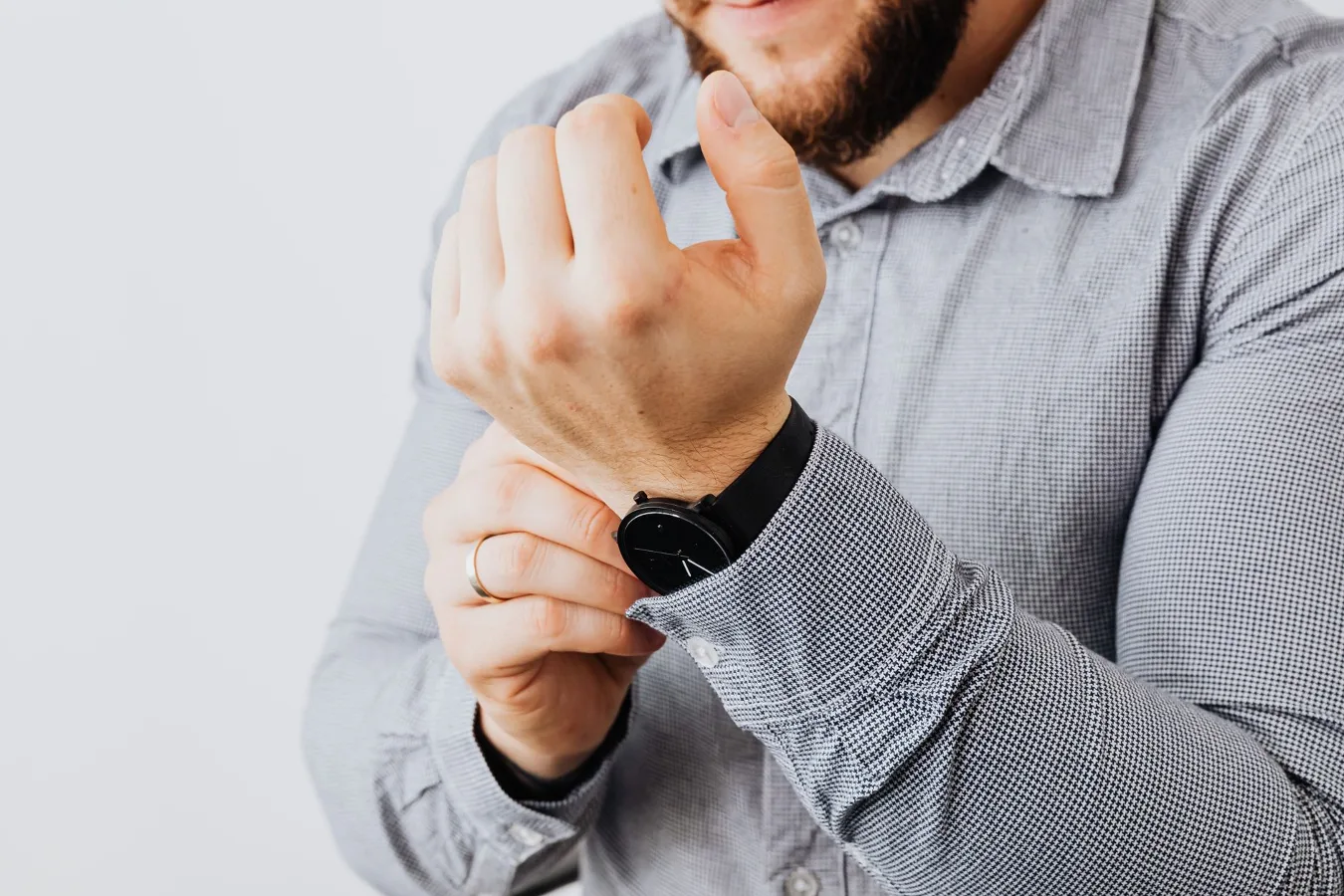
Cuff bracelets for men are a straightforward way to add structure and personality to an outfit without going as bold as a chain or as formal as a watch. The best option usually comes down to three things: fit, metal, and how often it will actually be worn. magnetic bracelets for men offers more detail on this point.
If you are shopping for yourself or comparing options for a gift, the useful question is not simply whether a cuff bracelet looks good. It is whether the shape suits the wrist, the finish fits the wardrobe, and the material can handle daily use without becoming annoying to wear.
What makes a cuff bracelet different
A cuff bracelet is typically an open bracelet with a gap that allows it to slide onto the wrist. That open shape is part of its appeal. It creates a clean line, feels less fussy than a clasped bracelet, and often has a more sculptural look than a chain or beaded style.
For men, cuffs tend to work especially well because they can read as subtle or strong depending on the width, thickness, and finish. A narrow polished cuff feels restrained. A wider brushed or hammered cuff looks more deliberate and can carry more visual weight.
That said, the open design also creates a limitation: fit is less forgiving than many people assume. A cuff that is too loose will rotate, slide, or catch on sleeves. A cuff that is too tight can be uncomfortable and difficult to remove.
How to choose the right cuff bracelet
The best cuff bracelets for men usually balance three practical factors: comfort, proportion, and wearability. A bracelet can look appealing in a product photo and still be awkward on a real wrist if those elements are off.
Fit matters more than most shoppers expect
Bracelet fit is the first decision point. Cuffs are often adjustable within a small range, but they are not meant to be bent repeatedly every day. Constant reshaping can weaken the metal over time, especially on thinner designs.
Look for a cuff that sits comfortably without pinching. It should feel secure, but not squeezed. If you plan to wear it alongside a watch, check that the profile does not crowd the wrist or dig into the hand when you bend your wrist.
A common misconception is that an open cuff is automatically one-size-fits-all. In reality, wrist shape matters. Some wrists are flatter, some are more rounded, and that affects how the bracelet sits and whether it tends to twist.
Choose a metal that matches how you live
Material affects appearance, weight, maintenance, and long-term wear. The right choice depends on whether you want something low-maintenance, visually refined, or more distinctive.
- Stainless steel is a practical choice for everyday wear because it is durable, modern-looking, and usually easy to maintain.
- Sterling silver offers a brighter, traditional jewelry look, though it may need occasional cleaning to manage tarnish.
- Gold-tone or gold-plated finishes can deliver a warmer, more polished look, but the finish may require more care than solid metal options.
- Leather accents or mixed-material cuffs can soften the look, though they may not feel as versatile as plain metal.
- Brass or copper can have an appealing character and patina, but they are more likely to change appearance with wear.
If you want a bracelet that disappears into daily life, stainless steel or sterling silver is often easier to live with than more delicate finishes. If style is the priority and you do not mind a little maintenance, more expressive metals can be worth considering.
Width changes the entire impression
Width is one of the most overlooked details. A narrow cuff can look understated and refined. A wider cuff can become a statement piece, but it also demands more from the rest of the outfit.
Men who prefer minimal accessories often do better with slimmer cuffs because they are easier to pair with a watch, jacket cuff, or casual shirt. Wider cuffs can work well with plain tees, dark denim, and simpler silhouettes where the bracelet has room to stand out.
Finish affects both style and maintenance
The surface finish matters as much as the metal itself. A polished cuff reflects light and feels dressier. A brushed or matte finish reduces shine and usually looks more relaxed. Hammered textures can add depth and hide small scratches more easily than mirror finishes.
If you are buying a bracelet for regular wear, a lower-shine finish can be more forgiving. High-polish bracelets often look striking at first, but they may show fingerprints, hairline scratches, and wear more visibly.
Styling cuff bracelets for men
Cuff bracelets are easiest to wear when the rest of the outfit does not compete with them. They work well as a single accessory because their shape already provides definition.
For casual outfits, a simple cuff pairs well with a crewneck T-shirt, overshirt, denim, or a relaxed knit. In these settings, brushed metal, oxidized finishes, and slimmer profiles often look natural.
For business casual or evening wear, a cleaner cuff with a restrained profile can complement a watch or ring without feeling overly dressed up. If the outfit already includes strong details such as bold shoes, patterned shirts, or large watches, a bracelet with less visual weight is usually the safer choice.
Layering is possible, but it requires restraint. A cuff can be worn with a watch or a beaded bracelet, but too many competing textures can make the wrist look cluttered. If you are stacking, keep one piece dominant and the others secondary.
One useful styling rule is to match the bracelet’s mood to the outfit rather than to a single color. A matte, angular cuff feels more architectural. A rounded polished cuff feels softer and more classic. The shape sends a message before the material even does.
What to watch for before buying
Commercial listings for cuff bracelets for men often focus on appearance and leave out the details that matter in real use. Before buying, check the product description for the inside diameter, opening width, and whether the bracelet is rigid or slightly flexible. Sterling Silver Bracelets for Men: Buy Smart offers more detail on this point.
Those details help you judge whether the cuff will fit your wrist comfortably and whether it can be adjusted safely. If sizing information is vague, that is usually a warning sign rather than a minor omission.
Also look for information about the surface treatment. A bracelet described as plated, coated, or finished may not age in the same way as solid metal. That does not automatically make it a bad purchase, but it does change the maintenance expectations.
If you have sensitive skin, pay attention to the base metal and the quality of any plating. Jewelry that sits against the skin all day can become irritating if the materials are not suitable for you.
Mistakes to avoid
A lot of dissatisfaction with cuff bracelets comes from small errors during selection rather than from the style itself.
- Choosing by looks alone: a bracelet that photographs well may still feel awkward if the opening or curvature is wrong.
- Assuming all cuffs are adjustable: some can be bent slightly, but repeated adjustment can damage the shape.
- Ignoring wrist proportion: a very wide cuff on a smaller wrist can overpower the hand, while a very thin cuff may look accidental on a larger wrist.
- Overmatching with other accessories: a bracelet does not need to perfectly match a watch, but clashing finishes can look unplanned.
- Choosing a high-maintenance finish for daily wear: polished or plated styles may need more upkeep than expected.
- Forgetting sleeve clearance: cuffs that sit too high on the wrist can catch on cuffs, knitwear, or jacket linings.
Another practical mistake is treating a cuff like a permanent size solution. If the bracelet relies on repeated bending to fit, it may be better to choose a more forgiving design instead.
When a cuff is the right choice, and when it is not
A cuff bracelet makes sense if you want something clean, masculine in shape, and easy to style with a limited wardrobe. It is also a strong option if you prefer jewelry that feels architectural rather than decorative.
It may not be the best choice if you want maximum comfort during heavy activity, if your wrists vary a lot in size depending on the day, or if you prefer jewelry that can be put on and taken off quickly with minimal fuss. In those cases, a chain bracelet, a stretch bracelet, or even a slimmer band-style bracelet may be more practical.
For gifting, cuffs are a little more personal than many people expect. Because fit matters, they are better gifts when you know the recipient’s style well or have a good sense of their wrist size. Otherwise, a more adjustable bracelet style can be safer.
Alternatives worth considering
If a cuff does not feel like the right fit, there are several close alternatives that still suit men’s jewelry wardrobes.
- Chain bracelets offer more movement and usually a more forgiving fit.
- Beaded bracelets are easy to wear casually, though they carry a different style mood.
- Leather bracelets can look relaxed and understated, especially in casual settings.
- Rigid bangles create a similar visual effect to cuffs but may have different wear and sizing characteristics.
- Slim metal bands work well for those who want a subtle accent rather than a focal point.
The right alternative depends on whether your priority is comfort, adjustability, texture, or visual impact. That decision is often more useful than asking which bracelet type is universally best.
A simple way to narrow your options
If you are deciding between several cuff bracelets for men, use this sequence: first check fit, then metal, then finish, then width. That order prevents a common shopping mistake, which is getting distracted by style before handling the basics. this gold engagement rings guide offers more detail on this point.
A bracelet that fits well, suits the way you dress, and can handle your routine will usually look better over time than a more dramatic piece that stays unworn in a drawer. That is the real advantage of a good cuff: it can be subtle enough for everyday use and distinct enough to feel intentional.
For most buyers, the best choice is not the flashiest one. It is the cuff that feels like part of the outfit rather than an interruption to it.