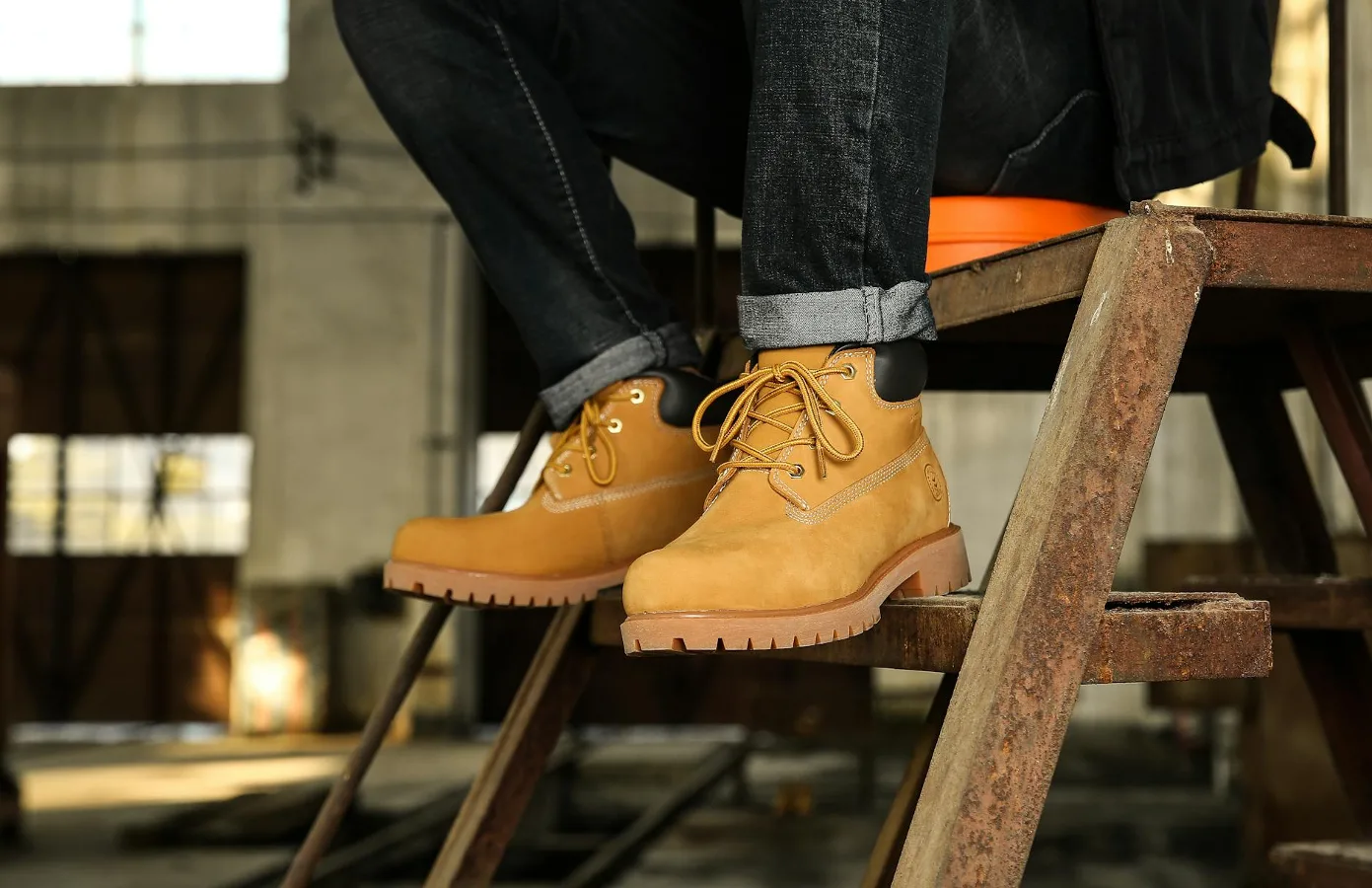
Can hiking boots work as work boots?
Sometimes, yes. Hiking boots can be a practical stand-in for work boots if the job is mostly walking, light lifting, yard work, property maintenance, trail work, or other outdoor tasks where comfort, traction, and ankle support matter more than heavy-duty safety protection. They are usually a poor substitute for jobs that require a protective toe, puncture resistance, electrical hazard protection, or strict workplace footwear rules. how to choose work boots for outdoor jobs offers more detail on this point. hiking boots versus work boots offers more detail on this point.
The short version is this: hiking boots are often good at mobility, grip, and all-day wear comfort, while traditional work boots are usually designed around jobsite protection and durability under heavier abuse. If your work environment is demanding but not highly regulated, a well-built hiking boot may make sense. If the job exposes your feet to impact, compression, nails, sharp debris, chemicals, or machinery, purpose-built work boots are the safer choice.
When hiking boots make sense
Hiking boots can be a smart option for jobs that look more like extended outdoor movement than industrial labor. Think of roles where you spend a lot of time on your feet, climbing, kneeling, walking uneven ground, or moving between locations rather than standing on a hard shop floor all day.
- Landscaping and groundskeeping: Good traction and ankle support can help on wet grass, soil, mulch, and sloped terrain.
- Property inspections and maintenance: If the work is mostly walking, ladder use, and light tools, hiking boots may be comfortable and practical.
- Outdoor utility or field work: Boots with sturdy soles and weather resistance can suit mixed terrain.
- Farm and ranch tasks: For lighter chores, hiking boots may be usable if they meet the conditions of the work.
- Trail building or recreational outdoor labor: Support, grip, and comfort often matter more than a heavy protective shell.
In these settings, the main advantage is not that hiking boots are “better” than work boots. It is that they often feel lighter and more flexible, which can reduce fatigue during long days with a lot of walking. That benefit matters most when the job demands movement more than protection.
Where hiking boots fall short
The biggest mistake is assuming that a rugged-looking hiking boot automatically qualifies as workwear. Many hiking boots are built for comfort on trails, not for the hazards common on jobsites.
Here are the main limitations to watch for:
- No safety toe: Many hiking boots do not protect against dropped tools, rolled carts, or compression hazards.
- Limited puncture protection: Some jobs expose you to nails, wire, broken materials, or scrap metal.
- Workplace compliance issues: An employer may require boots that meet specific safety standards.
- Slip resistance can vary: Trail traction is not the same as workplace traction on oil, grease, wet concrete, or smooth surfaces.
- Durability under jobsite abuse: Hiking boots may wear faster if exposed to rough abrasion, concrete dust, heavy kneeling, or repeated impact.
A common misconception is that a boot with a thick outsole is automatically suitable for work. Sole thickness helps with cushioning and terrain feel, but it does not replace toe protection, puncture resistance, or the right tread compound for a jobsite.
Step-by-step criteria for deciding
If you are trying to decide whether hiking boots can pull double duty, use the job itself as the filter. The boot should fit the environment first and your comfort preferences second.
1. Check the safety requirements
Start with the non-negotiables. If your workplace requires steel toe, composite toe, electrical hazard protection, slip-resistant certification, or puncture-resistant soles, hiking boots may not qualify unless they are specifically designed and labeled for those standards. Composite Toe Hiking Boots: Buyer Guide offers more detail on this point.
If no formal safety standard is required, you still need to think about the actual hazards. Tools, livestock, scrap, ladders, wet floors, and uneven footing all change the footwear equation.
2. Match the terrain
Hiking boots tend to perform well on uneven ground, loose gravel, mud, grass, and slopes. That makes them appealing for outdoor jobs. But terrain is only part of the story. Smooth concrete, greasy shop floors, and industrial surfaces demand a different kind of outsole behavior.
If your day moves between trail-like conditions and harder surfaces, look for a boot with a grippy outsole, stable platform, and a tread pattern that does not collect too much debris.
3. Think about support versus stiffness
Many people assume a stiffer boot is always better for work. That is not always true. A hiking boot with moderate support may be easier to walk in for long periods, especially if you are constantly moving. But if the boot flexes too much, it may feel unstable when carrying weight or working on ladders and uneven ground.
The sweet spot depends on your tasks. For long walking days, comfort and natural stride matter. For heavier labor, you usually want more structure under load.
4. Consider weather and moisture
Outdoor work often means wet grass, rain, mud, or cold mornings. Water resistance can be helpful, but there is a trade-off: more weather protection often means less breathability. If your feet run hot or you work in warm climates, a heavily waterproof boot may feel uncomfortable over time.
For mixed conditions, some workers prefer boots that resist light moisture without becoming overly sealed and sweaty.
5. Judge long-term wear
Hiking boots can be comfortable at first, but comfort alone does not tell you how they will hold up under work conditions. Look closely at the upper material, stitching, toe reinforcement, and outsole construction. If you kneel often, drag materials, or scuff the front of the boot during work, a hiking boot may show wear sooner than a dedicated work boot.
Examples of good and bad matches
Concrete examples make the decision easier.
| Work type | Hiking boots as work boots? | Why |
|---|---|---|
| Landscaping | Often yes | Traction, walking comfort, and ankle support are useful on uneven ground. |
| Property maintenance | Often yes | Good for mixed walking, light tools, and occasional ladder use. |
| Warehouse work | Usually no | Slip resistance and protective features may be more important than trail comfort. |
| Construction | Usually no | Impact, puncture, and compliance requirements often favor work boots. |
| Farm chores | Sometimes | Depends on hazards, mud, moisture, and whether protection is required. |
| Trail or park maintenance | Often yes | Terrain and mobility can matter more than heavy-duty protection. |
The same boot can be a great fit in one job and a bad choice in another. That is why the work environment matters more than the brand category printed on the box.
Checklist for choosing the right pair
If you want hiking boots to function like work boots, use this checklist before you buy or wear them on the job.
- Does your workplace require a safety toe or other protective standard?
- Will you be walking on rough, wet, muddy, or uneven ground?
- Do you need strong traction on dirt more than on smooth floors?
- Will you spend long hours on your feet, with frequent movement?
- Are you exposed to sharp debris, heavy objects, or crushing hazards?
- Do you need waterproofing, or would breathability be more useful?
- Will the boot need to handle kneeling, scraping, or repeated abrasion?
- Does the boot fit well with your usual work socks and insoles?
- Can you return or exchange it if the fit or support is not right?
If you answer yes to the hazard-related questions, a hiking boot is less likely to be enough. If your answers lean toward walking, comfort, and terrain handling, it has a better chance of working well.
Common mistakes people make
One common mistake is buying a hiking boot for the label instead of the job. “Heavy-duty” and “outdoor” sound convincing, but they do not automatically translate into workplace protection.
Another mistake is ignoring fit under work conditions. A boot that feels fine during a quick try-on may feel different after hours of standing, climbing, or crouching. Consider toe room, heel hold, arch support, and whether the collar rubs when you move.
People also overlook outsole behavior. Trail grip and work-site grip are not interchangeable. A boot that bites well into dirt may still feel unstable on wet concrete or oily surfaces.
Finally, some buyers focus on waterproofing and forget ventilation. If your job is active and warm, overheated feet can become just as distracting as damp feet.
Better alternatives if your job is harder on footwear
If your work is more demanding than hiking boots can comfortably handle, there are better options.
- Lightweight work boots: A good middle ground if you want mobility plus jobsite features.
- Safety-toe work boots: Better for impact and compression hazards.
- Slip-resistant work shoes or boots: Useful for smooth or wet indoor surfaces.
- Composite toe boots: Often preferred when you want protection without the feel of a traditional steel toe.
For some workers, a lightweight work boot offers the best balance of comfort and protection. That is especially true if you are trying to replace a hiking boot because you like the feel but need more job-ready features.
Practical decision guide
Choose hiking boots as work boots if your job is mostly outdoors, your movements are frequent, the terrain is uneven, and your employer does not require specialized safety footwear. They can be a sensible choice for comfort-driven workdays where mobility matters.
Skip them if your environment has clear hazards, formal footwear rules, or heavy wear conditions that demand protective construction. In those cases, a true work boot is not overkill; it is the more appropriate tool.
A useful way to think about it is this: hiking boots are built to help you move through terrain. Work boots are built to help you survive the hazards of a job. Sometimes those goals overlap. Sometimes they do not.