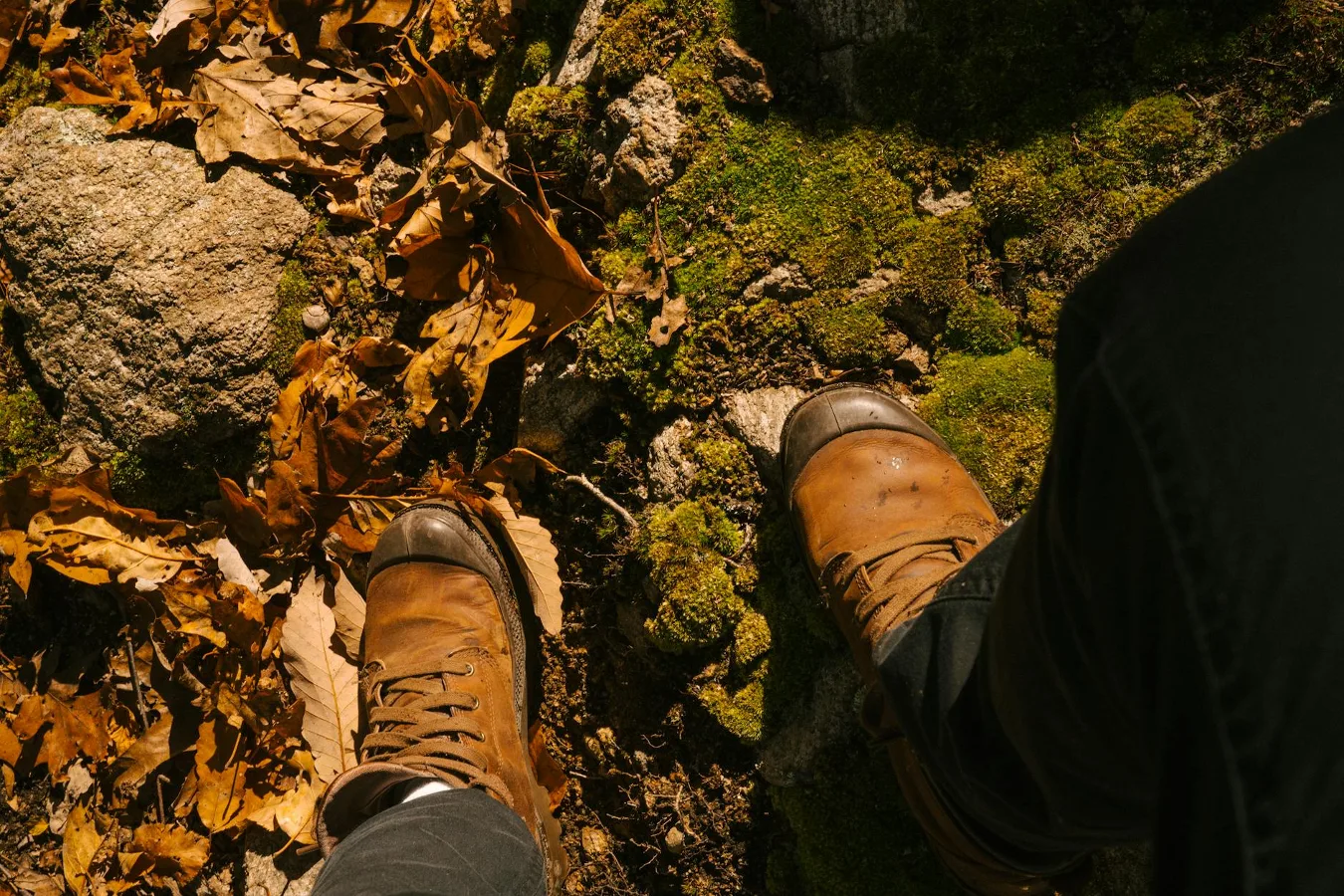
If you want the best hiking boots, start with the trail you actually hike, not the most rugged pair on the shelf. The right boot balances fit, traction, support, weather protection, and comfort for your mileage, pack weight, and terrain. merrell hiking boots offers more detail on this point.
For many hikers, the “best” choice is not a heavy boot at all. It may be a lighter mid-cut model, a waterproof pair for muddy shoulder seasons, or a more flexible boot that feels stable without tiring your feet. The goal is to match the boot to the job, then make sure the fit is right. how hiking boot fit should feel offers more detail on this point.
When hiking boots matter most
Hiking boots earn their keep when the trail starts asking more from your feet. Steep grades, loose rock, muddy footing, cold weather, and a loaded backpack all push you toward footwear with more structure and protection than an everyday sneaker or casual trail shoe.
They are especially useful if you:
- carry a daypack or backpack for long hours
- hike on uneven, rocky, root-heavy terrain
- need extra grip in wet or slippery conditions
- want more foot protection from debris and sharp edges
- prefer a more stable platform under a full load
That said, boots are not automatically better than hiking shoes. On smooth trails, in warm weather, or for fast-paced day hikes, a lighter shoe can feel easier on the feet. Many shoppers make the mistake of buying the most protective boot they can find, then wondering why it feels stiff, hot, or tiring. The better question is whether your hiking style actually needs that much boot.
Step 1: Match the boot to your hiking style
The fastest way to narrow your search is to think in use cases. A boot that works beautifully for muddy weekend walks may feel clunky on a rocky backpacking trip, and a lightweight fast-hiking boot may not offer enough underfoot protection for sharp talus or a heavy pack.
Day hikes and mixed trails
If your hikes are mostly day trips on maintained trails, look for comfort first. A lighter boot or supportive hiking shoe may be enough unless you frequently encounter wet grass, loose gravel, or uneven ground. Breathability can matter more here than full weatherproofing, especially in warmer parts of the United States.
Backpacking and heavier loads
With a heavier pack, boot stability starts to matter more. A more structured mid or high boot can help you feel planted on descents and uneven surfaces. The point is not to immobilize your ankle; it is to create a stable base that reduces fatigue and helps your foot stay centered.
Wet, muddy, or shoulder-season hiking
Waterproof membranes can be helpful when trails stay damp for long stretches or when you hike in colder shoulder-season conditions. The trade-off is breathability. A waterproof boot can feel warmer and can dry more slowly once water gets inside from the top.
Hot-weather hiking
In summer heat, lighter materials and better ventilation may be more useful than all-weather protection. A breathable boot or even a hiking shoe can keep your feet happier on long climbs. For many hikers, overheating becomes a bigger problem than minor trail splash.
Step 2: Understand the fit details that matter
Fit is the most important factor in any search for the best hiking boots. A well-made boot that fits poorly will still cause hot spots, heel slip, blisters, or numb toes. A modest boot that fits well usually performs better than an expensive one that does not.
Toe room and descents
Your toes should have enough space to wiggle slightly, but not so much room that your foot slides forward. On downhills, too much forward movement can lead to jammed toes and bruising. Too little room can create pressure and numbness after long miles.
Heel hold
A secure heel reduces rubbing and blister risk. Some movement at the heel is normal when the boot is brand new, but obvious lift is a warning sign. If you feel your heel slipping during a fit test, it usually gets worse on trail.
Midfoot security
The middle of the boot should feel snug without squeezing. This area helps the boot track naturally with your foot, which matters more than many shoppers realize. A boot that feels loose in the midfoot can feel unstable even if the length seems right.
Width and foot shape
Foot width is an overlooked consideration. A boot can be the correct size and still be wrong if the toe box pinches or the sides press too hard. Hikers with wider feet often do better in wide sizes, roomier toe boxes, or models with more adaptable uppers.
Socks change the fit
Try hiking boots with the socks you actually plan to wear. Thick hiking socks can change the fit dramatically. Many fit problems come from testing boots with thin casual socks, then discovering the real setup feels tight on trail.
Step 3: Choose the right level of support and structure
Support is one of the most misunderstood parts of boot shopping. More structure is not always better. What matters is whether the boot supports your specific use without feeling restrictive.
| Boot type | Best for | Main trade-off |
|---|---|---|
| Low-cut hiking shoe | Fast day hikes, lighter loads, warm weather | Less protection and stability on rough terrain |
| Mid-cut hiking boot | Most general-purpose hiking, mixed terrain | Can feel warmer or heavier than shoes |
| High-cut backpacking boot | Heavier loads, rough trails, colder conditions | More weight and often a longer break-in |
A common misconception is that ankle support automatically prevents injuries. In practice, a boot can improve stability and help reduce fatigue, but it does not lock your ankle in place. Good footing, controlled pace, and appropriate traction still matter more than boot height alone.
Step 4: Look closely at outsole traction
Traction depends on more than a lug pattern. Rubber compound, lug shape, and how the outsole flexes all influence how a boot feels on different ground. For hiking in the U.S., that matters because trail conditions vary widely: packed dirt in one region, wet roots in another, talus and scree in the mountains.
Deeper lugs often help in mud and loose soil. A flatter, more contact-friendly sole may feel more confident on rock. Some boots aim for a middle ground, which works well for mixed trails but may not excel in very specialized terrain.
Do not assume the most aggressive-looking outsole is the best choice. Extra-deep lugs can feel overbuilt on hard-packed trails and may wear unevenly if most of your hiking is on dry, firm ground.
Step 5: Decide between waterproof and non-waterproof
This is one of the biggest trade-offs in hiking boot shopping. Waterproof boots are helpful when wet conditions are frequent, but they are not the universal answer many shoppers expect. waterproof hiking boots offers more detail on this point.
Waterproof boots can help keep rain, puddle splash, light snow, and wet vegetation out for longer. They are useful for cool climates, shoulder seasons, and hikers who regularly encounter damp trails.
Non-waterproof boots usually breathe better and may dry faster after getting soaked. If you hike in hot weather or cross streams often, that faster drying time can matter more than blocking every drop of water.
The practical nuance is this: if water gets over the top of a waterproof boot, it may take much longer to dry than a non-waterproof boot. For stream-heavy routes, many experienced hikers prefer drainage and quick drying over waterproofing.
Step 6: Compare materials honestly
Materials influence comfort, durability, break-in, and weight. The best hiking boots for you may be the ones that balance these qualities rather than maximizing any single one.
Leather
Leather boots often feel sturdy and can handle rough use well, but they may require more break-in and can feel heavier. They are commonly chosen by hikers who want more structure and long-term durability.
Synthetic uppers
Synthetic materials tend to be lighter and may break in faster. They are often a smart choice for hikers who prioritize comfort right away, travel-friendly weight, or easier day-to-day use.
Mixed construction
Many boots combine materials to balance support, flexibility, and weight. These models can be a good middle ground, but the details matter. Stitching, overlays, tongue design, and collar padding all affect how the boot feels in motion.
Step 7: Consider break-in and long-term comfort
Some boots feel good straight away; others need time to soften and adapt. Either way, do not wait for a major trip to discover pressure points.
Use a short checklist during the first few wears:
- walk on slopes if possible
- check for heel rub after 20 to 30 minutes
- notice whether your toes hit the front on descents
- pay attention to arch pressure and midfoot squeeze
- test with your real hiking socks
If a boot consistently causes hot spots in the same place, it is usually a fit issue rather than something that will magically disappear. Some materials and constructions do soften, but they cannot fix a shape mismatch.
Step 8: Pick the features that actually help
Boot listings can pile on features that sound useful but may not matter for your hikes. Focus on the details that affect day-to-day comfort and trail function.
- Toe protection: useful on rocky trails and for kicking steps
- Gusseted tongue: helps keep out debris and adds a more secure feel
- Padded collar: can improve comfort around the ankle, though too much padding may trap heat
- Lacing hardware: helps fine-tune fit, especially around the instep and ankle
- Removable insole: useful if you need custom orthotics or prefer to replace the footbed
- Outsole stiffness: can improve load stability but may reduce flexibility for casual hiking
One overlooked consideration is torsional stiffness, which is the boot’s resistance to twisting. More stiffness can help on uneven ground and with pack weight, but too much can make a boot feel awkward on easy trails. This is one reason the same boot can feel perfect to one hiker and overbuilt to another.
Examples of which boot type tends to fit which hiker
These examples are not product recommendations, but they can help you narrow your search.
The weekend trail walker: usually does well with a lighter, more flexible boot or even a hiking shoe if terrain is moderate.
The rocky-trail day hiker: often benefits from a mid-cut boot with better toe protection and a more stable sole.
The backpacker: may want a sturdier boot that handles weight well, especially on steep descents and uneven surfaces.
The wet-weather hiker: may prefer waterproofing for cool, muddy conditions, but should weigh drying time against breathability.
The hot-climate hiker: often gets more comfort from lighter materials and better ventilation than from maximum protection.
Common mistakes when shopping for hiking boots
Several buying mistakes show up again and again.
- Choosing by appearance: rugged styling does not guarantee good fit or performance.
- Buying too much boot: heavier is not automatically better for every trail.
- Ignoring width: length alone does not determine comfort.
- Skipping the real sock setup: fit changes once you add hiking socks.
- Assuming waterproof means dry forever: water can still enter from the top.
- Not testing downhill comfort: many boots feel fine standing still but fail on descents.
Another mistake is focusing only on ankle height. A low-cut shoe can be more suitable than a tall boot if the trail is straightforward and your feet do better with less bulk. Conversely, a tall boot can be a good idea if terrain and load truly call for it.
A practical buying checklist
Use this quick checklist before you decide:
- Does the boot match your main trail type?
- Does it feel secure at the heel and midfoot?
- Is there enough toe room for descents?
- Does the width match your foot shape?
- Do you need waterproofing, or would breathability be better?
- Is the sole suited to mud, rock, or mixed terrain?
- Does the boot feel stable without feeling heavy?
- Have you tried it with your hiking socks?
If you can answer those questions confidently, you are much closer to the best hiking boots for your needs than someone shopping by brand name alone.
How to think about value
Long-term value is not just about price. A boot that fits well, lasts through your normal hiking season, and prevents avoidable discomfort can be a smarter purchase than a cheaper pair that ends up unused. On the other hand, paying for features you will not use can reduce value quickly.
For some hikers, the best value is a versatile mid-cut boot. For others, it is a lighter shoe that they can wear more often and more comfortably. The right choice depends less on trends and more on whether the boot works for your terrain, climate, and feet.
That is the real answer behind the search for the best hiking boots: choose the pair that fits your trail life, not the pair that looks most technical on paper.