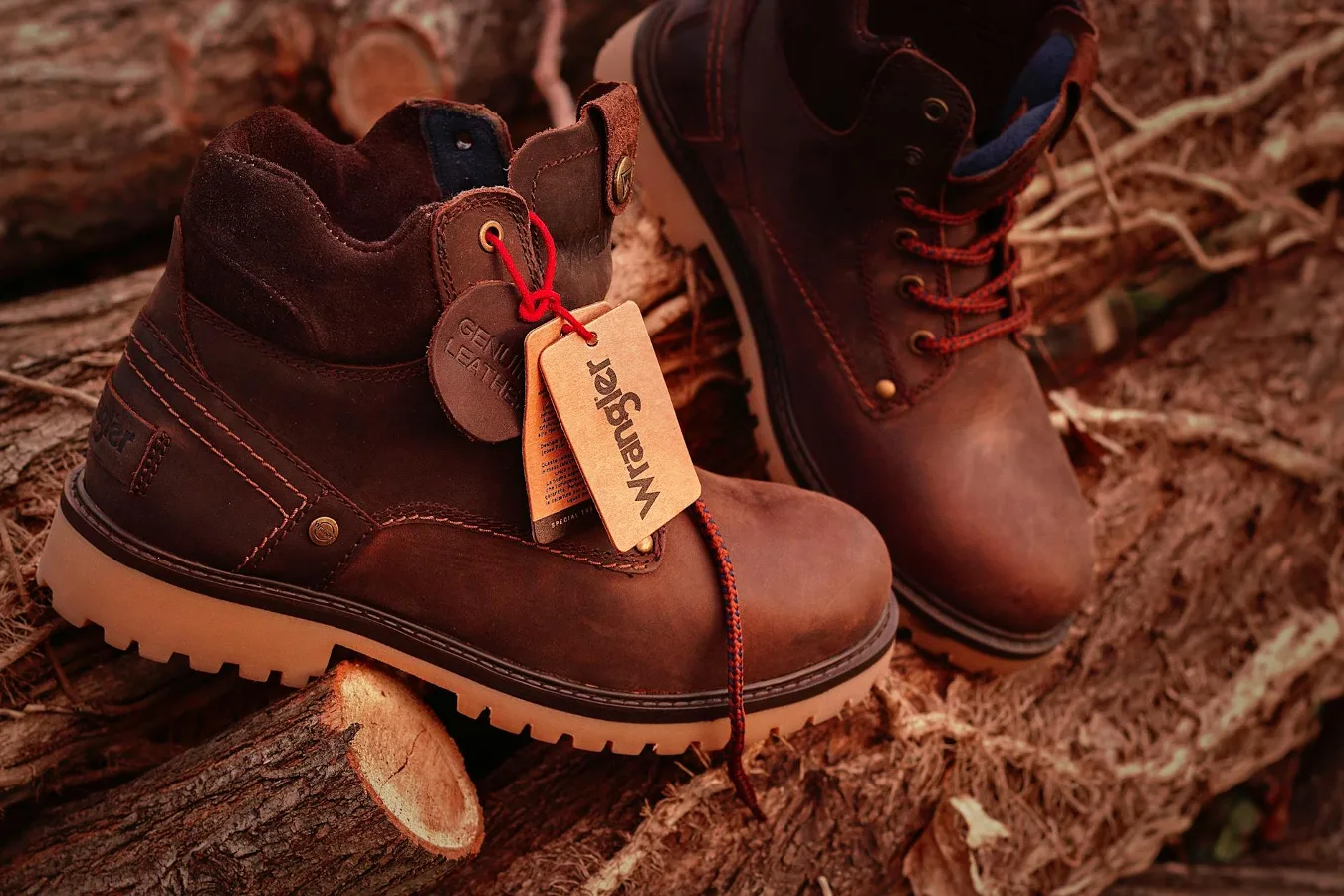
If you are shopping for hiking boots for men, the best choice usually comes down to three things: the terrain you hike, how much support you want, and how well the boot fits with the socks you wear. A boot that looks rugged on paper can still be uncomfortable if it is too stiff, too warm, or shaped poorly for your foot. best hiking boots offers more detail on this point.
The right hiking boot is not always the heaviest or most expensive option. For many hikers, a lighter boot or even a sturdy hiking shoe works better than a traditional leather boot. The goal is to match the boot to your hikes, not to buy more boot than the trail requires.
When hiking boots matter most
Hiking boots make the most sense when your routes include uneven ground, loose rock, mud, frequent elevation changes, or a pack that adds extra load. They can also be helpful if you want more ankle coverage, a firmer platform, or a more protective upper than a low-cut shoe usually provides.
They matter less for short, well-maintained walks on smooth trails. In those situations, a lighter hiking shoe may feel easier to move in and less tiring over a long day. That trade-off is worth considering because extra structure can also mean extra weight and a longer break-in period.
Step-by-step criteria for choosing hiking boots for men
1. Start with the terrain you actually hike
Trail conditions should lead every other decision. Smooth dirt paths, rocky mountain trails, wet forest routes, and mixed-use paths all place different demands on footwear. A boot for muddy, steep terrain needs stronger traction and better protection than one meant for occasional weekend walks.
If your hikes are mostly moderate and dry, you may not need a heavy boot with a highly rigid sole. If you often hike over sharp stone, roots, or uneven descents, look for a more structured boot with a stable platform and a grippy outsole.
2. Choose the right level of support
Support is one of the most misunderstood parts of boot shopping. Many buyers assume more ankle height automatically means more safety, but support depends on the whole boot: the midsole stiffness, heel structure, collar padding, and how securely the boot holds your foot.
Higher-cut boots can help you feel more contained, especially on rough ground or with a heavier pack. But they are not a guarantee against injury, and some hikers prefer a lower, more flexible boot that moves naturally. If you have weak ankles or carry load regularly, added structure may be useful. If your hikes are light and fast, too much support can feel restrictive.
3. Pay attention to fit before features
Fit matters more than a long feature list. A boot that is technically advanced but pinches your toes or slips at the heel will quickly become a poor choice. The toe box should leave enough room to wiggle your toes without letting your foot slide forward on descents.
Try boots with the same type of hiking socks you plan to wear. Medium- and heavyweight socks can change the feel significantly. If you buy too snug a fit in the store, the boot may feel worse after your feet swell on a longer hike.
An overlooked detail is foot shape. Some men need a wide toe box, extra volume over the instep, or a lower heel cup to prevent rubbing. Standard sizing alone does not solve those differences, so shape is often more important than the size label.
4. Decide how much weather protection you need
Many hiking boots for men are marketed as waterproof, but waterproofing is not always the best answer. Waterproof membranes can help in wet grass, light rain, puddles, or snowmelt. They can also make boots warmer and slower to dry when water gets in from the top.
If you hike mostly in hot or humid conditions, breathability may matter more than waterproofing. A non-waterproof boot or a more ventilated hiking shoe can be more comfortable on long summer hikes. In colder, wetter environments, weather protection usually becomes more important than maximum airflow. men’s casual shoe buying guide offers more detail on this point. Merrell Hiking Boots: Buying Guide offers more detail on this point.
5. Match boot materials to your use case
Leather boots are often associated with durability and structure, while synthetic boots tend to be lighter and easier to break in. That simple split is useful, but not absolute. A well-made synthetic boot can be very capable, and a poorly chosen leather boot can still feel clumsy or hot.
Leather often suits hikers who want a sturdy boot for rough terrain, frequent use, or a longer service life with proper care. Synthetic materials can suit hikers who value lighter weight, quicker drying, and easier flexibility. Some boots use a blend of both to balance support, comfort, and maintenance.
6. Look at the outsole, not just the upper
Traction comes from the outsole design, rubber compound, and lug pattern. Deep lugs can help in mud and loose terrain, while flatter patterns may feel better on firmer ground. No outsole performs equally well on every surface, so the best tread depends on where you hike most often.
A common misconception is that all aggressive tread equals better traction. In reality, a very deep lug pattern can feel less stable on hard, dry rock or paved approaches. Think about the mix of surfaces you encounter, not just the hardest section of trail.
7. Consider break-in time and flexibility
Some hiking boots feel comfortable out of the box, while others need time to soften and adapt. That is not automatically a flaw; more structured boots often need some break-in. The question is whether you need instant comfort or are willing to spend time easing the boot into regular use.
If you have an upcoming trip, do not choose a stiff boot that has not been worn on shorter walks first. A long hike is a bad place to discover pressure points. Even a good boot can become a problem if you skip gradual wear-in.
Examples of different hiker needs
Weekend day hiker
If your hikes are short to moderate and you rarely carry a heavy pack, a lighter hiking boot or supportive hiking shoe may be enough. You may get better comfort and less fatigue with a more flexible design than with a traditional heavy boot.
Backpacker carrying more weight
For longer trips with a loaded pack, more structure can be helpful. A boot with a firmer midsole, strong heel hold, and stable platform can make rough descents and long mileage feel more controlled. Here, durability and support usually matter more than minimal weight.
Hot-weather hiker
In warm climates, breathability can outweigh waterproofing. A boot that traps heat may become uncomfortable quickly, especially on uphill sections. If your local trails are dry for much of the year, a cooler and lighter option may be the more practical purchase.
Wet-trail or shoulder-season hiker
If you hike in rain, snowmelt, or soggy terrain, weather protection and traction rise in importance. A waterproof boot can be useful, but only if you also expect to stay out of deep water. If water regularly enters over the cuff, waterproofing may help less than you expect.
Common mistakes shoppers make
- Buying for appearance instead of trail use. Rugged styling does not guarantee good fit, traction, or comfort.
- Choosing too much boot. Heavy models can be tiring if your hikes are casual or mostly on maintained trails.
- Ignoring sock choice. Boot fit changes a lot with hiking sock thickness.
- Assuming waterproof means better in every season. Waterproof boots often run warmer and dry more slowly.
- Skipping the walk test. Standing still is not enough; heel slip and toe contact often show up in motion.
- Overlooking width and volume. A boot can be the right length and still feel wrong across the forefoot or instep.
A practical checklist before you buy
- Does the boot match the terrain you hike most often?
- Does it feel secure at the heel without pressing on the Achilles?
- Is there enough toe room for downhill movement and foot swelling?
- Will you wear waterproof or breathable construction more often?
- Is the sole appropriate for mud, rock, or mixed trails?
- Can you flex the boot enough for your hiking style?
- Do the materials fit your maintenance preferences?
- Will the boot work with your usual hiking socks?
- Is the break-in period realistic for your schedule?
How to compare hiking boots with alternatives
Hiking boots are not the only option. Hiking shoes offer less ankle coverage but often feel lighter and easier for fast-moving hikers. Trail runners can be appealing for people who prioritize speed, breathability, and low weight, especially on maintained routes.
Choose boots if you want more protection from brush, rocks, or wet conditions, or if you prefer a sturdier feel under load. Choose shoes or trail runners if comfort, ventilation, and low fatigue matter more than full coverage. There is no universal winner; the best choice depends on your routes and preferences.
Care and maintenance considerations
Boot care affects comfort and lifespan. Mud, dust, and salt can wear down materials over time, so cleaning after wet or dirty hikes helps preserve the upper and outsole. Dry boots naturally at room temperature rather than placing them near direct heat, which can damage some materials.
Leather models may need more regular conditioning or waterproof treatment, while synthetic boots often need simpler cleaning. Check care instructions for the specific materials used in the boot. A good boot can still fail early if it is stored wet, dried improperly, or ignored after repeated exposure to grime.
What to expect from the first few hikes
Even a comfortable hiking boot may feel a little different at first. Minor stiffness is normal in many models, but hot spots, toe pressure, or heel movement are warning signs. Use short walks or easy trails before committing to a long trip.
If discomfort appears early, do not assume it will disappear on its own. Sometimes a different lacing pattern helps, but sometimes the last shape is simply wrong for your foot. Comfort problems that show up during short outings usually get worse on longer ones.
FAQs
Do men need hiking boots for every hike?
No. For maintained trails and lighter outings, a hiking shoe or trail runner may be more comfortable. Boots become more useful when terrain is rough, wet, steep, or loaded with a pack.
Are waterproof hiking boots always better?
Not always. Waterproof boots help in wet conditions, but they can be warmer and slower to dry. Breathability may be the better choice in hot, dry weather.
How much ankle support do I really need?
Enough to feel secure for your terrain and pack weight. Higher cuffs can help with containment, but support also depends on fit, midsole stiffness, and overall stability.
Should I choose leather or synthetic hiking boots?
Leather often offers a more structured feel and can suit rougher use, while synthetic boots are usually lighter and easier to break in. The better choice depends on your comfort priorities and maintenance habits.
What is the biggest mistake when buying hiking boots for men?
Choosing the wrong fit. Length, width, volume, and sock compatibility matter more than brand name or styling.
For most buyers, the best hiking boots for men are the ones that match the terrain, fit the foot shape, and solve a real use case without unnecessary weight or complexity. If you start with trail conditions and fit first, the rest of the decision becomes much easier.