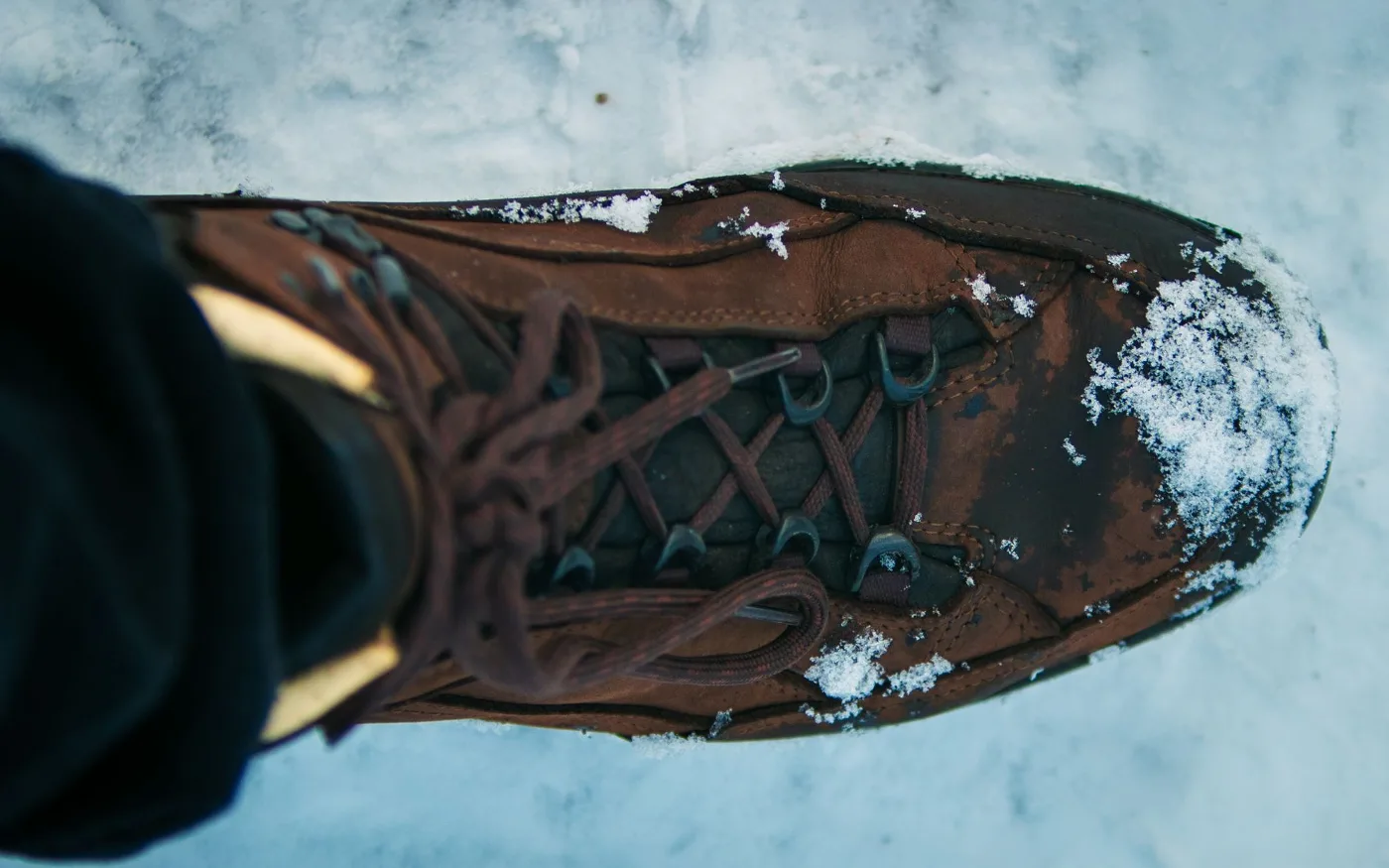
If you’re searching for Hoka hiking boots, the short answer is that shoppers usually mean Hoka’s hiking-oriented footwear rather than a single, always-available boot lineup. Hoka is best known for max-cushion running shoes and trail shoes, so the brand’s appeal in hiking comes from a familiar set of strengths: soft underfoot feel, a smoother ride on long days, and lighter-feeling construction than many traditional boots.
That also means Hoka is not the automatic answer for every hiker. The right pair depends on how much ankle coverage you want, how rough the terrain is, whether you need waterproofing, and how much stability you expect from the shoe itself. If you want a hiking shoe that feels more like a cushioned athletic shoe than a stiff leather boot, Hoka may fit the brief. If you want maximum protection for load-bearing backpacking or highly technical terrain, you may want to compare it with more traditional hiking boots as well. Best Hiking Boots: How to Choose Pair offers more detail on this point.
What people usually mean by “Hoka hiking boots”
The phrase often gets used loosely to describe Hoka’s trail and hiking footwear category. In practice, shoppers are usually looking for one of three things: a hiking shoe with Hoka cushioning, a boot-like option with more coverage, or a trail shoe that can handle mixed walking and hiking use. That distinction matters because not every shoe marketed for the outdoors behaves like a true boot.
For a navigational search, the goal is often simple: find the Hoka model that matches your use case. The key is to separate style name from function. A shoe that feels great on packed dirt paths may not be ideal for rocky scrambles, snow, or heavily loaded hikes. Likewise, a boot with more support may feel unnecessarily bulky for everyday trail walks.
Where Hoka tends to make the most sense
Hoka footwear is often a strong fit for hikers who value cushioning, smooth transitions, and a lighter step. That can be especially appealing if you spend a lot of time on maintained trails, walk long distances, or prefer footwear that reduces the harsh feel of repeated impact underfoot.
These shoes also tend to make sense for people who do not love the feel of classic stiff boots. If you want something easier to wear straight out of the box and less tiring over the course of a full day, Hoka’s approach can be attractive. The trade-off is that softer, lighter designs may not deliver the same planted, armored feel that some hikers prefer on uneven ground.
- Best for: day hiking, walking-heavy trail use, travel with light outdoor plans, and hikers who prioritize cushioning.
- Less ideal for: heavy loads, highly technical terrain, or hikers who want a traditional boot feel.
Key factors to compare before buying
1. Support versus softness
One of the most important decisions is whether you want cushion or structure. Hoka is widely associated with soft, protective midsoles, but softness alone does not equal support. A very cushioned shoe can feel comfortable while still lacking the kind of firm, locked-in platform some hikers want on uneven ground.
If you have a history of preferring stable footwear, pay attention to the heel hold, midfoot security, and overall platform shape. If your priority is reducing foot fatigue on longer walks, the softer ride may be exactly why you are looking at Hoka in the first place.
2. Terrain and intended use
Think about the trails you actually walk, not the hardest terrain you might encounter once or twice a year. Smooth fire roads, gravel paths, and maintained park trails are a very different use case from muddy backcountry routes or steep, rocky climbs. Hoka-style hiking footwear often shines in the first category and becomes more situational in the second.
For mixed terrain, traction pattern and outsole grip matter as much as cushioning. If the trail regularly includes wet roots, loose rock, or steep descents, compare the outsole design carefully rather than assuming all hiking shoes perform the same.
3. Fit and toe room
Fit is one of the most overlooked reasons hikers like or dislike a pair of shoes. Hiking footwear should allow toe movement without letting the foot slide around on descents. A roomy toe box can help with swelling on long hikes, but too much space can create friction and reduce control.
If you plan to wear thicker hiking socks, or if your feet swell during long outings, allow for that when choosing size. It is better to solve fit on paper than discover pressure points after the first steep climb.
4. Waterproofing and breathability
Some shoppers want waterproof hiking boots because they expect wet grass, rain, puddles, or muddy conditions. Others prefer breathable shoes that dry faster and feel less hot. This is a genuine trade-off, not a simple upgrade path.
Waterproof models can be useful in damp climates or on shoulder-season hikes, but they may run warmer and take longer to dry once water gets inside. Breathable mesh designs often feel better in heat and are easier to live with on dry trails, but they are less forgiving when conditions turn wet.
5. Stability on uneven ground
Hoka shoes often feel cushioned rather than rigid, and that can be a benefit on long walks. But if you are carrying weight or prefer a firm base underfoot, stability deserves close attention. A plush ride can sometimes feel less secure on angled or unpredictable surfaces.
For hikers who are sensitive to ankle wobble or who simply feel better in a more structured shoe, a traditional hiking boot may still be the more confident choice. If you mainly want comfort and walkable feel, the trade-off may be worth it.
Practical ways to choose the right pair
Start with your primary use case. If the shoes are for weekend trail walks, a cushioned trail shoe or light hiking option may be enough. If you want one pair for a wider range of outdoor conditions, make sure the model you choose offers the level of coverage and traction you actually need.
Next, think about your comfort priorities. People often focus on waterproofing first, but fit and foot shape usually matter more over the long run. A well-fitting breathable shoe can outperform a poorly fitting waterproof boot simply because it stays comfortable.
Then compare the practical details that affect daily use:
- Break-in feel: Do you want something ready to wear quickly, or are you comfortable with a more structured boot that may need time to settle?
- Terrain match: Are you mostly on groomed trails or on irregular, rocky ground?
- Climate: Will breathability matter more than weather protection?
- Pack weight: Are you day hiking, or do you carry a heavier load?
- Personal preference: Do you like a springy, athletic feel or a firmer, more traditional boot ride?
Common mistakes shoppers make
One common mistake is assuming every Hoka outdoor shoe behaves like a boot. Some are better described as trail shoes with hiking credentials. That difference affects ankle coverage, protection, and how secure the shoe feels on rough ground.
Another mistake is choosing waterproofing by default. Waterproof footwear can be useful, but it is not universally better. If you hike in hot conditions or on dry trails, a waterproof membrane may add warmth and slow drying without giving you much benefit. waterproof footwear guide offers more detail on this point.
A third issue is overlooking the sock-and-fit combination. A shoe that feels fine barefoot or with casual socks can feel completely different with hiking socks and downhill pressure. Always think about how the shoe will be used, not just how it feels in the store or on first try-on.
Hoka versus traditional hiking boots
If you are comparing Hoka hiking boots with classic leather or synthetic hiking boots, the main difference is usually feel. Traditional boots often prioritize structure, protection, and load-carrying confidence. Hoka’s reputation is more about cushioning, lighter movement, and day-long comfort. hiking boots for men offers more detail on this point.
That does not make one category better than the other. It simply means they solve different problems. If your hikes are mostly moderate and you want a shoe that feels easy on the feet, Hoka may be the better match. If you want a boot that feels planted under a heavier pack or on more technical ground, traditional hiking boots may be the safer benchmark.
| Need | Hoka-style hiking footwear | Traditional hiking boots |
|---|---|---|
| Comfort on long walks | Often a strong point | Can be comfortable, but usually firmer |
| Terrain security | Depends on model and fit | Often more structured |
| Heat and breathability | Frequently better in non-waterproof versions | Varies, often warmer |
| Load-bearing support | Can be limited compared with heavier boots | Usually stronger |
| Everyday wearability | Often easier to wear casually | Can feel bulkier |
Alternatives worth considering
If you like the idea of Hoka but are not sure a hiking boot is the right call, consider a few nearby categories. Trail running shoes are a natural alternative for light hiking and fast-moving trail days. Mid-height hiking shoes can offer a little more coverage without committing to a heavy boot. And if your hikes are short, well-maintained, and mostly dry, a cushioned trail shoe may deliver the comfort you want with less bulk.
On the other hand, if you regularly hike in rugged conditions, you may want to compare Hoka against more traditional hiking brands that emphasize stiffness, protection, and durability over plush cushioning. The best choice is the one that fits your terrain and your feet, not the one with the most recognizable reputation.
How to decide if Hoka is the right direction for you
Choose Hoka hiking footwear if your top priorities are comfort, lighter-feeling movement, and a shoe that works well for walking-heavy outdoor days. That is especially true if you have avoided boots in the past because they felt clunky or overly stiff.
Look elsewhere if you need maximum ankle support, a very rigid platform, or a shoe for demanding backpacking conditions. You may still find a Hoka model that works, but you should compare it carefully against sturdier options rather than assuming the brand’s cushioning-first approach will cover every use case.
A smart buying decision usually comes down to three questions: how rough are your trails, how much support do you really need, and what kind of feel do you want mile after mile? Answer those honestly, and the right footwear choice becomes much easier.