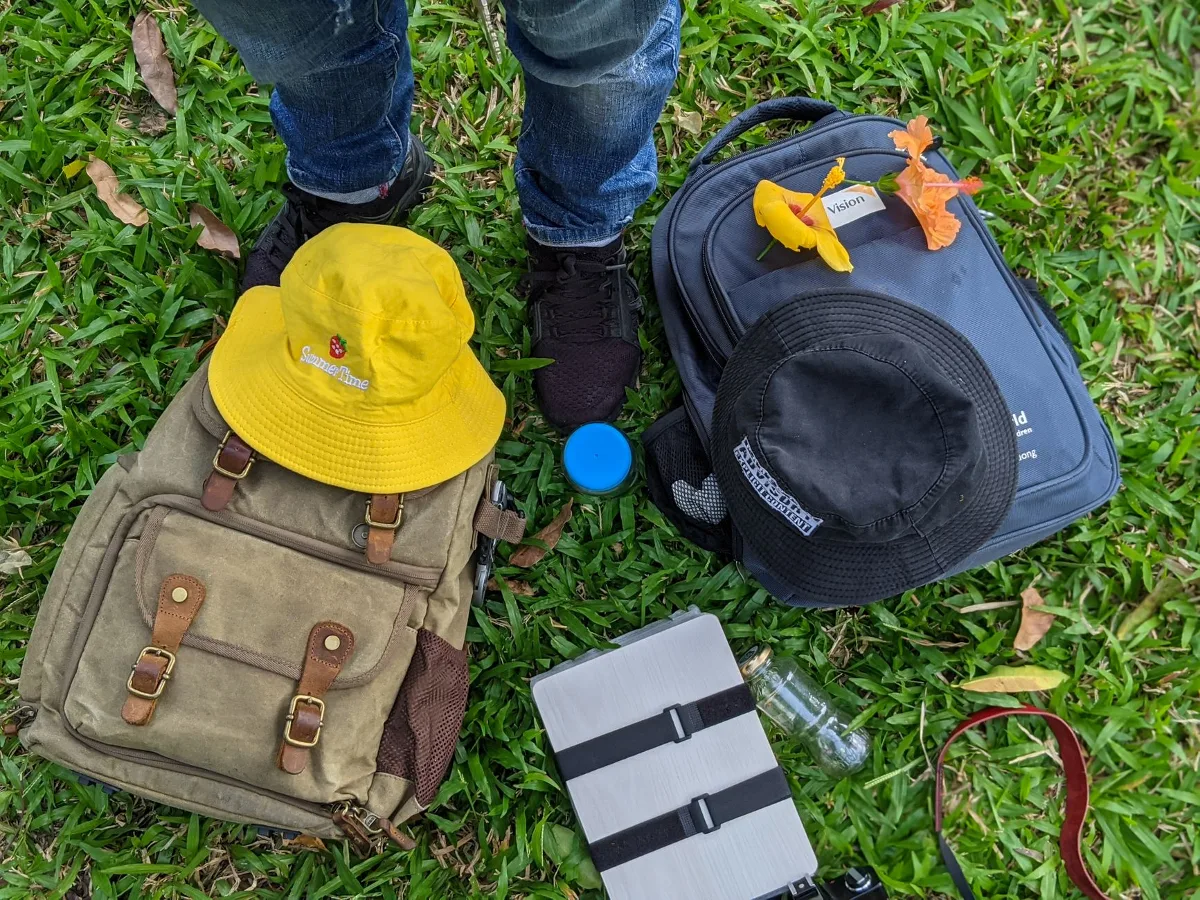
Start with the real question: what makes a backpack a strong personal item?
The best personal item travel backpack is the one that fits the airline’s personal item size expectations, slides under the seat when needed, and keeps your essentials easy to reach. For most travelers, that means a compact backpack with smart organization, a comfortable carry system, and a shape that does not waste space. 20l travel backpack offers more detail on this point.
The key mistake is shopping for a “travel backpack” first and a “personal item” second. Those are not always the same thing. A backpack can be great for a weekend trip and still be too tall, too deep, or too boxy to work as an underseat bag. If you fly often, especially on budget airlines, the personal item fit matters as much as storage capacity. travel bag sizing tips offers more detail on this point.
For a practical buyer, the right bag usually balances four things: size, access, comfort, and structure. If one of those is weak, the bag may still work, but it will be annoying in daily use.
The best buyer scenario: who this bag is really for
A personal item travel backpack makes the most sense if you want one bag that can handle a flight, a hotel night, and a full day on the move. It is especially useful for travelers who carry a laptop, charger, water bottle, headphones, and a few clothing or toiletry items without checking a bag. backpacks with laptop compartments offers more detail on this point.
It also fits people who prefer to keep valuables close rather than stowing everything overhead. That includes business travelers, weekend flyers, digital nomads on short hops, and anyone trying to travel lighter without giving up organization.
There is another advantage that is easy to overlook: a well-designed personal item backpack can reduce friction at the airport. If your passport, snacks, electronics, and boarding essentials all have their own place, you spend less time digging through the bag at security or during a boarding delay.
What to prioritize before you buy
1. Airline fit comes first
The biggest deciding factor is whether the backpack can serve as a personal item on the airlines you actually use. Airlines define personal items differently, and enforcement can vary. A bag that works well for one carrier may be too large for another, especially on tighter budget fares.
Instead of focusing only on the number of liters, pay attention to the bag’s shape and external dimensions. A backpack with a tall profile or stiff frame may feel roomy at home but become difficult to fit under a seat. A softer, slimmer design is often easier to use as a true personal item.
If you travel with different airlines, choosing a more compact silhouette gives you more flexibility. A slightly smaller bag that fits reliably is often better than a larger one that only works part of the time.
2. Organization should match your travel style
Some travelers want one large main compartment and a few simple pockets. Others need separate zones for a laptop, documents, cables, toiletries, and a change of clothes. Neither setup is inherently better; it depends on how you pack.
A useful personal item backpack usually includes:
- a dedicated laptop sleeve or padded compartment
- quick-access pocket for passport or phone
- small interior pockets for cords and chargers
- side pocket for a bottle or compact umbrella
- a main compartment that opens wide enough to pack efficiently
Too many tiny pockets can actually make a bag harder to use. They sound convenient, but they sometimes waste space and make packing more cumbersome. A strong layout is one that helps you find things quickly without turning the bag into a cluttered grid.
3. Comfort matters more than many buyers expect
Personal item backpacks are often carried through airports, train stations, sidewalks, and hotel lobbies in the same day. That means strap comfort and weight distribution matter more than they would in a bag used only for short errands.
Look for padded shoulder straps that do not dig in, a back panel that sits comfortably against your body, and a shape that stays balanced when the bag is partly full. If the bag is meant to carry a laptop or heavier gear, a sternum strap can help, though not every traveler needs one.
Comfort also depends on how the bag is loaded. A backpack with poor internal organization can feel awkward even if the straps are good, because the contents shift and pull the bag off balance.
4. Structure can help or hurt
A common misconception is that more structure automatically means a better travel backpack. In reality, a very rigid bag can be harder to fit under a seat and less forgiving when packed full. On the other hand, a completely soft bag may collapse awkwardly and become messy inside.
The best personal item backpacks usually sit in the middle. They keep their shape enough to stay organized, but they still have enough flexibility to squeeze into tight spaces and adapt to different loads.
That balance is one of the most overlooked considerations in this category. A bag that is too stiff may be polished and protective, but a bag that is too floppy can feel cheap and inefficient. The right middle ground depends on how you travel.
Material and spec factors that actually affect daily use
Fabric choice
Travel backpacks commonly use nylon, polyester, or similar synthetic fabrics because they are durable and relatively lightweight. The exact fabric matters less than the overall build quality, stitching, and stress points, but it still affects feel and longevity.
Water resistance is useful, especially if you may be caught in rain or carry electronics. That does not necessarily mean the bag is fully waterproof, so it is still smart to keep sensitive items in sleeves or pouches.
If you prefer a more polished look for business travel, a clean, structured fabric can make the bag look less outdoorsy. If durability and easy care matter more, a tougher fabric with minimal decorative elements may be the better option.
Zippers, seams, and openings
Zippers are one of the most practical quality checks on a travel backpack. They should feel smooth, open cleanly, and not snag when the bag is packed full. Since a personal item bag is accessed often, zipper quality has a bigger impact than many shoppers realize.
The opening style matters too. A clamshell opening can make packing easier because the bag opens more like a suitcase. A top-loading design may be simpler and more compact, but it can be harder to reach items buried near the bottom. There is no universal winner; choose based on how you pack.
Laptop protection and device carry
If you travel with a laptop or tablet, check whether the sleeve is well placed and padded enough for your needs. A sleeve that sits too low in the compartment can make the device harder to remove at security or during boarding.
Device protection is not only about padding. It also depends on whether the compartment is separated from bulky items like shoes, chargers, or toiletry bags. A good layout keeps hard objects from pressing directly against electronics.
Carry features that improve flexibility
Some personal item backpacks include a trolley sleeve, which lets the bag slide over a luggage handle. That can be useful if you also travel with a rolling suitcase, though it is not essential for everyone.
A grab handle on top is also valuable. It gives you a way to lift the bag quickly into an overhead bin, move it through tight spaces, or carry it briefly like a briefcase-style bag.
Anti-theft details, such as lockable zippers or hidden pockets, can be useful in crowded transit environments. They should be treated as convenience features, not a substitute for general travel awareness.
Trade-offs to think through before choosing one
The strongest travel backpacks usually make a few compromises. A highly organized bag may sacrifice open space. A sleek bag may offer less padding. A very compact design may work beautifully as a personal item but feel limiting on longer trips.
That is why the “best” option depends on how you pack, not just how the bag looks. If you travel with a laptop and a lot of tech, choose organization and protection over maximum flexibility. If you pack light and value quick access, a simpler layout may be better. If you want one bag for weekend travel and commuting, consider whether the bag can do both without feeling oversized in either role.
Another trade-off is weight. Heavier materials and extra hardware can improve structure and durability, but they also reduce the amount of useful weight you can carry. A lightweight bag is easier to handle, but it may be less protective or less refined in use.
Common mistakes shoppers make
- Buying by liters alone. Volume does not guarantee airline fit or usable layout.
- Ignoring the bag’s shape. A tall or stiff backpack may be harder to use under a seat.
- Overlooking access. A beautiful bag is frustrating if you cannot reach your passport or charger quickly.
- Choosing too many compartments. Extra pockets can reduce usable space and make packing inefficient.
- Forgetting the load they actually carry. A bag that feels fine empty may be uncomfortable once a laptop and accessories are inside.
Which type of traveler should choose which style?
For business travel, a cleaner silhouette with a padded laptop sleeve and simple external pockets usually works best. It looks more polished and keeps work essentials organized.
For weekend trips, a backpack with a wider opening and flexible main compartment is often more useful. It gives you a better chance of fitting clothing, toiletries, and electronics together without overstuffing the bag.
For budget airline travel, compact dimensions and a slimmer profile matter most. In that setting, it is often smarter to give up some capacity in exchange for better odds of a smooth boarding experience.
For commuting plus travel, durability, comfort, and easy access become the priorities. A bag that can move between office days and airport days may be the most practical long-term value, even if it is not the roomiest option.
Alternatives if a personal item backpack is not the best fit
Not every traveler needs a backpack. A tote-style travel bag may be easier to access if you carry mostly flat items and want a simpler look. A small duffel can work if you prioritize flexible packing space over organization.
If you travel with a lot of electronics, a tech-friendly briefcase or messenger bag may better suit your daily routine. If you are trying to maximize underseat fit on strict airlines, a smaller pack or packable day bag may be easier to manage than a more feature-heavy backpack.
The right alternative depends on what problem you are trying to solve. If the main goal is speed and convenience, a backpack is often best. If the main goal is style or minimalism, another bag type may fit your needs better.
A simple way to compare options
| What to compare | Why it matters | What to look for |
|---|---|---|
| Airline fit | Determines whether the bag works as a personal item | Compact dimensions and a slim, underseat-friendly shape |
| Organization | Affects how fast you can find essentials | Dedicated laptop space, quick-access pockets, simple internal layout |
| Comfort | Important for airport days and longer walks | Padded straps, balanced load, supportive back panel |
| Material | Influences durability and weather resistance | Sturdy fabric, quality stitching, practical water resistance |
| Structure | Affects packing efficiency and fit | Enough structure to organize, enough flexibility to pack and stow easily |
Next steps before you buy
Start by checking the airlines you fly most often. Then decide what your bag needs to carry on a typical trip. A backpack that fits your exact routine is usually better than one that is simply popular.
After that, compare the bag’s shape, access points, and internal layout. If possible, think through a real packing list: laptop, charger, headphones, passport, snacks, small toiletry kit, and maybe a layer of clothing. If the bag handles that list without becoming awkward, you are probably close to the right choice.
Finally, resist the urge to overbuy features. The best personal item travel backpack is rarely the one with the most extras. It is the one that stays easy to carry, easy to pack, and easy to fit into the travel situations you actually face.
FAQ
What size backpack counts as a personal item?
Airlines set their own personal item rules, so there is no single universal size. The safest approach is to check the specific airline’s dimensions and look for a backpack with a slim, underseat-friendly profile.
Is a personal item backpack better than a carry-on suitcase?
It depends on your trip. A backpack is better for mobility, quick access, and lighter packing. A suitcase is often better if you need more structured space or prefer rolling luggage.
Should I choose a soft or structured backpack?
Soft bags are usually easier to fit under seats, while structured bags can feel more organized and protective. Many travelers do best with a middle-ground design that keeps its shape without being rigid.
Do I need a laptop compartment?
If you travel with a laptop or tablet, a dedicated compartment is usually worth it. If you never carry devices, that feature may not be necessary and could take up space you would rather use elsewhere.
What is the biggest mistake to avoid when buying one?
Choosing a bag that looks spacious but is too large or too rigid to work as a true personal item. Airline fit should come before maximum capacity.