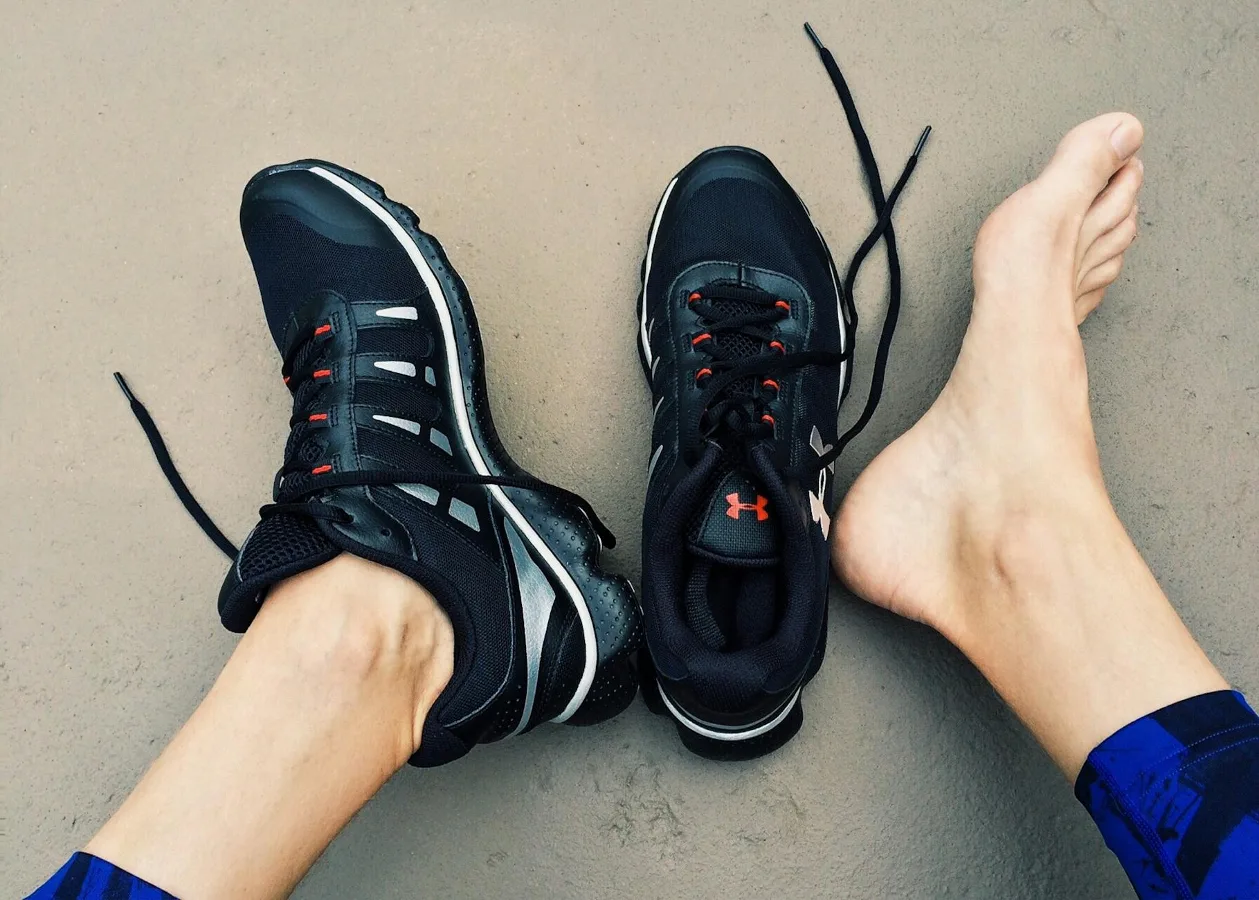
If you want the best running shoes with a wide toe box, start with one simple idea: the right shoe should let your toes spread naturally without forcing the rest of the fit to become sloppy. A roomy forefoot can reduce pinching, improve comfort on longer runs, and help runners who dislike a narrow, tapered front end. stability shoes for overpronation offers more detail on this point.
The catch is that a wide toe box is not the same thing as a wide shoe overall. Some runners need extra forefoot space but a secure heel and midfoot. Others need a true wide width. Understanding that difference is the fastest way to avoid buying a shoe that feels fine in the store and frustrating on the run.
When a wide toe box matters most
A wide toe box matters whenever the front of the shoe becomes the limiting factor, not the length. If your toes feel compressed, your forefoot swells on longer runs, or you regularly notice rubbing on the big toe or pinky toe, a roomier shape is worth prioritizing.
It can also matter if you prefer more natural toe splay, have bunions or forefoot sensitivity, or simply dislike the cramped feel that some performance running shoes create. Runners who do long mileage, walk in their trainers, or spend a lot of time on roads and sidewalks often notice this more quickly than someone doing short treadmill sessions. neutral running shoes for everyday mileage offers more detail on this point.
A common misconception is that a wide toe box automatically means a better fit for everyone with wide feet. Not always. Some shoes give plenty of space up front but still feel narrow through the midfoot or unstable at the heel. Fit needs to be evaluated as a whole.
What to look for before you buy
The best pair depends on how the shoe handles four fit areas: toe box shape, forefoot volume, midfoot hold, and heel security. If you focus only on width labels, you can miss the shape details that actually determine comfort. how to choose running shoe width offers more detail on this point.
Toe box shape
Look for a toe box that follows the natural outline of your foot rather than tapering sharply inward. A more anatomical shape gives the toes room to move without forcing the big toe or little toe into the upper. This is especially helpful if you want space without sizing up unnecessarily.
Forefoot volume
Volume is different from width. Two shoes can have the same nominal width but feel very different if one has a lower or higher forefoot profile. If the top of the shoe presses on your toes or the upper feels tight across the front, you may need more volume as well as more width.
Midfoot and heel security
A wide toe box should not mean your foot slides around. The best running shoes with a roomy front end still lock down the heel and keep the midfoot stable enough for smooth turnover. If the rearfoot is loose, you may get rubbing, wasted energy, or an unstable feel on corners and descents.
Cushioning level
Cushioning should match your runs, not your wish list. Softer, thicker midsoles can feel great for recovery days and long runs, while firmer shoes may feel more responsive for faster workouts. A roomy toe box does not automatically make a shoe comfortable if the midsole is too soft, too firm, or simply mismatched to your stride.
Stability needs
Some runners want a neutral shoe with a broad, stable base. Others need guidance from a stability model. A wide toe box is compatible with either, but the shoe still has to support your movement pattern. If you need stability, make sure the shoe provides it without narrowing the forefoot.
How to narrow the options
Instead of chasing a brand label or a single width designation, use your actual run habits to make the decision. The best shoes for a wide toe box are not always the widest shoes overall; they are the shoes that balance toe room with a secure, predictable ride.
- Start with your main use case. Daily training, long runs, easy recovery runs, and speed work each reward different shoe traits.
- Check whether you need width, shape, or volume. A wide size helps some runners, but others just need a less tapered forefoot or more upper space.
- Pay attention to heel hold. If the heel slips, the shoe is probably too large or the last does not suit your foot.
- Match cushioning to distance. More cushioning can help on longer runs, but it should not come at the expense of stability or control.
- Think about whether you wear them only for running. If you also walk or stand in them, comfort and forefoot room may matter even more.
Examples of runner types that benefit most
Different runners value the same feature for different reasons. A wide toe box can be useful, but the best shoe choice still depends on what you are asking it to do.
- Easy-mileage runners: Often want a forgiving forefoot and uncomplicated fit for frequent wear.
- Long-run runners: Usually benefit from toe room because feet swell over time.
- Runners with bunions or toe sensitivity: May need an especially non-restrictive shape to avoid pressure points.
- Runners who cross over into walking: Often appreciate comfort and forefoot space for all-day use.
- Runners who dislike narrow racing shoes: May prefer a trainer with a roomier front even if it is less aggressive.
There is also a trade-off worth keeping in mind: a very roomy toe box can feel excellent for comfort, but it may not be ideal if you want the locked-in fit of a race shoe. Some performance shoes intentionally use a snugger shape to improve precision. That does not make them better or worse; it just makes them better for a different job.
How to spot a good fit at home
If you are trying shoes on at home, the first sign of success is not just lack of pain. You want enough room for toes to spread, a secure heel, and no pressure across the front of the foot when you stand and walk around.
Try them on later in the day if possible, since feet often swell. Wear the socks you normally run in. Lace the shoe as you would for a run, then notice three things: whether the toes can wiggle freely, whether the ball of the foot feels pinched, and whether the heel stays planted during a short walk.
It helps to stand and bend slightly forward as if you were moving through a stride. A shoe can feel roomy while standing still and tighten uncomfortably once the foot loads up. That overlooked detail explains why some runners size up and still end up with pressure in the forefoot.
Common mistakes when shopping for wide toe box shoes
- Buying a larger size instead of a better shape. Extra length can create heel slip without solving forefoot pressure.
- Confusing wide width with wide toe box. Some shoes widen the whole platform; others mainly change the front shape.
- Ignoring upper materials. A soft upper may adapt better to the foot than a rigid one, even in the same size.
- Choosing too much shoe for the job. Very bulky cushioning may feel impressive but can be overkill for short, easy runs.
- Focusing only on comfort in the first minute. The real test is how the shoe feels after several miles or after your feet start swelling.
Wide toe box versus wide width: a practical difference
This distinction matters more than many shoppers expect. A wide width increases the overall girth of the shoe. A wide toe box usually emphasizes front-foot room, often with a more foot-shaped silhouette.
Runners with broad forefeet but relatively narrow heels often do better in shoes that are shaped to the foot rather than simply scaled wider everywhere. On the other hand, if the entire foot is broad, a true wide width may be the cleaner solution. The right answer depends on where the shoe feels tight, not just what the size label says.
What to prioritize for different running goals
| Running goal | What matters most | Why it matters |
|---|---|---|
| Daily training | Balanced cushioning, secure heel, roomy forefoot | Comfort and repeat wear matter more than aggressive geometry |
| Long runs | Toe room, swelling tolerance, stable platform | Feet expand over time and small pressure points become bigger problems |
| Easy recovery runs | Soft comfort, uncomplicated fit | A forgiving shoe helps reduce distraction and fatigue |
| Speed sessions | Roomy enough forefoot, but precise lockdown | Too much looseness can hurt control during quicker turnover |
| Walking and cross-use | Forefoot comfort, durability, all-day wearability | The shoe has to work beyond the run itself |
When a wide toe box may not be the best answer
There are cases where a wide toe box is helpful but not sufficient. If the shoe is causing pain in the arch, Achilles, shin, or knee, the issue may be less about front-foot room and more about training load, support, or movement mechanics. A different toe box shape will not solve every discomfort.
Likewise, if you prefer a very precise racing feel, a roomier front end may not be the best match. Some runners accept a narrower toe box for short workouts or race day and use a more forgiving trainer for everything else. That two-shoe approach is often more practical than searching for one shoe that does everything perfectly.
A simple buying checklist
- Does the toe box let your toes spread without rubbing?
- Is the forefoot roomy enough without sizing up excessively?
- Does the heel stay secure when you walk and jog?
- Does the midsole feel stable for your run type?
- Is the cushioning appropriate for your mileage and pace?
- Will you use the shoe only for running, or also for walking and daily wear?
- Does the shoe feel comfortable after a few minutes, not just on first step-in?
For most runners, the best running shoes with a wide toe box are the ones that solve a fit problem without creating a new one. The sweet spot is usually a forefoot that feels open, a heel that feels controlled, and cushioning that suits the kind of running you actually do. If you keep those priorities in order, it becomes much easier to separate genuinely useful options from shoes that are simply labeled wide.