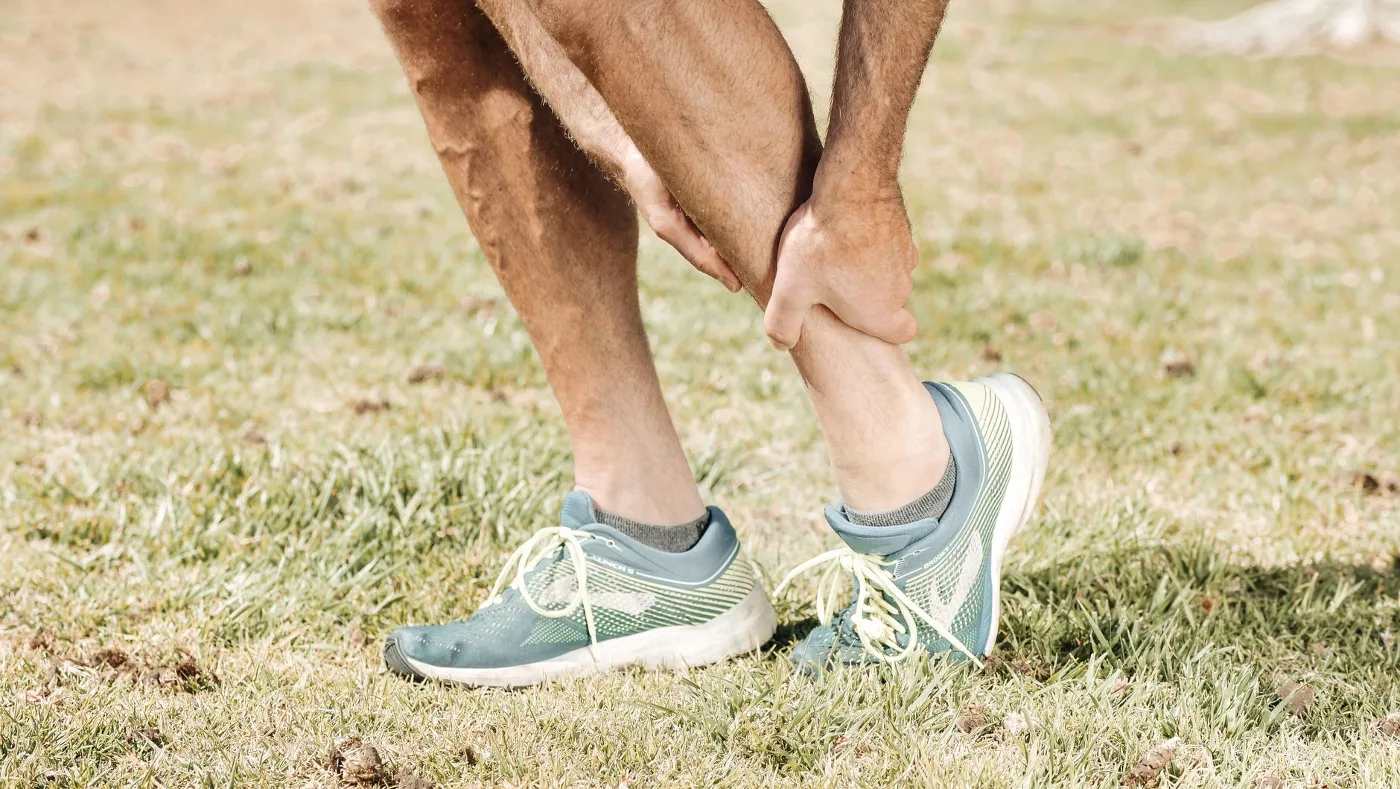
When running shoes with ankle protection make sense
Running shoes with ankle protection are most useful when you want more steadiness around the heel and collar, not because the shoe should fully immobilize the ankle. That distinction matters. Most running shoes do not “protect the ankle” in the same way a brace does. Instead, they may help by improving heel lockdown, adding collar padding, widening the base, or giving the foot a more stable platform. recommended running shoes for high arches offers more detail on this point.
If you are dealing with recurring ankle rolls, recovering from a mild sprain, running on uneven terrain, or simply looking for a more secure feel, the right shoe can help. But if your ankle needs medical-level support, a shoe alone may not be enough. In that case, the better solution may be a brace, taping, rehab work, or a different training plan.
The key is to match the shoe to the reason you want ankle protection. A road runner, a trail runner, and someone returning from injury may all need very different features.
What runners usually mean by ankle protection
This search phrase can point to a few different needs:
- More coverage around the ankle collar for comfort and a secure feel
- Better heel lockdown so the foot does not slip inside the shoe
- Greater lateral stability to reduce wobble on turns or uneven surfaces
- Higher-cut or mid-cut designs for trail use or added protection from debris
- Supportive platforms that help the foot feel less unstable during movement
That last point is easy to miss. A shoe can feel “protective” without actually having a taller collar. Sometimes the most useful support comes from the midsole geometry, outsole grip, and overall fit rather than ankle height alone. guide to cushioning and support offers more detail on this point.
Step-by-step criteria for choosing the right pair
1. Start with the real problem
Before looking at features, decide what you are trying to solve. The wrong fix is common here. Someone with heel slippage does not necessarily need a high-top shoe. Someone who rolls an ankle on trails may need grip and a stable base more than extra padding.
Ask yourself which of these fits best:
- My heel moves up and down inside the shoe
- My ankle feels wobbly on corners or uneven ground
- I want more confidence after a previous sprain
- I need protection from trail debris and rocks
- I want a snugger, more secure fit for everyday runs
Once the problem is clear, the feature list becomes much easier to read.
2. Look at heel lockdown before collar height
Heel lockdown is one of the most practical signs of a secure running shoe. If the heel slips, the foot can shift inside the shoe, which may increase irritation and make the ankle feel less stable. A well-structured heel counter and a lacing system that holds the midfoot can matter more than an extra-high collar.
Common signs of poor lockdown include rubbing at the back of the heel, sliding during descents, and a vague, unstable feel when changing pace. If the shoe does not hold the rearfoot well, the rest of the design has to work harder to compensate.
3. Check the platform, not just the upper
A supportive upper can help with comfort, but the sole unit often has a bigger effect on perceived ankle protection. A wider base may feel more stable underfoot. A firm heel area can reduce side-to-side motion. Some stability shoes guide the foot more predictably than neutral shoes, especially for runners who want extra reassurance on pavement.
That said, more support is not always better. A shoe that feels overly rigid may not suit every runner, and some people prefer a neutral shoe with a stable shape rather than a heavily controlling model.
4. Match the shoe to the surface
Road, treadmill, and trail running create different demands.
- Road running: Look for secure heel hold, moderate cushioning, and a stable landing platform.
- Treadmill running: Comfort and fit matter most; extreme collar height is usually less important.
- Trail running: Outsole traction, toe protection, and a more secure upper often matter more than a tall collar alone.
For trail use, a shoe can feel protective because it resists lateral movement and handles uneven ground better. That can reduce ankle stress indirectly, even if the shoe is not marketed as an ankle-support shoe.
5. Pay attention to fit details that affect stability
Several fit issues can make a shoe feel unstable even if it is technically supportive:
- Too much room in the heel
- Midfoot that is too loose or too tight
- Toe box that forces the foot to slide backward
- Wrong width, especially for runners with narrow heels or wider forefeet
- Lace tension that creates pressure without improving hold
A secure fit should feel planted, not squeezed. The goal is controlled movement, not stiffness.
Features that actually help
Collar padding and shape
A padded collar can improve comfort and reduce rubbing, especially if your ankle sits close to the top edge of the shoe. This is not the same as structural support, but comfort matters because a shoe that irritates the ankle may be more distracting and less secure over time.
Heel counter structure
The heel counter is the stiff section around the back of the shoe. A well-designed heel counter can help hold the rearfoot in place and reduce unwanted movement. Too soft, and the shoe may feel sloppy. Too firm, and it may create pressure for sensitive feet.
Base width and stability geometry
A broader base can create a steadier landing. Some shoes also use sidewalls or shaped midsoles to keep the foot centered. This can be especially helpful for runners who feel their ankles collapse inward or outward during fatigue.
Lacing system
Good lacing can do more than many runners expect. A runner’s knot, sometimes called a heel lock lacing method, can improve rearfoot hold without changing the shoe itself. This is one of the easiest ways to improve ankle-related comfort before replacing footwear.
Traction and outsole design
On trails and slick paths, grip is a major part of ankle confidence. A shoe with better traction may reduce slipping and sudden foot shifts that can irritate the ankle. This is a practical form of protection that is often overlooked because people focus only on collar height.
Common misconceptions
Misconception 1: high-top running shoes are always safer. Not necessarily. A taller upper can add coverage, but it does not automatically prevent ankle injury. A poorly fitting high-top can still feel unstable.
Misconception 2: more cushioning means more protection. Cushioning can improve comfort, but too much softness may make some runners feel less stable. Protection and softness are not the same thing.
Misconception 3: a shoe can replace rehab or bracing. If you have repeated sprains, lingering pain, or instability after injury, a shoe is only one part of the solution.
Examples of the right shoe for different runners
If you run on roads and want a steadier feel
Choose a shoe with a secure heel, moderate cushioning, and a stable platform. A stable neutral shoe or a mild stability shoe may be a better fit than a bulky model with a tall collar.
If you run trails and worry about rolling an ankle
Look for trail shoes with strong traction, a planted feel, and enough upper structure to keep the foot from sliding around. In this case, outsole grip and platform shape may matter more than collar height.
If you are returning after an ankle sprain
A shoe with a secure fit may help you feel more confident, but returning too quickly is the real risk. If a clinician has advised bracing, therapy, or a gradual return, those recommendations should come first. The shoe should support that plan, not replace it.
If your main issue is rubbing or irritation around the ankle
A softer collar, smoother lining, and better sizing can matter more than support features. Sometimes the solution is simply choosing a different cut or width.
What to check before you buy
- Try both shoes on and walk first. Heel slip often shows up before you even run.
- Test the lacing tension. You want a secure midfoot without pressure points.
- Check ankle contact. The collar should not dig into the bone or Achilles area.
- Assess side-to-side stability. Stand, shift your weight, and notice whether the shoe feels planted.
- Match the shoe to the route. Trail needs differ from road needs.
- Leave room for foot swelling. A shoe that feels fine in the store may feel tight later in a run.
Common mistakes to avoid
Choosing height over fit. A higher upper does not help much if the shoe is loose at the heel.
Buying a shoe that feels “locked” but pinches the ankle. Security should not come from pressure points.
Ignoring width. Narrow or overly roomy shoes can both make ankle support feel worse.
Overestimating what the shoe can do. If instability comes from strength deficits, poor mechanics, or an existing injury, footwear is only part of the answer.
Using trail-specific shoes on every surface. Aggressive lugs and stiffer builds can feel awkward on long road runs.
Checklist for comparing options
- Does the heel stay in place when walking and jogging?
- Does the collar feel comfortable, not restrictive?
- Is the base wide enough to feel steady?
- Does the shoe match your running surface?
- Does the lacing system help secure the midfoot?
- Is there enough room in the toe box to avoid sliding?
- Does the outsole traction suit your route?
- Does the shoe feel stable when you turn or corner?
Alternatives if a shoe is not enough
Sometimes running shoes with ankle protection are only part of the answer. Depending on the issue, these alternatives may help:
- Ankle brace: Useful when extra external support is needed during return to running or after repeated sprains
- Taping: A flexible option for some runners, especially in short-term situations
- Physical therapy or strengthening: Helpful when instability comes from weakness or mobility issues
- Different training surfaces: Softer or flatter routes may reduce stress while you rebuild confidence
- Orthotics or inserts: May improve foot position for some runners, depending on the underlying issue
These options are not interchangeable. The right choice depends on whether the problem is pain, instability, fit, terrain, or recovery from injury.
FAQ
Do running shoes really protect the ankle?
They can help with stability, heel hold, and confidence, but they do not function like a medical brace. Their role is support, not immobilization.
Are high-top running shoes better for ankle support?
Not always. A high-top may add coverage, but fit, heel lockdown, traction, and platform stability are often more important.
What is the best shoe type for weak ankles?
Usually a stable, well-fitting running shoe with a secure heel and a steady base. Some runners prefer mild stability models, while others do better in supportive neutral shoes.
Should I use an ankle brace with running shoes?
That depends on your situation. A brace may be appropriate after injury or for recurrent instability, but it is best chosen with medical guidance if the issue is ongoing.
Can trail running shoes help with ankle protection?
Yes, especially when they offer better traction, a stable platform, and a secure upper on uneven ground. That can reduce sudden slips that stress the ankle.
Final take
If you are looking for running shoes with ankle protection, focus less on the height of the collar and more on the parts of the shoe that affect real stability: heel lockdown, base width, traction, and overall fit. For many runners, the best choice is not the tallest shoe but the one that keeps the foot secure without creating pressure or restricting natural movement. best running shoes for stability offers more detail on this point.
That is the practical test: the shoe should make your running feel more controlled, not more complicated. If your ankle problem is serious or recurring, pair the right footwear with the right support strategy instead of expecting one shoe to do everything.