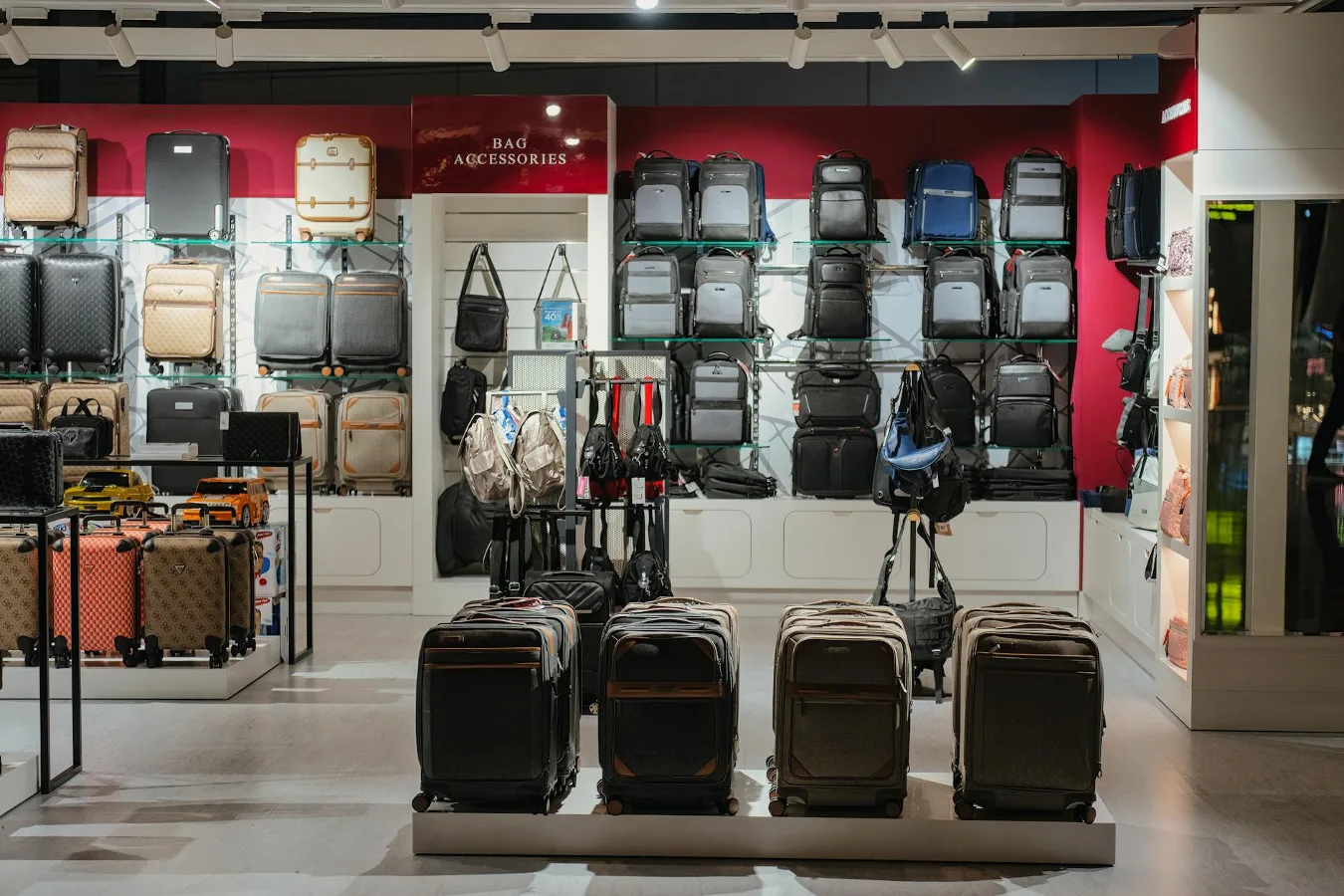
Bric’s carry on luggage tends to appeal to travelers who want more than a plain utility case. The brand is often associated with polished design, thoughtful organization, and materials that feel intentionally chosen rather than purely functional. carry-on vs checked luggage basics offers more detail on this point. Orange Carry-On Luggage Buying Guide offers more detail on this point.
If you are trying to decide whether Bric’s is the right fit, the real question is not just whether it looks good. It is whether the style, dimensions, weight, and internal layout suit the way you travel. For some buyers, that means a refined carry-on for business or short trips. For others, it means paying for design details that may not matter much if you prioritize maximum space or rugged simplicity.
Who Bric’s carry on luggage is best for
Bric’s carry-on pieces usually make the most sense for travelers who care about presentation as much as practicality. That often includes business travelers, style-conscious vacationers, and anyone who prefers a bag that feels elevated without looking overly flashy.
It is also a sensible category to explore if you want luggage that can move easily from airport to hotel to meeting without looking out of place. A clean silhouette and refined materials can matter more than an extra pocket or two for these use cases.
On the other hand, if your trips are rough on luggage, or you need the absolute lightest and most stripped-down option, the brand’s approach may feel less essential. Premium luggage can be a better fit for travelers who value a more finished look and are willing to trade some utilitarian minimalism for that experience.
The first decision: softside or hard-sided
With carry-on luggage, this choice affects more than appearance. It changes how the bag packs, protects contents, handles wear, and fits different travel routines.
Softside carry-on
A softside carry-on is often favored for flexibility. It can be easier to squeeze into tighter overhead spaces, and exterior pockets can make it simpler to access documents, chargers, or small items quickly.
This style also tends to suit travelers who like a more traditional luggage feel. If you carry layered clothing, laptop accessories, or items you may want to reach during transit, softside construction can be especially convenient.
Hard-sided carry-on
Hard-sided luggage usually appeals to travelers who want a cleaner shell and a more protective exterior for packed items. It can help keep structured clothing and breakables better contained, though the exact level of protection depends on the materials and construction.
It is worth remembering that hard-sided bags are not automatically better. The trade-off is often reduced exterior storage and less flexibility when you are trying to make the most of a tight overhead bin. For some trips, that matters more than shell protection.
Material and build details worth paying attention to
Material choice is one of the most important ways to judge Bric’s carry on luggage. A polished finish means little if the shell or fabric does not align with your travel habits.
Shell materials and surface finish
If you are looking at a hard-sided model, pay attention to the shell material and the finish. Some travelers prefer smoother exteriors because they can be easier to wipe down and often look more refined. Others do not mind texture if it helps reduce the visibility of scuffs.
Surface finish matters because carry-on luggage spends a lot of time in contact with overhead bins, conveyor belts, car trunks, and hotel floors. A beautiful case can still be practical, but it is wise to expect normal travel wear rather than a permanently pristine look.
Fabric, trim, and stitching
For softside models, the quality of the fabric, zipper tracks, and stitching deserves close attention. A good travel bag should feel balanced: structured enough to hold its shape, but not so rigid that packing becomes awkward.
Trim and reinforcements are also part of the story. Corners, handles, and wheel housings tend to see the most stress. A well-designed carry-on usually shows thoughtful reinforcement in those areas without feeling bulky.
Weight and packability
Carry-on weight is easy to overlook until you start packing. The bag itself should leave you enough room for clothing, shoes, toiletries, and work essentials without forcing you into constant compromise.
This is one of the biggest practical trade-offs in premium luggage. A more substantial build can improve feel and structure, but it may also reduce how much you can comfortably bring while staying within airline limits. Always compare the empty bag’s weight with your own travel habits, not just the photos.
Size matters more than the product name
Not all carry-ons are equally travel-friendly. A bag can be marketed as cabin-ready and still be a poor fit for a specific airline or route. That is why dimensions matter as much as style.
For US travelers, the key issue is compatibility with common domestic airline carry-on expectations. Even then, overhead-bin space varies by aircraft, and regional flights can be less forgiving than larger mainline planes. The smartest approach is to compare the bag’s measurements with the airlines you use most often.
Also consider how the shape of the bag affects real-world capacity. A tall, narrow carry-on may fit the dimensions on paper but be harder to pack than a slightly wider design. Likewise, a bag with a clean exterior might give up some storage convenience if it lacks expandable sections or front pockets.
Organization: useful, but only if it matches your packing style
One of the hidden strengths of Bric’s carry on luggage is the attention to layout. That can be a real advantage if you like compartments, straps, and tidy separation between clothing, electronics, and travel documents.
Still, more organization is not always better. Some travelers prefer open space because it is easier to pack cubes, jackets, or oddly shaped items. If you tend to overpack, too many internal divisions can actually make the bag feel smaller than it is.
Think about whether you pack like a minimalist or a compartmentalizer. That simple question is often more useful than comparing a long list of pockets you may never use.
Wheels, handles, and everyday handling
Carry-on luggage should move well before it ever looks impressive. A bag that glides easily, steers predictably, and feels balanced in the hand will make a bigger difference than a decorative detail.
Spinner wheels are often preferred for airport navigation because they roll in multiple directions and reduce strain in long terminals. Two-wheel designs, by contrast, can feel steadier on uneven surfaces and may be a better choice if you regularly move between sidewalks, parking lots, and hotel entrances.
Telescoping handles matter too. A handle that feels wobbly or awkward can make the entire bag seem less refined. The best choice is usually the one that feels stable when fully extended and comfortable at your natural walking pace.
Where the brand’s design approach helps most
Bric’s carry on luggage often stands out in situations where appearance and function need to coexist. That includes client-facing business travel, short international trips, and weekend travel where you want one bag to look polished across different settings.
This can be a meaningful advantage for travelers who dislike utilitarian-looking luggage. A more elegant carry-on can feel like part of the outfit rather than just a container for clothing. That is not a necessity, but it is a legitimate preference. best carry-on luggage for frequent travel offers more detail on this point.
At the same time, style should not distract from practical needs. If you need a bag that can handle very rough handling, hold a laptop alongside packed clothing, or fit a tight packing checklist every time, make sure the design supports those priorities before the branding wins you over.
Trade-offs to weigh before buying
Every luggage purchase involves compromise, and Bric’s is no exception. The question is whether the trade-offs match your priorities.
- Style vs. simplicity: A refined design can elevate the bag, but some travelers will prefer a plainer case with fewer visual details.
- Structure vs. flexibility: More structure can help the bag hold its shape, but flexible packing may be easier with a softer build.
- Organization vs. open space: Dividers and pockets can improve order, though they may reduce packing freedom.
- Finish vs. wear tolerance: Premium-looking surfaces can age gracefully, but they are still exposed to everyday travel scuffs.
- Capacity vs. size compliance: A bag that maximizes usable space may still need careful airline-by-airline checking.
These trade-offs are normal. What matters is choosing the version of carry-on luggage that solves the most important problem for you, not the one that looks best in isolation.
Common mistakes shoppers make
One common mistake is focusing on the brand aesthetic and ignoring dimensions. A carry-on that looks ideal online can still feel awkward if it is too bulky for your usual flights or too narrow for the way you pack.
Another mistake is assuming that every premium detail equals better travel performance. Good stitching, attractive hardware, and a polished shell matter, but they do not replace a layout that works for your items or wheels that suit your actual walking conditions.
It is also easy to overestimate how much you need an expandable section. Expansion can be useful, but if you rarely use it, you may be carrying extra bulk that adds little value on most trips.
Alternatives worth considering
If Bric’s carry on luggage feels close to what you want but not quite right, there are several practical directions to explore.
For maximum durability: look at luggage built around rugged materials and straightforward construction. These bags often prioritize resilience and serviceability over polished presentation.
For lighter packing: consider minimalist carry-ons that reduce the weight of the case itself and leave more room for contents.
For business travel: a softside carry-on with an easy-access front pocket may be more useful than a more decorative shell, especially if you travel with a laptop, documents, and chargers.
For weekend trips: an underseat bag or compact spinner may be enough, depending on your packing style and the length of the trip.
The best alternative is not necessarily cheaper. It is the one that aligns more cleanly with how you actually travel.
How to evaluate a Bric’s carry-on before you buy
A careful buyer should look past the photos and check the details that affect daily use.
- Confirm the dimensions against your most common airlines.
- Check the empty weight so the case itself does not consume too much of your packing allowance.
- Decide between softside and hard-sided based on whether you value flexibility or a more protective shell.
- Review the interior layout to see if it matches your packing habits.
- Look at wheel and handle design for smooth movement and comfort.
- Consider surface care if you want a finish that is easy to maintain over time.
That list sounds basic, but it is exactly where good luggage decisions are made. A bag can be visually appealing and still be wrong for your trip pattern. The reverse is also true: a less dramatic design may turn out to be far more useful.
Next steps if you are narrowing it down
If you are serious about Bric’s carry on luggage, start by defining your travel profile. Are you mostly taking short business trips, weekend breaks, or longer journeys where the carry-on is your primary bag? That answer should shape whether you lean toward a structured spinner, a softer cabin bag, or a model with more organizational features.
From there, compare the bag against the three things that matter most: airline compatibility, packing style, and handling comfort. If those three align, the bag is much more likely to feel worth the purchase long after the first trip.
Bric’s is best viewed as a design-conscious luggage choice with practical potential. It can be an excellent fit for the right traveler, but only if the form matches the function you actually need.