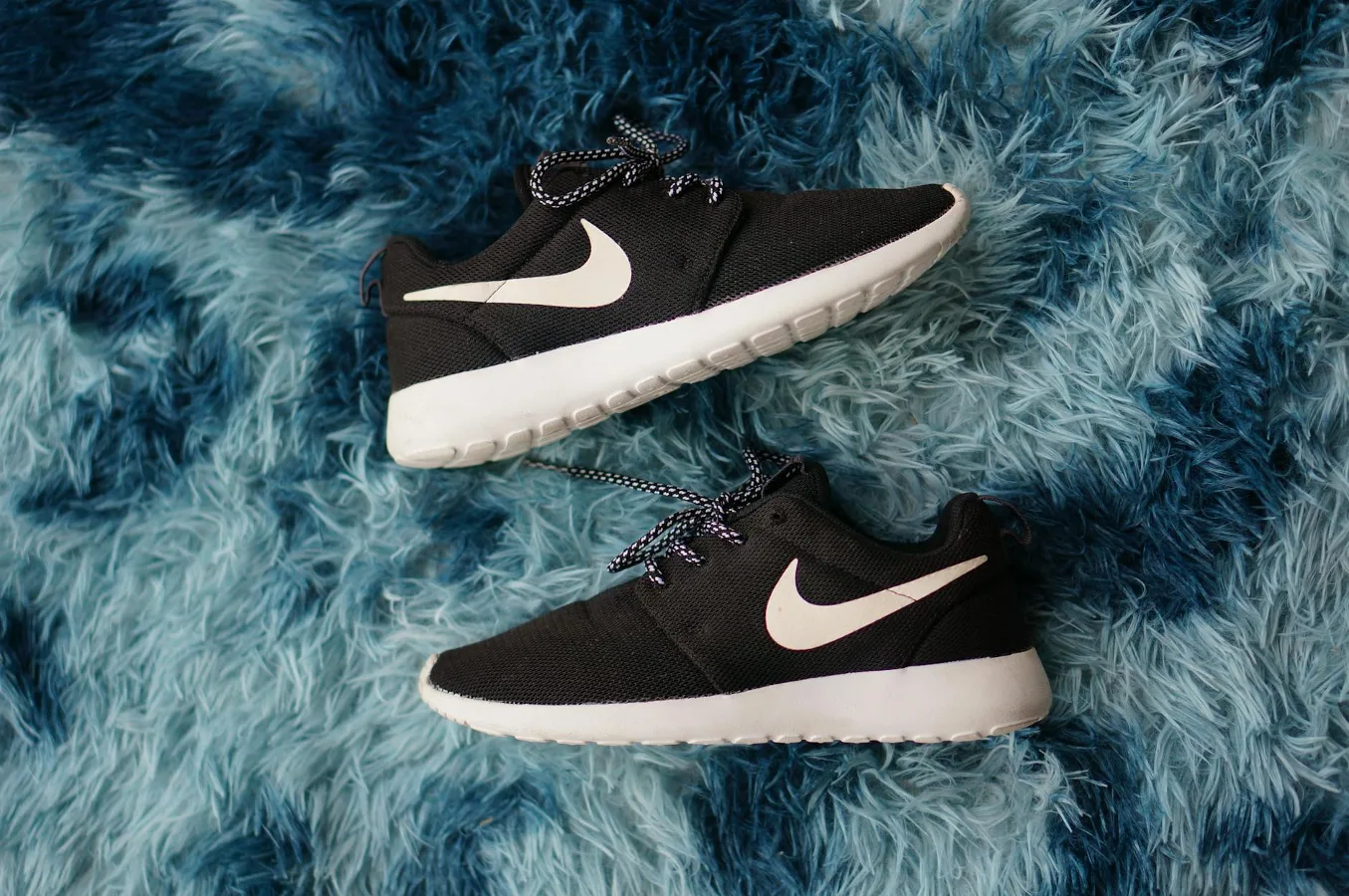
If you run regularly in rain, slush, or damp cold, waterproof running shoes for women can make a real difference. The best pairs keep water out better than standard mesh trainers, while still giving you enough comfort and traction to run without feeling weighed down. winter running gear guide offers more detail on this point. Neutral Running Shoes for Women offers more detail on this point.
That said, waterproof does not automatically mean better for every runner. These shoes are most useful when wet conditions are frequent, temperatures are cool, or you need a shoe that can handle a wet walk, commute, and workout in one pair. If your runs are mostly warm and dry, a breathable non-waterproof shoe may be the smarter choice.
What to look for first
The first decision is whether you actually need a waterproof shoe or simply a water-resistant one. That difference matters more than most shoppers realize. Waterproof shoes are built to block water more aggressively, often through a membrane or bootie-style construction. Water-resistant shoes can handle light moisture, brief drizzle, or splashes, but they are not designed to keep feet dry in steady rain or puddles.
For women’s running shoes, the fit should still come before the weather claim. A waterproof upper can feel stiffer than a standard knit or mesh upper, so it is worth paying attention to toe room, heel security, and whether the shoe comes in widths that suit your foot shape. If the fit is off, the weather protection will not make up for it.
Why waterproof shoes feel different
Most waterproof running shoes use a membrane or liner that helps block external moisture. That construction can also reduce airflow. The practical result is a trade-off: your feet are more protected from rain, but they may run warmer and hold more heat during longer efforts. Some runners like that in cold weather. Others notice it quickly on mild days.
This is one reason waterproof running shoes are usually best viewed as a condition-specific option rather than an everyday default. If you run in humid climates, during summer, or on long road runs where breathability matters, the extra protection may not be worth the reduced ventilation.
How to compare women’s waterproof running shoes
Shopping for wet-weather shoes is less about chasing a single feature and more about balancing several practical factors. The right choice depends on where you run, how often the weather turns, and what kind of support your body prefers.
| Factor | Why it matters | What to watch for |
|---|---|---|
| Water protection | Determines how well the shoe handles rain, puddles, and slush | Look for waterproof construction if wet conditions are frequent, not just occasional |
| Breathability | Helps prevent hot, sweaty feet on longer runs | Warmer, less ventilated shoes can feel uncomfortable in mild weather |
| Fit | Affects comfort, stability, and blister risk | Check toe space, heel hold, and width options |
| Traction | Improves confidence on wet pavement or slick surfaces | Outsole rubber and tread pattern matter as much as the upper |
| Weight and flexibility | Influences how natural the shoe feels during the stride | Overbuilt waterproof models can feel less nimble |
| Use case | Helps match the shoe to road, trail, or commuting needs | Choose differently for urban rain than for muddy paths |
One overlooked consideration is the outsole, not just the upper. A waterproof membrane may keep water out, but if the outsole lacks reliable grip on wet pavement or packed dirt, the shoe still may not feel secure. Traction becomes especially important for runners who encounter painted crosswalks, leaf-covered sidewalks, or muddy trail sections.
Road running, trail running, and everyday use
Waterproof running shoes are not all built for the same environment. A road-oriented model is usually smoother underfoot and better suited to pavement, sidewalks, and treadmill-to-outdoor transitions. A trail version typically has a more aggressive outsole and may perform better on mud, gravel, and uneven ground.
If you mostly run in the city, a lighter waterproof road shoe may be the better fit. If your routes include park paths, soft ground, or winter trail conditions, a trail model with weather protection often makes more sense. For commuters and casual wearers, the best option may be the pair that feels comfortable enough to run in but polished enough to wear off the route.
Common mistakes to avoid
Many shoppers focus only on the word “waterproof” and ignore the practical details that affect daily use. That usually leads to disappointment.
- Buying for rare rain instead of regular conditions. If wet weather is occasional, a breathable shoe plus a good pair of socks may be more comfortable overall.
- Ignoring ventilation. A shoe that blocks rain well can still trap heat and moisture from sweat.
- Choosing the wrong category. A trail shoe is not always ideal for road running, and a road shoe may not have enough grip for muddy routes.
- Overlooking fit changes. Some waterproof uppers feel less forgiving, so trying the same size you wear in a standard trainer may not always produce the best fit.
- Assuming waterproof means slip-proof. Wet traction depends on the outsole design, not just the upper material.
- Skipping break-in time. A stiffer weatherproof upper may need a few short outings before it feels natural.
A common misconception is that waterproof shoes are automatically the best choice for winter. That is only partly true. In very cold, wet, or slushy conditions, they can be helpful. But in dry cold, a highly breathable shoe with warm socks may feel better than a sealed-up pair that traps sweat.
When waterproof is worth it
These shoes make the most sense if you regularly run in steady rain, deal with wet grass or splashes, or want one pair that can handle both exercise and commuting. They can also be useful in shoulder seasons, when mornings are damp and temperatures are low enough that a little extra insulation feels welcome.
They are less compelling if you live in a hot climate, run long distances in humid conditions, or prefer the lightest, most airy ride possible. In those cases, a standard running shoe may offer better day-to-day comfort even if it lets in moisture more easily.
There is also a practical middle ground: water-resistant running shoes. These can be a smart alternative for runners who want some weather protection without the full trade-off in breathability. They are especially worth considering if you only need light protection and do not want to give up the softer feel of a traditional mesh upper.
Materials and comfort details that matter
The upper material affects more than water resistance. It also influences how the shoe feels around the forefoot, how well it stretches, and how quickly it dries after exposure. Some waterproof shoes use a smoother synthetic finish; others rely on layered construction to block moisture. Either way, the goal is to keep the foot shielded without making the shoe feel bulky.
Comfort also depends on the inside of the shoe. A well-padded collar, a secure heel cup, and enough room in the toe box can make a weatherproof shoe feel much more wearable on longer runs. If your feet swell during exercise, or if you wear thicker socks in cold weather, it is smart to account for that extra volume when comparing sizes.
Another practical detail is drying time. Waterproof shoes can slow down moisture transfer, which means water that enters from the top, ankle, or tongue area may take longer to escape. That makes care and storage important. Let them dry naturally, avoid direct heat, and do not pack them away while still damp.
Alternatives to consider
If you are not sure waterproof shoes are the right call, consider these options:
- Water-resistant running shoes: a better match for light rain and mild conditions.
- Trail shoes with good drainage: useful if your routes are often muddy and you expect water to get in rather than stay out.
- Standard running shoes plus weather-ready socks: a flexible choice for runners who only occasionally face wet weather.
- Dedicated winter running shoes: better for cold, icy, or mixed conditions where traction and warmth matter as much as water protection.
These alternatives are worth weighing because waterproof shoes are not always the most comfortable or versatile option. The best choice depends on how often the weather is truly bad, not just how often it looks cloudy at the start of a run.
How to decide with confidence
If your runs are mostly dry, you probably do not need a waterproof shoe. If you regularly run through rain, slush, or wet commutes, the extra protection can be worth the trade-off in breathability. For many women, the best purchase is the pair that fits cleanly, grips well on wet surfaces, and matches the climate you actually run in.
That is the simplest way to narrow the field: start with your weather, then check fit, traction, and comfort. Waterproof running shoes for women are a strong category when conditions demand them, but they work best when chosen for the right reason, not just the label on the box. best running shoes for rainy weather offers more detail on this point.