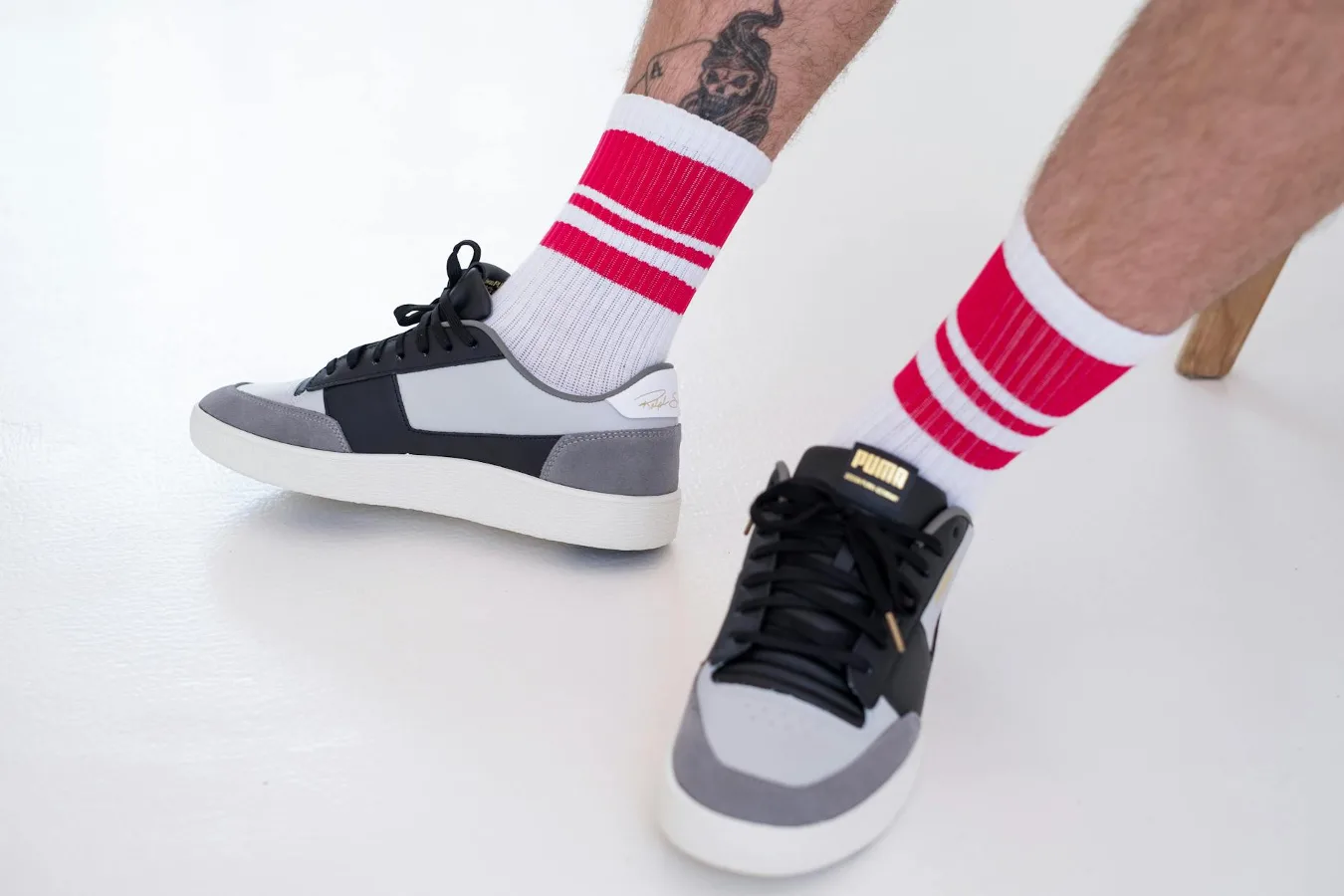
The quick answer on Puma sneakers
Puma sneakers are best viewed as a broad category rather than a single type of shoe. Some are built for casual wear and styling, while others lean into sport-inspired comfort, lighter construction, or more structured support. If you are shopping for a pair, the right choice usually comes down to three things: how you plan to wear them, how they fit your foot shape, and whether you value style, comfort, or durability most. prada sneakers offers more detail on this point. Best Men’s Sneakers: How to Choose offers more detail on this point.
For everyday use, many shoppers gravitate toward Puma’s classic low-profile sneakers because they work with jeans, joggers, shorts, and casual trousers without much effort. If you want something for longer walks or more active days, pay closer attention to cushioning, outsole grip, and upper materials. The brand’s strength is variety, but that also means the best pair for you may not be the most obvious one at first glance.
That’s the real advantage of Puma sneakers: they can function as fashion shoes, daily wear shoes, or light performance shoes depending on the model. The challenge is avoiding the assumption that every Puma sneaker will feel or behave the same.
What separates one Puma sneaker from another
Many people shop Puma by color or silhouette first, but the details matter more than the logo. The upper material, sole shape, padding, and overall profile can change how the shoe feels within minutes of wearing it. A sleek suede pair will usually present a different experience from a mesh-forward sneaker or a leather-based court style.
Material affects breathability, structure, and care. Suede often looks refined and pairs well with casual outfits, but it usually asks for more careful maintenance and is less forgiving in wet conditions. Leather can offer a cleaner, more structured look and is often easier to wipe down, though it may feel less breathable than textile options. Mesh and knit-style uppers generally improve airflow and can feel more relaxed on warm days, but they may not provide the same visual polish.
Fit is just as important. Puma sneakers are often chosen for their streamlined look, but a slim silhouette is not automatically the best option for wide feet or high insteps. A shoe can look perfect online and still feel too narrow, too shallow, or too stiff once laced up. That is why reading the shape of the shoe matters as much as reading the size label.
Outsole and midsole design influence how the shoe behaves underfoot. A flatter sole may feel stable and easy to style, while a more cushioned platform can feel better for long standing sessions or city walking. If you are buying for daily wear, do not ignore the feel of the midsole simply because the upper looks good.
How to compare Puma sneakers for real-world use
Instead of asking which Puma sneaker is “best,” it is more useful to ask which one matches your routine. A pair that looks right for weekends may be a poor choice for commuting, and a sporty pair designed for movement may look too technical for office-casual outfits.
For everyday casual wear
If you want one pair that works with most outfits, look for clean lines, moderate cushioning, and a versatile colorway. White, black, beige, gray, and muted tonal combinations are easier to style across seasons. A low-top silhouette often feels the most adaptable because it avoids visual bulk and pairs naturally with jeans or chinos.
Casual wear also tends to reward comfort in a different way than athletic wear. You may not need aggressive support features, but you will notice pressure points, heel slip, or a stiff forefoot if the shoe shape does not suit your foot. In other words, “simple” shoes still need to fit properly.
For walking and long days on your feet
If you expect to be standing or walking for extended periods, prioritize cushioning consistency, a secure heel, and a sole that feels stable rather than overly soft. A sneaker can feel comfortable in a mirror test and still become tiring after a full day if the support is uneven.
Breathability also matters more than many shoppers realize. A sneaker that looks excellent in a cool indoor setting may feel warmer than expected outdoors or during long commutes. Mesh panels, perforations, and lighter textile uppers can help, but they are not the only factor. The overall build should match the season and your environment.
For style-first wardrobes
Puma has a strong heritage in retro-inspired sneakers, so if your goal is outfit flexibility, you may want to focus on shape and finish before performance features. Court-inspired lines, classic runners, and suede-heavy designs can all offer a polished look without feeling formal.
The trade-off is that style-forward sneakers sometimes prioritize appearance over all-day function. A shoe that photographs beautifully may not have the most forgiving fit, the deepest cushioning, or the easiest cleaning routine. That does not make it a bad choice; it just means you should know what you are giving up.
Fit, sizing, and the mistakes shoppers make
The most common mistake with Puma sneakers is treating the brand as if every model fits the same. That leads to returns, frustration, and shoes that sit unworn in the closet. Different shapes within the line can suit different feet, especially when comparing narrow-looking fashion sneakers with more relaxed casual or sport-inspired options.
Do not buy only for appearance. A sneaker that looks sleek may taper more sharply through the toe box. If you have wider feet, prefer thicker socks, or like room to spread your toes, that shape can matter more than the size number itself.
Do not assume break-in will solve a bad fit. Some materials soften over time, but a shoe that pinches, rubs, or collapses in the wrong place usually stays annoying. Break-in can improve comfort; it rarely fixes the wrong last, wrong width, or wrong arch feel.
Do not ignore sock thickness. The same sneaker can feel fine with thin socks and cramped with everyday cotton crews. If you usually wear a specific sock type, match your fitting expectations to that setup.
Do not overlook the heel and ankle area. A secure heel often matters more than extra softness elsewhere. If your foot slides around, the shoe may feel unstable, and that can create friction even when the length seems correct.
Do not confuse lightweight with comfortable. A very light sneaker can feel easy in hand but still offer limited structure. For some people, a bit more substance underfoot feels better across a full day.
Materials and maintenance: what affects long-term value
Puma sneakers can look quite different depending on the material mix, and that has practical consequences. Suede needs more attentive care and tends to show water spots, scuffs, and dust more easily. Leather usually offers a cleaner wipe-down routine, though it may crease and feel less breathable. Textile and mesh pairs are often more forgiving in warm weather, but they can show dirt faster and may need more frequent cleaning.
If you want the pair to hold up visually, think beyond the first week of wear. A sneaker that matches your climate and habits will usually age better than a beautiful shoe that requires constant maintenance you will not actually do.
Practical maintenance tip: choose a finish you are willing to clean regularly. Light-colored uppers look fresh, but they also show wear more quickly. Darker tones and textured materials can be more forgiving, especially for daily use.
Long-term value also depends on whether the shoe will rotate with other pairs. If a Puma sneaker is your only everyday shoe, durability and versatility matter more. If it is part of a larger rotation, you can afford to prioritize style or specific-use comfort a little more heavily.
How Puma sneakers compare with other casual shoe choices
Compared with many generic fashion sneakers, Puma often offers a stronger balance of sporty heritage and streetwear appeal. That makes the brand appealing if you want a shoe that feels casual without looking plain. The downside is that some silhouettes can lean more fashion-oriented than function-first, so buyers seeking maximum support may want to compare them against walking shoes or dedicated training sneakers. lifestyle sneakers compared offers more detail on this point.
Compared with bulkier athletic shoes, Puma sneakers often feel more streamlined and easier to style. That can be a major advantage if you want something that works in both relaxed and slightly dressed-up settings. The trade-off is that the most streamlined models may not deliver the same level of cushioning or technical support as a purpose-built performance shoe.
Compared with minimalist canvas sneakers, Puma styles usually bring more structure and a more substantial sole. That can help with comfort and polish, though it may also mean a heavier visual footprint. If you prefer a barely-there feel, some Puma models may seem more substantial than expected.
Who Puma sneakers suit best
Puma sneakers tend to suit shoppers who want an easy-to-wear shoe with a sporty edge. They are especially appealing if you like the look of retro silhouettes, low-profile court shoes, or modern casual sneakers that do not feel overly technical. They also make sense if you want a shoe that can move between errands, casual work settings, and weekend wear.
They may be less ideal if you need a single pair for intensive walking, demanding all-day support, or unusually wide fit requirements. That does not rule them out, but it does mean you should be selective about the model rather than relying on brand recognition alone.
If your priority is fashion flexibility, Puma can be a strong option. If your priority is performance first, it is worth comparing the specific shoe against alternatives in walking, running, or training categories before deciding.
Smart ways to shop Puma sneakers without overbuying
A useful approach is to start with the occasion, not the shoe wall. Ask whether you need a daily casual sneaker, a clean outfit anchor, a walking-friendly pair, or a more trend-driven style. That narrows the field quickly and reduces the chance of picking a pair that looks good but stays unworn.
It also helps to think in outfits. If you already wear mostly denim, joggers, or relaxed tailoring, a streamlined Puma sneaker may fit naturally into your wardrobe. If your clothing leans technical or outdoorsy, you may want a more performance-influenced silhouette. And if your wardrobe is mostly formal-casual, a cleaner leather or court-inspired model may be easier to integrate than a heavily textured runner.
A practical way to compare pairs:
- Choose the use case first: everyday wear, walking, styling, or mixed use.
- Check the upper material for breathability and care requirements.
- Look at toe-box shape and heel structure, not just the size tag.
- Decide whether you want a subtle sneaker or a more visible statement piece.
- Think about how often you are willing to clean and maintain it.
That small checklist usually reveals more than a product photo ever will.
What to avoid if you want the best Puma sneaker for you
Some shopping errors show up again and again. One is choosing the most popular silhouette without considering your foot shape. Another is buying a sneaker because it works with one outfit, even though it clashes with the rest of your wardrobe. A third is overvaluing trend appeal and undervaluing comfort, only to discover that the pair is awkward after a few hours.
Another overlooked issue is climate. A suede-heavy sneaker may be great in dry weather but frustrating in rain or slush. Likewise, a highly ventilated mesh sneaker may feel too open if you want something for cooler months. Matching the shoe to your environment is one of the simplest ways to avoid disappointment.
Finally, do not ignore the role of rotation. If you wear the same pair every day, even a good sneaker will show wear faster. Having more than one dependable pair can extend the life of each and make your wardrobe more adaptable.
Puma sneakers work best when chosen with a clear purpose. Once you define whether you want style, comfort, or versatility, the brand’s range becomes much easier to navigate—and much more satisfying to wear.