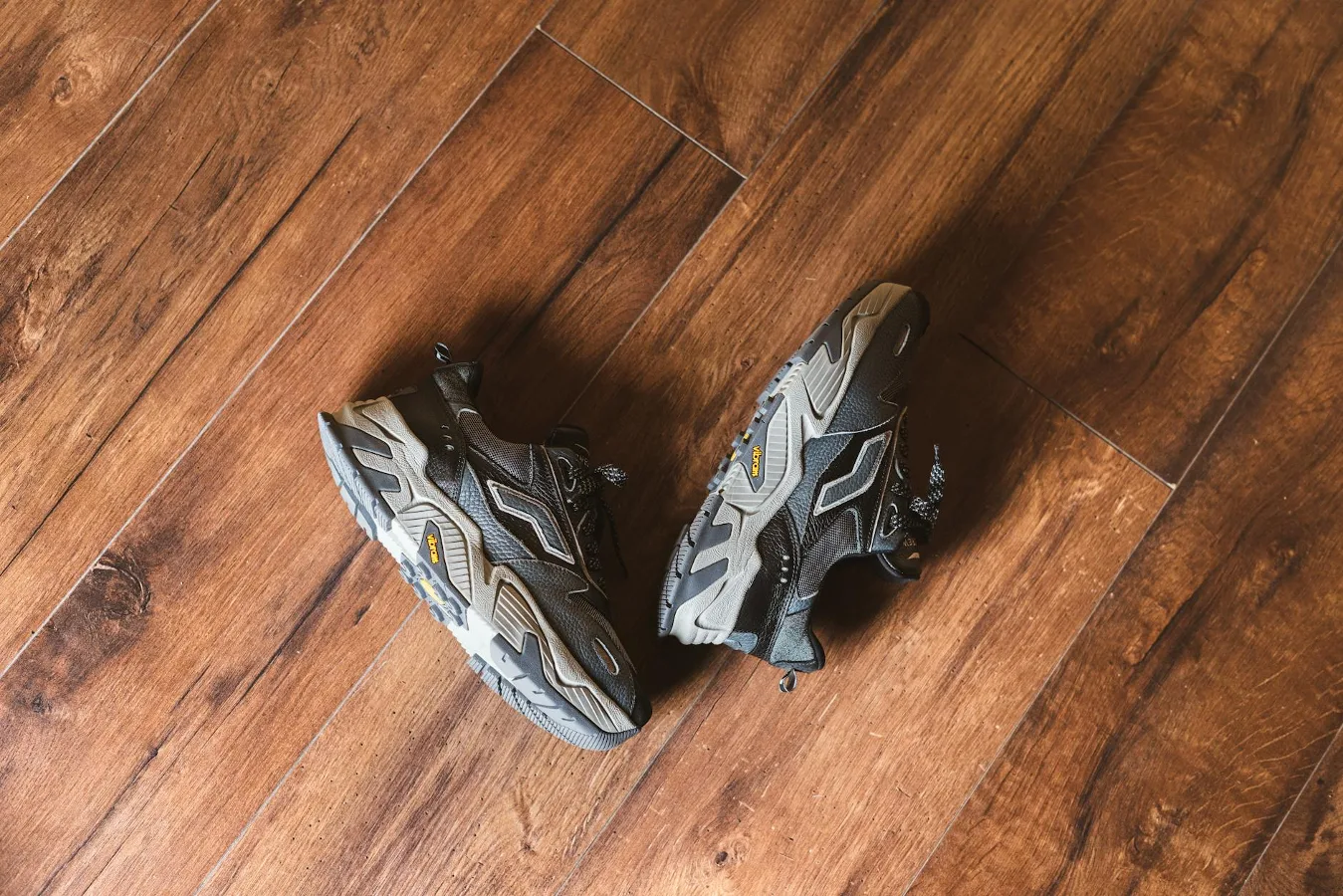
Prada sneakers appeal to shoppers who want a designer shoe that can move between casual outfits, polished streetwear, and smarter everyday looks. The right pair depends less on the logo and more on the details: shape, materials, fit, weight, and how often you expect to wear them. designer sneaker fit guide offers more detail on this point. mens sneakers offers more detail on this point. chanel sneakers offers more detail on this point.
If you are comparing Prada sneakers for the first time, the smartest approach is to choose by use case. Some styles lean clean and minimal, others are more statement-driven, and a few are built around recognizable Prada heritage design cues. That matters because a sneaker that looks right in photos may feel very different once you consider comfort, outfit range, and maintenance.
Quick answer: what to know before buying
The best Prada sneakers are the ones that match your wardrobe, your foot shape, and your expectations for wear. If you want a versatile option, look for a low-profile style in a neutral color and a material you are willing to care for regularly. If you want a bolder fashion statement, thicker soles, mixed materials, and more noticeable branding will usually fit that goal better.
The most common mistake is treating all designer sneakers as interchangeable. Prada offers different silhouettes for different purposes, and the right choice for daily wear is not always the right choice for occasional styling. Comfort, upkeep, and how easily the shoe works with your clothes should carry as much weight as the design itself.
How Prada sneakers compare across the main choices
Most buyers narrow their decision by style rather than by one single feature. That is usually the right move. Start with the silhouette, then look at materials and the level of visual presence you want.
Low-profile vs statement sneakers
Low-profile Prada sneakers are usually the easiest to integrate into a wardrobe. They tend to work with denim, tailored trousers, relaxed suiting, and simple tees without dominating the outfit. If you want a pair that can feel understated in a luxury way, this is often the safest lane.
Statement sneakers, including chunkier silhouettes, are more fashion-forward and can make an outfit feel intentionally styled. The trade-off is flexibility. They are often strongest with wider pants, modern streetwear, and layered casual looks, but less effortless with refined basics.
Leather, mesh, and mixed-material designs
Leather options usually bring a cleaner finish and are often easier to style for elevated casual outfits. They can also hold their shape well, which helps a shoe keep a sharper profile over time. The downside is that leather generally asks for more care, especially in light colors.
Mesh and mixed-material sneakers can feel lighter visually and may suit warmer weather or more athletic-inspired styling. The trade-off is that they often require more attention to cleanliness and can look worn faster if they are used heavily in rough conditions. If you are buying mainly for polish, a sleek leather pair is often the more practical long-term choice.
Branding and design cues
Some buyers prefer a subtle logo and clean lines, while others want a sneaker with strong brand identity. Prada makes both kinds of choices across its sneaker range. The practical question is whether you want the shoe to act as a quiet neutral or as the focus of the outfit. That answer should guide everything from color to sole shape.
Fit, comfort, and real-world wear
With Prada sneakers, fit should never be an afterthought. Luxury footwear can vary by silhouette, and a shoe that looks sleek may fit differently from what you expect. If you have a narrow or wide foot, a high instep, or you usually need extra room in the toe box, read product details carefully and consider how the shape may work on your foot.
Comfort also depends on intended use. A sneaker that feels fine for dinner, errands, and travel days may not be ideal for long walks on hard pavement. Thin, fashion-forward soles usually prioritize appearance, while more substantial constructions may feel better for all-day wear. That does not make one better than the other; it just means the use case should drive the choice.
An overlooked consideration is sock choice. Some designer sneakers feel dramatically different with no-show socks versus thicker cotton socks, and that can affect both fit and heel security. If you are between sizes or have sensitive feet, the sock thickness you plan to wear most often should be part of the decision.
What to look at before you choose a pair
Rather than focusing only on the name, use a short checklist to compare options more objectively.
- Silhouette: low-top, high-top, or chunky, depending on how much visual presence you want.
- Material: leather, mesh, suede, or mixed materials based on care tolerance and styling needs.
- Color: neutral shades usually offer the broadest wardrobe range, while accent colors work better if the rest of your wardrobe is simple.
- Outsole profile: slimmer soles feel more refined; thicker soles feel more fashion-forward and can change the proportions of an outfit.
- Wear frequency: a sneaker you plan to wear often should be easier to maintain than one reserved for occasional outfits.
- Outfit compatibility: think about denim, trousers, shorts, and tailoring before buying.
One practical nuance: the most beautiful pair is not always the easiest pair to keep looking new. If you tend to wear sneakers frequently, lighter materials and pale colorways may demand more upkeep than you expect.
Common mistakes to avoid
Buying only for the logo. Prada sneakers are fashion items, but the logo alone will not make them a good purchase. If the shape does not suit your wardrobe or the fit does not suit your foot, the shoe will sit in the closet.
Ignoring proportions. Some sneaker silhouettes need roomier pants or more structured outfits to look balanced. A very slim pant can make a chunky sole feel awkward, while a wide leg can overwhelm a minimal sneaker.
Underestimating maintenance. Light leather, mesh panels, and textured finishes can require more regular cleaning than buyers expect. If you want a low-maintenance luxury sneaker, choose materials and colors accordingly.
Assuming one pair does everything. A clean, minimal Prada sneaker may be better for travel and everyday styling, while a more expressive model may be the better choice for fashion-led outfits. Trying to force one sneaker to do both often leads to disappointment.
Skipping wardrobe context. If your closet is mostly relaxed tailoring, polished basics, and neutral outerwear, a streamlined sneaker usually makes more sense than an overtly athletic silhouette. If your wardrobe is already streetwear-heavy, the opposite may be true.
Best ways to think about value
With designer sneakers, value is not just about materials or prestige. It is about how often you will reach for the pair and how well it fits the way you dress. A sneaker that works with most of your wardrobe and stays in regular rotation is usually the stronger value than a more dramatic style worn only a few times a year.
Consider the long-term picture as well. Neutral colors, durable finishes, and shapes that do not feel tied to a short-lived trend tend to age better in a wardrobe. That does not mean trend-driven styles are a bad choice, but they should usually be treated as more specific fashion purchases than everyday staples.
If you are deciding between two Prada sneakers, ask which one solves a broader wardrobe problem. The better buy is usually the pair that fills the most styling gaps with the fewest compromises.
Alternatives worth considering
Not every shopper needs a Prada sneaker to meet their needs. If your main goal is a polished everyday shoe, a minimalist leather sneaker from a different luxury or premium brand may give you a more understated look. If your priority is comfort and easy daily wear, you may be better served by a performance-informed sneaker with cleaner styling. If your goal is to own a standout fashion piece, then a more distinctive Prada silhouette makes sense.
A useful way to compare options is to ask whether you are buying for fashion impact, wardrobe flexibility, or all-day practicality. Few sneakers lead in all three categories at once, and recognizing that trade-off can prevent regret later.
How to style Prada sneakers without overthinking it
Prada sneakers are easiest to wear when the rest of the outfit keeps the balance. A clean pair can work with straight-leg jeans, cropped trousers, a crisp overshirt, or relaxed tailoring. A more visible pair usually looks best when the clothing is simpler and the proportions are intentional.
For a refined look, keep the palette restrained. Black, white, gray, navy, and beige usually let the sneaker feel expensive without shouting. For a more fashion-forward outfit, let the sneaker be the strongest visual element and avoid piling on other statement pieces.
A common misconception is that designer sneakers must be worn in a dressed-up way to make sense. In practice, they often look best when they are treated as elevated casual shoes rather than special-occasion items. That is especially true for everyday city wear.
Care and maintenance realities
Luxury sneakers tend to reward regular care. Wiping down uppers after wear, using the right cleaning method for the material, and storing them away from direct moisture can help preserve their appearance. For leather pairs, condition-specific care matters; for mesh or textile styles, gentle cleaning and quick attention to stains are often more important than deep cleaning.
It also helps to think about storage before you buy. If you rotate your shoes frequently, keeping the original shape and reducing scuffs becomes easier. If you wear the same pair repeatedly, expect more visible aging, especially on lighter colors and softer materials.
For many buyers, the overlooked cost is not just the purchase itself but the effort required to keep the shoes looking intentional. If you prefer low-maintenance footwear, choose with that constraint in mind.
What matters most if you are buying for the first time
If this is your first Prada sneaker purchase, start with a pair that is easy to wear immediately. Neutral color, balanced proportions, and a silhouette that works with most of your wardrobe are usually the safest entry point. Once you know how often you actually reach for them, you can decide whether a more expressive second pair makes sense.
That approach is usually better than chasing the most recognizable style first. A versatile shoe teaches you more about what you like, what fits, and what you are willing to maintain. From there, a more directional purchase becomes much easier to justify.
For most shoppers, the best Prada sneakers are the ones that look right from multiple angles: style, comfort, and repeat wear. If a pair checks only one of those boxes, it may be better as an occasional fashion piece than as a true wardrobe staple.