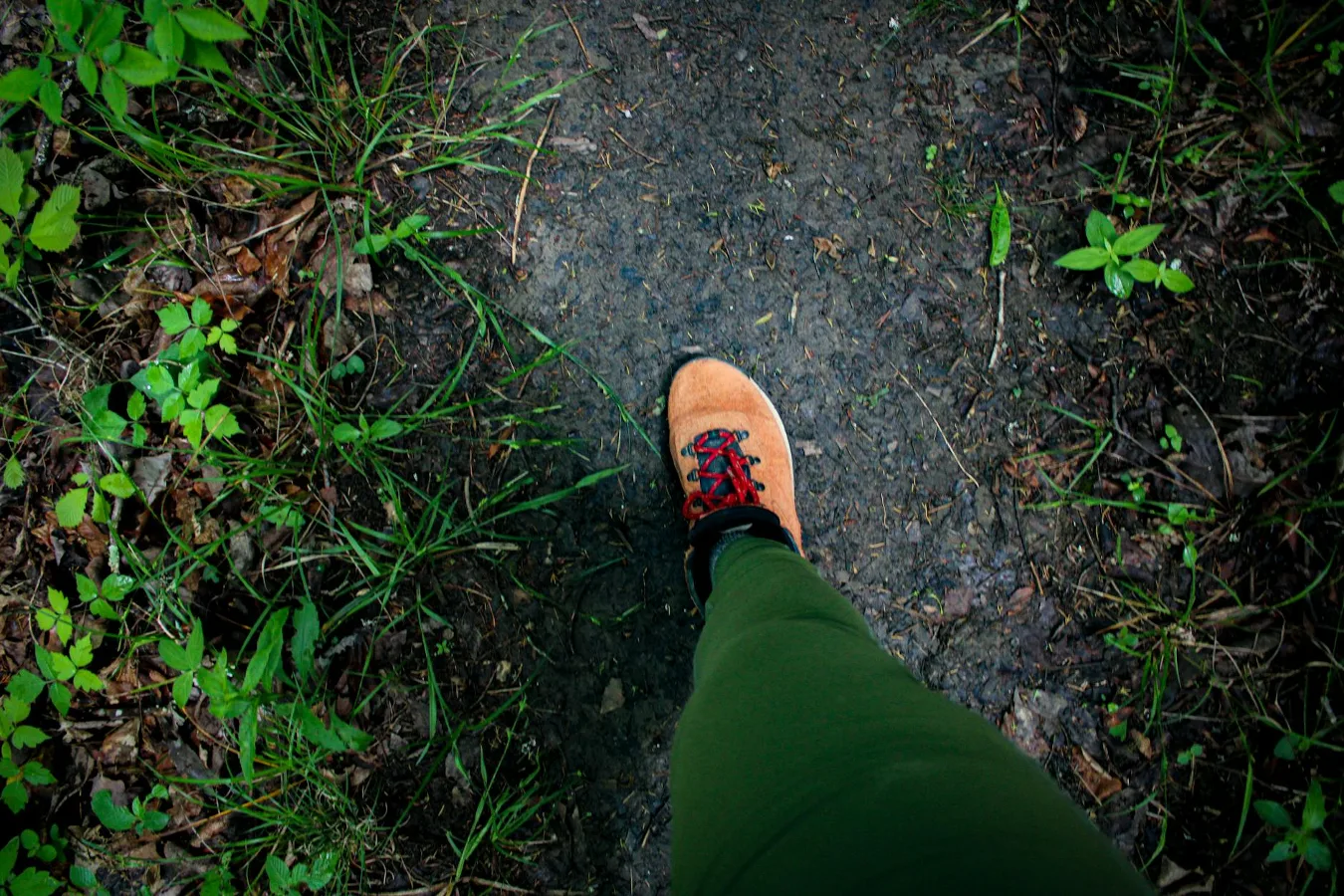
If you’re searching for Merrell hiking boots, the practical question is not just which model looks best. It’s which one matches your trails, your foot shape, and how much support you actually need. Hiking Boots for Hiking: How to Choose offers more detail on this point.
Merrell’s lineup tends to appeal to hikers who want a comfortable fit, approachable break-in, and enough versatility for everything from local day hikes to travel and casual outdoor use. That broad appeal is also why the category can feel crowded. The right choice depends on whether you value waterproofing, lighter weight, ankle coverage, or a roomier feel more than maximum stiffness or heavy-duty protection.
When Merrell hiking boots make sense
Merrell hiking boots are worth considering if you want a trail-ready shoe that often feels easier to wear than a bulky mountaineering boot. They are commonly a good fit for: women’s hiking boot fit guide offers more detail on this point.
- Day hikers who want comfort without a long break-in period
- Casual hikers who split time between trails, travel, and everyday wear
- People who prefer a more flexible boot than traditional stiff leather models
- Buyers who want a wide range of styles, from low-cut hikers to mid-height boots
- Shoppers comparing waterproof and non-waterproof versions for changing weather
They may be less suitable if you need a very rigid boot for heavy pack loads, technical alpine terrain, or specialized mountaineering conditions. In those cases, a more structured boot from a different category may be the better match.
Step 1: Start with the terrain, not the logo
The most common mistake is choosing a Merrell model because it is popular, then discovering it is the wrong tool for the trails you actually walk. Terrain should lead the decision.
For maintained day trails
If you mostly hike on groomed paths, packed dirt, and moderate inclines, a lighter Merrell hiking boot or hiking shoe may be enough. You may not need the extra bulk of a tall, heavily reinforced boot. In many cases, comfort and flexibility matter more than maximum protection.
For rocky or uneven trails
Rocky terrain puts more emphasis on underfoot protection, outsole grip, and midsole stability. Look for a Merrell boot that feels planted when you stand on sloped or irregular surfaces. A more structured mid-cut design can help some hikers feel steadier, especially when they prefer ankle coverage.
For wet or muddy conditions
If your routes regularly include damp ground, stream crossings, or wet brush, waterproofing becomes a key decision point. Waterproof boots can improve confidence in soggy conditions, but they also tend to trap more heat and dry more slowly after they do get wet inside. For dry climates, a non-waterproof option may breathe better and feel more comfortable over long miles.
Step 2: Match the boot style to how you hike
Merrell’s hiking footwear lineup is broad enough that the word “boots” can mean different things to different shoppers. Narrow your choice by use case.
Light hikers and travel wear
Some Merrell boots are built for lighter loads and everyday versatility. These are often the easiest to live with if you want one pair that can move from trail to city pavement without feeling overly specialized. The trade-off is that lighter designs may offer less protection and less support under a heavier pack.
Weekend hiking and moderate trails
This is where many Merrell hiking boots are most compelling. A balanced model can offer a combination of cushioning, traction, and moderate support without feeling overly technical. For many buyers, this is the sweet spot.
Backpacking and longer outings
If you carry a pack for extended distances, think carefully before choosing the most flexible option. A softer boot may feel comfortable at first but become less supportive over time. For longer hikes, look for better structure, a secure heel hold, and enough stability to reduce foot fatigue on uneven ground.
Step 3: Decide how much support you really need
Support is often misunderstood. More support is not automatically better. The right amount depends on your body, your pack weight, and how your feet handle terrain.
- Higher support can help if you want more stability, carry more weight, or prefer a firmer feel underfoot.
- Moderate support works well for many day hikers and mixed-use buyers.
- Lower support may feel better if you value flexibility, speed, and a more natural walking motion.
A common misconception is that ankle-height boots always prevent sprains. In reality, fit, terrain awareness, and footing matter just as much. A secure, well-fitted boot is more useful than a tall boot that slips, rubs, or causes fatigue.
Step 4: Check the fit details that matter most
Fit is the part that can make a Merrell boot feel excellent or disappointing. Even within the same brand, different silhouettes can fit differently.
Toe room
You want enough room to avoid toe bang on descents, but not so much space that your foot slides forward. A snug heel with a comfortable forefoot is usually a better sign than a boot that feels loose everywhere.
Heel hold
Heel movement can lead to blisters and hot spots. If the heel lifts when you walk, the boot may not be the right shape for your foot, even if the length seems correct.
Width and forefoot shape
Merrell is often considered approachable for many foot shapes, but fit still varies by model. Buyers with wider feet should pay close attention to toe box shape and lacing adjustment rather than assuming every boot will feel the same.
Sock pairing
Try the boot with the socks you actually plan to wear hiking. Thin everyday socks can give a misleading fit, while thicker hiking socks can change both volume and heel hold.
Step 5: Compare waterproof vs breathable options
This is one of the most important trade-offs in the category. Waterproof hiking boots are appealing because they add protection in damp conditions, but they are not ideal for every climate. hiking boots waterproof offers more detail on this point.
| Choice | Best for | Main trade-off |
|---|---|---|
| Waterproof | Rainy weather, wet grass, puddles, and cold conditions | Less breathability and slower drying |
| Non-waterproof | Hot weather, dry trails, fast-moving hikes, and better airflow | Less protection in persistent wet conditions |
One overlooked consideration is that waterproofing can be less useful if water enters from the top of the boot or from prolonged immersion. In those cases, the boot may hold moisture longer than you’d like. For hikers in humid regions, breathability can matter more than water resistance on paper.
Step 6: Look at traction, cushioning, and underfoot feel together
These features work as a system, not as separate checkboxes. A grippy outsole can still feel unstable if the midsole is too soft for your terrain, and a cushioned boot can still feel tiring if it is heavy or poorly balanced.
Traction
Traction is especially important on loose dirt, wet rock, and mild mud. Look for outsole lugs and a tread pattern suited to the surfaces you hike most often. Deep, aggressive tread is not always better for every trail; it can feel clunky on paved approaches and everyday walking.
Cushioning
More cushioning can feel pleasant on shorter walks and moderate hikes, but excessive softness can reduce ground feel and stability. If you like a responsive step, aim for a boot that feels cushioned without being marshy.
Flexibility
Flexible boots are easier to walk in for long periods, especially on gentler trails. Stiffer boots can feel more protective, but they may require more energy and feel less natural on flatter routes.
Step 7: Pay attention to durability and care expectations
Durability is not just about materials. It also depends on how often you hike, the surfaces you hike on, and how well you maintain the boots. A boot used on sharp rock and abrasive trails will age differently from one used occasionally on smooth paths.
Before buying, think about whether you want a boot that is easier to clean and maintain or one that prioritizes premium-feeling materials. Some boots are more forgiving in bad weather; others are easier to dry and refresh after use. If you hike often, care requirements can become a real factor in long-term value.
- Brush off dirt after hikes so debris does not grind into seams and fabric
- Let boots dry naturally instead of forcing heat onto materials
- Check laces, eyelets, and outsole wear before they become comfort problems
- Reassess waterproof models if they start holding moisture longer than expected
Common mistakes buyers make with Merrell hiking boots
A few buying errors come up again and again.
- Choosing by name alone: Merrell has many models, and not all feel or function the same.
- Overbuying support: A heavier boot is not always better for short hikes or casual use.
- Ignoring climate: Waterproof boots can be uncomfortable in hot weather.
- Skipping the fit check: A good trail shoe with a poor heel hold is still a poor choice.
- Assuming one boot covers every use case: A day-hiking boot and a backpacking boot solve different problems.
Examples of how to narrow your choice
These simple scenarios can help you decide faster.
If you hike mostly in dry weather
Prioritize breathability, comfort, and a lighter feel. Waterproofing may be unnecessary unless you expect occasional wet ground or shoulder-season weather.
If you want one pair for trail and travel
Look for a boot that feels comfortable during long walks and has a cleaner, less bulky profile. You may sacrifice some technical performance, but you gain versatility.
If you often hike rocky paths
Focus on underfoot protection, traction, and a more stable platform. A mid-height boot may be more helpful than a soft, sneaker-like option.
If your feet tend to swell on longer hikes
Leave room for that change in volume. A boot that feels perfect in the store may feel too tight after several hours on the trail.
Quick checklist before you buy
Use this checklist to compare Merrell hiking boots more effectively:
- Does the boot match the terrain you hike most often?
- Do you need waterproofing, or would breathability serve you better?
- Does the heel stay secure without rubbing?
- Is there enough toe room for descents?
- Does the cushioning feel comfortable without feeling unstable?
- Will the weight feel reasonable after several miles?
- Is the boot easy to care for based on how often you hike?
- Does the boot work with your usual hiking socks?
If you’re comparing Merrell hiking boots within the broader shoes cluster, it also helps to think about related categories such as trail shoes, walking shoes, waterproof outdoor footwear, and boots for wide feet. That broader view can prevent you from buying a boot when a lighter shoe would be more practical, or vice versa.
The best Merrell choice is the one that fits your use case
Merrell hiking boots make the most sense when you choose them for the right job. A lighter, more flexible pair can be ideal for casual day hikes and travel. A more structured boot is better when terrain gets rougher or your pack gets heavier. Waterproofing helps in the right climate, but it is not automatically the better choice.
If you focus on terrain, fit, support, and climate first, you’ll usually end up with a pair that feels useful from the first hike instead of one that only works in theory.