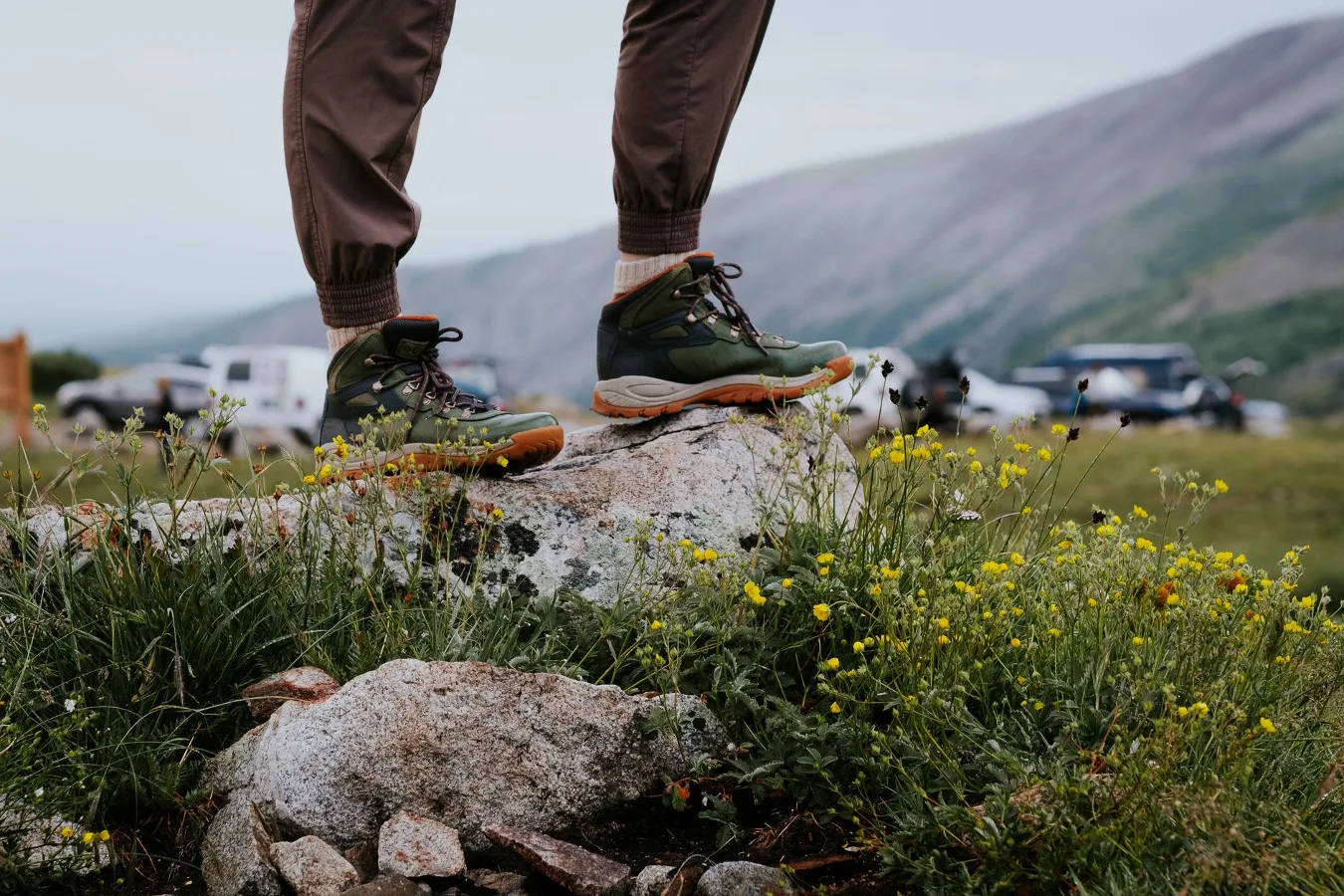
If you are looking for hiking boots hiking usually means one thing: you want footwear that can handle real trail conditions without ruining your feet halfway through the day. The best hiking boots are not the heaviest or most expensive pair. They are the pair that matches your terrain, your pack weight, your foot shape, and how often you hike. Hiking Boots: How to Choose the Right Pair offers more detail on this point. hiking boots for women offers more detail on this point.
That sounds simple, but it is where many buyers go wrong. Some people choose boots for ankle height alone. Others focus only on waterproofing. A better approach is to think about support, traction, fit, breathability, and durability together. For most hikers, those trade-offs matter more than brand names or style.
What hiking boots are actually for
Hiking boots are built to give you more protection and structure than casual sneakers or road shoes. Depending on the design, they can help with uneven ground, rocks, roots, loose dirt, mud, and weather exposure. But not every hike needs a stiff, heavy boot. That is a common misconception. related advice on bottega sneakers offers more detail on this point.
A boot that feels secure on a steep, rocky trail may feel overbuilt on a short walk on maintained paths. On the other hand, a lightweight boot that feels comfortable in the store may not offer enough underfoot protection if you carry a loaded pack or hike on technical terrain. The right choice depends on use case, not labels.
The most important factors before you buy
Fit comes first, not last
Fit matters more than almost any material feature. A good hiking boot should hold your heel securely, give your toes enough room to move, and avoid pressure points across the top of the foot or along the sides. If the forefoot feels cramped or the heel lifts too much, the boot will likely cause blisters or fatigue.
Many hikers also overlook how fit changes after a few hours on the trail. Feet can swell during long walks, warm weather, or heavier effort. That is why a boot that feels merely “okay” in a store may become uncomfortable later. Trying boots with the socks you actually hike in is one of the simplest ways to reduce mistakes.
Support should match the trail, not the hype
Support is often treated as a single feature, but it has several parts. There is upper support around the ankle, midsole support under the foot, and overall structure that helps the boot resist twisting on uneven ground. If you hike mostly on smooth, well-kept trails, you may not need a very rigid boot. If you hike off-camber paths, rocky routes, or carry a heavier pack, extra structure can be helpful.
An important nuance: ankle-height alone does not guarantee better support. Some mid-cut boots stabilize the foot well, while some tall boots still feel unstable if the platform is narrow or the materials are too soft. Think about the whole shoe, not just the collar height.
Traction depends on outsole design and conditions
Traction matters most when the trail turns slick, loose, or steep. Outsole lugs, rubber compound, and flex pattern all influence how a boot grips different surfaces. Deep, aggressive lugs can help in mud and loose dirt, while flatter patterns may feel better on mixed hardpack and rock.
No single outsole is perfect in every condition. Boots that excel on wet roots or mossy stones may feel less comfortable on pavement or long approach walks. If your hiking environment changes often, choose a tread pattern that is balanced rather than extreme.
Waterproofing is useful, but not always the best answer
Waterproof membranes can be valuable in wet climates, on snowmelt trails, or when crossing damp ground. They help keep outside moisture out, but they can also reduce airflow. That trade-off matters in hot or humid conditions, where sweaty feet can become just as uncomfortable as wet socks.
Many buyers assume waterproof is always better. It is not. If you hike mainly in dry weather or in summer heat, a breathable non-waterproof boot or shoe may feel better for longer outings. If you regularly deal with rain, puddles, or wet vegetation, waterproofing becomes more practical.
Weight changes how far you can comfortably go
Heavier boots can feel sturdy, but every extra bit of weight on your feet adds effort over the course of a hike. That does not mean lightweight is always best. Very light footwear may trade away protection, durability, or stability.
The useful question is whether the boot’s structure earns its weight. For day hikes on moderate terrain, a lighter boot or trail shoe may be enough. For rugged terrain, colder weather, or heavier loads, a more substantial boot may make sense even if it feels less nimble.
Materials affect durability and maintenance
Leather boots often offer strong abrasion resistance and long-term durability, while synthetic uppers are usually lighter and dry faster. Leather may need more care, especially if it is treated for water resistance. Synthetic materials can be easier to manage, but they may show wear sooner in harsh conditions.
The right material depends on how you hike and how much upkeep you are willing to do. A boot that lasts longer only helps if you are comfortable maintaining it. For some hikers, low-maintenance convenience is worth more than maximum ruggedness.
How to match hiking boots to your actual use case
For beginner hikers
If you are new to hiking, start with comfort and versatility. A moderate-weight boot with decent traction and a stable feel is often enough for day hikes, local trails, and uneven park paths. You do not need a mountaineering-style boot for routine outdoor walks.
Beginners often buy too much boot. Stiffness can feel reassuring at first, but if it makes the boot awkward or uncomfortable, it may discourage you from wearing it. A simpler, more forgiving model is usually the better first step.
For rocky or uneven terrain
Rocky trails place more demand on underfoot protection and lateral stability. A boot with a firmer midsole and a reliable outsole can reduce foot fatigue when you are stepping on sharp edges or navigating loose stone. Toe protection is also useful here because the front of the boot is more likely to contact obstacles.
If the terrain is highly technical, fit becomes even more important. A secure heel and locked-in midfoot help the boot feel predictable when the ground is irregular.
For wet, muddy, or shoulder-season hikes
Wet conditions raise the value of waterproofing, traction, and easy-to-clean materials. Mud also tests how quickly lugs shed debris. Boots that clog easily can feel slippery and heavy by the end of a hike.
That said, if the weather is warm and wet rather than cold and wet, breathability still matters. A waterproof boot can be the right call for damp mornings or rainy weather, but in persistent heat it may trap too much moisture inside.
For longer day hikes and backpacking
If you carry a pack for longer outings, you may want more structure and underfoot support than a casual day hiker needs. The boot should feel stable under load, especially on descents, where toe bang and forefoot fatigue can become problems.
Backpacking often shifts the value equation toward durability and support. Still, many hikers now prefer lighter footwear even on longer trips, especially if they know their trails well and pack efficiently. The best answer depends on the combination of distance, load, and terrain.
Practical ways to avoid common mistakes
- Do not choose by ankle height alone. Collar height does not guarantee better stability or protection.
- Do not ignore toe room. Downhill hiking can make cramped toes a serious problem.
- Do not assume waterproof is always best. Heat and poor ventilation can be more uncomfortable than a little moisture.
- Do not buy for the store floor only. A boot that feels fine standing still may fail under real trail movement.
- Do not overlook socks. Hiking socks affect fit, comfort, and blister risk.
- Do not expect every boot to work for every trail. Terrain and climate should guide the choice.
Practical decision guide
If you mostly hike on maintained trails in mild weather, a lightweight or midweight hiking boot with comfortable fit and moderate traction is often the best balance. If you encounter rough terrain, heavier packs, or repeated wet conditions, look for more structure, stronger toe protection, and better outsole grip.
If your priority is maximum comfort over long miles, pay extra attention to break-in feel, foot shape compatibility, and flexibility through the forefoot. If your priority is durability and protection, accept that the boot may feel less soft at first and more substantial underfoot.
A useful way to narrow the field is to ask three questions: where do you hike most often, how much weight do you carry, and what bothers your feet most in less suitable shoes? Those answers will usually point you toward the right category faster than marketing claims will.
How to think about break-in, comfort, and long-term value
Some hiking boots feel ready earlier than others. That does not automatically make them better, but it does affect how easy they are to live with. A boot that requires a long break-in period may be fine for frequent hikers who can gradually wear it in. For occasional hikers, that can be a drawback.
Long-term value is not just about how long the outsole lasts. It also includes how well the boot keeps its shape, whether the lining stays comfortable, and whether the fit still works after some wear. A cheaper boot that causes discomfort or fails early is not really a bargain. A more expensive boot only makes sense if its features match your actual needs.
Alternatives worth considering
Hiking boots are not always the best answer. For many U.S. trail conditions, hiking shoes or trail shoes may be enough, especially for day hikes, warmer weather, and lighter loads. They are often lighter, more flexible, and easier to wear for long distances on moderate terrain.
Trail runners can also make sense for experienced hikers who want speed and reduced foot fatigue. Their trade-offs are clear: less protection and often less support for rough, heavy-duty use. If you are drawn to boots mainly for the look or the idea of extra support, it may be worth comparing them with lighter footwear before buying.
What to prioritize if you want the safest all-around choice
If you want a dependable general-purpose option, prioritize fit first, then traction, then the right level of support for your terrain. After that, decide whether waterproofing is truly useful in your climate. Material and weight should come after those basics, not before them.
For most hikers, the best boot is one that feels secure without feeling restrictive, grips confidently without being overly aggressive, and handles the weather you actually face. That is the practical standard worth using when shopping for hiking boots hiking trails can genuinely challenge.
Choose the boot that fits your routes, your feet, and your habits. That will do more for comfort and confidence than any generic “best hiking boot” label ever will.