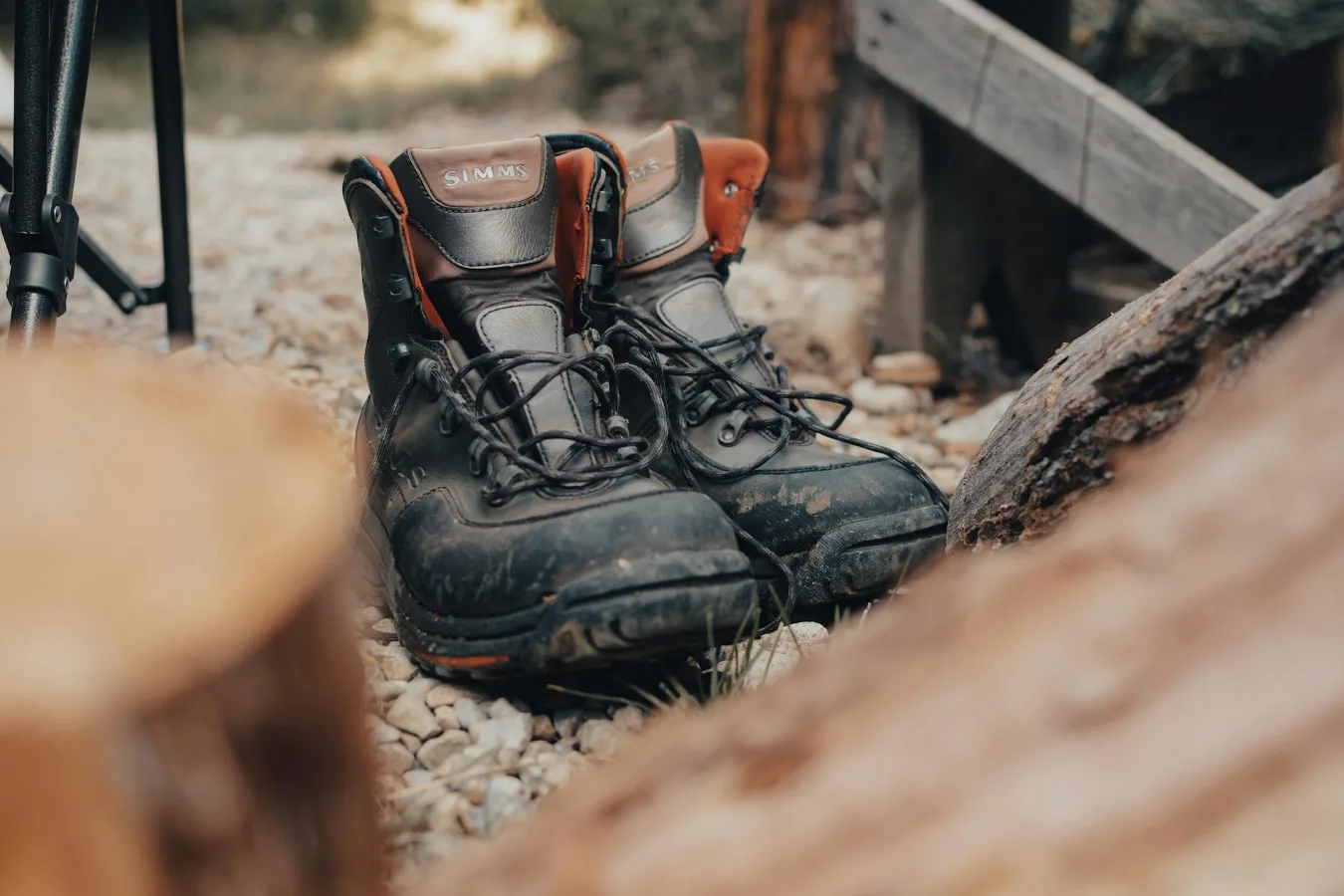
Waterproof hiking boots are best for hikers who regularly deal with wet grass, puddles, slushy trails, rain, mud, or cold conditions where dry feet matter more than maximum breathability. The right pair should protect against moisture without making every step feel stiff, hot, or heavy. That balance is the real decision. Best Waterproof Hiking Boots: Buyer Guide offers more detail on this point. how to choose hiking shoes for different trails offers more detail on this point.
For many hikers, the question is not whether waterproof boots work, but whether they match the terrain, season, and mileage you expect. A waterproof membrane can be a genuine advantage on damp trails, yet it can also feel like a trade-off in warm weather or on long, fast hikes where ventilation matters more.
Why waterproof hiking boots are worth considering
The main appeal is straightforward: they help keep outside moisture from getting in. That makes them useful for wet climates, shoulder-season hikes, streamside paths, snowmelt, and trips where you cannot predict the weather. Dry socks can make a big difference in comfort, blister prevention, and overall morale.
They are especially appealing if you hike in regions with frequent rain or long stretches of damp ground. They can also be helpful for hikers who want a more protective boot for rougher trails, since many waterproof models are built with sturdier uppers, higher sidewalls, and more structure than lightweight shoes.
That said, waterproof does not mean invincible. Water can still get in over the collar, through seams if a boot is worn out, or from prolonged exposure in deeper water. The promise is resistance, not immunity.
The key factors that matter most
Fit comes before features
A waterproof membrane cannot rescue a poor fit. If the boot is too narrow, too loose, or shaped wrong for your foot, you will feel it quickly on the trail. Too much internal movement can cause hotspots, while a cramped toe box can lead to discomfort on descents and longer hikes.
Look for secure heel hold, enough toe room for swelling, and a midfoot shape that feels stable without squeezing. Try boots with the same socks you plan to hike in, because sock thickness can change the fit in a meaningful way.
Breathability is the main trade-off
One common misconception is that waterproof boots are always the better all-around choice. In reality, the waterproof layer can reduce airflow. That may not matter much on a cool, wet day, but it can matter a lot on a hot climb or during fast-paced hiking.
If your hikes are usually dry, warm, or highly aerobic, a non-waterproof trail shoe may feel better. If your hikes are often cold, muddy, or weather-variable, the comfort of dry feet may outweigh the reduced ventilation.
Traction should match the terrain
The outsole matters just as much as the waterproof claim. Lug shape, rubber compound, and how the tread clears mud all affect grip. For wet rock, slick roots, or muddy singletrack, you want a sole that feels secure without being overly aggressive or clunky.
Boots that excel on soft forest trails may not feel as confident on smooth wet stone. If you hike across mixed terrain, look for a balanced outsole rather than one designed only for mud or only for pavement-like paths.
Support and stiffness depend on your use case
Waterproof hiking boots come in a wide range of structures. Some are flexible enough for day hikes, while others are more rigid and suitable for heavier loads or uneven terrain. More structure can improve stability, but it can also feel less natural and take longer to break in.
If you carry a loaded pack, hike on rocky ground, or prefer a more planted feel, a supportive boot may be worthwhile. If your hikes are shorter and lighter, extra stiffness can become unnecessary fatigue.
Weight affects how they feel over distance
Heavier boots can feel reassuring, especially in wet or rugged conditions, but they may also feel slower and more tiring after several miles. Lightweight waterproof models reduce that burden, though they may offer less protection or durability depending on their materials and construction.
The practical question is whether you want maximum weather protection, maximum agility, or something in between. Few boots excel equally at all three.
How to match waterproof boots to real hiking conditions
Choose them for wet, cool, or unpredictable conditions
Waterproof hiking boots make the most sense when moisture is part of the experience rather than a rare exception. Think rainy weekends, spring thaw, damp forest routes, or trips where the trail may cross wet vegetation all day.
They are also useful for hikers who run cold, since keeping wind and moisture out can make a noticeable comfort difference.
Think carefully before buying for hot-weather hiking
If most of your hiking happens in summer heat, a waterproof boot can feel overly sealed. Even a comfortable boot may trap more heat than you want on steep climbs or long mileage days. That does not make it a bad product; it just means the use case is narrower.
For warm climates, some hikers prefer breathable hiking shoes or trail runners and accept that their feet may get wet more easily. The trade-off often comes down to whether dry comfort or ventilation matters more.
Consider snow, slush, and shoulder season
In shoulder season, waterproof boots can be useful because the trail conditions change quickly. Morning frost, melting snow, and puddles from overnight rain can turn a dry route into a wet one. A boot that resists moisture can add a margin of comfort and consistency.
For deep snow, however, waterproof hiking boots are not a substitute for proper winter footwear. Insulation, gaiters, and overall cold-weather planning matter more than the waterproof label alone.
Practical solutions for common buying dilemmas
Waterproof boots versus water-resistant shoes
Water-resistant footwear may handle light drizzle or short exposure, but it is not built for sustained wet conditions. Waterproof boots are the better choice when you need more dependable protection from moisture. The cost is usually less airflow and sometimes more weight.
If your exposure is occasional and short, water-resistant shoes can be enough. If wet feet would seriously affect the hike, waterproof is the safer call.
Boots versus trail shoes
Not every hiker needs a boot. Trail shoes can be better for speed, flexibility, and ventilation, especially on maintained trails. Boots make more sense when you want more ankle coverage, more underfoot protection, or a more secure feel in uneven terrain.
A useful way to decide is to ask what ends the hike first: your feet, the weather, or the terrain. If moisture and rough ground are the biggest issues, boots often earn their place.
Membranes are only part of the story
Waterproof technology gets most of the attention, but the boot’s upper material, seam construction, tongue design, and collar shape also matter. A well-designed upper can help reduce leak points and improve comfort, while a poorly shaped boot may still feel damp or restrictive even if the membrane itself performs well.
It is also worth remembering that once water enters from the top, the waterproof layer offers little help. This is why collar height and gaiter compatibility can matter on wetter routes. this sneakers bottega guide offers more detail on this point.
Common mistakes shoppers make
- Choosing waterproof boots only because they sound more durable. Durability depends on build quality, materials, and use, not just the presence of a waterproof membrane.
- Ignoring breathability. A boot that keeps water out but traps too much heat may be miserable on the wrong trail.
- Buying for size without considering socks. Hiking socks, sock thickness, and foot swelling can change the fit significantly.
- Assuming all waterproof boots have strong traction. Tread patterns vary, and grip should be evaluated separately.
- Expecting full protection in deep water. Once water comes in over the collar, the waterproof feature has a limit.
What to look for when comparing options
If you are narrowing choices, focus on the factors that affect real trail comfort more than the marketing language on the box. The most useful comparison points are fit, traction, breathability, support, weight, and how the boot feels when walking downhill and over uneven surfaces.
| Factor | Why it matters | What to look for |
|---|---|---|
| Fit | Prevents blisters and foot movement | Secure heel, roomy toe box, no pressure points |
| Breathability | Affects comfort in warm or active conditions | Materials and construction that do not feel overly sealed |
| Traction | Helps on wet, loose, or muddy ground | Outsole pattern suited to your terrain |
| Support | Improves stability on uneven trails | Enough structure for your load and mileage |
| Weight | Affects fatigue over distance | A balance between protection and agility |
| Coverage | Helps with moisture and debris | Collar height and gaiter compatibility |
How to make waterproof boots work better
Even a good pair performs better with a few practical habits. Use hiking socks that manage moisture well, keep the boots clean, and let them dry fully after wet outings. Dirt and salt can wear on materials over time, and damp boots stored without airflow can develop odor or lose comfort faster.
Break them in before a longer trip. A new boot may feel fine in the store and still reveal pressure points on a real trail. Short walks, errands, and local hikes can help you spot issues early.
If you often hike in persistent wet brush or streams, consider gaiters as a useful complement. They can help keep debris and water from entering over the top, which is where many waterproof boots fail in practice.
When a different type of footwear may be the better choice
Waterproof hiking boots are not the automatic best answer. If your hiking is mostly dry, fast, and warm-weather oriented, breathable trail shoes may serve you better. If your outings are very light and occasional, a less structured option may feel more comfortable and easier to live with.
For some hikers, the smarter decision is owning two types of footwear: waterproof boots for wet seasons and rugged hikes, and lighter shoes for dry summer miles. That approach can be more useful than searching for one pair that does everything.
Decision guidance: who should buy them?
Choose waterproof hiking boots if you prioritize dry feet, hike in wet or cold conditions, want more protection from mud and brush, or prefer a more supportive feel on uneven ground. They are a strong fit for hikers who value comfort in variable weather over maximum breathability.
Skip them, or at least consider alternatives, if your hikes are mostly warm, dry, and fast-paced, or if you know you are sensitive to heat buildup. In those cases, a breathable hiking shoe may be the better long-term choice.
The best purchase is the one that matches your terrain and season honestly. Waterproof boots make sense when moisture is a real part of your hiking life, not just a box to check.