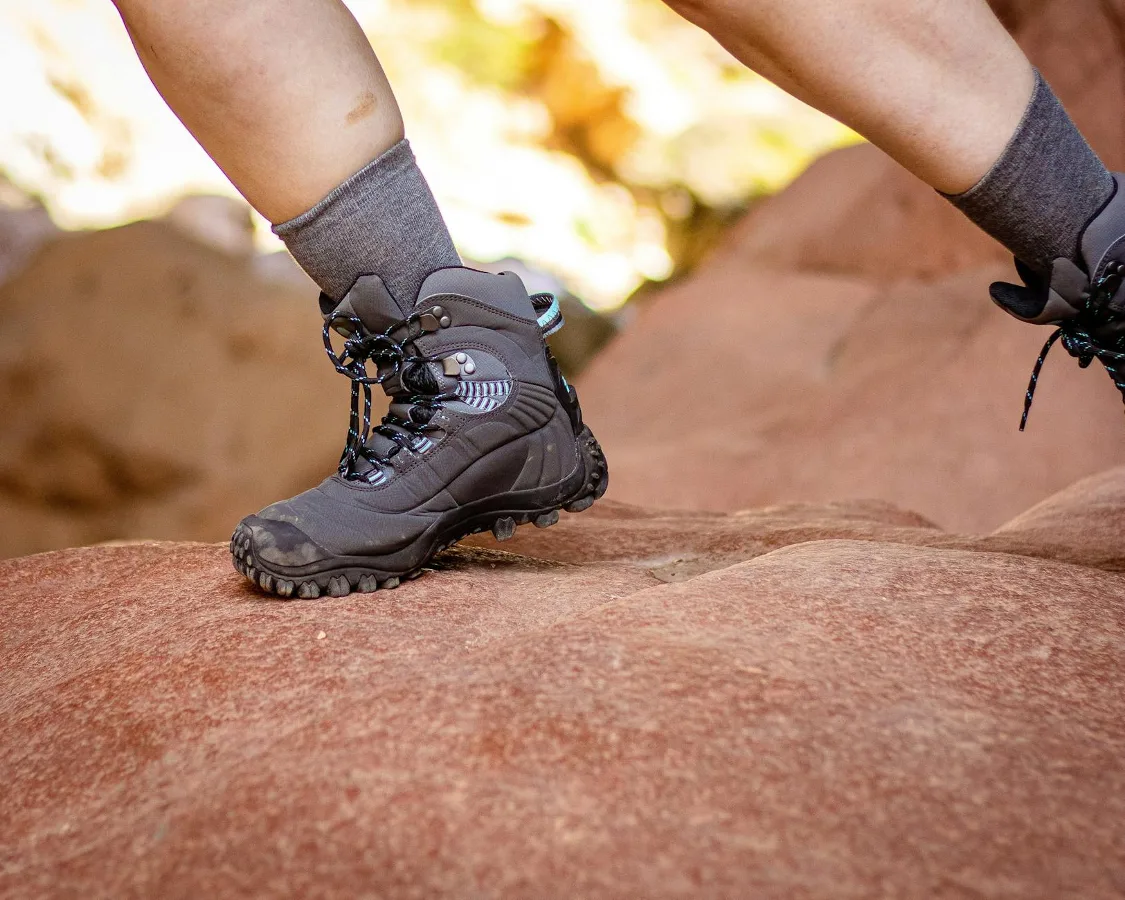
Women’s hiking boots are best chosen by trail type, fit, weather, and how much support you actually need. The right pair should feel stable without being bulky, keep your feet comfortable over distance, and match the conditions you hike in most often. hoka hiking boots offers more detail on this point. how to choose hiking socks offers more detail on this point. women’s trail shoes for lighter hikes offers more detail on this point.
That sounds simple, but the details matter. A boot that works well for dry local trails may feel overbuilt on casual walks, while a lighter pair can fall short on rough, wet, or steep terrain. The best choice is usually the one that balances protection, flexibility, traction, and comfort for your specific use.
Start with the kind of hiking you do
Before comparing materials or features, think about your hikes in practical terms. Many buyers focus on brand names or waterproof labels first, but trail conditions are a better starting point.
Day hikes
If you usually hike for a few hours on maintained trails, you may not need a heavy boot. A lighter hiking boot or even a trail shoe may be enough if you value flexibility and reduced fatigue. For some hikers, a mid-cut boot offers a good middle ground: a little more protection than a low-cut shoe, without the weight of a serious backpacking boot.
Rocky, uneven, or steep trails
More technical terrain often calls for a sturdier build, better toe protection, and more underfoot structure. On uneven ground, stability matters more than fashion details. A boot with a supportive midsole and a secure heel can help reduce foot movement inside the shoe, which is often more important than extra padding.
Wet, muddy, or cold conditions
For damp climates or shoulder-season hiking, water resistance becomes a real decision point. Waterproof boots can be useful, but they are not automatically the best answer. They usually trade some breathability for protection, so they can feel warmer and less airy in dry weather. If your hikes are often hot and dry, a breathable non-waterproof option may be more comfortable.
The fit details that matter most
Fit is the biggest factor in whether women’s hiking boots feel supportive or miserable. A boot can look perfect on paper and still fail if the shape does not suit your foot.
Length and toe room
Your toes should have enough space to move slightly, especially for downhill hiking where feet can slide forward. Too little room can cause bruising or nail pressure. Too much room can make the boot feel sloppy and reduce control.
Heel hold
A secure heel helps prevent rubbing and blisters. If your heel lifts noticeably while walking, the boot may not be the right shape for your foot, even if the length seems fine. This is one reason trying boots on with the socks you plan to hike in is more useful than guessing from size alone.
Width and foot shape
Women’s hiking boots often come in standard and wide options, but width is only part of the story. Some feet need more room in the forefoot; others need a narrower heel cup. A boot that matches your overall shape usually feels better than one that simply says “wide” on the box.
Arch and midfoot support
Support is not the same as stiffness. Some hikers prefer more structured midsoles for long distances or pack weight, while others want a more natural flex underfoot. If you have high arches, flat feet, or any foot sensitivity, the internal shape of the boot may matter more than the external style.
Materials change comfort, durability, and care
Materials influence how a boot feels on the trail and how much maintenance it needs afterward. There is no universally “best” material; there is only the best fit for your hiking habits.
Leather boots
Leather tends to offer durability and a more traditional feel. It may be a good choice if you want a sturdier boot for rough terrain or regular use. The trade-off is usually break-in time and care. Leather often benefits from cleaning and conditioning, and some versions can feel warmer or heavier than synthetic alternatives.
Synthetic boots
Synthetic materials often dry faster and may feel lighter out of the box. That can be appealing for hikers who want less break-in and easier day-to-day use. The trade-off is that synthetic uppers may not hold up as long as more robust leather constructions in demanding conditions, depending on the build.
Waterproof membranes
Waterproof membranes can be helpful in wet climates, snow, puddles, or muddy trails. The overlooked nuance is that waterproofing is about more than keeping water out: it also affects breathability. In hot weather, a waterproof boot may trap more heat than you want. If your hikes are usually dry, breathability may matter more than full waterproof protection.
Traction and outsole design are easy to overlook
Many shoppers focus on the upper and ignore the outsole, but traction is one of the most practical parts of a hiking boot. The outsole pattern and rubber compound help determine how securely you move over dirt, rock, roots, and wet ground.
Deep lugs are often helpful in mud and loose terrain, while flatter or more moderate patterns can feel better on packed trails and mixed surfaces. If you hike on slick rock, rooty paths, or snowy shoulder-season terrain, a more aggressive tread may be worth prioritizing.
That said, more tread is not automatically better. Aggressive outsoles can feel clunky on pavement, travel days, or casual walking. If your hikes include a lot of transitions between trail and town, a moderate outsole may be the more versatile choice.
Support, weight, and flexibility: the real trade-off
Women’s hiking boots usually ask you to trade something. More support often means more weight and less flexibility. Lighter boots feel easier to walk in, but they may give up some protection or structure.
If you carry a heavier pack, hike longer distances, or want extra protection on rough ground, a more structured boot can make sense. If you prefer agility, lighter footwear may reduce fatigue and feel more natural. The “best” option depends on whether your hikes are mostly easy and frequent, or longer and more demanding.
A common misconception is that ankle coverage automatically equals ankle support. A mid-cut boot may help with debris and give a more protected feel, but actual support comes from the whole platform: the sole, midsole, heel hold, and how the upper works with your foot. A tall boot that fits poorly will not feel supportive in practice.
When a hiking shoe may be a better choice
Not every shopper searching for women’s hiking boots truly needs a boot. For many people, a hiking shoe is the better option.
- Choose a hiking shoe if you want lighter weight and more flexibility.
- Choose a boot if you want more coverage, protection, or stability.
- Choose a shoe if your hikes are mostly on well-maintained trails.
- Choose a boot if you often hike in mud, rocks, or unpredictable weather.
If you are unsure, think about your longest or most demanding hike rather than your easiest one. That usually reveals whether you need extra structure or just comfortable traction.
How to narrow down the right pair
The best buying decision usually comes from matching the boot to your actual use case instead of chasing the most feature-rich model.
- List your usual trail conditions. Dry, wet, rocky, steep, muddy, or mixed terrain all point toward different priorities.
- Decide how much support you want. More support can improve stability, but it may reduce flexibility and add weight.
- Choose waterproofing only if you will use it. If you hike mostly in dry weather, breathability may be more valuable.
- Pay attention to foot shape. Heel hold, toe room, and forefoot width matter more than the label size alone.
- Consider care and durability. Leather, synthetic, and waterproof builds each ask for different maintenance.
Common mistakes shoppers make
Several buying mistakes come up again and again with women’s hiking boots.
- Buying for looks first. Style matters less than fit and trail suitability.
- Ignoring sock thickness. Boots should be tried on with the socks you’ll actually hike in.
- Choosing too much boot for easy trails. Extra stiffness can feel tiring on casual hikes.
- Choosing too little protection for rough terrain. Light footwear can be uncomfortable when rocks, roots, and wet ground are constant.
- Assuming waterproof means better in every season. Breathability can be more comfortable in warm weather.
- Overlooking break-in needs. Some materials and constructions need time before they feel truly comfortable.
Practical fit checks before you buy
A few simple checks can save a lot of frustration later. Walk on an incline if possible. Pay attention to whether your toes slide forward. Notice whether the arch feels neutral or intrusive. Check for pressure across the widest part of the foot and around the ankle collar.
If a boot feels almost right but one area creates obvious pressure, do not assume it will fix itself. Minor adjustments can help, but persistent fit issues usually mean the shape is wrong. Insoles can improve comfort in some cases, but they are not a cure for a poor shell fit.
Simple guidance by use case
| Hiking need | What to prioritize | What to avoid |
|---|---|---|
| Easy day hikes | Light weight, comfort, flexible sole | Overly stiff or bulky boots |
| Rocky trails | Toe protection, stability, grip | Thin soles with minimal structure |
| Wet or muddy trails | Water resistance, tread depth, secure fit | Slippery outsoles or poor drainage |
| Warm-weather hiking | Breathability, lighter construction | Heavy waterproof builds unless needed |
| Longer hikes with a pack | Support, stability, durability | Soft casual footwear |
FAQ
Do women’s hiking boots need to be waterproof?
Not always. Waterproof boots make sense for wet climates, muddy trails, and cold conditions, but breathable non-waterproof boots can be better for hot, dry hiking.
Should hiking boots fit snugly or with extra room?
They should feel secure, but not cramped. You need enough room for toe movement and downhill comfort without heel lift or loose control.
Are mid-cut boots enough for ankle support?
Mid-cut boots can offer a more stable feel, but real support depends on the whole design, not just collar height. Fit and sole structure matter just as much.
How do I know if I need a hiking boot instead of a hiking shoe?
If you want more protection, stability, or coverage for rough terrain and variable conditions, a boot is often the better choice. For lighter, well-maintained trails, a hiking shoe may be enough.
What is the biggest mistake to avoid when buying hiking boots?
Choosing a boot that does not match your foot shape. A well-made boot can still fail if the heel, toe box, or midfoot shape is wrong for you.
Women’s hiking boots work best when they match your trail conditions, foot shape, and comfort priorities. Start with fit, then narrow down materials, traction, and waterproofing based on where and how you hike. That approach usually leads to a pair you will actually want to wear mile after mile.