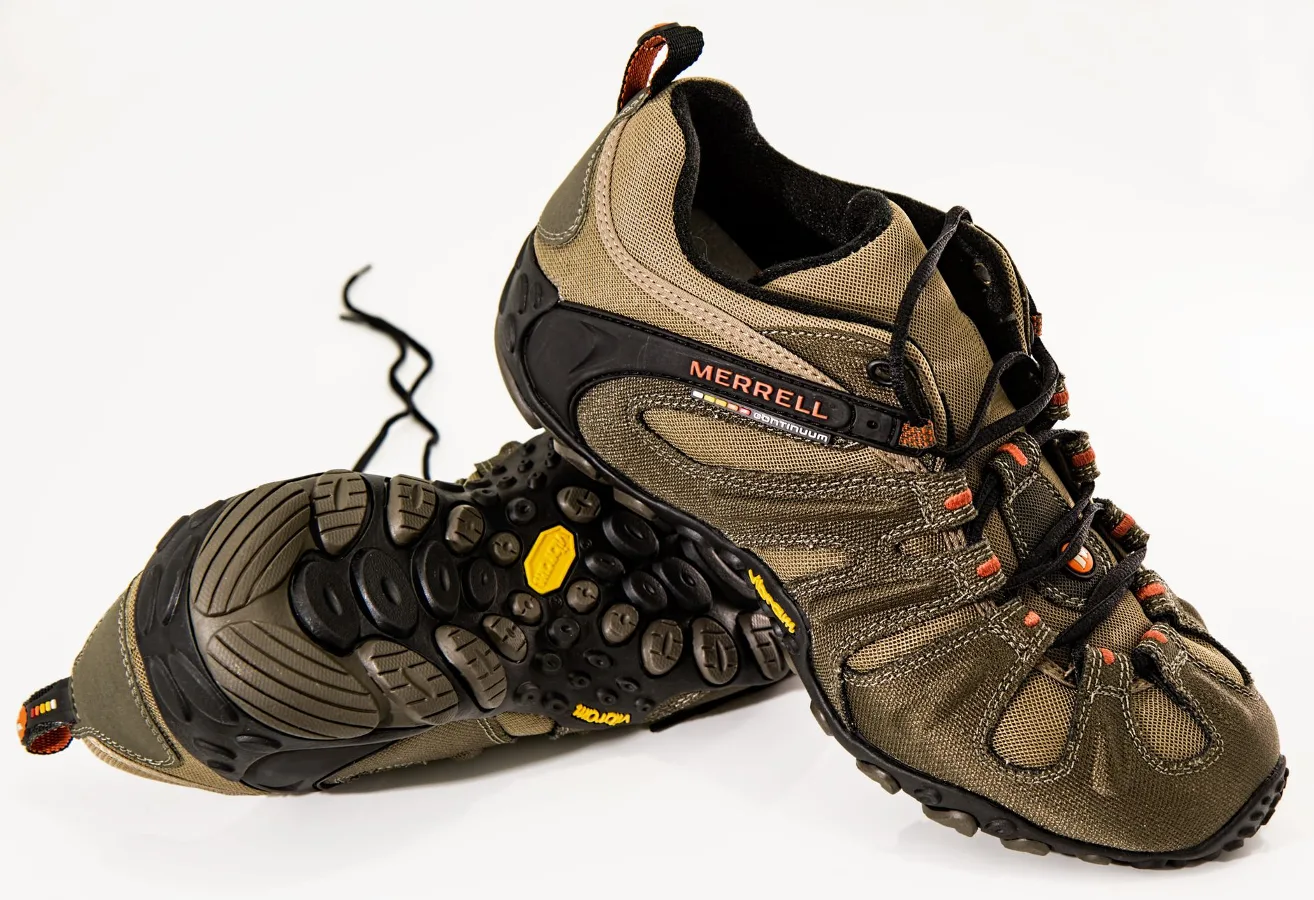
Hiking boots for women are worth buying when you need more protection, stability, or weather resistance than a trail shoe can provide. The best pair is not the most rugged-looking one; it is the boot that fits your foot shape, matches your terrain, and supports the kind of hiking you actually do. hiking boots offers more detail on this point. women’s sneakers offers more detail on this point. how to choose the right shoe width offers more detail on this point.
If you are shopping for women’s hiking boots, start with the basics: fit first, then support, traction, weather protection, and weight. That order matters because a boot with great technical features can still feel wrong if the heel slips, the toe box feels cramped, or the boot is too heavy for your usual hikes.
What women’s hiking boots should solve
The main job of a hiking boot is to help you move more confidently outdoors. That can mean better grip on loose ground, more coverage in wet conditions, more structure on uneven trails, or simply a more stable platform than low-cut shoes.
Women’s hiking boots are not a single category with one best option. Some are built for day hikes on maintained trails. Others are better for rough terrain, heavy packs, cold weather, or frequent use in mud and rain. A boot that works well for a short weekend loop may feel overly stiff or heavy on casual walks, while a lighter model may feel too flexible if you regularly hike on rocky ground.
The right choice depends on the balance you need between protection and comfort. That balance is the core decision for most buyers.
Key factors that matter most
Fit and foot shape
Fit is the first filter. A hiking boot should hold the heel securely, leave enough room in the toe box for natural swelling, and avoid pressure points across the instep or forefoot. Many people focus on length and forget width, but width can be just as important for comfort on the trail.
Women’s-specific hiking boots often reflect a narrower heel, a lower-volume fit, or a shape that better matches typical women’s foot proportions. That does not mean every women’s boot will fit every woman. If you have a wider forefoot, a higher arch, or custom insoles, the boot’s internal shape matters more than the label.
A useful test is simple: stand, walk, and descend if possible. On a downhill, your toes should not slam into the front. The heel should stay planted without rubbing. Any boot that feels “almost right” in the store can become a problem on a long descent.
Boot height and ankle support
Boot height is one of the most misunderstood features. Mid-cut and higher boots can help shield the ankle from debris and may feel more secure on uneven terrain, but they do not automatically prevent sprains. Support comes from a combination of fit, sole stability, lacing, and how the boot handles side-to-side movement.
For many hikers, mid-cut boots are the practical middle ground. They offer more coverage than a shoe without the stiffness and weight of a tall backpacking boot. If you hike mostly on established trails, you may not need a high-cut design at all. If you often carry a heavy pack or hike over rocks and roots, a more structured boot can be worth the trade-off.
Traction and outsole design
Traction comes from the outsole pattern, rubber compound, and how the sole flexes under load. Deep lugs help on mud, loose dirt, and variable terrain, while a flatter pattern may feel more stable on hard-packed trails or pavement-to-trail use.
One common misconception is that a more aggressive outsole is always better. In reality, very deep lugs can feel clunky on mixed surfaces, and overly soft rubber may wear faster if you use your boots frequently on rock or hard ground. Think about your most common trail conditions instead of buying for the rare hardest hike you might take someday.
Waterproofing and breathability
Waterproof hiking boots can be a smart choice if you hike in rain, snowmelt, wet grass, or muddy conditions. They help keep outside moisture from entering the boot, but they also tend to run warmer and may dry more slowly once wet from the inside.
Breathable, non-waterproof boots can be better for hot weather, dry climates, or long summer hikes where airflow matters more than puddle resistance. This is one of the biggest trade-offs in hiking footwear: the more protection you add against water, the more likely you are to sacrifice ventilation.
A practical nuance many shoppers miss is that waterproof boots are not the same as dry boots forever. If water comes in over the collar, through worn seams, or from prolonged submersion, waterproofing will not save them. Gaiters, sock choice, and route planning still matter.
Weight and flexibility
Lighter boots usually feel easier to walk in and can reduce fatigue on long days. Heavier boots often provide more structure and protection. Neither is universally better.
If your hikes are short, mostly dry, and on moderate terrain, a lighter boot may be the better all-around choice. If your routes involve uneven ground, pack weight, or frequent off-trail movement, a sturdier boot can feel more controlled. The wrong assumption is that more support always means more comfort; a boot that is too stiff can cause fatigue just as a boot that is too soft can.
Materials and durability
Common hiking boot materials include full-grain leather, split leather, mesh, and synthetic overlays. Leather generally offers durability and weather resistance, while synthetic materials often reduce weight and improve drying time. Some designs combine both for a compromise between longevity and comfort.
The best material depends on maintenance preferences as much as hiking style. Leather may need more care, while lighter synthetics may show wear sooner in high-friction areas. If you want a boot for frequent use and rough conditions, durability may deserve more weight in the decision. If you hike casually and want less break-in time, lighter construction may be the better fit.
Practical ways to narrow the choice
Match the boot to your terrain
Start with where you hike most often.
- Well-maintained trails: A lighter mid-cut boot or even a hiking shoe may be enough if you want comfort and easier walking.
- Rocky or root-covered trails: Look for a stable midsole, good tread, and enough structure to reduce foot fatigue.
- Wet or muddy conditions: Waterproofing and stronger traction become more important.
- Heavy pack or longer backpacking trips: More support and durability usually matter more than weight savings.
This terrain-first approach helps prevent overbuying. A boot designed for alpine use may be unnecessarily stiff for local day hikes, while a lightweight option may not hold up to the demands of repeated rough-trail use.
Think about your socks and insoles too
Boot fit does not happen in isolation. Hiking socks change how the boot feels, and insoles can alter arch support, volume, and heel hold. If you plan to wear thicker socks in cold weather, test the boot with them on. If you regularly use orthotics, make sure the boot can accommodate them without crowding the foot.
Many fit problems blamed on the boot are actually caused by the wrong sock thickness or a mismatch between the boot’s volume and the foot’s shape. That is an overlooked detail that can save a lot of frustration.
Decide how much break-in you can tolerate
Some hiking boots feel good sooner than others. Softer synthetic models often need less break-in time, while sturdier leather boots may require a gradual period of wear before they feel natural. If you need a boot for an upcoming trip, consider how much time you have to adapt the materials before hitting the trail.
A common mistake is assuming discomfort will disappear after one long hike. Mild stiffness can improve with wear, but pressure points, heel slip, or toe crowding usually do not resolve on their own. Those are fit issues, not break-in issues.
How to decide between common boot types
Lightweight hiking boots
These are a good match for hikers who want more coverage than a shoe without the bulk of a traditional backpacking boot. They tend to suit day hikes, travel, and mixed walking conditions.
Best for: moderate trails, faster-paced hikes, lighter loads, warmer weather, and people who prioritize comfort over maximum structure.
Trade-off: less protection and possibly less longevity on rough terrain.
Midweight or structured boots
These boots usually offer more support, better underfoot protection, and a sturdier feel. They can be a better fit for rocky trails, uneven routes, or hikers who prefer a more locked-in sensation.
Best for: rough terrain, variable conditions, and hikers who want a more stable platform.
Trade-off: extra weight and potentially more stiffness.
Waterproof hiking boots
Waterproof models help when you hike in wet grass, rain, slush, or shoulder-season conditions. They are often the sensible choice for wet climates or trips where dry feet are harder to guarantee.
Best for: damp environments, cool weather, and unpredictable trail moisture.
Trade-off: reduced breathability and slower drying if water gets inside.
Non-waterproof hiking boots
These are often overlooked, but they can be excellent for summer hiking and dry climates. Better airflow can make them feel more comfortable on long, hot days.
Best for: warm weather, arid conditions, and hikers who value ventilation.
Trade-off: less protection from wet conditions.
Buying mistakes to avoid
- Choosing by appearance alone: A stylish boot is not useful if the last, width, or heel shape does not match your foot.
- Buying too stiff for the terrain: Excess structure can feel tiring on easy trails.
- Ignoring downhill fit: Toe impact on descents is a sign the boot is too short or not secured properly.
- Assuming waterproof means better in every season: Breathability matters in heat.
- Not checking sock compatibility: The same boot can feel completely different with thin or thick socks.
- Overestimating the need for ankle height: Fit and sole stability matter more than collar height alone.
A simple way to choose with confidence
If you are still comparing hiking boots for women, narrow the field with three questions:
- What kind of trails do I hike most often?
- Do I need weather protection more than breathability?
- Do I want a lighter boot for comfort or a sturdier boot for support?
Your answers usually point to a clear category. A frequent day hiker on moderate trails often does best in a lighter mid-cut boot. A hiker in wet or variable conditions may benefit from waterproof construction. Someone carrying a pack on rough terrain may prefer a more structured boot with stronger traction and underfoot protection.
If you are between sizes, widths, or boot heights, comfort and heel security should win. Features can be useful, but a boot you avoid wearing is not a good buy.
Maintenance and long-term value
Boot care affects how long a pair remains comfortable and functional. After hikes, remove dirt and let the boots dry naturally away from direct heat. If your boots are leather, follow the manufacturer’s care guidance so the material does not dry out or stiffen unnecessarily. For synthetic boots, cleaning the upper and outsole regularly can help preserve grip and appearance.
Long-term value is not only about durability. It also depends on whether the boot stays comfortable enough to use. A slightly more expensive pair that fits correctly may be a better purchase than a cheaper boot that causes hot spots or blisters.
FAQ
Should hiking boots for women fit snug or roomy?
They should feel secure in the heel and midfoot with enough room in the toe box for natural movement. Snug is good; cramped is not.
Are women’s hiking boots better than men’s?
Neither is automatically better. Women’s models may suit narrower heels or lower-volume feet, but the best choice is the one that matches your foot shape and comfort needs.
Do I need waterproof hiking boots?
Only if your usual conditions call for them. Waterproof boots make sense in wet, cold, or muddy environments. For dry or hot hiking, non-waterproof boots may be more comfortable.
How much ankle support do I really need?
Enough to feel stable and confident on your terrain. For many hikers, a mid-cut boot is sufficient, especially on moderate trails.
Can hiking boots be used for everyday walking?
Yes, if they are comfortable enough, but heavier or stiffer boots may feel unnecessary for daily wear. A lighter model is usually easier to live with off the trail.
Choosing hiking boots for women is mostly about matching the boot to your foot and your trails. If you get the fit, traction, and weather protection right, the rest becomes much easier to judge.