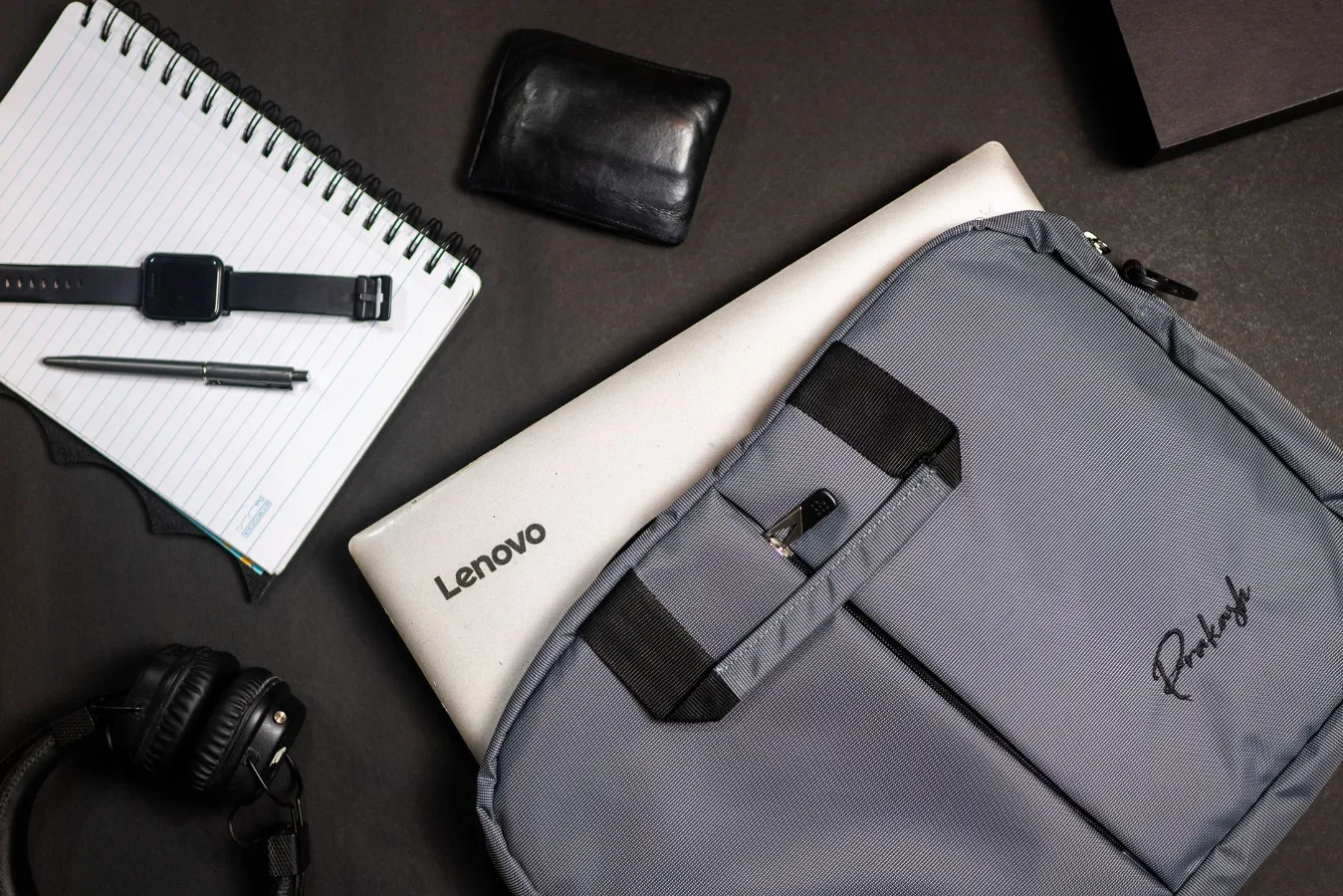
If you are looking at a Parkside laptop backpack, the most useful question is not just whether it looks good, but whether it fits your device, your daily carry, and your routine. A laptop backpack can seem straightforward, yet small details like pocket layout, strap comfort, and compartment structure make a big difference once you start using it every day.
For shoppers in the United States comparing bags for work, school, commuting, or light travel, a Parkside laptop backpack is best evaluated as a practical everyday carry item. Focus on protection, organization, comfort, and durability rather than on appearance alone. Those are the details that determine whether a backpack feels convenient or frustrating after a few weeks of use. best bags for commuting offers more detail on this point.
Who a Parkside Laptop Backpack Makes Sense For
A Parkside laptop backpack is usually most appealing to buyers who want a simple, functional bag for routine use. That includes commuters carrying a laptop, students who move between classes, and travelers who want a cleanly organized day bag for electronics and essentials.
This kind of backpack can also work well for people who prefer a single bag that handles multiple roles. For example, one bag might need to carry a laptop during the week, then hold chargers, a notebook, a water bottle, and a light layer on weekends. That flexibility is one of the main reasons laptop backpacks stay popular.
At the same time, the right choice depends on how much you carry and how sensitive your gear is. A slim, lightweight backpack may feel easier to wear, but it may also sacrifice padding, structure, or storage flexibility. If you routinely carry a larger laptop, accessories, or files, those trade-offs matter more.
The First Thing to Check: Laptop Fit
The most important factor is whether the laptop compartment fits your device safely. A backpack can be attractive and still be a poor choice if the sleeve is too loose, too tight, or shaped awkwardly for your computer. A good fit helps reduce movement inside the bag, which is especially useful when you are walking, biking, or riding in a crowded commute.
Look beyond the screen size label alone. Two laptops with the same nominal size can have different overall dimensions, especially if one has thicker bezels, a wider chassis, or a bulky protective case. If the product listing provides internal compartment dimensions, compare them carefully with your device rather than relying only on the advertised size class.
Padding is another detail worth checking. A padded sleeve can help absorb minor bumps, but padding quality and placement matter. Extra foam around the bottom and sides is often more helpful than padding that only covers the back panel. If your laptop sits low in the bag, bottom protection becomes even more important.
Storage Layout: Useful or Just Busy?
Many laptop backpacks promise “organization,” but not all pocket layouts are actually practical. The best layout is the one that matches what you carry every day. If your routine includes a charger, mouse, notebook, pens, keys, headphones, and perhaps a small water bottle, you need pockets that keep those items separate without turning the bag into a cluttered maze.
One overlooked detail is how quickly you can reach the items you use most. A backpack may have plenty of pockets, yet still be annoying if the essentials end up buried. For office use, a front organizer pocket can be genuinely helpful. For travel, a faster-access pocket for a phone, passport, or transit card may matter more than extra interior compartments.
Too many compartments can be a drawback as well. They can reduce flexibility and make the bag feel smaller than it should. If you prefer a cleaner setup, a simpler interior may actually work better because it gives you more room to arrange your own pouches or tech organizers.
Comfort Matters More Than People Expect
A laptop backpack only feels like a good purchase if it remains comfortable when fully loaded. That means paying attention to strap design, back panel shape, and overall balance. A bag that looks slim on a product page can still feel heavy if the weight sits awkwardly against your back or if the straps are narrow and stiff.
For everyday use, adjustable shoulder straps are essential, but adjustment alone does not guarantee comfort. Straps should distribute weight evenly without digging into your shoulders. A lightly padded back panel can improve comfort and help the bag sit better against your body, especially during longer commutes.
If you expect to carry your backpack for extended periods, ventilation can also matter. Some backs are more breathable than others, and a flatter, less breathable panel may feel warmer in humid weather or during longer walks. That does not make the bag unusable, but it is a real-world trade-off to weigh if comfort is a priority.
Materials and Everyday Durability
For a Parkside laptop backpack, material quality affects both appearance and longevity. Common backpack fabrics vary in feel and resilience, and the right choice depends on how rough your daily routine is. If the bag will be used mostly for light commuting, a simpler construction may be enough. If it will be set on floors, tossed under desks, or carried in changing weather, sturdier materials and stronger stitching become more important. backpack materials explained offers more detail on this point.
Water resistance is another practical consideration. Many buyers expect a laptop backpack to offer at least some protection from drizzle or brief exposure to moisture, but water-resistant is not the same as waterproof. Seams, zippers, and openings can still let in water, so it is smarter to think of moisture protection as a buffer rather than a guarantee.
Zippers deserve attention too. They are among the most used parts of any backpack and often one of the first points of failure on cheaper bags. Smooth zipper action, sturdy pulls, and clean construction are all worth checking because they influence daily convenience more than flashy design features do.
Size and Capacity: Find the Middle Ground
Capacity is one of the easiest details to misjudge. A backpack that is too small forces you to overpack or leave things behind. A backpack that is too large may look bulky, encourage clutter, and sit awkwardly on smaller frames.
The best size depends on how the bag will be used. If you are carrying only a laptop, charger, and a notebook, a compact design may be ideal. If the bag also needs to hold lunch, a water bottle, a sweatshirt, or travel items, a roomier layout makes more sense. The point is not to chase the biggest bag available, but to choose a size that matches your actual routine. how to choose a laptop compartment offers more detail on this point.
There is also a subtle comfort trade-off. Larger bags can spread out contents better, but if they are underfilled, they can feel floppy and unstable. Smaller bags look neater, yet they can become strained if you consistently push them past their intended load. A balanced fit tends to age better in real use.
Style Versus Utility
A Parkside laptop backpack may appeal to buyers who want a clean, understated look. That is often a smart choice for office settings, classrooms, and travel because a simpler design usually pairs more easily with different outfits and situations. A bag that does too much visually can age quickly or feel overly specialized.
Still, utility should come first. A backpack that looks sleek but lacks useful access, protection, or comfortable straps can become annoying fast. The most successful everyday bag usually finds a middle ground: modest styling, sensible organization, and a shape that does not draw unnecessary attention.
If you are choosing between a minimalist design and a more feature-rich one, consider your environment. A college student may appreciate extra storage and quick-access pockets. A commuter going into a formal office may prefer a more restrained silhouette and fewer external details.
Common Mistakes Buyers Make
- Buying by size label alone: Laptop size categories do not always reflect the exact dimensions of your device or case.
- Ignoring strap comfort: A backpack that feels fine when empty may feel unpleasant once it carries a laptop and accessories.
- Overvaluing pocket count: More pockets do not always mean better organization.
- Assuming water resistance is waterproofing: Light moisture protection is helpful, but it has limits.
- Choosing a bag that is too large: Extra capacity can lead to unnecessary bulk and clutter.
- Overstuffing the main compartment: Packing too tightly can stress zippers, reduce comfort, and make items harder to find.
Practical Trade-Offs to Weigh Before You Buy
Every laptop backpack involves trade-offs. More padding often means more weight. More structure can improve protection, but it can also reduce flexibility. A slimmer bag may look more refined, but it may leave less room for accessories. A heavily organized interior can help with order, yet it can also make the backpack feel restrictive.
This is why the “best” Parkside laptop backpack depends on how you use it. If your daily carry is light, prioritize comfort and ease of access. If your electronics are expensive or fragile, prioritize padding and structure. If you move between multiple locations in a day, think about how often you will open the bag and whether the pockets are placed for quick use.
One practical nuance is that a backpack often feels different once loaded. Bags with a rigid shape can hold their form nicely when half full, while softer bags may collapse and make access less convenient. That does not automatically make one better than the other, but it does change how the backpack works in daily life.
Alternatives Worth Considering
If you are not sure a Parkside laptop backpack is the right fit, it helps to compare a few related categories.
- Messenger bags: Better for quick access and a more office-like look, but usually less comfortable for heavier loads.
- Traditional backpacks: Often simpler and lighter, though they may lack a dedicated padded laptop compartment.
- Travel daypacks: Useful if you want flexible storage and gear-friendly organization for short trips.
- Briefcase-style laptop bags: Good for formal settings, but less practical if you walk long distances or carry more than a laptop and documents.
The right alternative depends on whether your top priority is comfort, professional appearance, storage flexibility, or protection. For many people, a laptop backpack remains the most versatile option because it balances all four reasonably well.
How to Evaluate a Listing Before You Commit
If you are comparing a Parkside laptop backpack online, read the listing as a decision tool rather than a sales pitch. Look for clear details about the laptop compartment, overall dimensions, fabric type, strap padding, pocket layout, and closure style. If a listing is vague about these basics, that is usually a sign to slow down and compare alternatives.
Photos can also be misleading if they are styled to make the backpack look larger or more premium than it is. Focus on structure, pocket placement, and proportions. If there are interior images, those are especially useful because they show whether the layout is practical or just decorative.
For shoppers comparing multiple bags, the best approach is to make a simple checklist: device fit, daily storage needs, comfort, weather exposure, and preferred style. That method helps prevent impulse buying and keeps the decision centered on everyday use rather than appearance alone.
What to Do Next
Before buying a Parkside laptop backpack, define the one or two problems you need the bag to solve. If you want easier commuting, focus on comfort and quick access. If you need better protection for electronics, focus on padding and structure. If you want one bag for work and casual use, look for a balanced design that does not overcomplicate the layout.
The strongest choice is usually the one that fits your device cleanly, carries comfortably when full, and matches the amount of organization you actually need. A laptop backpack should make your routine simpler, not add another layer of friction to it.
That is the real standard for evaluating any Parkside laptop backpack: practical fit, dependable everyday use, and a design that supports the way you already move through the day.