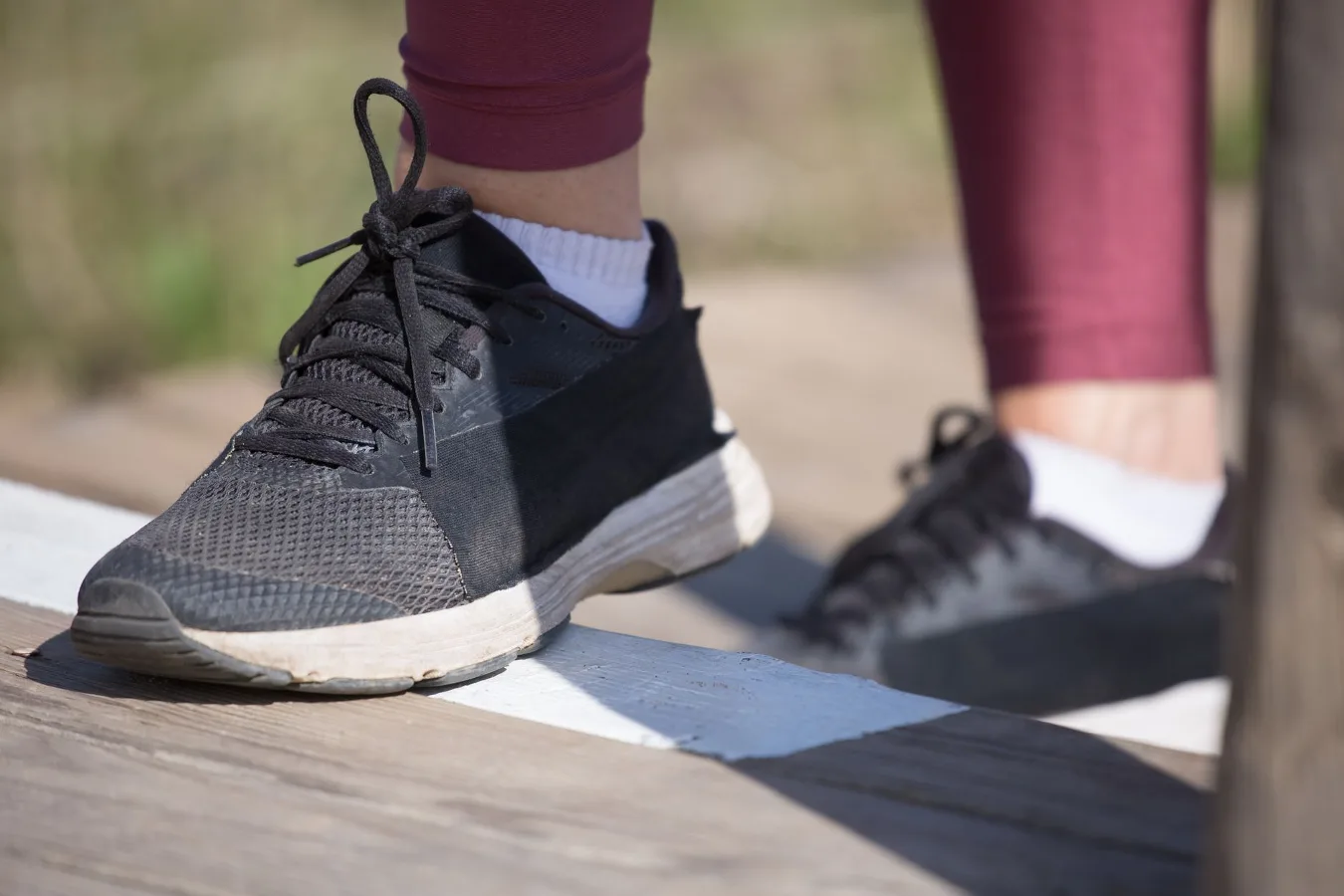
Walking shoes and running shoes are not interchangeable in the way many shoppers assume. They can look similar, but they are built around different movement patterns: walking is a smoother heel-to-toe motion, while running involves a stronger impact and a more aggressive forward transition. running shoes wide toe box offers more detail on this point.
Quick answer: if you walk most of the time, choose walking shoes or a versatile trainer designed for walking and everyday wear. If you run, choose running shoes. If you do both, the best option depends on which activity matters most and how much you prioritize cushioning, flexibility, and support. comfortable sneakers for everyday wear offers more detail on this point. related advice on on cloud sneakers offers more detail on this point.
The difference matters because a shoe that feels fine in the store may behave differently over miles of use. A running shoe can feel overly soft or springy for casual walking, while a walking shoe may feel too stiff or not cushioned enough for repeated running impact.
How walking shoes and running shoes differ
The most useful way to compare them is by movement mechanics rather than by appearance. Walking usually keeps one foot on the ground at all times, and the body rolls from heel strike to toe-off with less vertical impact. Running creates a flight phase, higher landing force, and a more pronounced need for shock absorption and forward propulsion.
That difference influences the design of the shoe:
- Cushioning: running shoes often use more cushioning to manage repeated impact, while walking shoes may use a more moderate feel for all-day comfort.
- Flexibility: walking shoes usually flex more easily through the forefoot to match the walking gait.
- Stability: running shoes may include more structured features depending on the type of runner and pronation support needs.
- Heel shape: many running shoes have a higher heel-to-toe drop, while walking shoes often feel flatter and more natural for standing and strolling.
- Weight and geometry: running shoes can be designed to promote faster transitions, while walking shoes focus more on steady, relaxed movement.
These differences are not universal. Some modern training shoes blur the line and can work for light walking or occasional jogging. Still, purpose-built shoes usually perform better when used for the activity they were designed around.
Which shoe is better for walking?
For pure walking, a walking shoe is usually the safer default. It is typically made to support repeated steps, long periods on your feet, and a walking gait that does not need the same level of impact protection as running.
Walking shoes often make sense if you:
- walk for exercise, errands, commuting, or travel
- spend long hours standing or moving at a steady pace
- want a shoe that feels stable and easy to wear all day
- prefer a more natural, less aggressive ride underfoot
A common misconception is that more cushioning automatically means more comfort for walking. That is not always true. Too much softness can feel unstable on long walks or make the shoe feel less controlled. For many walkers, a balanced midsole with good flex at the forefoot is more practical than an ultra-plush running shoe.
Walking shoes also tend to suit people who value predictable ground contact, especially on hard surfaces such as sidewalks, store floors, and airport terminals. The trade-off is that some walking shoes may not feel lively enough if you occasionally break into a jog.
Which shoe is better for running?
For running, running shoes are the clear choice. They are designed to handle repeated impact, encourage smoother transitions, and support the mechanics of a run more effectively than most walking shoes.
Running shoes generally make more sense if you:
- run outdoors or on a treadmill
- mix easy runs with longer sessions
- need more impact management under repetitive landing forces
- want shoe categories built around neutral, stability, or motion-control needs
Running shoes can feel too specialized for casual all-day walking, but that depends on the model. Some are light and flexible; others are heavily cushioned and may feel awkward when used only for errands or standing. The key is that the shoe’s geometry is optimized for forward motion at running pace, not just relaxed walking.
Another nuance: many people assume a running shoe is always better because it has more technology. That is not true for walking. If your primary activity is walking, a running shoe may feel unnecessarily tall, soft, or unstable under slow, repetitive steps.
Comparison by the factors that matter most
| Factor | Walking shoes | Running shoes |
|---|---|---|
| Cushioning feel | Usually balanced for steady comfort | Often more impact-focused and responsive |
| Flexibility | Typically flexes well through the forefoot | Varies, but often tuned for forward motion |
| Stability | Often steady for long wear and upright posture | Can range from neutral to highly structured |
| Use case | Walking, standing, travel, daily wear | Jogging, training, treadmill running |
| Ground feel | Often more controlled and predictable | Can feel softer or more energetic depending on the model |
The best choice depends less on labels and more on how the shoe behaves under your specific routine. A person who walks 10,000 steps a day has different needs from someone who runs three times a week and walks only casually.
Common mistakes people make when choosing between them
1. Buying for looks instead of gait. A sleek running shoe or a classic walking sneaker may look versatile, but appearance does not tell you how the shoe distributes pressure, bends, or supports your stride.
2. Assuming one shoe can do everything. Some models can multitask, but hybrid use has limits. A shoe that works well for gym walking and light jogging may still be a poor match for long runs or all-day standing.
3. Ignoring width and toe room. Comfort is not only about cushioning. A shoe that pinches the forefoot or crowds the toes can feel worse than a less cushioned pair with better fit.
4. Choosing excessive softness for walking. Overly plush midsoles can feel unstable during long walks, especially for people who prefer a firmer platform.
5. Overlooking the sock liner and upper. Breathability, seam placement, and upper structure affect how the shoe feels after several hours, not just the first few minutes.
6. Using worn-out shoes as a benchmark. If your old shoes have compressed midsoles or uneven wear, a new pair may feel very different even if it is technically the right category.
What to look for if you walk more than you run
If walking is your main activity, prioritize comfort over sport-specific speed features. A good walking shoe should feel easy to step into, stable while standing, and flexible enough to roll through a natural stride.
Useful features include:
- a smooth forefoot flex point
- stable heel placement
- comfortable midfoot hold without squeezing
- enough cushioning for repeated pavement use
- breathable materials for warm weather or long wear
Also consider where you walk. Indoor walking and daily errands may call for a lighter, more casual shoe, while long outdoor walks on concrete often benefit from a more durable sole and better underfoot protection.
If you stand a lot during the day, a walking shoe or comfortable everyday trainer may feel better than a performance running shoe with a pronounced rocker or aggressive geometry. That subtle difference can matter over many hours.
What to look for if you run even occasionally
If you run at all with any regularity, a real running shoe usually makes more sense than a walking shoe. Even short runs create impact patterns that are different from walking, and shoes built for runners are designed with that in mind.
Focus on:
- fit through the midfoot and heel
- adequate toe room for foot swelling during runs
- the amount of cushioning you prefer under impact
- stability needs based on your stride and comfort
- surface compatibility, such as pavement, track, or treadmill
If you split your time between walking and running, a neutral running shoe or a lightweight trainer may be the most practical compromise. That said, the right compromise depends on which activity creates the greater demand. A shoe that feels fine for a short jog may still be too specialized for full-day walking, and vice versa.
Can you use running shoes for walking?
Yes, running shoes can be used for walking, and many people do exactly that. The question is not whether it is allowed, but whether it is the best fit for your routine.
Running shoes may work well for walking if you want:
- extra cushioning underfoot
- a lightweight feel
- a shoe that can double for occasional exercise
They may be less ideal if you prefer a stable, grounded feel or if the shoe’s geometry makes slow walking feel awkward. Some running shoes are also designed with a more dramatic heel-to-toe drop that may feel unusual during long periods of standing.
The reverse is more limiting: walking shoes are generally not the best choice for regular running. They can sometimes handle very light jogging, but repeated running puts different demands on the midsole, outsole, and upper.
Choosing based on your real-world routine
A practical way to decide is to match the shoe to your most common use case, not your occasional one.
- Mostly walking: choose a walking shoe or a comfortable everyday trainer.
- Mostly running: choose a running shoe.
- Walking and a little running: consider a versatile training shoe or a neutral running shoe if the running portion matters more.
- Standing all day: prioritize comfort, stability, and fit over category labels.
- Travel and mixed use: look for a balanced shoe that feels comfortable for both steps and long periods on foot.
This is one of the overlooked considerations in the walking shoes vs running shoes debate: the shoe that is technically best for the activity may not be best for your schedule. A commuter who walks several miles a day and occasionally runs may need different balance points than a dedicated runner.
Where people go wrong with fit and comfort
Fit problems are often mistaken for category problems. A shoe may feel bad because it is too narrow, too short, or too loose in the heel, not because it is a walking shoe or a running shoe.
Pay attention to these basics:
- Toes should have room to move without sliding forward.
- The heel should feel secure without rubbing.
- The midfoot should feel supported but not cramped.
- Arch support should match your comfort preference, not force a particular sensation.
If a shoe feels uncomfortable immediately, do not assume it will break in perfectly later. Materials can soften a bit, but a poor fit often remains a poor fit. That is especially true for width and shape.
Practical alternatives if you want one pair for everything
If you do not want separate shoes for walking and running, look at versatile options rather than assuming either category alone will solve everything. Cross-training shoes, lightweight trainers, and some neutral running shoes may work for mixed routines, depending on your priorities.
These options are worth considering when:
- you walk for most of the day but run occasionally
- you want a gym shoe that also handles errands
- you prefer fewer shoes in rotation
- you value convenience over maximum specialization
The trade-off is that versatile shoes rarely excel at every task. They tend to be a compromise between cushioning, flexibility, support, and durability. For many people, that compromise is perfectly reasonable. For serious runners or heavy walkers, category-specific shoes usually make more sense.
Final take
The right answer to walking shoes vs running shoes is straightforward once you define the activity. Walking shoes are usually better for walking, standing, and everyday comfort. Running shoes are better for running because they are built for repeated impact and forward motion.
If you only remember one thing, remember this: choose the shoe that matches your most frequent movement pattern, not the one that sounds more advanced. That approach usually delivers better comfort, better wear, and fewer regrets after a few weeks of use.