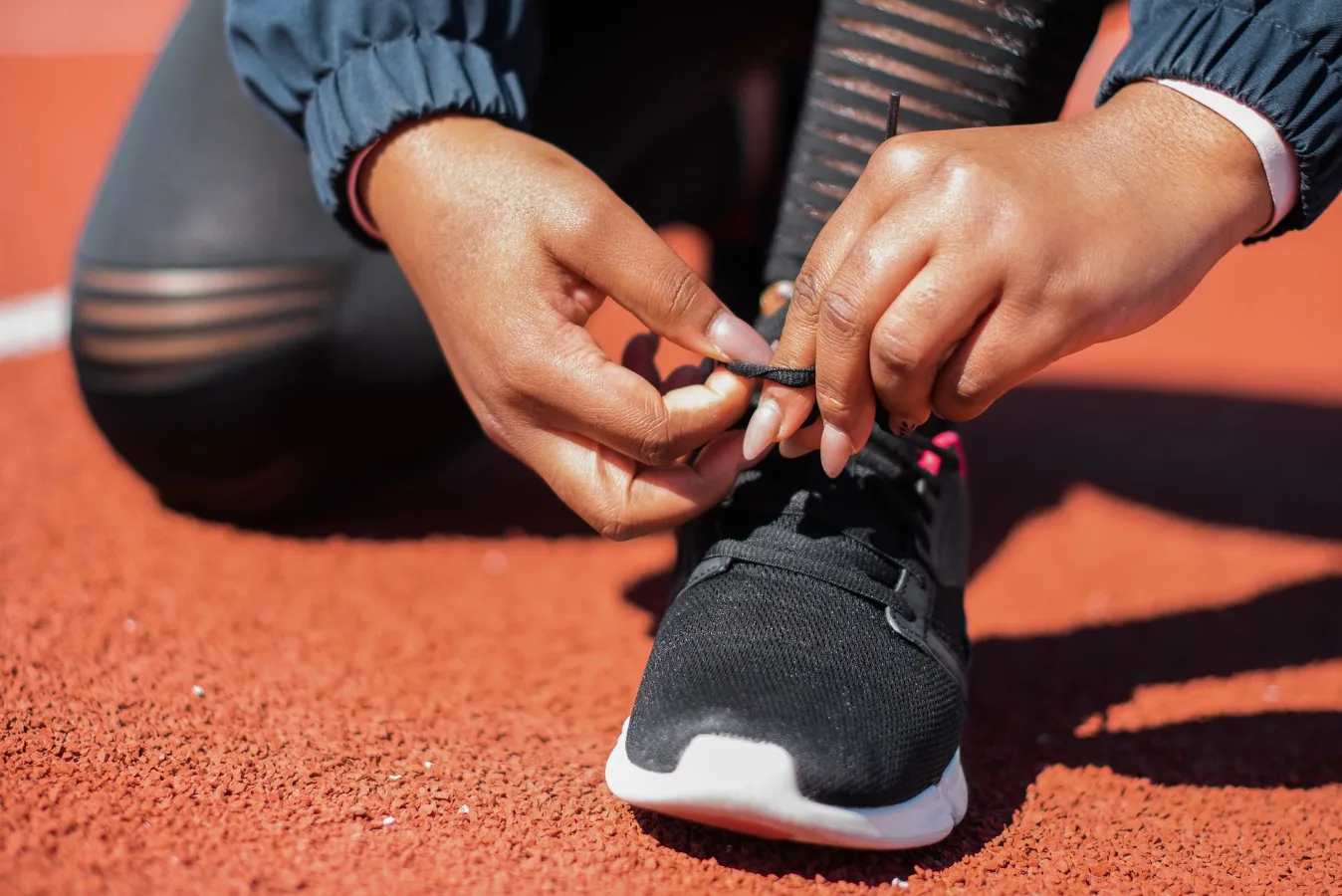
If you want running shoes with a wide toe box, the main goal is simple: give your forefoot enough room to spread naturally without the shoe feeling loose everywhere else. That matters for comfort, but it also affects stability, blister risk, and how your foot behaves as it lands and pushes off. good running shoes for heavy guys offers more detail on this point.
The best choice is not always the widest shoe on the shelf. A good wide-toe-box running shoe should feel secure through the heel and midfoot while leaving space at the front for toe splay. That balance is what separates a genuinely comfortable fit from a shoe that simply feels oversized. guide to sneakers by new balance offers more detail on this point.
Who benefits most from a wide toe box?
A wide toe box is useful for more than people who think they have “wide feet.” Runners often look for this shape when they feel pressure across the forefoot, get repeated rubbing on the little toe or big toe, or notice that their toes feel cramped after longer runs. It can also help if your feet swell during exercise, which is common on longer outings or in warm weather.
This fit can be especially helpful for runners who prefer a more natural toe spread. The toes play a role in balance and push-off, so a box that compresses them can feel restrictive even when the rest of the shoe seems correct. That said, not every runner needs extra room up front. Some people prefer a closer, more performance-oriented fit, especially for faster sessions or racing.
Buyer scenario: when the wide toe box matters most
If you regularly finish runs with red spots on the sides of your toes, a bruised nail, or a hot spot near the forefoot, toe box shape deserves more attention than cushioning alone. A roomy front can be especially useful for daily trainers, long-run shoes, and easy-mile shoes where comfort matters more than a locked-in racing feel.
It also becomes important if you use orthotics, wear thicker socks in colder months, or have a foot shape that is broad in the forefoot but not necessarily wide through the heel. In those cases, a standard-width shoe may fit one part of the foot while causing pressure elsewhere. wide-fit sneakers for everyday wear offers more detail on this point.
What makes a toe box feel wide?
Width labels help, but toe box design is more than a width designation. Two shoes can both be marked wide and still feel very different. One may simply add volume throughout the upper, while another creates more room specifically where the toes need it.
Look at the shape of the forefoot, not just the label. A shoe with a foot-shaped front, a less tapered profile, and flexible upper materials often feels roomier than a narrow-looking shoe that happens to come in a wide size. The amount of vertical space matters too. Some runners need width, while others need height because their toes press upward against the upper.
Common misconception: wide size and wide toe box are not identical
A common mistake is assuming a wide-size shoe automatically solves toe-box pressure. Sometimes it does, but not always. A wider midfoot or heel can make the shoe feel bulky, while the toe area still tapers too sharply. That is why shape matters as much as width designation.
If your heel slides in a shoe that is wide everywhere, you may need a model with a more anatomical front rather than a blanket increase in overall volume. Fit is a system, not a single measurement.
Material and construction factors that change the fit
The upper is one of the biggest determinants of how a running shoe feels around the toes. Soft engineered mesh, knit constructions, and overlays with some give can adapt better to foot shape than stiff, highly structured uppers. That flexibility can make a shoe feel more forgiving even before it has fully broken in.
By contrast, dense overlays, rigid toe bumpers, and heavy reinforcement can reduce usable space in the front of the shoe. They may improve durability or hold, but they can also create pressure if your toes sit high or flare outward. The same is true of seams placed near the little toe or big toe, where friction can become noticeable on longer runs.
The outsole and midsole shape matter too. A broad platform under the forefoot can make a shoe feel more stable, but if the upper narrows sharply above that platform, the fit may still feel restrictive. This is one reason it helps to consider the whole shoe rather than focusing only on the sole width.
Materials and build details to compare
- Upper flexibility: Softer mesh and flexible knit uppers usually adapt better to foot shape.
- Toe seam placement: Fewer seams near pressure points can reduce rubbing.
- Forefoot structure: A less tapered front can create more natural toe spread.
- Midfoot hold: Secure lacing and a supportive midfoot help prevent the foot from sliding forward.
- Upper volume: Some runners need width, while others need more depth above the toes.
How to judge fit before you buy
Start with the shape of your foot in motion, not just your street-shoe size. Many runners find they need more room in running shoes than in casual shoes because feet swell and move differently under load. A shoe that feels acceptable standing still may feel tight after ten minutes of running.
Check the front of the shoe for enough length and width. Your toes should not press into the front when you go downhill or when your foot slides forward. At the same time, you should not have so much extra space that the foot shifts around inside the shoe. A little room in front of the longest toe is useful; excessive space can create instability.
Pay attention to the midfoot and heel as well. A roomy toe box is only helpful if the rest of the fit keeps the foot centered. If the heel lifts, you may compensate by over-tightening the laces, which can create pressure elsewhere and undermine the benefit of the wider front.
Decision insight: the best fit often solves one problem without creating another
Runners sometimes chase toe-room alone and end up with a shoe that is too loose through the rearfoot. That can lead to rubbing, reduced control on turns, and a less efficient stride. The ideal choice gives the toes freedom while still holding the rest of the foot in place.
If you have a narrower heel and broader forefoot, look for models known for a secure heel cup and a more anatomical toe shape. That combination is often more successful than simply going up a size.
Trade-offs to think about before choosing a roomier front
A wide toe box improves comfort for many runners, but it is not always the best match for every use case. A roomier front can feel slightly less precise in fast direction changes, particularly if the shoe has a softer upper or a higher-volume fit overall. Some runners like that relaxed feel; others want a more connected sensation.
There is also a difference between comfort on easy runs and efficiency at speed. Racing flats and aggressive tempo shoes often use snugger forefoot shapes to help the shoe feel responsive. If your main need is daily comfort, that trade-off may be worth it. If you want one shoe for every session, you may need a balance rather than the widest possible front.
Another practical trade-off is availability. Not every model comes in a wide size or in multiple widths. In some cases, the best option is a regular-width shoe with a naturally roomy toe box rather than a wide version of a narrow-shaped model.
When a wide toe box is not enough
If your discomfort comes from pronation issues, instability, or arch strain, toe room alone will not solve the problem. A shoe can feel spacious in the front and still fail to provide the support or guidance you need elsewhere. Likewise, if you have a specific medical issue affecting the foot, fit decisions may need to be more cautious.
Some runners also mistake overall looseness for toe-box comfort. If the shoe feels soft and unstructured but your toes are still cramped, the answer is a different shape, not just a more forgiving upper.
In cases of persistent pain, recurring numbness, or repeated nail issues, it is better to look at the broader fit picture: width, length, lacing tension, sock thickness, insole volume, and the way the shoe bends under load.
Alternatives worth considering
If you cannot find a running shoe that feels right in a wide size, there are a few useful alternatives.
- Foot-shaped or anatomical running shoes: These often prioritize toe splay more directly than conventional designs.
- Wide versions of neutral trainers: Good if you want a familiar ride with more forefoot room.
- Roomy daily trainers with soft uppers: Useful when comfort matters more than speed.
- Different lacing methods: Sometimes small fit adjustments solve forefoot pressure without changing shoe size.
Lacing can be overlooked. If the shoe is comfortable in the front but a little sloppy in the heel, a better lacing pattern may improve lockdown without sacrificing toe space. That is often a smarter adjustment than sizing up again.
Next steps for choosing the right pair
If you are comparing running shoes with a wide toe box, start by narrowing the use case. A long-run shoe, an everyday trainer, and a faster workout shoe do not need the same fit profile. Once you know how you will use the shoe, compare toe shape, upper flexibility, midfoot hold, and heel security side by side.
Focus on the signs your foot gives you during wear, not just how the shoe looks on the page. If the toe box feels open but the foot still feels controlled, you are close to the right balance. If the shoe feels roomy in the wrong places or still cramped where your toes actually sit, keep looking.
For shoppers building out a broader running-shoe rotation, wide toe box models fit naturally alongside guides on neutral shoes, stability shoes, and shoes for wider feet. Those related categories help you refine the next decision once forefoot comfort is the starting point.
Choose the shoe that gives your toes space to work without making the rest of the fit feel vague. That balance is usually what turns a promising model into a shoe you can actually run in consistently.