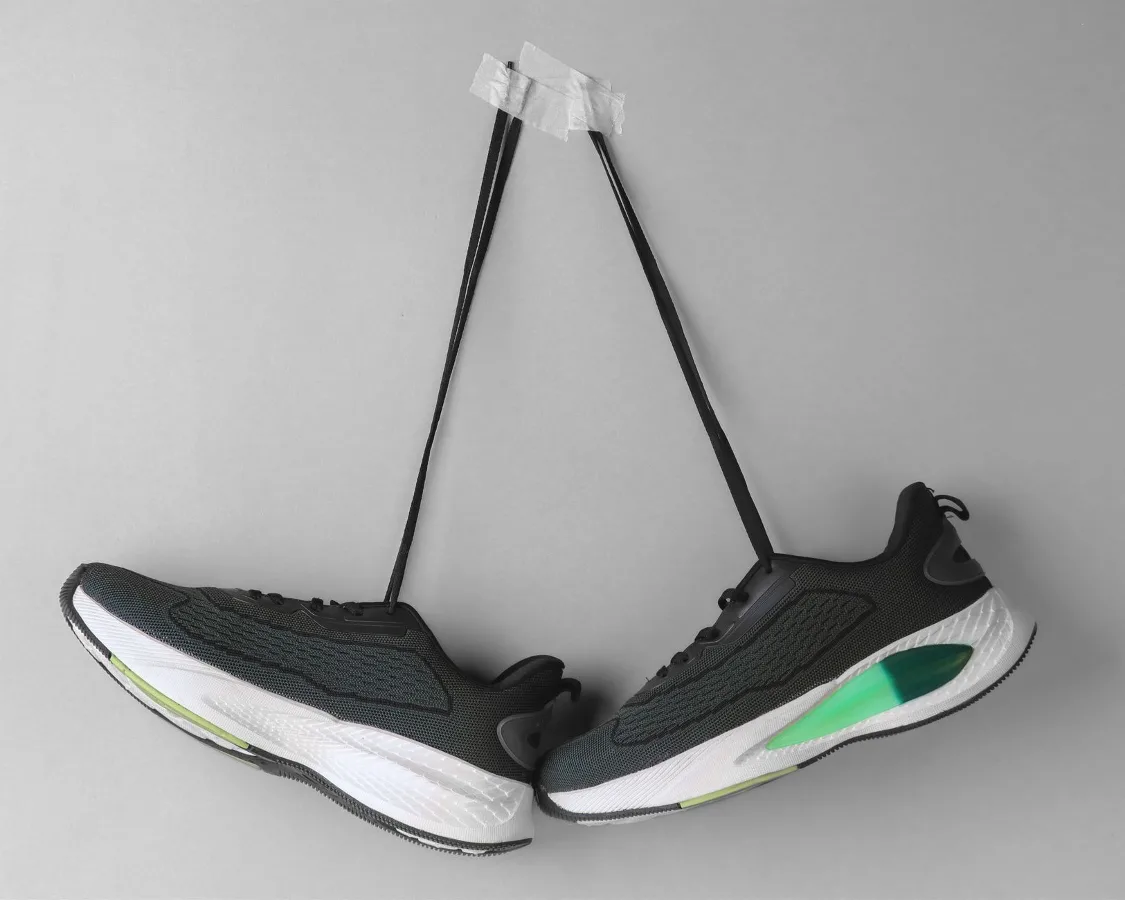
Neutral running shoes for ladies are the right starting point for runners whose feet land and push off without needing extra guidance from the shoe. If you do not overpronate significantly, a neutral shoe usually gives you the cushioning, comfort, and flexibility you need for road running, treadmill sessions, and everyday training. best running shoes for runners with bunions offers more detail on this point. cushioned shoes for everyday mileage offers more detail on this point.
The tricky part is that “neutral” does not automatically mean “best.” The right pair still depends on your foot shape, preferred cushioning, weekly mileage, and how much support you want underfoot. A shoe can be neutral and still feel too firm, too soft, too narrow, or simply wrong for your stride.
What neutral running shoes are designed to do
Neutral running shoes are made to let your natural gait happen without added posting or corrective support. Instead of steering the foot inward or holding it in place with firm medial structures, they focus on cushioning, smooth transitions, and a ride that feels balanced from heel strike to toe-off.
For many women, that makes neutral shoes a versatile choice. They work well for runners with a neutral gait, high arches that do not need motion control, or anyone who wants a simple daily trainer for easy miles and general fitness use. They are also common among runners who prefer a more natural underfoot feel.
A common misconception is that neutral shoes are only for experienced runners. That is not true. They can be a good match for beginners too, as long as the fit is right and the runner does not need stability features for comfort or injury management.
The main factors that matter most
Fit comes before everything else
The best neutral shoe on paper will fail if the fit is off. Women’s running shoes often differ in heel shape, forefoot volume, and width options, so pay attention to how the shoe feels around the heel, midfoot, and toes. A secure heel helps prevent slipping, while enough toe room lets your feet swell naturally during a run. women’s running shoe fit guide offers more detail on this point.
One overlooked consideration is that fit can change depending on the sock you wear and the time of day you try shoes on. Feet are usually a little larger later in the day, which is closer to how they behave during exercise. That makes sizing checks more reliable than trying shoes on at their smallest.
Cushioning should match your preferences
Neutral shoes range from firm and responsive to soft and plush. Neither is automatically better. Firmer cushioning can feel more connected to the road and may suit runners who like a snappy transition. Softer cushioning can feel more forgiving on longer runs or during recovery days.
The trade-off is that extra softness does not always equal better performance. Some runners find very soft shoes less stable or less efficient for fast turnover. Others love the comfort. The right answer depends on your stride, your pace, and whether you want one shoe for everything or different shoes for different runs.
Ride and flexibility affect how natural the shoe feels
A neutral shoe should usually allow a smooth heel-to-toe transition. Some have more flexible forefoots, while others use rocker shapes or structured midsoles to help the shoe roll forward. That can change how easy the shoe feels during long runs, walks, and everyday errands.
If you prefer a more natural bend under the forefoot, look for a shoe that feels flexible enough without collapsing. If you want less effort at toe-off, a rocker-style neutral trainer may feel better. There is no universal winner; the best ride is the one that matches how you move.
Weight can influence daily comfort
Lighter shoes often feel quicker and less bulky, which can appeal to runners who want a nimble trainer. Heavier models may still be comfortable, but they can feel more substantial during faster efforts or longer sessions. Weight is worth considering, though it should not override fit or comfort.
For many buyers, the sweet spot is a shoe that feels easy to lift and move in without feeling stripped down. If a shoe disappears on foot, that is usually a better sign than chasing the lowest possible weight number.
How to decide whether neutral shoes are right for you
The simplest clue is how your current shoes wear and how your feet feel after running. If you have used neutral shoes comfortably in the past, or if stability features have always felt unnecessary, another neutral pair may be the most practical choice. Runners with a neutral gait often find these shoes easiest to live with for everyday training.
If you have had recurring discomfort that seems linked to poor support, or if previous shoes felt unstable on the inside edge, a stability model may deserve a look instead. Neutral shoes are not a fix for every running problem, and choosing them just because they are common can be a mistake.
Another useful clue is your running surface. Neutral shoes are usually strongest on roads, tracks, treadmills, and other predictable surfaces. If you split time between road and light trail, you may need a more versatile outsole or a separate shoe for off-road use.
Practical ways to narrow the options
Think about your main use case
A neutral shoe for easy miles does not need the same feel as one for faster workouts or long weekend runs. For daily training, many runners want dependable cushioning and a comfortable upper. For speed sessions, a more responsive and lightweight shoe may be better. For longer runs, stable cushioning and a smooth transition often matter more than a flashy profile.
If you plan to use one pair for walking, errands, and short runs, comfort and all-day wearability may matter more than race-day responsiveness. That broader use case can justify a slightly more durable, slightly less aggressive shoe.
Pay attention to upper construction
The upper affects comfort more than many shoppers expect. Breathable mesh can help with heat management, while a more structured upper can improve hold through the midfoot and heel. Some runners prefer a soft, forgiving upper; others want a firmer, more secure wrap.
If you have a narrow heel or a foot that slips in soft footwear, look carefully at heel security. A well-fitting upper can make a neutral shoe feel more stable without adding actual motion-control elements.
Consider width options if available
Many women’s running shoes come in standard and wide fits, and that difference can matter even if length is correct. Toe crowding, side pressure, and numbness are often width problems rather than length problems. If your foot feels compressed, a wider option may solve the issue without changing the shoe type.
This is especially useful for runners who swell during longer runs, use thicker socks in cooler weather, or simply prefer more room in the forefoot.
Where neutral shoes can disappoint
Neutral running shoes are not ideal for every runner or every day. If you need added guidance because your feet roll in strongly, a neutral shoe may feel too permissive. If you like a very structured base, some neutral models can feel unstable to you even when they are technically well made.
Another limitation is that not every neutral shoe balances cushioning and stability equally well. Very soft midsoles can feel comfortable in the store but less controlled later in a run. Very firm shoes may feel efficient but harsh if you prefer a softer landing. Those trade-offs matter more than brand labels.
There is also a common shopping trap: assuming one pair can solve every training need. A neutral daily trainer may be excellent for most runs, but it may not be the best choice for speed work, wet-weather traction, or rugged surfaces. Alternatives such as stability shoes, lightweight trainers, or trail models exist for a reason.
A simple buying framework
| What to evaluate | What to look for | Why it matters |
|---|---|---|
| Fit | Secure heel, enough toe room, no pressure points | Comfort and injury prevention start with fit |
| Cushioning | Firm, balanced, or plush depending on preference | Affects comfort, response, and long-run feel |
| Ride | Smooth transition from landing to toe-off | Shapes how natural the shoe feels while running |
| Upper | Breathable, secure, and not overly restrictive | Improves comfort and lockdown |
| Width | Standard or wide options if needed | Prevents crowding and pressure |
| Use case | Daily miles, long runs, treadmill, walking | The best shoe depends on the job it needs to do |
Common mistakes shoppers make
- Choosing a neutral shoe simply because it is popular.
- Ignoring width and focusing only on length.
- Confusing softness with better support.
- Buying for looks instead of ride and fit.
- Using one shoe for every type of run without checking whether it suits the task.
- Assuming a neutral shoe will work if the discomfort is actually caused by gait support needs.
Practical solutions if the first pair is not quite right
If the shoe feels too soft, try a firmer neutral trainer or a model with a more structured midsole. If it feels too harsh, move toward more cushioning rather than more support. If the heel slips, experiment with a different upper shape, a more secure lacing method, or a different width.
If the forefoot feels cramped, do not automatically size up without checking width first. Increasing length too much can create a sloppy fit elsewhere. A wider version is often the cleaner solution.
If you are unsure whether neutral is the right category, compare the sensation with a stability shoe in the same brand or family. The difference in support, not just the marketing label, can make the answer obvious.
Who usually benefits most from neutral running shoes
Neutral running shoes are often a strong fit for women who want a straightforward daily trainer, runners with a neutral stride, and anyone who prefers cushioning without corrective features. They are also useful for people who want a shoe that can handle casual walking as well as short or moderate runs.
They are less convincing for runners who clearly need motion control, those who want a highly protective trail outsole, or shoppers who need a very precise medical or biomechanical solution. In those cases, the category matters less than the underlying fit and function.
A practical way to shop without overthinking it
Start with your main use case, then narrow by fit, cushioning, and ride. Ask whether you want a soft landing, a more responsive feel, or something in between. Check whether you need standard or wide sizing. Then make sure the shoe feels comfortable standing still, walking, and moving, because a good running shoe should work in more than one posture.
That approach keeps the decision grounded. Neutral running shoes for ladies are not about chasing the most technical-looking pair. They are about finding a shoe that matches your stride, your mileage, and your comfort preferences well enough that you want to wear it again tomorrow.