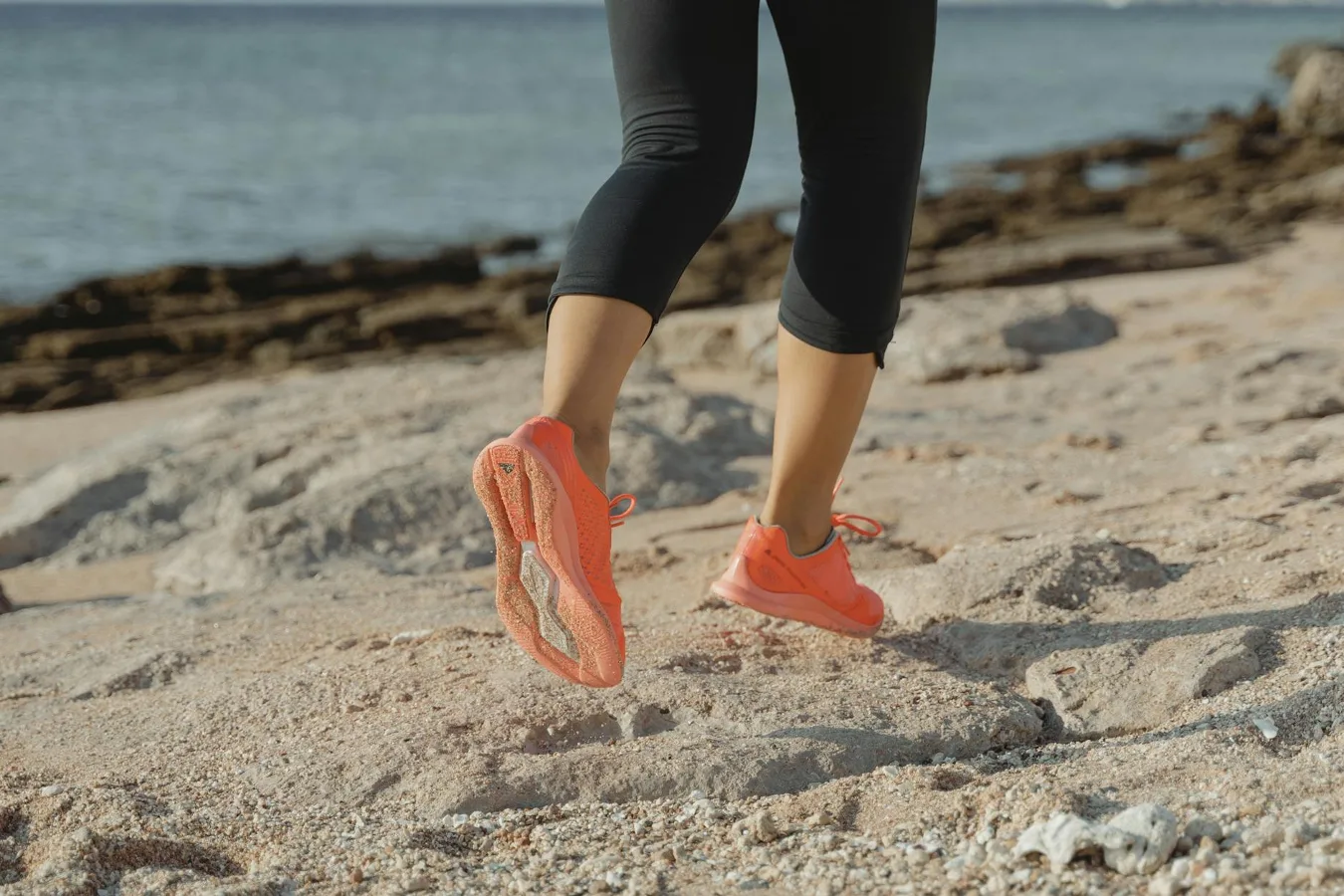
Who Pegasus Trail 5 trail running shoes are for
Pegasus Trail 5 trail running shoes are best understood as a versatile option for runners who split time between pavement, packed dirt, gravel, and moderate trails. They are not the type of shoe most people buy for steep, muddy, technical mountain routes. Instead, they appeal to runners who want one pair that can handle a little of everything without feeling overly aggressive underfoot. best altra running shoes offers more detail on this point.
That makes the model especially relevant for road-to-trail runners, beginners moving into off-road running, and anyone who uses park paths, rail trails, and neighborhood connectors as part of a training route. The main appeal is balance: enough trail-oriented features to feel appropriate off pavement, but not so much structure that the shoe becomes clunky on easier surfaces. road-to-trail shoe guide offers more detail on this point.
If your usual route includes a mix of surfaces and you want a shoe that leans comfortable rather than specialized, this is the right category to consider. If your runs regularly involve loose rocks, deep mud, or steep descents, you may want a more aggressive trail shoe instead.
The key factors that matter most
For shoes like this, the real decision usually comes down to five areas: fit, underfoot comfort, traction, protection, versatility. Those are the traits that determine whether a shoe feels like a useful daily trainer or a compromise you regret after a few runs.
Fit and lockdown
A trail shoe should hold the foot securely enough to feel stable on uneven ground, but not so tightly that it creates pressure during longer runs. Fit matters even more on trails because the foot is more likely to move side to side or slide forward on descents. A secure midfoot and a stable heel are often more valuable than a dramatic-looking outsole.
Runners with wider feet should pay close attention to toe box space and forefoot volume. Trail models sometimes feel different from road shoes even when the size number is the same, so comparing fit against your current running shoes is more useful than assuming your usual size will always work.
Cushioning and ride feel
Many runners choose a shoe like Pegasus Trail 5 because they want cushioning that feels comfortable on longer outings but still controlled enough for varied terrain. The trade-off is that more cushioning can sometimes make the shoe feel less precise on rocky or off-camber ground. That is not necessarily a flaw; it is a design choice.
If you prefer a softer, more forgiving ride, this style of shoe can be a good match. If you want maximum ground feel for technical trails, look elsewhere. Neither approach is inherently better. The right choice depends on the terrain you actually run most often.
Traction and outsole pattern
Traction is one of the most misunderstood parts of trail shoe shopping. More aggressive lugs are not automatically better. They can help in mud or loose soil, but they may feel unnecessary, less comfortable, or even less efficient on dry, hard-packed surfaces and road sections.
For a shoe intended for mixed use, the key question is whether the outsole pattern suits the terrain you encounter most often. If your runs involve mostly dry trails, crushed gravel, and occasional wet patches, a moderate tread pattern is often more practical than an extreme one.
Protection without excess bulk
Trail shoes often add protection through a rock plate, reinforced upper, toe bumper, or more durable outsole rubber. The value of that protection depends on where you run. On smoother paths, extra armor may not matter much. On rocky or root-filled trails, it can make the difference between a comfortable run and a distracting one.
The practical nuance is that protection always comes with a trade-off. More structure can mean less flexibility and sometimes a less natural road feel. That is why hybrid trail shoes tend to be most appealing to runners who want enough protection for occasional rough sections, not maximum defense for highly technical terrain.
How to decide if this type of shoe fits your routes
The simplest way to judge Pegasus Trail 5 trail running shoes is to look at your average week, not your best-case trail day. Many runners overestimate how often they really need a hardcore trail shoe. If most of your mileage comes on pavement, greenways, packed dirt, or gentle park trails, a versatile model may make more sense than a specialized one.
Ask three questions:
- Do I run on pavement as part of my normal route?
- Are my trails generally dry and moderately smooth, or steep and technical?
- Do I want one pair for mixed surfaces, or a shoe only for difficult trails?
If the answer to the first two leans yes and your trails are mostly moderate, this category is a strong fit. If your answer points toward rough, wet, or highly uneven routes, a more aggressive design is usually the better tool.
Practical strengths to look for in a mixed-use trail shoe
A good road-to-trail shoe should do a few things well without trying to do everything. The best ones usually offer:
- enough cushioning for longer easy runs
- a stable platform for changing surfaces
- grip that works on dirt, gravel, and light trail terrain
- a reasonably durable upper for abrasion from trail debris
- comfort that still feels acceptable on short road segments
This is where Pegasus Trail 5 trail running shoes fit the conversation. They are designed for runners who value convenience and flexibility, not for those who want a highly specialized race-day trail weapon. That distinction matters because it shapes expectations. A shoe can be excellent at its intended job and still be the wrong choice for the wrong route.
Common limitations to keep in mind
No versatile trail shoe is perfect. The biggest limitation is usually specialization. A model that transitions well between road and trail may feel less confident in mud, deep loose dirt, or very technical terrain than a shoe built specifically for those conditions.
Another common misconception is that trail shoes automatically solve traction problems. In reality, traction depends on a mix of outsole design, terrain type, moisture, and your own running style. A shoe can have good grip on dry dirt and still feel underwhelming on slick clay or steep wet rock.
There is also the comfort-versus-protection trade-off. If a trail shoe is built to feel smooth on pavement, it may sacrifice some of the toughness and bite that serious trail specialists want. That is not a defect. It is a sign that the shoe is targeting a broader, more mixed-use audience.
Alternatives worth considering
If you are comparing Pegasus Trail 5 trail running shoes with other options, the best alternative depends on how often and where you run.
- Road-to-trail shoes: best if you spend meaningful time on both pavement and easy trails.
- Neutral daily trainers: better if the trail portion of your route is minimal and mostly smooth.
- More aggressive trail shoes: better for mud, steep terrain, and technical footing.
- Lightweight trail shoes: useful if you want a quicker feel for short, non-technical runs.
A practical mistake is choosing a shoe based on the most dramatic part of your trail running rather than the most common part. If your routine is mostly moderate terrain, an overly aggressive shoe can feel unnecessarily harsh on every easy run.
Buying guidance: what to check before you order
Before buying, focus on the parts of the shoe that affect day-to-day usability more than marketing language. Start with your terrain, then your fit, then your preferred ride feel.
- Match the outsole to the surface. Look for a tread pattern that fits your typical trails, not just the roughest route on your list.
- Compare fit to your current shoes. Consider heel hold, toe room, and whether you usually need a wider platform.
- Think about route mix. If pavement is common, a more versatile build is usually smarter than a heavy trail specialist.
- Check your comfort priorities. Decide whether you want a softer ride, a more connected feel, or more protection.
- Be honest about terrain. Muddy, rocky, or highly technical trails call for different tools than park paths and gravel connectors.
One overlooked consideration is transition comfort. Many runners buy trail shoes for the trail segment and forget about the miles before and after it. If your route starts on sidewalks, crosses roads, or ends with a long paved return, a shoe with some road friendliness can be more useful than one that excels only off pavement.
How this shoe category fits into a broader trail rotation
Not every runner needs a single do-everything shoe, but many benefit from pairing a versatile trail shoe with another option. A common rotation is a road shoe for pure pavement days and a trail shoe for mixed or off-road runs. Some runners also keep a more rugged trail model for bad-weather days and a lighter hybrid shoe for regular training.
If you build a rotation, this type of model often becomes the most used pair because it handles the widest range of conditions. That can be a smart long-term value choice, especially for runners who do not want to maintain several highly specialized shoes.
Quick decision guide
Choose Pegasus Trail 5 trail running shoes if you want a comfortable, versatile option for mixed surfaces, park trails, dirt paths, and general training. Look elsewhere if your runs are dominated by mud, loose technical terrain, or steep mountain trails. best shoes for mixed terrain runs offers more detail on this point.
The deciding factor is not whether the shoe is “good” in general. It is whether its balance of cushioning, traction, and comfort matches the way you actually run. For many recreational trail runners, that balance is exactly what makes this category appealing.
FAQ
Are Pegasus Trail 5 trail running shoes good for beginners?
Yes, they can be a sensible choice for beginners who want one shoe for mixed routes. The forgiving ride and versatile design may make the transition from road to trail easier, especially on moderate terrain.
Can I use them on pavement?
They are generally suited to pavement segments as part of a mixed route. If most of your running is on roads, a dedicated road shoe will usually feel more efficient and more natural.
Are they good for muddy trails?
They are usually a better match for dry or moderately loose trails than deep mud. Mud performance depends heavily on outsole lug design, so runners who frequently face wet, sloppy ground may want a more aggressive trail shoe.
Do I need to size up in trail running shoes?
Not always. Fit varies by foot shape and model, so the safer approach is to compare toe room, heel hold, and midfoot security rather than assuming a size change is necessary.
What is the main advantage of a road-to-trail shoe?
The main advantage is flexibility. It lets you run mixed routes without changing shoes, which is useful for everyday training, commuting to a trail, or routes that combine streets, paths, and dirt.