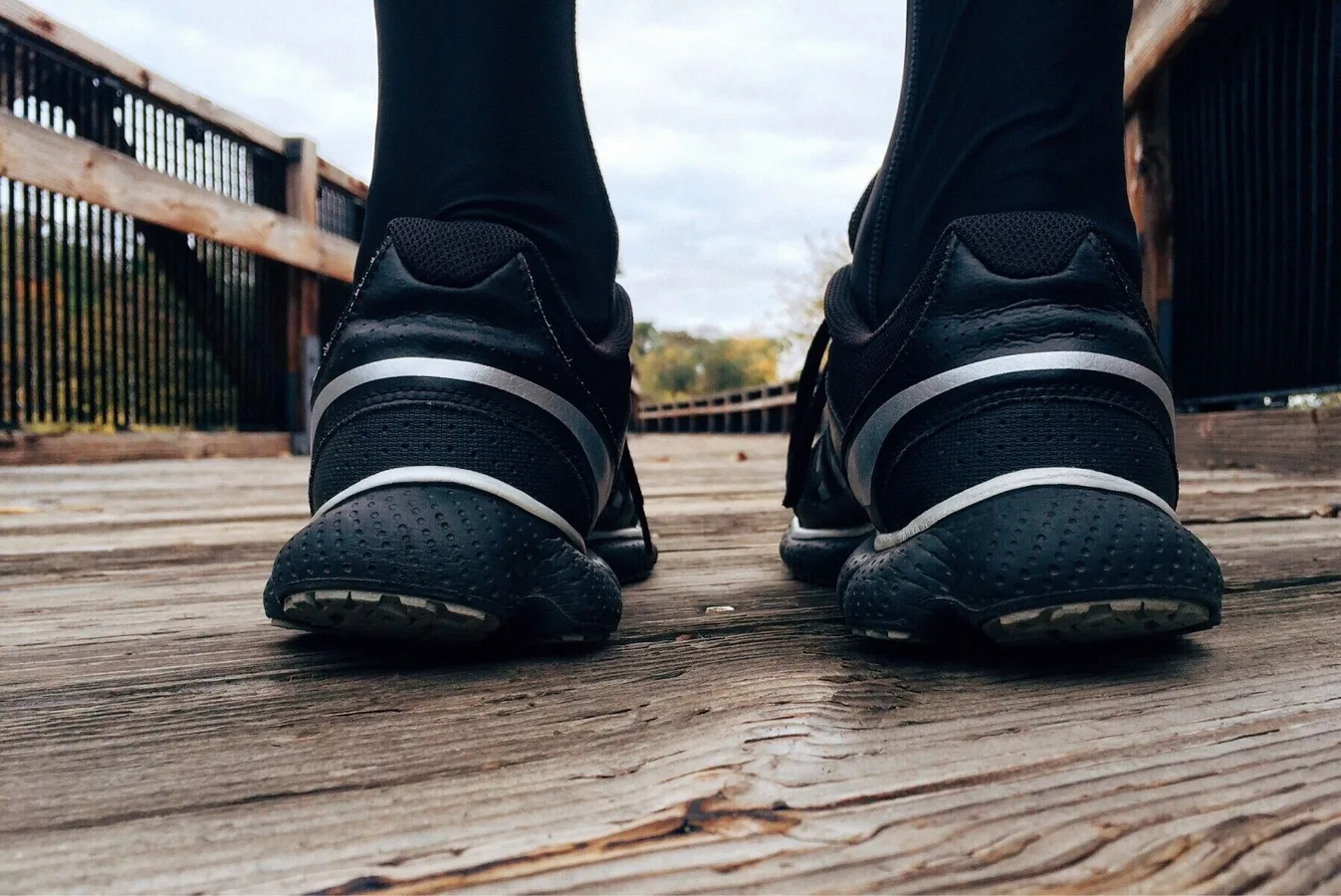
Craft running shoes make the most sense for runners who want performance-oriented footwear and are comparing options by fit, ride, and terrain rather than by brand name alone. If you are trying to decide whether Craft running shoes are right for you, the most useful approach is to focus on the shoe’s intended use: road, trail, daily training, or faster sessions. running shoe fit guide offers more detail on this point. how to choose the right running shoes offers more detail on this point. motion control running shoes offers more detail on this point.
That matters because running shoes are not interchangeable. A shoe that feels ideal for a tempo run may feel harsh on long easy miles, while a cushioned daily trainer may feel too soft for technical terrain. The right Craft running shoe should match your route, your pace, and your preference for cushioning, ground feel, and support.
What to expect from Craft running shoes
Craft is better known in endurance sports than in casual sneaker culture, and that is part of the appeal for runners who want gear built around training use rather than fashion. When shoppers search for Craft running shoes, they are usually looking for a shoe that fits into a real training plan: something for road mileage, mixed workouts, or trail runs depending on the model.
Instead of judging the brand as a whole, it helps to evaluate the specific shoe category. A road running shoe should prioritize smooth transitions and comfort on pavement. A trail shoe should emphasize grip, underfoot protection, and confidence on uneven ground. A lightweight speed shoe should feel nimble, but that often comes with less cushioning and less forgiveness on longer outings.
The key factors that matter most
Fit and sizing
Fit is the first filter, and for running shoes it matters more than almost any other detail. A good running shoe should hold the heel securely, leave enough room in the toe box for foot swelling, and avoid pressure across the forefoot or arch. If you plan to use Craft running shoes for longer sessions, a slightly more forgiving fit can be more comfortable than a snug race-style feel.
Pay attention to width as well as length. Some runners can size up and still feel cramped if the shoe’s platform or upper is narrow. If you have a wide forefoot, high instep, or sensitive toes, look closely at the shape of the last and the openness of the upper. A shoe can be technically the right length and still be the wrong fit.
Cushioning and ride
Cushioning is not just about softness. It affects how the shoe feels at landing, how quickly it recovers under load, and how stable it feels when you change pace or direction. A more cushioned Craft running shoe may be a better fit for daily training or recovery runs, while a firmer, lighter option may suit runners who want a more responsive feel.
There is a common misconception that more cushioning always means more comfort. For some runners, too much softness can feel unstable or dull, especially on turns or on tired legs. The right amount of cushioning depends on body mechanics, body weight, running surface, and the type of workout you do most often.
Support and stability needs
Not every runner needs a stability shoe, and not every neutral shoe is automatically right for everyone. The real question is how stable the shoe feels during your stride. If your ankles collapse inward, you feel sloppy in the midfoot, or you prefer a guided platform on longer runs, stability characteristics may matter. If you run efficiently in neutral shoes, forcing extra structure can feel unnecessary.
For Craft running shoes, it is best to look at the specific category rather than assume the brand follows one support formula across its lineup. Match the shoe to your gait, but also to the amount of structure you personally enjoy. Some runners want a more secure platform even if they do not technically need correction.
Traction and surface compatibility
Traction is an overlooked consideration because many buyers focus on cushioning first. Yet outsole grip can make a big difference in confidence, especially in wet conditions or on loose terrain. Road shoes need reliable pavement grip and smooth transitions. Trail shoes need lugs and outsole compounds that help on dirt, gravel, mud, and rocks.
If you run on mixed surfaces, think carefully before choosing a shoe that is heavily specialized. A trail shoe with aggressive traction may feel awkward on long stretches of concrete. A road shoe may feel out of place if your usual route includes roots, loose rock, or slippery descents.
Upper materials and breathability
The upper affects comfort more than many runners expect. A breathable upper can help in warm weather and during longer efforts, but breathability should not come at the cost of lock-down. A sloppy upper can let the foot slide, which may lead to blisters or wasted energy.
Look for balance. A well-designed upper should secure the midfoot without creating hot spots. If you live in a hot climate or run year-round, ventilation matters. If you often run in cold, wet, or muddy conditions, a more protective upper may be the better compromise.
How to choose the right Craft running shoe for your use
For daily training
If you want one pair to handle most miles, prioritize comfort, durability, and a ride that feels easy over many repetitions. Daily trainers are usually the most forgiving category because they balance cushioning with enough structure for routine use. They are often the safest starting point if you are unsure what style of runner you are.
A daily training shoe is also the most practical choice if you rotate only one or two pairs and want something that can handle warm-ups, easy runs, and moderate long runs without demanding a specific pace.
For faster workouts
If you are shopping for tempo runs, intervals, or race-day efforts, weight and responsiveness matter more. A lighter shoe can feel quicker and less tiring at speed, but it may offer less protection for slower or longer runs. This is a trade-off, not a flaw.
Many runners make the mistake of buying a fast shoe and expecting it to replace a daily trainer. That usually leads to disappointment. Speed shoes are often best as a second pair, used intentionally for quality sessions rather than as the only shoe in rotation.
For trail running
For trail use, the main questions are grip, protection, and stability on uneven ground. A trail shoe should help you stay confident on technical terrain, not just feel comfortable when standing still. Consider the kind of trails you actually run: smooth packed dirt, loose gravel, muddy forest paths, or rocky mountain routes each place different demands on the shoe.
If your trails are mild and you split time between road and dirt, a less aggressive outsole may be more versatile. If your routes are technical, traction and protection become much more important than a soft feel underfoot.
For long-distance comfort
For longer runs, the best shoe is usually the one that disappears on your foot. That means no obvious pressure points, no unstable squish, and no heel slip once your feet swell. Long-run shoes tend to work best when they are secure, moderately cushioned, and predictable late in the run.
Do not assume the softest option is the safest choice for endurance miles. If the platform feels unstable or the upper rubs after an hour, it is not a good long-run shoe for you, no matter how comfortable it felt in the store.
Trade-offs to think through before buying
Every running shoe involves compromise. More cushioning often means more bulk. More traction often means a stiffer ride on road surfaces. A lightweight upper may breathe well but wear faster. A highly responsive shoe may feel lively at speed but less forgiving on easy days.
That is why the best choice depends on the role you want the shoe to play in your rotation. If you want one versatile pair, aim for balance. If you are building a two-shoe setup, it can make sense to separate jobs: one pair for daily mileage and one for faster sessions or trails.
Another practical nuance: a shoe that feels good for the first mile is not necessarily a good running shoe. Test the fit mentally against your longest typical run, your common surfaces, and the state of your feet late in the week when fatigue has built up.
Common mistakes shoppers make
- Choosing by brand alone instead of by specific use case
- Assuming more cushioning automatically means more comfort
- Ignoring toe-box shape and width
- Buying a trail shoe for road-heavy running without considering stiffness and grip
- Picking a speed shoe as a daily trainer
- Overlooking upper security and heel hold
- Not accounting for foot swelling on longer runs
Practical ways to narrow your choice
If you are comparing Craft running shoes, start with the kind of running you do most often. Then narrow by terrain and comfort preference. That order usually works better than starting with appearance or cushioning claims.
- Identify your main use case. Road, trail, mixed terrain, daily training, or speed work.
- Decide your cushioning preference. Do you want a softer underfoot feel or a firmer, more responsive ride?
- Check fit details. Focus on toe room, heel security, midfoot hold, and width.
- Consider the surface. Choose outsole grip and protection based on where you actually run.
- Think about rotation. Decide whether this shoe needs to do everything or just one job well.
If you are still unsure, a balanced daily trainer is usually the safest choice. It is the easiest category to live with, especially if you are not already rotating multiple pairs.
When an alternative may be the better choice
Craft running shoes are not automatically the best answer for every runner. If you need a very specific fit, a very wide platform, a maximal cushion setup, or a highly specialized racing shoe, it may be worth comparing other brands and models alongside Craft. The best shoe is the one that fits your foot, your route, and your weekly mileage pattern.
Alternatives are especially worth considering if you have had repeated issues with toe-box pressure, arch irritation, or heel slippage in similar shoes. Those problems are often fit issues rather than branding issues, and the shape of the shoe matters as much as the label.
Care and longevity basics
Running shoes last longer when you let them dry fully between runs, remove heavy dirt after trail use, and avoid storing them in hot, damp places. If you use one pair for everything, it will usually wear faster than a rotation of two shoes with different jobs.
Watch for practical signs of wear: uneven outsole wear, loss of midsole feel, upper stretch that affects lockdown, and new discomfort that was not there when the shoes were newer. Performance drop is often gradual, so it helps to pay attention before the shoe becomes obviously tired.
Who Craft running shoes are best for
Craft running shoes are most appealing to runners who care about function-first gear and who want to choose based on performance needs rather than lifestyle styling. They may be a strong fit for runners who already know whether they prefer neutral or more supportive designs, and for those building a purposeful rotation for road, trail, or training.
If you are a beginner, the safest route is to choose the simplest version that fits well and suits your usual route. If you are more experienced, you may appreciate how a specific model serves a narrower purpose, especially if you already know what kind of ride you want.
FAQ
Are Craft running shoes good for beginners?
They can be, especially if you choose a versatile daily trainer style. Beginners should prioritize fit, comfort, and ease of use over highly specialized features.
Should I choose Craft running shoes for road or trail?
Choose based on where you run most often. Road shoes are better for pavement and predictable surfaces, while trail shoes are better for grip and protection off-road.
Do I need more cushioning for long runs?
Not always. Long runs usually benefit from comfort and stability, but the best level of cushioning depends on your stride, pace, and how stable the shoe feels over time.
Can one pair of Craft running shoes do everything?
Sometimes, but with trade-offs. A balanced daily trainer can cover many runs, though speed work and trail running often benefit from more specialized shoes.
How do I know if the fit is wrong?
Common signs include heel slipping, toe crowding, pressure on the midfoot, numbness, or a lack of stability when you run. If a shoe feels off in the first few minutes, it usually does not improve on a run.