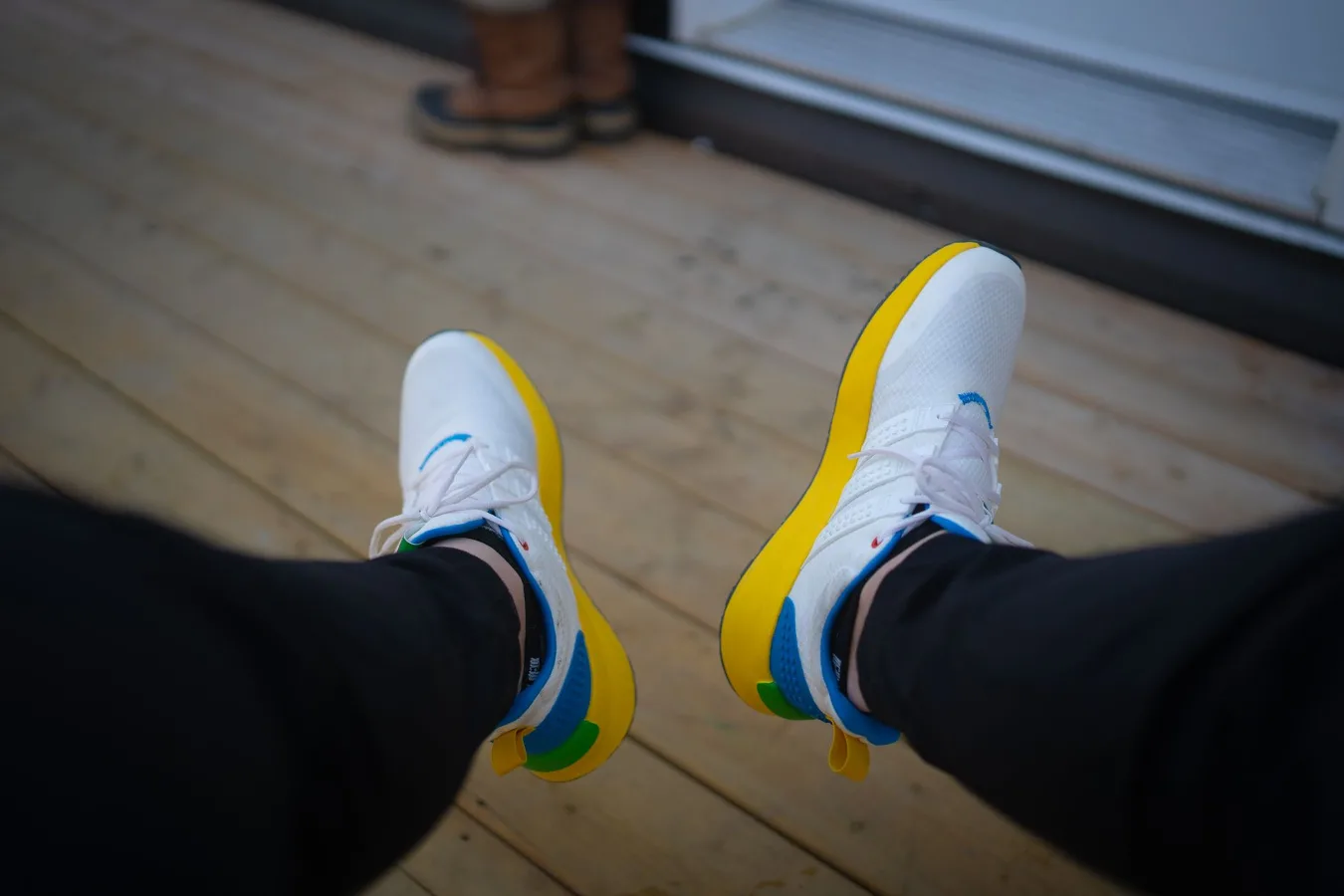
If you’re shopping for adidas sneakers, the best place to start is not with style alone but with how you’ll wear them. The right pair depends on fit, cushioning, upper material, and whether you want a shoe that leans more casual, sporty, or retro. adidas size and fit guide offers more detail on this point. on cloud sneakers offers more detail on this point. how to clean white sneakers offers more detail on this point.
For most buyers, adidas sneakers make sense as everyday shoes: easy to wear, versatile with casual outfits, and available in a wide range of silhouettes. The challenge is narrowing the options without getting distracted by colorways or trend-driven releases that may not suit your feet or routine.
Quick answer: how to choose adidas sneakers
Choose adidas sneakers based on your main use case first. If you want a daily casual shoe, prioritize comfort, support, and a material that matches your lifestyle. If you want a cleaner fashion look, leather or smooth synthetic uppers are easier to style and usually simpler to maintain. If breathability matters more, mesh or knit-style uppers can feel lighter.
The most reliable decision factors are fit, comfort under load, outsole grip, and whether the silhouette works with your wardrobe. Many buyers also overlook one practical issue: some adidas sneakers look similar on the outside but wear very differently in the footbed and upper structure.
What matters most before you buy
Adidas sneakers span a lot of categories, so the same brand name can hide very different wearing experiences. A retro court-style sneaker, a chunky lifestyle trainer, and a running-inspired casual shoe may all share the three stripes, but they are built for different priorities.
Fit and shape
Fit should come before color or hype. A sneaker can look perfect online and still disappoint if the toe box feels too narrow, the heel slips, or the arch shape does not match your foot. If you often have trouble with snug forefoot areas, focus on models known for a roomier or more forgiving shape, and pay attention to customer guidance on width rather than assuming every adidas sneaker fits the same.
One common misconception is that sizing is uniform across all adidas sneakers. It often is not. Different silhouettes can feel slightly tighter or more generous depending on materials, padding, and structure.
Upper material
Material affects comfort, breathability, maintenance, and appearance. Leather or synthetic leather typically gives a cleaner, more polished look and is easier to wipe down. Suede adds texture and a classic feel, but it needs more careful care and is less forgiving in wet or messy conditions. Mesh and knit uppers generally breathe better and can feel lighter, which is useful for long days or warmer weather.
If you want a shoe that can move between errands, casual office settings, and weekend wear, a simple leather or leather-like upper is often the most practical choice. If you care more about airy comfort, a textile-heavy sneaker may be a better fit.
Cushioning and underfoot feel
Not every adidas sneaker is designed to feel soft in the same way. Some pairs are meant to deliver a stable, grounded feel that works well for standing and walking, while others lean into a plusher step. If you prefer a more natural feel underfoot, avoid assuming that more cushioning always means better comfort. Some people find overly soft midsoles unstable for all-day wear.
A useful way to think about it: choose the amount of cushioning that matches your routine, not the most technical-sounding one. For city wear, commuting, and daily errands, moderate cushioning and a stable base are often more useful than a highly specialized setup.
Outsole and traction
For everyday use, outsole grip matters more than many shoppers realize. Smooth soles may look sleek, but they can be less practical on wet pavement or polished indoor surfaces. If you expect to wear your sneakers in mixed conditions, look for a tread pattern that gives some bite without feeling heavy or stiff.
Traction is especially worth considering if your day includes stairs, transit platforms, or changing surfaces. A stylish sneaker that feels slippery is rarely a good long-term purchase.
Common adidas sneaker styles and what they do best
You do not need to know every model name to shop well, but understanding the major style families helps you avoid buying the wrong type of shoe.
Retro and heritage-inspired sneakers
These are the easiest adidas sneakers to style with jeans, joggers, chinos, and relaxed casual outfits. They usually have a straightforward profile and a familiar look that has stayed relevant for years. Their strength is versatility. Their limitation is that they may not offer the softest or most athletic-feeling ride compared with newer lifestyle shoes.
Court-style sneakers
Court-inspired adidas sneakers often work well if you want something clean, simple, and low-profile. They are especially useful if you prefer minimal branding or a shoe that can lean slightly smarter with the right outfit. The trade-off is that some court shoes prioritize appearance over cushioning, so they are worth checking carefully if comfort is your main concern.
Running-inspired lifestyle sneakers
These shoes borrow visual cues from performance runners but are made for casual wear. They can be a good option if you like a more technical look and want extra comfort for walking or long days. The nuance here is that performance-inspired style does not automatically mean performance-level function. Treat them as lifestyle shoes first unless the product is specifically meant for running.
Chunky and fashion-forward trainers
Bold trainer silhouettes offer a stronger style statement and can work well if you like a modern streetwear look. They can also provide a more substantial underfoot feel. The drawback is that they are usually less subtle and may be harder to pair with slimmer outfits or more understated wardrobes.
How to match adidas sneakers to real-life use
The right adidas sneakers for a student, commuter, office wearer, or weekend shopper are not always the same pair. Matching the shoe to your actual routine is one of the most practical ways to avoid disappointment.
| Use case | What to prioritize | What to avoid |
|---|---|---|
| Everyday casual wear | Comfort, versatility, easy styling | Overly delicate materials if you wear them often |
| Long walking days | Stable cushioning, secure fit, decent traction | Very flat or overly rigid soles |
| Fashion-focused outfits | Clean lines, balanced proportions, quality finish | Bulky shapes that overpower your wardrobe |
| Warm-weather wear | Breathable uppers, lighter construction | Heavy layered materials without airflow |
| Low-maintenance use | Easy-clean materials, simple construction | High-care suede if you want minimal upkeep |
A practical mistake is choosing a shoe only for how it photographs. A sneaker that looks great in a product shot may feel too rigid, too narrow, or too warm in daily use.
Comparison: choosing between common adidas sneaker types
If you are deciding between options, compare them by use rather than by name recognition alone.
- Choose leather or synthetic leather if you want easier cleaning and a more polished look.
- Choose suede if texture and classic styling matter and you are willing to care for it properly.
- Choose mesh or textile uppers if breathability and a lighter feel are priorities.
- Choose heritage silhouettes if you want the most versatile styling range.
- Choose trainer-style sneakers if you prefer a more modern, sport-forward aesthetic.
For many shoppers, the best balance is a sneaker that is visually simple, structurally comfortable, and built with materials that fit local weather and maintenance habits. In the U.S., where daily routines can vary from commuting to driving to long stretches on foot, that balance often matters more than chasing the trendiest release.
Mistakes to avoid when shopping for adidas sneakers
Several buying mistakes come up again and again, and most are easy to avoid once you know what to look for.
- Assuming every adidas sneaker fits the same. Different models can feel noticeably different on foot.
- Ignoring material care. Suede and light colors demand more attention than smooth leather or synthetic uppers.
- Prioritizing looks over wearability. A stylish shoe that pinches or rubs will not become a good buy later.
- Overestimating performance features. Some lifestyle sneakers borrow athletic design language without offering true training or running functionality.
- Forgetting wardrobe compatibility. A shoe that works with only one outfit category is harder to justify as an everyday purchase.
- Choosing very delicate finishes for heavy use. If you plan to wear the pair often, durability and upkeep should weigh heavily.
Another overlooked consideration is climate. Breathable uppers can be more comfortable in warm months, while easier-to-clean materials are often better for unpredictable weather or messy commutes.
Alternatives worth considering
If adidas sneakers are not the perfect fit for your needs, a few alternative directions may be better depending on what you value most.
- Minimal leather sneakers if you want a cleaner, more refined everyday look.
- Dedicated walking shoes if all-day support matters more than style flexibility.
- Retro court sneakers from other brands if you want a similar visual profile with different fit characteristics.
- Running shoes used only for exercise if you need true sport-specific performance rather than lifestyle appeal.
Thinking in terms of use case instead of brand loyalty usually leads to a better purchase. adidas has strong options across several sneaker categories, but the right choice still depends on your foot shape, routine, and style preferences.
How to get more value from the pair you choose
Good sneaker value is not just about price. It comes from how often you can wear the pair, how easily it fits into your outfits, and how much upkeep it requires.
If you want the broadest return on wear, consider a neutral color and a simple silhouette. If you want something more expressive, be honest about how often you will actually wear a louder pair. Many shoppers end up with a sneaker that looks great but functions like a special-occasion item, which lowers its value as an everyday shoe.
Maintenance also plays a role. Keeping the upper clean, letting sneakers dry properly, and using care methods that match the material will usually extend the useful life of the pair more than any styling trick can.
Final buying guidance
The best adidas sneakers are the ones that match your feet, your wardrobe, and your routine. Start with fit, then narrow by material, comfort, and how much care you are willing to give the shoe. That approach is more reliable than shopping by name alone.
If you want an everyday sneaker that works across most situations, aim for a versatile silhouette with a secure fit, reasonable cushioning, and a material you can maintain without hassle. If you want a style-first shoe, make sure the design still supports the way you actually live. That balance is where the smartest adidas purchase usually happens.