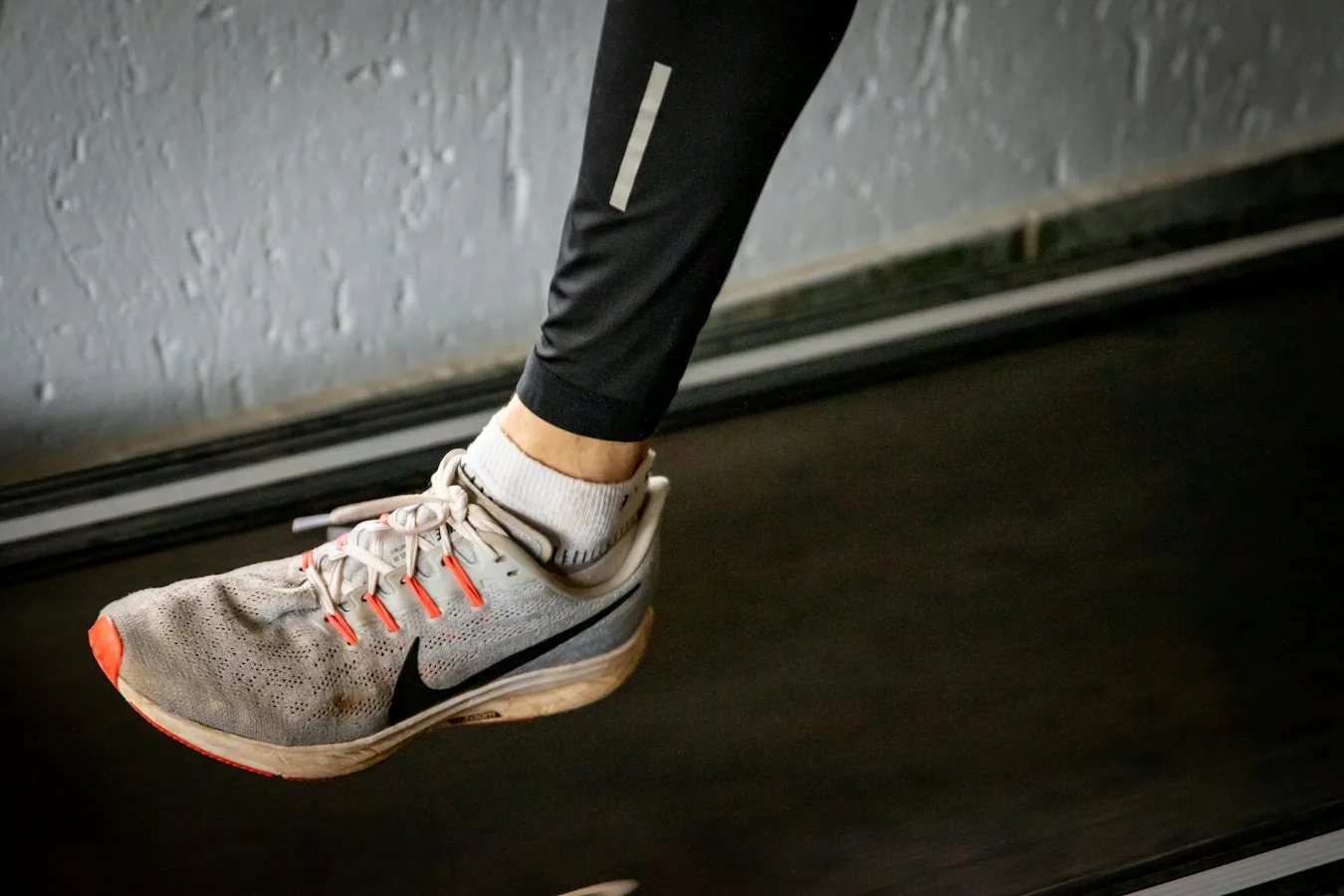
If you want the best treadmill running shoes, start with a simple idea: you usually need less aggressive traction and more comfort than you would for outdoor road miles. A good treadmill shoe should feel cushioned enough for repeat sessions, breathable enough for indoor heat, and stable enough that the foot does not slide around on the belt. Shoes guide offers more detail on this point. Best Kids Running Shoes: What to Buy offers more detail on this point. best neutral running shoes offers more detail on this point.
The right pair depends on how you run. A light, flexible shoe can feel excellent for easy treadmill runs and interval work. A more cushioned trainer may be better if you spend longer sessions on the belt or prefer a softer landing. The main goal is not to buy the most technical shoe on the shelf; it is to choose one that matches treadmill use without wasting energy on features you do not need.
What treadmill runners should prioritize first
Treadmill running changes the equation in a few subtle ways. The moving belt already helps with turnover, and the flat, controlled surface reduces some of the variability you get outdoors. That means certain shoe traits matter more than others.
- Cushioning: Enough to keep repetitive indoor miles comfortable, especially if you run often or longer than a quick workout.
- Breathability: Mesh uppers and lighter materials help manage heat, which tends to build up faster indoors.
- Stable platform: A shoe that feels secure underfoot reduces unnecessary wobble during steady runs or incline work.
- Secure fit: Heel lockdown and a toe box that matches your foot shape matter more than flashy design details.
- Simple outsole design: You do not need aggressive trail lugs for a treadmill, and overly sticky rubber can sometimes feel unnecessary.
A common misconception is that treadmill running requires a special category of shoe. In practice, many road running shoes work very well indoors. The better question is whether the shoe’s construction suits your pace, mileage, foot shape, and comfort preferences.
Buyer scenario: which type of runner are you?
The best treadmill running shoes for one person may feel too soft, too firm, or too bulky for someone else. Matching the shoe to the runner is usually more useful than chasing a single “best” label.
If you do mostly easy miles
Look for a comfortable daily trainer with dependable cushioning and a smooth ride. Easy treadmill runs tend to reward shoes that disappear on foot rather than shoes with aggressive geometry or race-day stiffness. If your sessions are moderate in length, a balanced shoe often makes more sense than an ultra-maximal model.
If you use the treadmill for intervals or speed work
A lighter shoe with a lively feel may be more appealing. You may still want some cushioning, but too much stack can feel less precise when you change pace often. For this use case, fit and responsiveness matter as much as softness.
If you walk and run on the same machine
Choose a shoe that is comfortable at slower speeds and still secure once you start running. Cross-use can expose fit problems faster than steady running alone. A shoe that feels fine at a jog but sloppy during walking can become annoying over time.
If you have wider feet or prefer room up front
Pay attention to toe box shape. Treadmill running often involves repetitive forward movement, and cramped forefoot fit can become distracting during longer indoor sessions. Wide sizing or naturally roomier models are worth considering if your toes feel compressed.
Trade-offs that matter more than most buyers expect
One overlooked consideration is that treadmill shoes often work best when they are slightly less rugged than outdoor shoes. You do not need the same level of abrasion resistance or aggressive tread pattern, but you still need enough structure to keep the ride stable. That creates a trade-off: lighter and softer can feel better at first, while slightly firmer and more structured can feel better over repeated use.
Another practical nuance is ventilation versus support. Very airy uppers can be comfortable, but if the upper is too soft or stretchy, the foot may shift more than you want during faster workouts. A secure midfoot and heel can matter more than having the thinnest possible mesh.
There is also a comfort-versus-efficiency trade-off. Plush shoes can reduce underfoot harshness, especially if you are new to treadmill running or sensitive to impact. But if the midsole is overly soft for your preference, the shoe may feel less precise during tempos, intervals, or incline changes.
Material and spec factors worth comparing
You do not need to decode every product detail, but a few construction points are especially relevant for treadmill use.
Midsole cushioning
The midsole is the main comfort story. EVA-based foams, blended foams, and more modern responsive compounds all aim to balance softness and return. For treadmill running, the right choice depends on how much cushioning you like and whether you prefer a smooth or springy feel. If you are unsure, a balanced daily trainer is often the safest starting point.
Upper materials
Mesh uppers and engineered knits are common because they improve airflow. The best option depends on how the upper fits your foot. A breathable upper that still holds the midfoot and heel securely is usually better than a thin upper that feels airy but unstable.
Outsole coverage
Indoor running does not usually demand heavy-duty lugs. A well-placed rubber outsole can improve durability and traction, but a simpler design may feel smoother and lighter. Too much grip can sometimes feel unnecessary on a treadmill belt, especially if you are moving at a moderate pace.
Heel-to-toe drop
Drop influences how the shoe feels during landing and transition. Some runners prefer a moderate drop for an easy, familiar ride; others like a lower-drop feel that can encourage a more natural transition. The right choice is usually the one that aligns with your current running habit, not the one that sounds best in theory.
Stack height and platform shape
Higher stack shoes can feel comfortable for longer treadmill sessions, but they are not automatically better. If the platform is too tall or narrow for your liking, stability can suffer. A broad, balanced base can be more reassuring for indoor use than maximum cushioning alone.
| Feature | Why it matters on a treadmill | What to favor |
|---|---|---|
| Cushioning | Helps reduce repetitive impact during indoor miles | Enough softness for your usual run length |
| Breathability | Manages heat in an indoor environment | Mesh or well-ventilated uppers |
| Fit | Prevents slipping and pressure points | Secure heel, comfortable toe box |
| Stability | Supports steady stride and pace changes | Broad base and controlled side-to-side motion |
| Outsole | Affects feel, traction, and durability | Simple, durable rubber in key contact zones |
Comfort details that often decide the winner
Two shoes can look nearly identical on paper and feel completely different on foot. The following details often separate a good treadmill shoe from one that sits unused.
- Heel lockdown: If the heel lifts, the shoe can feel sloppy during repeated strides.
- Toe space: A little room helps during swelling and longer workouts.
- Midfoot hold: This matters more than many casual buyers realize, especially during tempo work.
- Flex point: A shoe should bend where your foot naturally bends, not fight against it.
- Seam placement: Indoor miles can expose irritation quickly if the upper rubs in the wrong spot.
Fit is also where many buyers make avoidable mistakes. A treadmill shoe that feels acceptable while standing still may feel different after ten minutes of movement. If possible, leave a little room for foot swelling, especially if you run after work or combine warm-up walking with running.
Support, neutral ride, and the myth of “more is better”
Support needs depend on the runner, not the machine. Some people prefer a neutral shoe because it feels natural and unobtrusive. Others are more comfortable in a stability shoe if they want extra guidance or have historically done better in one. The key is not to assume that treadmill running requires more support by default.
More cushioning is not automatically more comfort either. For some runners, an overly soft shoe can feel unstable, especially at faster speeds or higher inclines. A moderate-cushion trainer often strikes the best balance for indoor use because it keeps the ride comfortable without making the shoe feel vague.
If you are deciding between a neutral and stability model, use your past comfort as a guide. A treadmill does not change your biomechanics enough to ignore what has worked outdoors. It may reduce some impact variation, but it does not erase the need for a shoe that suits your foot and stride.
Common mistakes when buying treadmill shoes
Most bad purchases come from choosing a shoe for the wrong reason. The most common errors are easy to avoid once you know what to watch for.
- Buying for looks alone: A sleek profile does not guarantee comfort or fit.
- Choosing maximum cushioning without checking stability: Soft shoes can feel unstable if the base is too narrow.
- Ignoring heat buildup: A shoe that feels fine for a short run may feel stuffy during longer indoor sessions.
- Using an outdoor trail shoe on the treadmill: Aggressive tread is unnecessary and can feel awkward indoors.
- Picking the wrong size by assuming all brands fit the same: Sizing and volume vary widely.
Another practical constraint is treadmill belt feel itself. Some runners notice that a shoe they enjoy outdoors feels slightly different indoors because the belt and deck already change how impact and turnover are experienced. That is one reason a comfortable, adaptable daily trainer is often a safer bet than a highly specialized shoe.
Good alternatives if a standard running shoe is not ideal
Not every treadmill session needs a traditional neutral trainer. Depending on your routine, a few alternatives may make more sense.
Lightweight training shoes
If you prioritize quick turnover, these can feel more agile than cushioned daily trainers. They are often best for short or moderate runs rather than very long sessions.
More cushioned daily trainers
If comfort is the top concern, a well-cushioned trainer can be the most forgiving choice. Just make sure the shoe still feels stable enough for your pace.
Walking-to-running hybrids
If your treadmill use includes brisk walking, warm-ups, cooldowns, and short jogs, a versatile fitness shoe may be more practical than a pure running model. The trade-off is that you may give up some running-specific efficiency.
Stability shoes
These can be appropriate for runners who already know they prefer guided support. They are not required for everyone, but they are worth considering if you have consistently felt better in structured models.
How to narrow down your choice quickly
If you want a simple decision path, start with your typical workout and then narrow by feel.
- Decide your main use: easy runs, speed work, walking plus running, or longer steady sessions.
- Choose your comfort level: soft and forgiving, or balanced and slightly firmer.
- Check fit priorities: heel hold, toe space, and midfoot security.
- Consider the indoor environment: breathability matters more than many people expect.
- Favor versatility if unsure: a solid daily trainer usually covers the widest range of treadmill workouts.
If you are buying one shoe for multiple uses, versatility usually wins. If you know your treadmill routine is highly specific, such as frequent intervals or long incline walks, choose for that use case rather than trying to satisfy every scenario at once.
Final buying perspective
The best treadmill running shoes are not necessarily the most advanced or the most expensive. They are the pair that fits well, keeps your feet comfortable indoors, and matches the way you actually train. For many runners, that means a breathable daily trainer with balanced cushioning, a secure fit, and a stable platform.
If you are comparing options, keep your attention on the details that matter most indoors: airflow, fit, cushioning balance, and underfoot stability. Those are the factors that tend to affect treadmill comfort run after run. Once you understand your priorities, choosing a good pair becomes much simpler.