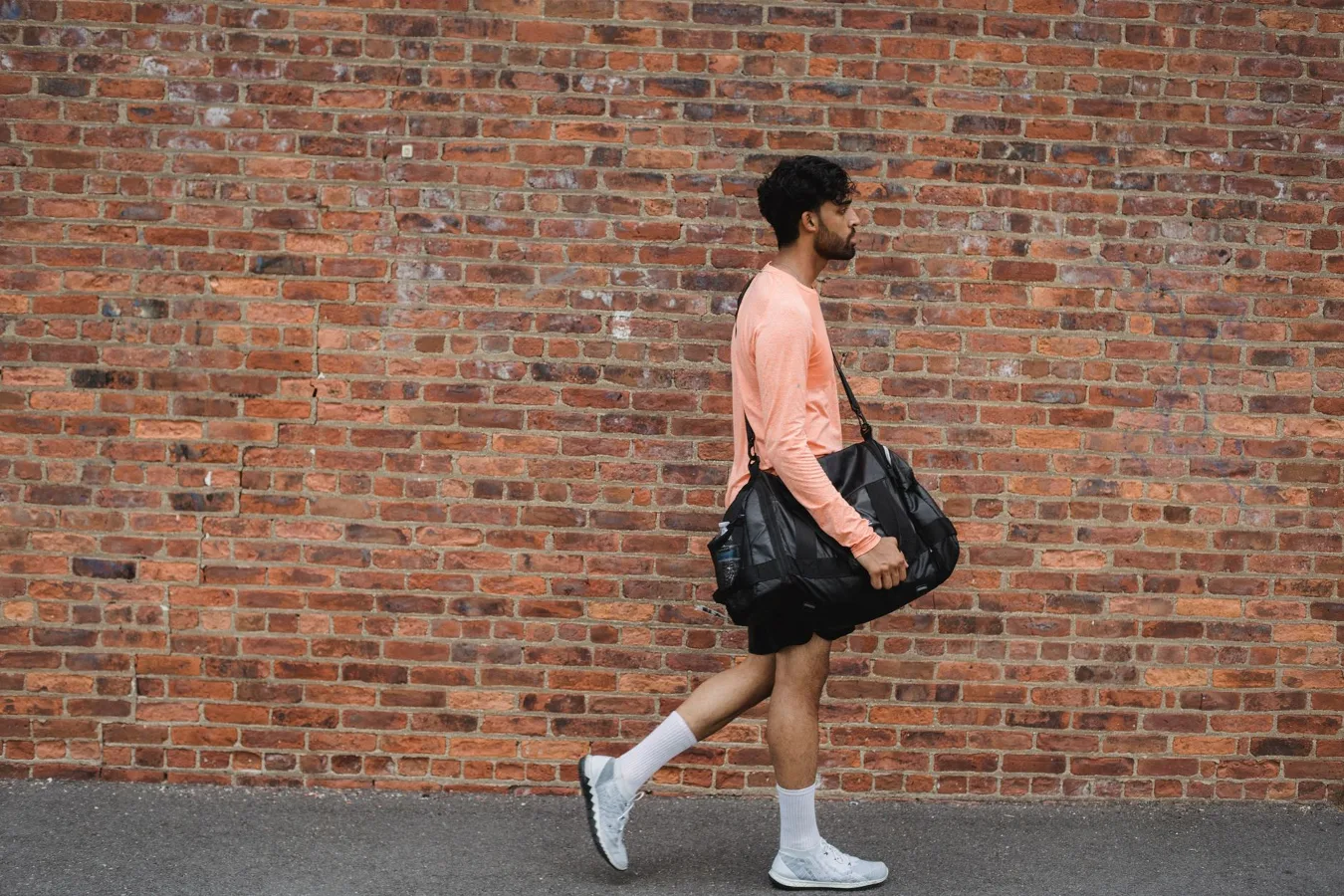
A canvas gym bag is a practical choice if you want something that feels more durable and less synthetic than many nylon workout bags. It usually works best for people who want a simple carry option for the gym, commuting, short trips, or errands, and who do not need a heavily technical or overly specialized bag. gym bag bedrucken offers more detail on this point. Best Boxing Gym Bag Guide offers more detail on this point.
The appeal is straightforward: canvas tends to have a structured, casual look, it usually handles everyday wear well, and it fits naturally into both fitness and lifestyle use. The trade-off is that canvas is not automatically the best option for every routine. If your gear is damp often, if you need easy wipe-clean care, or if you carry a lot of small items, the details matter.
When a canvas gym bag makes sense
A canvas gym bag makes the most sense when you want a bag that can move between settings without looking overly sporty. That is part of its appeal for commuters, students, and anyone who goes from work to the gym. It can carry shoes, a change of clothes, a water bottle, toiletries, and a few accessories without feeling like specialized equipment.
Canvas is also attractive for people who prefer a sturdier-feeling fabric. Compared with some lightweight synthetic bags, it often feels more substantial and less flimsy. That can be useful if you carry heavier items, tend to stuff your bag full, or want a bag that keeps a more stable shape when set down.
It is not the best match for every use case, though. A canvas gym bag may be less convenient if you regularly carry wet towels, swim gear, or sweaty clothes and want a material that dries quickly. It may also be less comfortable than padded technical bags if you carry a heavy load by hand or shoulder for a long commute.
What matters most in a canvas gym bag
Capacity and shape
Size affects usefulness more than most shoppers expect. A bag that looks compact can still hold plenty if the interior is shaped well, while a larger bag can feel awkward if it lacks structure. Think about what you actually carry: shoes, towel, clothes, shaker bottle, toiletries, headphones, a laptop, or a lunch container.
For people who go straight to the gym and back, a moderate-sized duffel-style canvas bag is often enough. If you combine gym use with work or travel, a roomier design with better organization may be more practical. A soft-sided tote can work for light loads, but it may not be ideal if you want your items separated or protected.
Organization and pockets
One common misconception is that a simple canvas bag is always easier to live with because it has fewer features. In practice, the right pockets can make the bag feel much simpler to use. A dedicated shoe compartment, a separate pocket for toiletries, and an easy-access slot for keys or a phone can prevent the bag from becoming a pile of mixed gear.
If you carry wet or sweaty items, look closely at compartment layout rather than only the outer style. A bag without separation may be fine for dry clothes, but it can be frustrating if you regularly carry items you want isolated from the rest of your belongings.
Comfort and carry style
Canvas itself does not determine comfort; the handles, strap design, and overall weight of the bag matter more. Wide handles are easier on the hand, while a shoulder strap can help if you are carrying the bag for longer stretches. If you commute on foot, on transit, or between classes, this becomes more important than it does for short drives.
Think about how the bag sits when full. Some canvas bags look clean and minimal but become awkward once loaded, especially if they lack structure or a reinforced base. A bag that feels manageable when empty can feel very different with shoes, a water bottle, and a towel inside. features to look for in travel bags offers more detail on this point.
Fabric finish and care expectations
Canvas is not a single material experience. Some canvas is plain and breathable, while waxed or treated canvas has more resistance to moisture and a different feel. A treated finish can be useful if you want better protection from light rain or a damp locker room floor, but it may also require different care and may not have the same soft drape as untreated canvas.
Care matters because gym bags pick up odor and grime quickly. Canvas can be durable, but it is not always the easiest fabric to clean. Before buying, consider whether the bag can be spot-cleaned, whether the liner can be wiped out, and whether the shape allows it to dry properly after use.
Durability and construction details
With canvas, construction often matters more than the label. Reinforced seams, sturdy stitching, solid hardware, and a strong base all influence how the bag holds up in daily use. A well-made canvas gym bag should handle repeated opening, closing, stuffing, and carrying without losing shape too quickly.
Also look at stress points: handles, strap anchors, zipper ends, and pocket openings. These are the areas that show wear first on frequently used bags. If those parts look weak or overly thin, the bag may not age well even if the main fabric seems tough.
Canvas gym bag vs. other common options
People often compare canvas with nylon, polyester, leather, or leather-trimmed bags. Each material serves a different priority.
- Canvas suits casual, everyday use and offers a more natural, understated look.
- Nylon and polyester are often easier to wipe down and may be better for wet gear.
- Leather can look polished, but it is usually less practical for sweaty gym use and typically needs more care.
- Waxed canvas can offer a more weather-resistant feel than plain canvas, though it may change the bag’s texture and maintenance needs.
If your main concern is simplicity and a classic look, canvas is a strong middle ground. If your priority is moisture management, lightweight cleaning, or very technical organization, another material may be a better fit.
Use cases that favor canvas
Commute-to-gym routines
Canvas works especially well when the bag needs to look appropriate in more than one setting. If you go from office to studio, campus to fitness center, or coffee shop to class, a canvas gym bag can look more neutral than a brightly branded sports duffel.
Light to moderate gym loads
For people who pack the basics, canvas is often enough. If you only need clothes, shoes, a towel, and a bottle, you may not need a highly specialized performance bag. The simpler build can actually make the bag easier to live with.
Weekend and travel overlap
Many canvas gym bags also function as small travel bags or overnight bags. That overlap can make them a good value if you want one bag that covers multiple routines. The key is whether the interior organization is flexible enough for both uses.
Where canvas can be limiting
Canvas is not perfect, and it helps to be honest about that before buying. Plain canvas can absorb moisture more readily than synthetic fabrics, which is a real drawback if you often deal with damp clothing or rainy conditions. It may also show stains more clearly than darker synthetics, depending on color and finish.
Another limitation is structure. Some canvas bags look great at first but become slouchy when overloaded. That is not always a dealbreaker, but it can make packing less efficient. If you prefer a bag that stays organized on its own, look for internal reinforcement or divider options.
Weight can also be a surprise. Heavy canvas can feel durable, but the bag itself may weigh more than a comparable synthetic option before you even pack it. If you carry it long distances or use public transit, that difference becomes noticeable.
How to choose the right one step by step
- Start with your routine. Decide whether the bag is mainly for the gym, or also for work, school, travel, or errands.
- List the items you carry. Shoes, towel, clothes, toiletries, electronics, and bottles all affect the size and pocket layout you need.
- Pick the carry style. Handheld, shoulder strap, or tote-style carry changes comfort more than many shoppers expect.
- Check the lining and compartment layout. If you carry wet or dirty gear, separation matters more than aesthetics.
- Review the material finish. Plain canvas and treated canvas behave differently, especially around moisture and cleaning.
- Look at stitching and reinforcements. The bag’s longevity usually depends on construction details, not just the outer fabric.
- Think about storage at home. A bag that folds too flat may be convenient, but a more structured bag may pack better day to day.
A quick checklist before you buy
- Enough room for your regular gym load without forcing items in
- A pocket layout that matches how you pack
- Comfortable handles or a shoulder strap that suits your commute
- Material finish that fits your moisture and weather concerns
- Easy cleaning options for the way you actually use the bag
- Reinforced stitching at stress points
- A shape that works for both storage and daily carry
- A look that fits your environment, whether casual, work-friendly, or travel-friendly
Common mistakes people make
One common mistake is buying based on looks alone. A canvas gym bag can be stylish and still be inconvenient if it has weak handles, poor organization, or a shape that collapses under load. Another mistake is assuming that all canvas is equally rugged; fabric weight and construction vary, and the details matter.
People also underestimate how much separation they need. If you never carry shoes or sweaty clothes, a simple open interior may be fine. If you do, a single large compartment can quickly become annoying. A bag that feels minimal in the store can be less useful after a few weeks of real use.
Finally, some shoppers overlook maintenance. A gym bag gets used in less-than-ideal conditions. If you are not likely to clean it often, a material and interior finish that tolerate easy maintenance may be more practical than one that only looks good at purchase.
Examples of the right fit by use case
For the minimalist gym-goer: a small-to-medium canvas bag with one main compartment may be enough if you carry only the basics.
For commuters: a canvas gym bag with a shoulder strap and at least one quick-access pocket is usually more helpful than a plain open tote.
For mixed work-and-workout days: look for a bag that separates shoes or dirty clothes from clean items and keeps a polished enough look for the office.
For short trips: a more structured canvas duffel can be a better choice than a loose tote because it packs more predictably.
Alternatives worth considering
If you like the idea of a canvas gym bag but worry about moisture, a synthetic duffel or hybrid bag may be a better fit. If you want the casual look of canvas but need more weather resistance, treated or waxed canvas can be worth exploring. If you carry only a few items and care most about convenience, a roomy tote or backpack-style gym bag may be easier to use.
The best option depends on the balance you need between style, cleaning, weather handling, and organization. Canvas is often strongest when those priorities are moderate rather than extreme.
A canvas gym bag is a solid choice for people who want a versatile bag with a more classic feel. It works best when your routine is fairly predictable, your gear is mostly dry, and you value a simple everyday carry that can move between settings. If you match the bag to your actual packing habits instead of shopping by appearance alone, canvas can be one of the most practical options in the gym bag category.