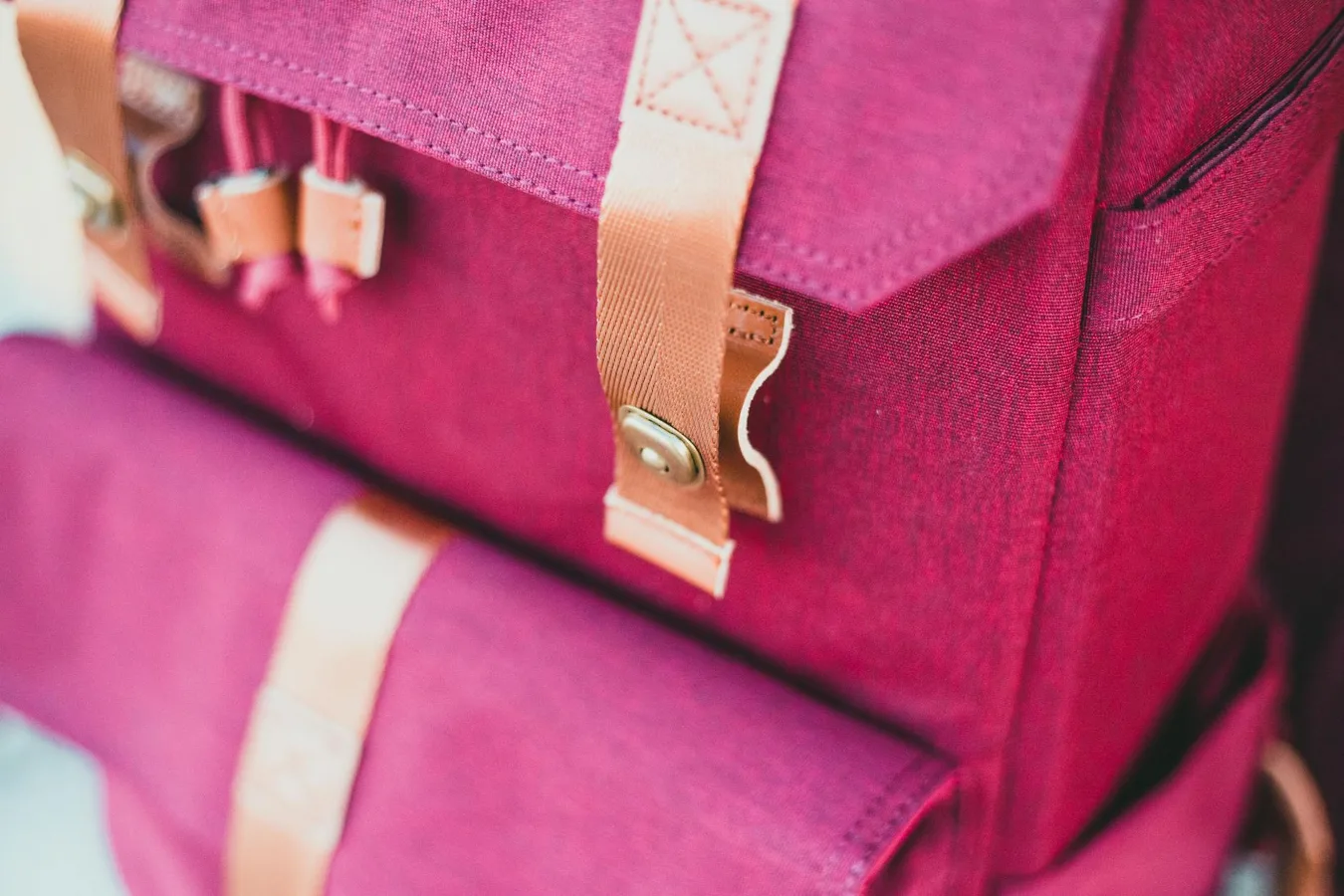
When a Canvas Laptop Backpack Makes Sense
A canvas laptop backpack is a strong fit if you want a bag that feels more relaxed than a technical backpack but still handles daily computer carry. It suits commuting, school, coffee shop work, light travel, and casual office settings where you want something practical without a sporty look.
The trade-off is that canvas usually brings a different set of priorities than nylon or polyester. You may get a more natural texture and a more versatile style, but you should pay closer attention to weight, weather resistance, structure, and padding. A good canvas laptop backpack is less about flashy features and more about balanced design.
If your day includes heavy rain, long walks, or a large, expensive laptop, the details matter. If your use is lighter—office commute, campus carry, laptop plus a few essentials—canvas can be a very sensible choice.
What to Check First: Fit and Laptop Protection
The first question is simple: will the backpack actually fit your laptop safely? A bag can look right from the outside and still be a poor match inside. Look for a dedicated laptop sleeve or compartment, not just a large open section. how to choose the right laptop sleeve size offers more detail on this point.
Pay attention to these basics:
- Compartment size should match your laptop dimensions, including any sleeve or case you use.
- Padding should be present on the sides and bottom, not only the back panel.
- Suspension matters if the laptop compartment sits above the bag floor, which can help reduce impact from setting the bag down.
- Closure security should keep the laptop from shifting around during a commute.
A common misconception is that any backpack with a laptop pocket is automatically protective. In practice, some pockets are little more than fabric dividers. For a canvas laptop backpack, look for a compartment that holds the device snugly and leaves enough room for airflow and accessories without letting the laptop slide.
Step-by-Step Criteria for Choosing the Right One
1. Start with your daily load
Think about what you actually carry most days. If it is only a laptop, charger, notebook, and keys, a slimmer bag can work well. If you also carry a lunch container, water bottle, headphones, or a change of clothes, you need more volume and a smarter pocket layout.
Overbuying size is a common mistake. An oversized canvas backpack can feel floppy, encourage poor organization, and put weight farther from your back. On the other hand, choosing a bag that is too small forces you to overload the main compartment and makes the laptop area harder to use safely.
2. Check the structure, not just the fabric
Canvas can be sturdy, but the bag’s structure depends on more than the outer material. Look at the base, the back panel, the seams, and whether the body keeps its shape when lightly loaded. A backpack that collapses completely may be comfortable to pack, but it often offers less protection and poorer organization.
Structured canvas backpacks tend to work better for office use and school. Softer, slouchier designs can be attractive and easy to style, but they may not hold a laptop as securely unless the interior is thoughtfully built. Best TSA Friendly Laptop Backpacks offers more detail on this point.
3. Think about weather resistance honestly
Canvas is not automatically waterproof. Some versions are treated, waxed, or blended with other materials for better resistance, but that does not make them immune to heavy rain. If you commute in mixed weather, this should be one of your main decision points.
For regular exposure to rain, look for water-resistant treatment, a covered zipper design, or a bag that includes a rain cover. If your route is short and you can move quickly between indoors and outdoors, untreated canvas may still be perfectly workable, especially if your laptop sits in a separate padded sleeve or you use a protective case.
4. Evaluate comfort with realistic load levels
Canvas backpacks can be comfortable, but the material itself is not what determines comfort. Strap shape, padding, back panel design, and weight distribution do more of the work. A heavy canvas bag with thin straps can feel worse than a lighter synthetic bag with better support.
Look for shoulder straps that are wide enough to spread pressure, plus enough padding for the amount of gear you carry. If the bag has a sternum strap or chest stabilizer, that can help with heavier loads, though it may be unnecessary for light everyday carry. For many buyers, the overlooked factor is back ventilation. A canvas bag that sits flat against your back may feel fine in cool weather but less pleasant during longer walks or warmer months.
5. Judge the pocket layout by how you really work
Some people need lots of organization. Others prefer one or two large spaces and fewer separators. A good canvas laptop backpack should match your habits instead of forcing someone else’s idea of order.
Useful details often include:
- Quick-access pockets for phone, transit card, or keys
- Internal organizers for chargers, pens, and small cables
- Bottle pockets that do not crowd the main compartment
- Zipper placement that keeps essentials reachable without opening the whole bag
Too much internal organization can be a drawback if pockets are shallow, oddly shaped, or too tight for modern accessories. A bag that looks highly organized on paper may actually be inconvenient once you start carrying bulkier items like power bricks or earbuds cases.
Canvas Laptop Backpack Benefits and Trade-Offs
The main appeal of canvas is that it often feels more approachable and versatile than technical backpack fabrics. It can look good in casual work settings, on campus, or during weekend use without appearing overly outdoorsy. For many buyers, that balance is the whole point.
There are practical strengths as well. Canvas can be durable, easy to wear in everyday settings, and visually simple enough to match many outfits. Some people also prefer the softer, more textile-like feel compared with glossy synthetic materials.
Still, there are real trade-offs. Canvas can be heavier, may absorb moisture more easily than coated synthetics, and can lose its shape if the internal design is weak. That does not make it a poor choice. It just means the bag should be judged as a system, not only by the fabric name on the product page.
Another nuance: “canvas” is not one single material behavior. The feel and performance can vary widely depending on weave density, lining, treatment, and whether the bag is made from cotton canvas, waxed canvas, or a canvas blend. Buyers sometimes assume all canvas bags age the same way, but construction details often matter more than the label.
Examples of Good Use Cases
If you are deciding whether a canvas laptop backpack fits your lifestyle, these common scenarios can help:
- Office commute: A structured canvas backpack with a padded sleeve and a clean exterior can work well when you want a relaxed but professional look.
- College or graduate school: Look for enough room for textbooks, notebooks, and a charger, plus pockets that keep essentials from disappearing into one large compartment.
- Coffee shop work: A lighter canvas daypack with a secure laptop pocket is often more convenient than a larger travel-style bag.
- Light weekend travel: If you carry a laptop, toiletries, and a change of clothes, prioritize volume, pocket access, and a comfortable carry system.
By contrast, a canvas backpack may be less suitable if you regularly carry very heavy electronics, move through wet weather for long stretches, or need a highly technical pack with extensive weather sealing and suspension support.
Materials and Build Details Worth Paying Attention To
Because the outer fabric gets so much attention, buyers sometimes overlook the pieces that determine whether a backpack lasts. On a canvas laptop backpack, the build details matter just as much as the aesthetic.
- Zippers: They should open smoothly and feel robust enough for regular daily use.
- Seams: Reinforced stitching at stress points helps the bag handle repeated loading.
- Strap attachment: Look for secure anchor points where straps meet the body of the bag.
- Lining: A decent interior lining can improve protection and make the bag easier to use.
- Base construction: A stronger bottom panel helps the bag stand up better and resists wear from setting it down often.
A bag can look premium and still have weak hardware. For that reason, the build quality should be treated as a practical issue, not a cosmetic one.
Maintenance: What Canvas Needs Over Time
Canvas usually rewards simple care. Brush off loose dirt, spot clean when needed, and store the bag in a dry place. If the bag has a treatment finish, avoid cleaning methods that strip it unless the care instructions specifically allow them.
Waxed or treated canvas may need more careful maintenance than plain canvas. Some finishes can change appearance over time, which many people like, but that same aging process means the bag may need occasional re-treatment depending on the product design and care guidance.
One practical mistake is overloading the bag and then assuming the material has failed. In many cases, handle wear, strap stress, and seam strain show up because the bag is being used beyond its comfortable carry range. Maintenance is not only about cleaning; it is also about respecting the bag’s intended load.
Quick Checklist Before You Buy
- Does the laptop compartment fit your device with or without a protective sleeve?
- Is the padding enough for your daily commute, not just for occasional use?
- Will the bag handle your usual load without feeling crowded or bulky?
- Do the straps and back panel look comfortable for the distances you walk?
- Is the canvas treated or waxed if you need better weather resistance?
- Are the zippers, seams, and base built for everyday wear?
- Does the pocket layout match how you actually organize your gear?
If you can answer yes to most of those points, the bag is probably a better fit than one chosen mainly for looks. A canvas laptop backpack works best when style and utility meet in a realistic way.
Common Mistakes to Avoid
Several buying mistakes show up again and again. The most common is choosing a bag for appearance and only later discovering that the laptop compartment is awkwardly sized. Another is assuming a canvas bag will naturally be tough enough for anything. Durability depends on construction, not just fabric type. how backpack materials affect durability offers more detail on this point.
People also underestimate weather exposure. Even a short commute can be enough to make an untreated canvas bag inconvenient if you regularly encounter rain. And for organization, more pockets are not always better. Poorly sized pockets can create clutter rather than solving it.
Finally, do not overlook comfort. A stylish backpack that sits poorly on the shoulders will lose its appeal quickly, especially if you carry a laptop every day.
Alternatives If Canvas Is Not the Right Fit
If you like the style of a backpack but want different performance characteristics, a few alternatives may be worth considering:
- Nylon laptop backpacks: Often lighter and better suited to weather resistance and frequent commuting.
- Polyester backpacks: Common, practical, and available in many layouts, though the feel may be less premium to some buyers.
- Waxed canvas backpacks: A good middle ground if you like the canvas look but want improved moisture resistance.
- Briefcase-style laptop bags: Better if you prefer a more formal look and do not need backpack carry.
The right choice depends on your environment, your carry load, and how much you value appearance versus utility. Canvas remains a strong option, but it is not the automatic winner for everyone.
FAQ
Is a canvas laptop backpack good for daily use?
Yes, if it has a proper padded laptop compartment, comfortable straps, and enough structure for your daily load. It works especially well for commuting, school, and casual office settings.
Is canvas waterproof?
Not usually. Some canvas backpacks are treated or waxed for better water resistance, but that is different from being fully waterproof. If rain exposure is routine, look closely at the finish and closures.
What size canvas backpack should I get for a laptop?
Choose based on your laptop dimensions and the extra items you carry. A compact bag can work for a laptop and basics, while a larger one makes sense if you also carry books, chargers, or a lunch container.
Are canvas backpacks comfortable to wear?
They can be, but comfort depends more on the straps, back panel, and weight distribution than on the fabric itself. A well-designed canvas pack can feel very comfortable for everyday carry.
How do I keep a canvas laptop backpack looking good?
Spot clean it gently, avoid unnecessary soaking, and store it dry. If it has a special finish, follow the care guidance for that material so you do not reduce its water resistance or change its appearance too quickly.
A canvas laptop backpack is a solid choice when you want everyday practicality with a softer, more versatile look. The best one is the bag that fits your laptop securely, carries comfortably, and matches the conditions you actually face—not just the one that looks best in photos.