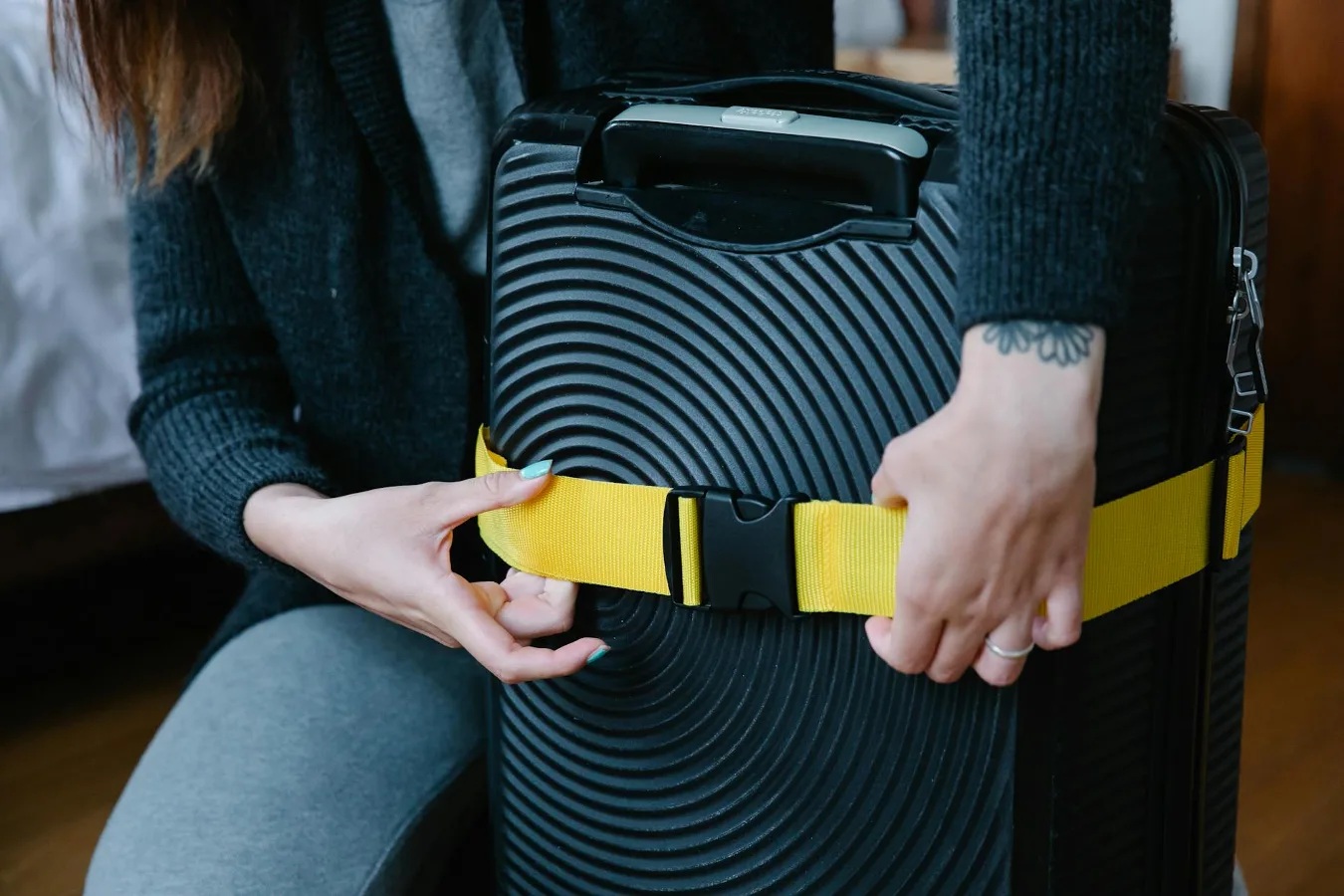
Yellow carry-on luggage stands out for a reason
If you want a carry-on that is easy to identify at the gate, in the overhead bin, or during a quick hotel shuffle, yellow is one of the most practical color choices. It is bright enough to spot fast, but still versatile enough to work for business trips, weekend travel, and family getaways.
The real decision is not just color. With yellow carry-on luggage, the bigger questions are whether the bag meets airline size limits, how well the finish hides scuffs, whether the interior layout fits your packing style, and how much weight you are willing to carry before anything is packed at all. carry-on luggage size guide offers more detail on this point. yellow carry on luggage offers more detail on this point. Super Lightweight Carry-On Luggage Guide offers more detail on this point.
That is why the best yellow carry-on is not simply the one with the boldest shade. It is the one that balances visibility, durability, and convenience in a way that matches how you travel.
What matters most before you choose
Yellow changes the look of a suitcase, but it does not change the core requirements of good carry-on luggage. Start with the basics and treat the color as a finishing choice, not the main feature.
Carry-on size and airline compatibility
The first filter is fit. A bag can look great and still be the wrong choice if it pushes the airline’s carry-on limits. Because size rules vary by carrier and route, the safest approach is to compare the bag’s dimensions with the airlines you fly most often, including the wheels and handles if the manufacturer lists them that way.
A common mistake is assuming every carry-on in the same style is acceptable on every airline. That is not always true. Some bags are designed to maximize packing space while still fitting many overhead bins, but that does not guarantee universal approval. If you travel on budget airlines or fly internationally, that check matters even more.
Material and finish
Yellow makes surface wear easier to notice, so material choice has a bigger impact than many shoppers expect. Hardside luggage often offers a clean, polished look and may be easier to wipe down, while softside luggage can provide more flexible external pockets and a bit of give when packing tight.
Within hardside options, the finish matters as much as the shell. A glossy yellow suitcase may look striking, but it can also show scratches more clearly than a matte surface. Softside yellow luggage can be more forgiving visually, though fabric bags may pick up dirt differently depending on the weave and coating.
If your goal is a bag that keeps a neat appearance over time, think about how visible marks will look against a bright color. Yellow is cheerful and distinctive, but it is not the most forgiving shade for every type of wear.
Weight before packing
Carry-on luggage should not waste your baggage allowance on the bag itself. Lightweight construction is especially helpful if you tend to pack dense items such as shoes, toiletries, tech gear, or travel clothes for longer weekends. A lighter shell gives you more room to work with before you hit weight restrictions or simply end up with an awkward bag to lift into the overhead compartment.
This is one of the overlooked trade-offs: a very sturdy-feeling suitcase may also be heavier than necessary. If you are a frequent flyer, that extra weight can matter more than a slightly thicker shell.
Wheel style and handling
For most travelers, wheels are about more than convenience. They affect how the bag feels when navigating airport floors, curb cuts, hotel lobbies, and crowded stations. Spinner wheels offer easier maneuverability in tight spaces, while two-wheel designs can feel steadier on rougher surfaces.
There is no universal winner. If you often move quickly through terminals and prefer to guide the bag beside you, spinners can be a smart fit. If you expect uneven sidewalks or heavier loads, a two-wheel suitcase may feel more controlled. The color yellow does not change that choice, but it can make the bag easier to track in busy environments.
Why yellow is more useful than it first appears
Yellow carry-on luggage is popular for reasons beyond style. Visibility is the obvious one, but there are a few practical benefits that are easy to overlook.
- Fast identification: A bright bag is easier to spot among black, navy, and gray luggage.
- Lower grab-and-go confusion: A distinctive color reduces the chance of accidentally picking up someone else’s bag.
- Clearer travel presence: In shared spaces, it is easier to keep an eye on your own luggage.
- Style without being too loud: Yellow can feel fresh and modern without being as hard to coordinate as some neon shades.
The downside is equally real: yellow can show grime, scuffs, and discoloration more clearly than darker colors. That does not make it a poor choice, but it does mean travelers who want a low-maintenance look should compare finishes carefully.
How to match the bag to your travel habits
The right yellow carry-on depends on how you actually travel, not just how it looks in a product photo.
For frequent flyers
If you fly often, durability and handling should outweigh novelty. A structured shell, reliable zippers, sturdy telescoping handle, and well-mounted wheels are worth more than decorative details. Frequent travel also makes maintenance more important, because wear shows up faster when a bag is used regularly.
For this type of traveler, a yellow suitcase works best when the finish is designed to handle repeated contact with bins, belts, and airport floors. A bag that looks great on day one but quickly looks tired may not be the best long-term buy.
For weekend trips
If you mostly travel for short breaks, a yellow carry-on can be a nice mix of style and practicality. Smaller trips usually require less packing volume, so a compact bag with smart internal organization may matter more than maximum capacity. Look for compression straps, a divider panel, and pockets that make it easier to separate clothing from chargers, toiletries, and small accessories.
For business travel
Yellow can work well for business trips if you want a bag that is easy to identify while still looking polished. A more muted or refined shade of yellow often feels easier to pair with professional settings than a highly saturated finish. Clean lines, minimal exterior branding, and a well-made handle system can keep the bag from looking overly casual.
For family travel
In family settings, color visibility has a practical advantage. A yellow carry-on is easier to spot when several bags are packed together, and that can reduce confusion during boarding or hotel check-in. If children also travel with luggage, a clearly visible bag may be easier to manage in shared spaces.
Hardside or softside: the trade-off that matters most
For yellow carry-on luggage, the material choice often shapes the ownership experience more than the color itself.
| Type | Strengths | Possible drawbacks |
|---|---|---|
| Hardside | Cleaner look, easier to wipe down, more structured shape | Can show scuffs, may offer less external storage |
| Softside | More flexible packing, exterior pockets, often easier to squeeze into tight spaces | Can absorb dirt, may lose shape more easily |
If you want a suitcase that keeps its outline and looks sleek in yellow, hardside is often the more obvious choice. If you care more about flexibility and quick-access pockets, softside can be the better fit. Neither is automatically better; the right answer depends on whether appearance, storage, or packing flexibility matters most.
Details that improve day-to-day use
Small design choices can make a bigger difference than a bright color. These are worth checking before you buy.
- Handle stability: A wobbly telescoping handle becomes annoying quickly, especially when the bag is full.
- Zipper quality: Smooth zippers matter more than decorative details.
- Interior organization: Dividers, straps, and pockets can keep the bag usable instead of becoming a single open space.
- Corner protection: Helpful if you expect repeated handling or overhead-bin contact.
- Surface texture: Matte or textured finishes can make wear less obvious than high-gloss surfaces.
One practical nuance is that yellow can amplify the visual effect of every design choice. A well-finished bag looks sharp. A poorly finished one can look worn sooner than expected, even if it still functions well.
Common mistakes buyers make
Shoppers often focus on the color first and make the wrong compromise elsewhere. A few mistakes come up again and again.
- Choosing color over size: A stylish bag is not useful if it is too large for the airlines you use.
- Ignoring finish quality: Yellow can show wear quickly if the shell or fabric is prone to scuffing.
- Overpacking a small carry-on: Bright luggage does not make extra space appear.
- Skipping wheel checks: Weak wheels can turn even a beautiful bag into a hassle.
- Not thinking about maintenance: Some yellow finishes need more regular cleaning to stay looking fresh.
The most overlooked issue is maintenance. People often think of yellow as a style choice, but it is also a visibility choice. That means keeping the bag clean is part of keeping it attractive.
How to keep yellow luggage looking better for longer
Yellow luggage does not need special treatment, but it does benefit from a little attention. Wipe the exterior after trips if the material allows it. Keep an eye on wheel buildup, especially after walking through dusty terminals or city sidewalks. Store the bag in a dry place so the finish and hardware do not degrade faster than necessary.
If your bag has a soft exterior, clean it according to the material rather than using a one-size-fits-all approach. If it is hardside, use gentle cleaning methods that will not dull the finish. The goal is not perfect preservation; it is keeping the bag presentable and functional over time.
Who yellow carry-on luggage suits best
Yellow carry-on luggage is a strong choice if you want something easy to recognize, a little more distinctive than standard neutrals, and practical for crowded travel settings. It tends to appeal to travelers who value visibility, quick identification, and a bag that stands out without feeling overly flashy.
It may be less appealing if you prefer a color that hides wear, if you travel rough frequently, or if you want the least maintenance possible. In those cases, darker colors or textured finishes may be easier to live with.
If you are deciding between several yellow options, use this order of priority: check airline compatibility first, then compare material and finish, then look at wheels, handle quality, interior layout, and weight. The best-looking suitcase is only worthwhile if it also works smoothly in real travel conditions.
For shoppers browsing the broader Bags category, yellow carry-on luggage sits at the intersection of style and utility. That makes it a smart buy when the design is practical, not just eye-catching.