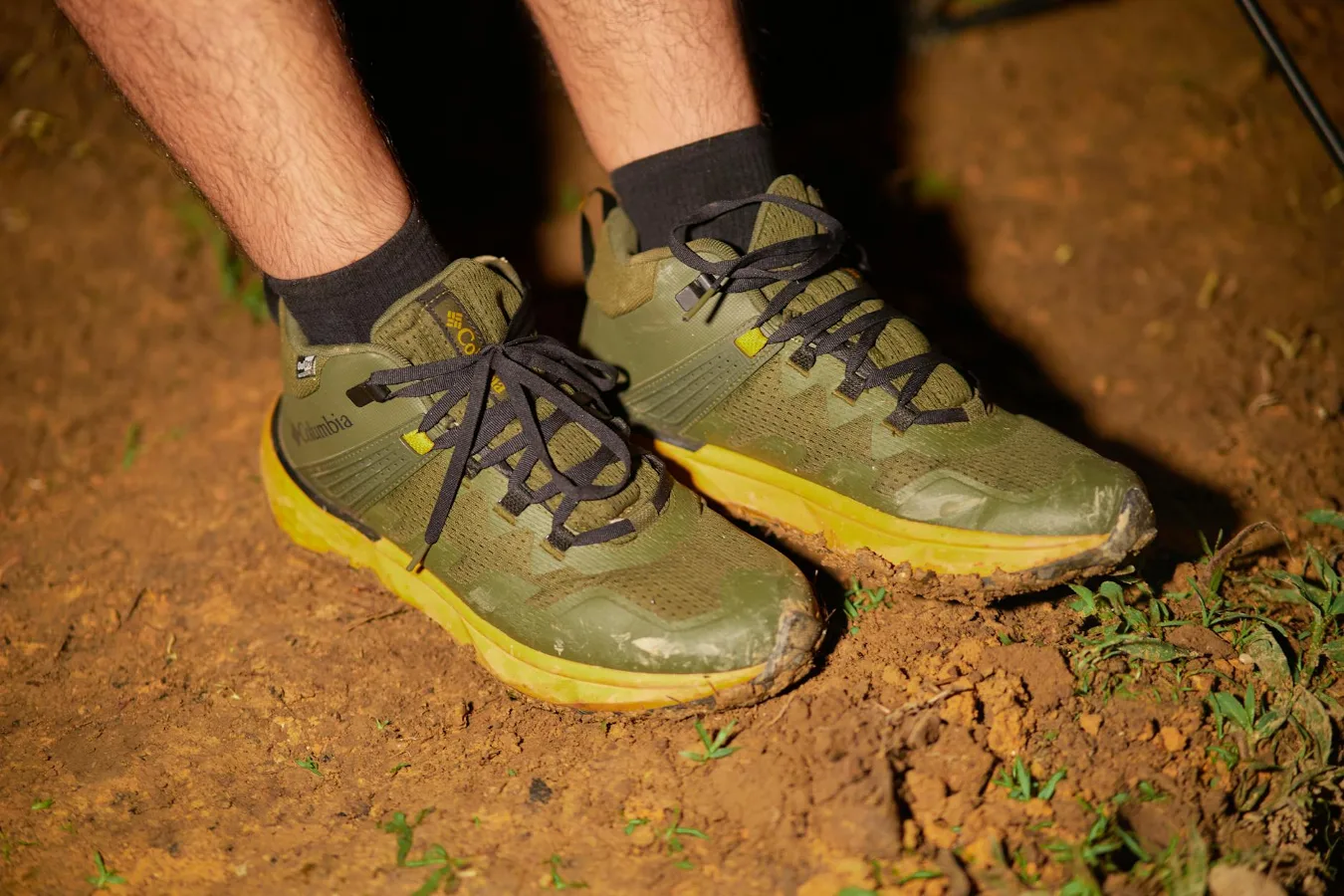
If you want Columbia hiking boots, the best choice depends less on the logo and more on how you hike. Columbia’s lineup generally makes sense for buyers who want practical outdoor footwear that can handle day hikes, wet paths, uneven ground, and occasional shoulder-season weather without moving into heavy expedition boot territory. best hiking boots for men offers more detail on this point. womens hiking boots offers more detail on this point.
The quickest way to narrow it down is to match the boot to your use case: lighter models for casual trails and travel, more supportive mid-cut options for rougher terrain, and insulated or waterproof styles for colder, wetter conditions. The wrong pick usually fails in one of three ways: it feels too stiff for long walks, too warm for mild weather, or too lightly built for the terrain you actually face.
Quick answer: how to choose Columbia hiking boots
Start with the trail conditions you expect most often. If your hikes are mostly well-maintained paths, a lighter Columbia hiking boot or trail-oriented boot can be enough. If you regularly deal with rocks, roots, mud, or steep grades, look for more structure, a more protective upper, and a outsole pattern that suits loose or slippery ground.
Fit matters just as much as category. A boot that looks right on paper can still disappoint if the toe box is too narrow, the heel slips, or the arch shape does not suit your foot. For many buyers, the best Columbia hiking boot is the one that balances comfort, grip, weather protection, and weight for their most common outing, not the most demanding one on the calendar. hiking boot fit guide offers more detail on this point.
What Columbia hiking boots are good for
Columbia hiking boots are often chosen by people who want dependable, affordable-to-midrange outdoor footwear for everyday trail use. They are commonly considered for:
- day hikes on maintained trails
- walks in wet grass, dirt, or light mud
- cooler-weather hiking and commuting
- travel where one shoe needs to do multiple jobs
- casual outdoor use, including park walks and weekend adventures
That versatility is part of the appeal, but it also explains the main trade-off. A boot designed to be broadly useful may not feel as specialized as a hardcore backpacking boot or as nimble as a dedicated trail runner. Buyers who understand that balance usually end up happier with the purchase.
Comparison factors that matter most
Waterproofing and weather protection
Many shoppers search for Columbia hiking boots because they want weather protection. Waterproof styles can be useful in rain, wet brush, snowmelt, and muddy trails, but waterproofing has a cost: it can reduce breathability. If you hike in a hot climate or tend to run warm, a non-waterproof or more breathable boot may feel better for most of the year.
A common misconception is that waterproof always means better. It does not. Waterproof boots are helpful when water exposure is expected, but they can trap heat and dry more slowly after the inside gets damp. For mixed conditions, think about whether you need protection from outside moisture more than you need ventilation.
Fit and sizing
Fit is the biggest factor in long-term comfort. Hiking boots should secure the heel without rubbing, leave room for toe movement on descents, and allow enough space for hiking socks. Too much extra room can cause blisters; too little room can create pressure points and toenail pain.
Pay attention to how the boot behaves in the forefoot and midfoot, not just the length. Some hikers prefer a roomy toe box for swelling on longer walks. Others need a more secure fit for stability on uneven ground. If you usually wear thicker socks outdoors, account for that before deciding on size.
Support and boot height
Columbia hiking boots come in styles that feel lighter and more flexible as well as styles with more structure. Higher-cut boots can feel reassuring on uneven ground, especially if you want a bit more ankle coverage. Lower or mid-cut designs are often easier to walk in for long, casual outings.
The overlooked nuance here is that ankle height does not automatically equal ankle support. A boot can cover the ankle and still feel flexible, while a lower boot with a stable platform may feel more confidence-inspiring than a taller but poorly fitted one. The real test is how the boot holds your foot on side slopes and broken ground.
Traction and outsole pattern
Outsole design matters more than many buyers expect. Look for tread that matches your terrain: deeper lugs and more aggressive patterns help on mud and loose dirt, while a smoother or less aggressive outsole may feel more comfortable on mixed pavement and trail use.
Columbia boots are often chosen for general outdoor use, so traction tends to be a practical rather than extreme feature. If you hike on wet rocks, slick roots, or steep technical trails, you should be more selective and avoid assuming any hiking boot will grip equally well in all conditions.
Weight and flexibility
Lightweight boots are easier to wear for long, casual days and travel. More structured boots can feel more stable, but they often require more break-in time and may feel less natural on easy trails. This is one of the most common trade-offs in the category.
If your hikes are short and moderate, lighter Columbia hiking boots may be the better experience. If your route includes rough ground, pack weight, or inconsistent footing, a little extra structure can be worth the added heft.
Materials and care requirements
Upper materials affect durability, weather handling, flexibility, and maintenance. Synthetic materials often feel lighter and may dry faster, while leather or leather-reinforced styles can feel more robust and more protective. Neither is automatically superior; the better choice depends on how you hike and how much care you want to give the boot.
Some hikers overlook maintenance until performance drops. Dirt, salt, and moisture can shorten the useful life of outdoor footwear if they are left sitting on the surface. Regular cleaning, drying at room temperature, and basic care for the upper can make a noticeable difference over time.
How to choose the right Columbia hiking boot for your needs
Use the following decision approach to narrow your options before comparing style names or colorways.
- Choose lighter boots if you mostly walk on groomed trails, travel often, or want one pair for casual outdoor wear.
- Choose waterproof boots if rain, wet grass, puddles, or snowmelt are common where you hike.
- Choose more structured boots if you hike rocky, uneven, or steep terrain and want more underfoot stability.
- Choose insulated styles if you spend a lot of time in cold weather rather than three-season conditions.
- Choose the roomiest comfortable fit if you hike for long periods or your feet tend to swell.
For many buyers, the best outcome is not the most feature-rich boot. It is the one that solves the fewest problems poorly. Overbuilt boots can feel clumsy on easy hikes, while minimal boots can feel outmatched when conditions turn messy.
Comparison guide: which type of Columbia hiking boot fits which hiker?
| Hiker need | Best boot type | Why it makes sense | Main trade-off |
|---|---|---|---|
| Casual weekend walking | Lightweight hiking boot | Comfortable, easy to wear, less tiring over time | Less protection on rough ground |
| Wet climate use | Waterproof hiking boot | Helps keep feet drier in rain and mud | Can feel warmer and less breathable |
| Rocky or uneven trails | Mid-cut structured boot | More stability and a more protective feel | Heavier and sometimes stiffer |
| Cold-weather hiking | Insulated boot | Better for lower temperatures and winter conditions | Too warm for mild weather |
| Mixed-use travel and trail | Versatile all-purpose boot | Works for walking, light hikes, and errands | Not specialized for hard use |
Mistakes to avoid before buying
Buying for the hardest hike instead of the most common one. If most of your outings are moderate, a very heavy boot can become annoying fast. Many people overestimate how much structure they need.
Ignoring sock choice. Hiking socks change the fit. A boot that feels fine with thin socks may feel tight with thicker merino socks or cushion socks.
Assuming waterproof boots are always the safest choice. They are useful in wet weather, but they are not ideal for every climate. Heat buildup and slower drying can matter more than people expect.
Choosing support based only on boot height. Height alone does not guarantee a better fit or better stability. Foot shape, lockdown, and outsole behavior matter more.
Skipping the break-in mindset. Even a comfortable boot may need some short wears before a longer hike. If you are planning a major outing, do not wear brand-new boots for the first time on that trip.
Alternatives worth considering
Columbia hiking boots are not the only sensible option. If you want less weight and a more flexible ride, a hiking shoe or trail shoe may be a better fit for warm-weather day hikes. If your main concern is winter traction and insulation, a dedicated winter boot may serve you better than a general hiking boot. For rough backpacking or very technical terrain, some hikers may prefer a more rugged boot from another category entirely.
The right alternative depends on the problem you are trying to solve. If you are mainly walking packed dirt and gravel, you may not need the level of structure that a traditional boot provides. If you need one pair to manage rain, colder mornings, and uneven trails, a Columbia hiking boot can still be the more practical compromise.
Care and maintenance basics
Good care helps preserve comfort and appearance, and it can also keep the boot performing as intended. After muddy use, brush off dirt and let the boots dry naturally. Avoid direct heat sources that can damage materials or adhesive bonds. If the boot has waterproof treatment or a treated upper, follow the care guidance suited to that material instead of treating every hiking boot the same way.
It also helps to remove insoles occasionally and let the interior air out. That simple habit can reduce odor and help the boot recover after damp use. For hikers who wear boots often, routine care is not an accessory step; it is part of getting good value from the pair.
FAQ
Are Columbia hiking boots good for everyday wear?
They can be, especially lighter styles that balance comfort and durability. If you want one pair for errands, travel, and casual outdoor use, a versatile Columbia hiking boot may fit that role well. Just keep in mind that more rugged models may feel excessive for daily pavement walking.
Should I choose waterproof Columbia hiking boots?
Choose waterproof if you expect wet grass, rain, slush, or muddy trails often. If your hikes are mostly dry and warm, a more breathable option may be more comfortable. Waterproofing is a tool, not a universal upgrade.
Do Columbia hiking boots need break-in time?
Some do, especially structured or more supportive styles. Even when a boot feels comfortable in the store, it is smart to wear it for short outings first so you can check heel hold, toe room, and any pressure points.
What is the best Columbia hiking boot for beginners?
For most beginners, a comfortable lightweight or mid-weight boot with straightforward support is easier to live with than a very stiff or specialized model. Focus on fit, traction, and weather protection before chasing extra features.
Are hiking boots better than trail shoes?
Not always. Hiking boots usually offer more structure and protection, while trail shoes are lighter and often more agile. If your hikes are short and moderate, trail shoes may be enough. If terrain is rougher or conditions are wet and messy, boots can make more sense.
If you are comparing Columbia hiking boots, think in terms of use first and features second. The best pair is the one that matches your terrain, weather, and comfort preferences without adding unnecessary weight or complexity.