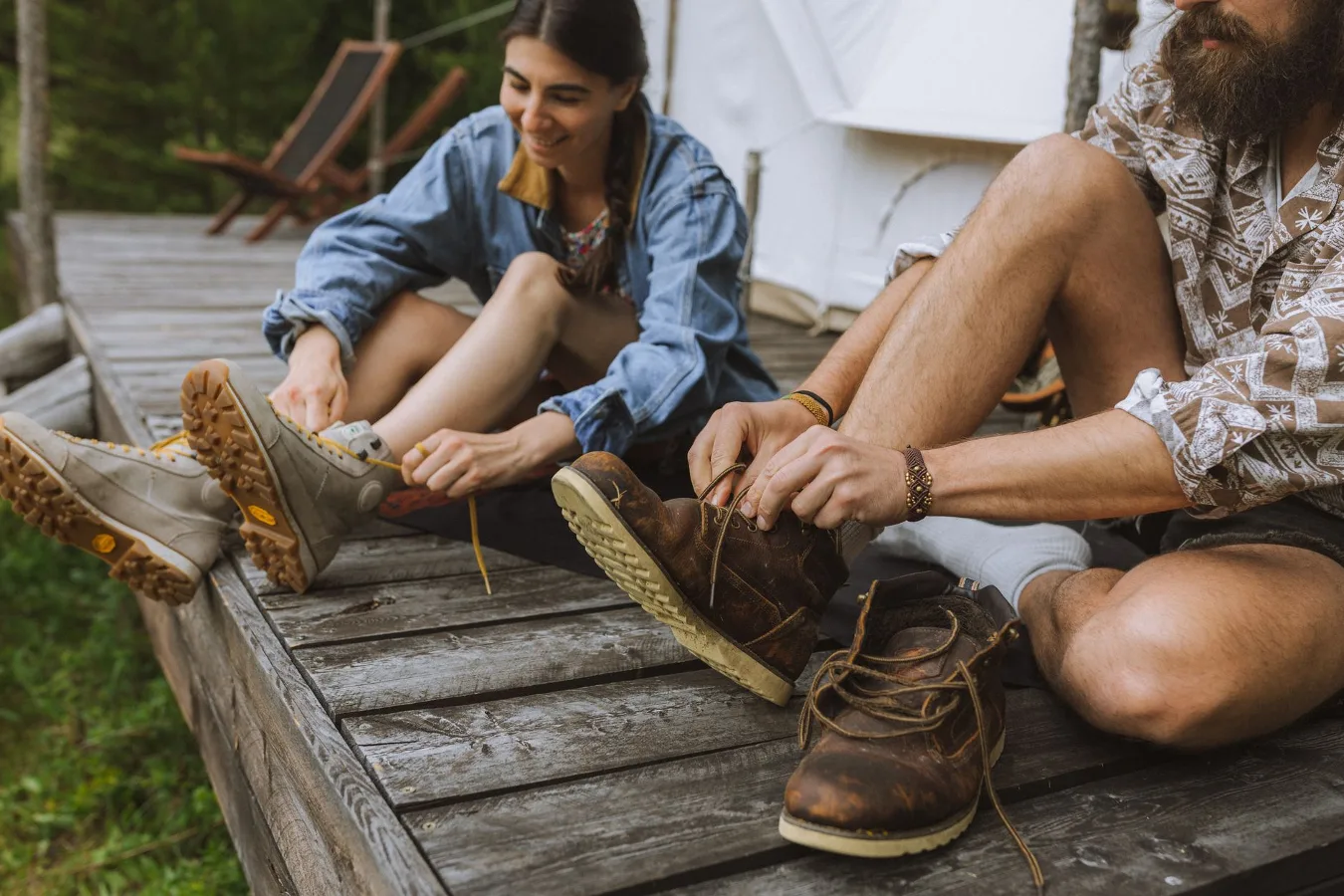
Who Danner hiking boots are a good fit for
If you are looking at Danner hiking boots, you are probably trying to balance durability, support, and comfort in a boot that can handle real trail use. Danner is a strong name for hikers who want a sturdier build than a casual sneaker-style trail shoe, especially if the plan includes rocky paths, wet conditions, or longer days on uneven ground. women’s hiking boots offers more detail on this point. Hiking Boots for Men: How to Choose offers more detail on this point. how to choose hiking boot fit offers more detail on this point.
The right pair depends less on the logo and more on how you hike. A day hiker who wants light, quick movement has different needs than someone carrying a pack, hiking in colder weather, or spending time on abrasive terrain. That is the core decision with Danner: choose the model and construction that matches your use case, rather than assuming every hiking boot serves the same purpose.
For many buyers, the appeal is straightforward: a robust upper, dependable traction, and a shape that feels more structured than softer trail footwear. The trade-off is usually weight, stiffness, and a break-in period that can be more noticeable than with lightweight hiking shoes.
The first decision: what kind of hiking are you actually doing?
The most useful way to shop for Danner hiking boots is to start with the hike itself. A boot that feels excellent on a groomed path may feel excessive on quick neighborhood trail walks, while a lighter boot may feel underbuilt on steep, rocky, or sloppy terrain.
Day hiking
If most of your outings are short to moderate in length and you are not carrying much weight, look for a boot that prioritizes comfort, flexibility, and manageable weight. You still want traction and decent weather protection, but you may not need the stiffest or most heavily built option.
Backpacking and heavier loads
For heavier packs, rougher terrain, or multi-day trips, structure matters more. A more supportive boot can help with stability when the ground is uneven or when fatigue starts to change your stride. The trade-off is that more support often means more weight and less flexibility underfoot.
Wet, muddy, or shoulder-season hiking
If you frequently hike in rain, snowmelt, or marshy conditions, water resistance becomes a major factor. Many buyers focus only on whether a boot is waterproof, but breathability and drying time matter too. A waterproof boot can be the better choice for wet trails, yet it may run warmer and feel less airy on dry summer hikes.
Materials and build: where durability and comfort are won or lost
With hiking boots, materials do a lot of the work. The upper, lining, midsole, and outsole all affect how the boot feels, how long it lasts, and how it behaves in different weather.
Leather uppers
Leather is often chosen for durability and abrasion resistance. It can handle scuffs and trail wear well, and it tends to feel more protective over time. The downside is that leather often needs a break-in period, may feel warmer, and usually demands more care than lighter synthetic builds.
Synthetic and mixed-material uppers
Synthetic materials can reduce weight and improve initial comfort. They often dry faster and may feel easier right out of the box. The trade-off is that they may not feel as substantial or long-lived as heavier leather constructions, depending on the specific design.
Waterproof membranes and linings
Some Danner hiking boots use waterproof constructions intended for wet conditions. That can be a smart choice if your hikes often include puddles, wet grass, or rainy trails. Still, waterproofing is not free: it can reduce airflow and make the boot feel hotter in warm weather. If you hike mostly in dry climates, a non-waterproof or more breathable boot may be the more comfortable option.
Outsoles and traction
Traction is one of the most overlooked shopping points. A lugged outsole can improve grip on loose dirt, gravel, mud, and uneven surfaces, but the exact pattern matters. Deep, widely spaced lugs often work well in mud and soft ground, while a more balanced tread can feel better on mixed surfaces. If you hike on both trail and hard-packed paths, look for a tread pattern that does not feel overly aggressive for your typical terrain.
Fit matters more than brand reputation
A hiking boot can have excellent materials and still fail if the fit is wrong. With Danner hiking boots, pay close attention to how the boot wraps the heel, forefoot, and instep. A secure heel helps reduce rubbing, while enough room in the toe box helps prevent discomfort on descents.
What to check before you buy
- Toe room: Your toes should have space to move without sliding forward excessively.
- Heel hold: Excess lift can create blisters and make the boot feel unstable.
- Midfoot security: The boot should feel locked in without pinching across the arch.
- Width options: If your feet run wide, standard-width boots can feel restrictive even if the length is correct.
- Sock compatibility: Hiking socks change fit, so try boots with the socks you plan to wear.
A common mistake is focusing on length alone. Many hikers buy a boot that is long enough but too narrow, too shallow over the instep, or too loose in the heel. That is especially important with sturdier boots, because the structure can mask a bad fit at first and then become uncomfortable after a longer hike.
Support, stiffness, and the comfort trade-off
One of the biggest decisions with hiking boots is how much support you want. More structure can help on rough trails and with heavier loads, but it can also reduce flexibility and make the boot feel more demanding at first.
A stiffer boot can be useful if you want extra underfoot stability or if your hikes involve sharp rocks, roots, and off-camber sections. A more flexible boot may feel better for casual day hikes and faster walking, especially if you value a lighter stride.
This is where many shoppers misjudge their needs. Some assume more support is always better, but overbuilt boots can feel tiring on easy trails. Others choose a lighter option for comfort, only to find it lacking when the trail gets rough or the pack gets heavy. Match the boot to the terrain you actually face most often.
Understanding the practical limitations
Danner hiking boots are often chosen for sturdier performance, but that does not mean every model is ideal for every hiker. A few limitations are worth keeping in mind before you buy.
- Break-in may be real: Leather-based boots often need time before they feel truly comfortable.
- Weight can build up: Heavier boots may be less appealing on short, hot, or fast-paced hikes.
- Waterproofing can trap heat: Great for wet weather, less pleasant in warm, dry conditions.
- Stiffness can slow you down: Good for support, not always ideal if you prefer a nimble feel.
- Care matters: Durable boots last longer when cleaned and conditioned appropriately.
These are not deal-breakers. They are simply the usual trade-offs that come with a boot designed to be more substantial than a lightweight trail shoe.
Choosing between similar hiking footwear options
If you are unsure whether to buy Danner hiking boots or another type of outdoor footwear, compare them based on the conditions you expect most often.
Danner hiking boots versus hiking shoes
Hiking shoes are typically lighter and more flexible. They work well for fast, moderate trail use and lower pack weights. Hiking boots offer more coverage and often more structure, which can be helpful on rougher terrain or in bad weather.
Danner hiking boots versus work-style boots
Some work-style boots feel rugged, but rugged does not automatically mean trail-ready. Hiking boots are usually shaped around trail movement, traction, and comfort during long walks on uneven surfaces. A boot built for work may be durable but not as well suited to hiking-specific movement patterns.
Danner hiking boots versus backpacking boots
Backpacking-oriented boots generally lean more supportive and stable. If your trips involve heavier loads or rough, technical ground, that style may be a better fit. If your hikes are lighter and more casual, an overly rigid boot can feel like too much.
Maintenance and care: how to protect the value
Durability is only part of the story. Hiking boots hold up better when they are cleaned and stored properly. Mud, grit, and moisture can wear down materials faster than casual use suggests.
- Brush off dirt after hikes so grime does not grind into seams and uppers.
- Let boots dry naturally at room temperature instead of using intense heat.
- Use care products that match the boot material rather than treating every upper the same way.
- Check laces, eyelets, and soles periodically for early wear.
- Store them in a dry place with airflow.
For leather-focused boots, care is especially important. Neglect can shorten the life of the upper and make the boot feel less comfortable over time. For synthetic styles, clean maintenance still helps preserve the structure and appearance.
How to narrow your options before you buy
Once you know your hiking style, the decision becomes easier. Use a short checklist to sort models before you commit.
- Identify your main terrain: dry trail, wet trail, rocky ground, mixed use, or heavier backpacking.
- Decide on weather needs: waterproof, breathable, or a balanced middle ground.
- Choose your support level: lighter and more flexible, or more structured and stable.
- Check fit details: width, heel hold, toe room, and sock compatibility.
- Think about maintenance: leather care, drying time, and how much upkeep you are willing to do.
If you are choosing between two Danner hiking boots, the better option is often the one that matches your hiking conditions more closely, even if the other one looks more rugged on paper.
Next steps before you order
Before buying, review the product page carefully for the upper material, waterproof construction, outsole type, and any available width options. Then compare those details against your most common hikes. A boot that fits your terrain and foot shape will usually outperform a more impressive-looking model that is mismatched to your actual use.
If you are shopping online, pay extra attention to the return policy in case the fit is off. Hiking boots are one of those purchases where small differences in heel lock, instep volume, and toe box shape can matter a lot more than they do in casual shoes.
The safest approach is simple: pick the least complicated boot that still covers your conditions. That often leads to better comfort, fewer regrets, and a pair you will actually want to wear on the trail.
FAQ
Are Danner hiking boots good for everyday wear?
They can be, especially if you prefer a sturdier boot look and feel. Just keep in mind that hiking-focused models may feel heavier and less flexible than casual shoes.
Should I choose waterproof Danner hiking boots?
Choose waterproof if you regularly hike in wet grass, rain, or muddy conditions. If your hikes are mostly hot and dry, a more breathable boot may be more comfortable.
Do Danner hiking boots need a break-in period?
Some models may need time to soften and adapt to your foot. That is more common with leather-heavy constructions than with lighter synthetic builds.
What is the biggest mistake buyers make?
The most common mistake is choosing by appearance or toughness alone instead of fit, terrain, and support needs. A well-matched boot is usually the better long-term choice.
How do I decide between a hiking boot and a hiking shoe?
Choose a hiking shoe if you want lighter weight and more flexibility. Choose a boot if you want more coverage, structure, or help on rougher terrain.