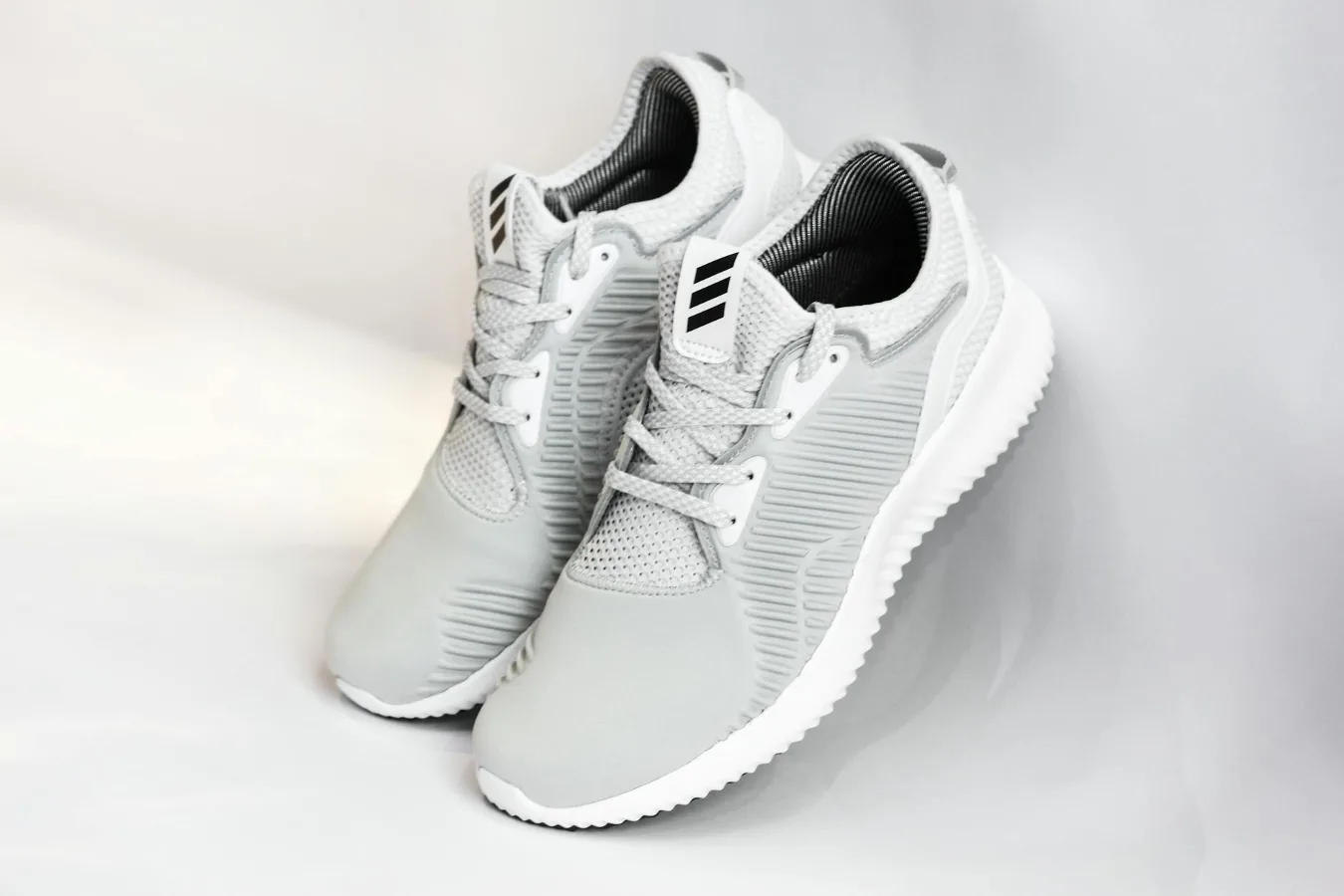
What goose running shoes usually means
If you searched for goose running shoes, you may be looking for running shoes with goose-inspired branding, a model name, or simply a style you have seen described that way online. Whatever the exact label, the buying decision is the same: choose the pair that matches how you run, where you run, and what your feet need. what makes a shoe comfortable for running offers more detail on this point.
That matters because a shoe can look appealing and still feel wrong after a few miles. The best choice is rarely the flashiest one. It is the pair that gives you a workable mix of fit, cushioning, support, and traction for your routine.
For most shoppers, goose running shoes make sense when the goal is everyday running, gym use, or a casual-athletic shoe that can handle light mileage. They matter less as a fashion item than as a performance tool. The details below will help you judge whether a pair is worth considering.
Start with where and how you run
The quickest way to narrow the field is to match the shoe to the surface and pace you expect most often. A shoe that feels smooth on pavement may feel unstable on uneven paths. A light, responsive model may be fun for short runs but tiring on longer outings if it lacks enough cushioning.
Road running
If most of your mileage happens on sidewalks, asphalt, or indoor treadmills, look for a road-running shoe with a smooth ride and predictable traction. You usually want a outsole that grips well without feeling bulky, plus an upper that keeps the foot secure at steady paces.
Mixed walking and running
Some shoppers want one pair that can handle errands, commuting, walking, and occasional runs. In that case, comfort and versatility matter more than race-day speed. A moderately cushioned daily trainer is often a better fit than a highly specialized shoe.
Trail or rough terrain
If your routes include dirt, gravel, wet grass, or uneven paths, traction becomes more important than a soft, cushy feel alone. Trail-oriented shoes usually have more aggressive tread and a sturdier build. A road shoe may still work for light paths, but it can feel out of place once the ground gets loose or unpredictable.
Step-by-step criteria to judge a pair
Use the following order when evaluating goose running shoes. It keeps the decision practical and prevents you from getting distracted by colorways or trend-driven details.
- Check the fit first. The shoe should hold the heel securely without pinching the forefoot. Your toes should have room to move.
- Decide on support needs. Neutral runners generally do best in neutral shoes, while some runners prefer guidance from a stability model.
- Choose the cushioning level. Softer cushioning can feel easier on the body, but too much foam can feel unstable or sluggish for some runners.
- Look at the upper. Breathable mesh, a secure lacing system, and comfortable padding matter more than most people expect.
- Assess traction and outsole design. The tread should match the surfaces you actually use.
- Consider long-term comfort. A shoe that feels fine for five minutes may not work for thirty or sixty.
Fit is the first filter
Running shoes should not rely on a break-in period to become wearable. A little adaptation is normal, but a shoe should feel broadly right from the start. Watch for pressure across the widest part of the foot, heel slippage, or toes touching the front when you descend stairs.
A common misconception is that a snug shoe is automatically better for running. In reality, too little room can cause hot spots, friction, and a cramped forefoot. That becomes more noticeable on longer runs, when feet naturally swell.
Cushioning should match your use case
Cushioning affects comfort, but it also changes the shoe’s personality. More cushioning can soften impact and make easy runs feel gentler. Less cushioning often gives a more grounded feel and can improve the sense of connection to the road.
Neither is universally better. If you like a nimble, responsive ride, a max-cushion shoe may feel too soft. If you want a forgiving shoe for recovery runs or everyday wear, a firmer minimalist feel may feel harsh.
Support is about your movement pattern
Support is one of the most misunderstood features in running shoes. Many runners assume they need the most supportive model available, but that is not always true. Neutral shoes work well for many people, while stability shoes are designed for runners who want more guidance or who have been told they need it. neutral vs stability shoes offers more detail on this point.
If you are unsure, think about comfort and stability during motion rather than labels alone. A shoe should feel secure without forcing your stride into a shape that feels unnatural.
What makes a goose running shoe worthwhile
Because the phrase can cover different styles or brand references, the value comes from practical features rather than the name itself. The strongest candidates usually do a few things well.
- They fit the foot shape. A wide toe box can help if your forefoot needs space, while a more sculpted fit may suit narrower feet.
- They balance comfort and control. A shoe should feel cushioned without becoming sloppy.
- They work for your mileage. Daily trainers usually handle repeat use better than highly specialized shoes.
- They breathe well enough for your climate. Hot-weather runners often notice upper ventilation quickly.
- They have sensible traction. The outsole should suit road, gym, or light trail conditions as needed.
One overlooked consideration is how the shoe behaves when you are tired. A pair may feel great at the start of a run and less stable later if the platform is too soft or the fit is too loose. That is why many runners value a shoe that feels steady, not just plush.
Examples of common shopper profiles
Different runners can read the same product page and walk away with very different expectations. These examples can help you translate features into real use.
The everyday runner
If you run a few times a week and want one dependable pair, look for a daily trainer with moderate cushioning, reliable grip, and a secure upper. This type of shoe usually offers the best blend of comfort and durability for regular training.
The comfort-first walker-runner
If your routine includes more walking than running, a soft and accommodating shoe can make sense. Just make sure it still feels stable enough for running strides. Some highly cushioned shoes feel excellent for walking but awkward once pace increases.
The speed-focused runner
If you care more about pace than comfort alone, a lighter shoe with a firmer, more responsive feel may be the better pick. The trade-off is that speed-oriented shoes can feel less forgiving on longer easy runs.
The foot-shape problem solver
If your main challenge is width, arch shape, or heel slip, the best goose running shoe is the one that solves that issue first. Supportive features are helpful, but fit problems usually cannot be fixed with cushioning alone. running shoe fit guide offers more detail on this point.
Trade-offs worth thinking about
Many shoe buyers want a model that does everything. That is understandable, but running shoes usually involve trade-offs.
- More cushioning can improve comfort but reduce ground feel and sometimes add weight.
- More support can add stability but may feel intrusive if you do not need it.
- More breathability can improve ventilation but may reduce weather protection.
- More rugged traction can help on trails but feel less smooth on pavement.
- More fashion-forward styling can be appealing but should never outrank fit and function.
This is where many people make a costly mistake: buying a shoe for the most attractive feature and ignoring the limitation that comes with it. A shoe can be great at one job and only average at another.
Common mistakes to avoid
When comparing goose running shoes, the same errors tend to show up again and again. Avoiding them will usually do more for satisfaction than chasing the newest design.
- Choosing by appearance only. Style matters, but it should not override fit and ride.
- Ignoring the surface you run on. Road shoes and trail shoes are built with different priorities.
- Assuming every cushioned shoe is comfortable. Foam feel varies a lot between models.
- Buying too tight. Feet expand during activity, especially on longer runs.
- Overlooking heel security. If the heel moves around, the shoe may rub even if the length seems right.
- Expecting one pair to solve every use case. A versatile shoe is useful, but specialized needs still exist.
A simple checklist before you buy
Use this quick checklist to compare options without getting overwhelmed by product descriptions.
- Does the shoe match your main running surface?
- Does it feel secure in the heel and midfoot?
- Is there enough room in the toe box?
- Does the cushioning suit your preferred ride?
- Do you need neutral or stability support?
- Will the outsole grip the conditions you face most often?
- Can you picture using it for more than one purpose, if needed?
- Does anything about the upper feel likely to irritate your foot over time?
If you answer no to any of those questions, it is usually worth looking at a different model rather than hoping the issue will disappear later.
Alternatives if goose running shoes are not the right fit
If the style or naming convention is what drew you in, but the shoe itself does not suit your needs, there are straightforward alternatives.
- Daily running trainers for balanced comfort and routine mileage
- Stability shoes if you want more guidance underfoot
- Neutral cushioned shoes for a softer, simpler ride
- Trail running shoes for dirt, gravel, or uneven terrain
- Cross-training shoes if your workouts are mostly gym-based with only occasional running
The useful mindset is not “What is the coolest shoe?” but “Which shoe will I actually wear for the right reasons?” That shift usually leads to a better purchase.
Final take
Goose running shoes are worth considering only if they deliver the basics well: fit, comfort, traction, and a ride that suits your use case. If they look good but feel unstable, too narrow, or mismatched to your running surface, keep looking.
The best choice is the one that disappears on your foot during a run. That is the real sign that a shoe is doing its job.