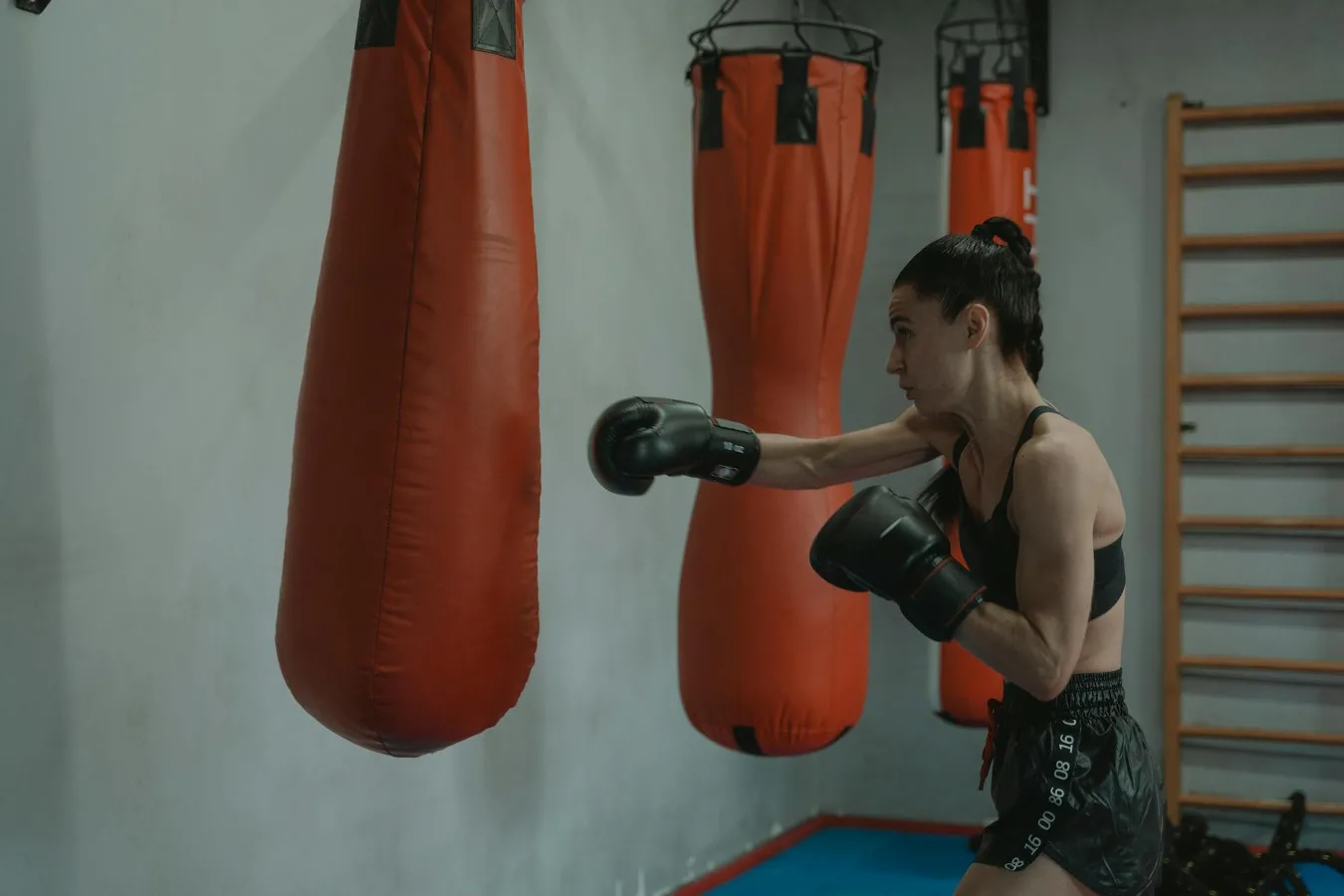
A gym bag for boxing should do more than carry clothes. The best option keeps gloves, hand wraps, shoes, water bottle, and spare layers separated enough that sweaty gear does not take over everything else. For most boxers, the right bag is a durable duffel or sport bag with enough room for protective gear, some ventilation, and a layout that makes packing fast before training. sports duffel bag buying guide offers more detail on this point. fairtex gym bag offers more detail on this point. best gym bags for everyday training offers more detail on this point.
The ideal choice depends on how you train. A beginner heading to a few classes a week may need a compact, easy-to-carry bag. Someone who brings boxing gloves, wraps, shoes, headgear, a towel, and recovery items will usually need more structure and better odor management. The bag itself does not improve performance, but it can make training simpler and less frustrating.
When a boxing-specific gym bag matters
Any gym bag can technically hold workout clothes, but boxing creates a few specific problems that ordinary bags handle poorly. Gloves are bulky, wraps can get damp, shoes may carry dirt, and sweat builds up quickly after heavy bag work or sparring. If you train regularly, those details add up.
A boxing gym bag matters most when you need a reliable system for:
- separating clean clothes from sweaty gear
- carrying bulky gloves without crushing other items
- storing wraps, tape, mouthguard cases, and small accessories
- containing odor and moisture after training
- moving gear between home, work, and the gym
If you only bring a water bottle and a T-shirt, a standard backpack may be enough. Once gloves and training shoes enter the picture, the design of the bag starts to matter much more.
Step-by-step criteria for choosing the right bag
1. Start with your boxing loadout
Before looking at features, list what you actually carry. A boxer’s bag can range from very light to heavily packed depending on the session. Common items include gloves, hand wraps, boxing shoes, clothing, headgear, mouthguard case, towel, jump rope, water bottle, and personal items.
The more structured your routine, the more you benefit from dedicated pockets. If you regularly bring multiple pairs of gloves or sparring gear, look for a bag with a wide opening and enough interior space that bulky equipment does not distort the shape.
2. Choose a size that fits boxing gear without turning into dead space
Oversizing is a common mistake. A huge bag can swallow your equipment, but it also becomes heavier, harder to organize, and more likely to accumulate clutter. A bag that is too small creates the opposite problem: gloves get crammed in, wraps are hard to find, and wet items end up pressed against everything else.
For boxing, the best size is usually the smallest one that comfortably fits your full training kit with a little room left for a towel or change of clothes. That balance makes the bag easier to carry and easier to keep tidy.
3. Pay attention to ventilation and moisture control
Ventilation is one of the most overlooked features in a boxing bag. Gloves and wraps can hold moisture long after training, and a sealed bag can trap that dampness. Over time, that creates odor, uncomfortable mildew risk, and a bag that feels unpleasant to open.
Look for design details that support airflow, such as mesh panels, ventilated shoe sections, or pockets that allow damp items to breathe a little. If the bag does not have built-in ventilation, it helps to use separate mesh pouches, let gear dry before packing when possible, and avoid storing sweaty items in the bag overnight.
4. Check the compartment layout
Boxing gear is easier to manage when it has a place to go. Compartments do not have to be numerous, but they should be useful. A thoughtful layout can keep wet, clean, fragile, and bulky items from mixing.
Useful layout features include:
- a main compartment for gloves, clothes, and larger items
- a separate shoe pocket or ventilated end section
- small interior pockets for wraps, tape, keys, and mouthguard case
- a side pocket for water bottle or shaker
- a wet pocket or washable section for damp gear
More pockets are not always better. Too many small compartments can make packing slower and limit flexibility. The better question is whether the layout matches the way you actually train.
5. Evaluate material and construction honestly
Boxing gear is rough on bags. Gloves are dense, shoes add dirt, and training often means frequent carrying, setting the bag on locker room floors, and stuffing it into cars or under benches. For that reason, construction matters as much as style.
Look for sturdy stitching, reinforced handles, a reliable zipper, and a fabric that can handle abrasion and occasional cleaning. Easy-to-wipe materials are helpful because boxing bags are exposed to sweat, dust, and residue from tape or chalk. If you prefer a softer-feeling bag, make sure it still holds its shape enough to keep gear organized.
6. Think through carry comfort
Comfort matters more than many buyers expect. A boxing bag can become heavy once gloves, shoes, and water are inside. Wide straps, balanced handles, and a shape that sits well on the shoulder can make a big difference on the way to training.
If you commute on foot, use public transit, or move through crowded gyms, ease of carry becomes even more important. A bag that is technically large enough but awkward to carry often gets left half-packed or feels annoying to use.
Examples of good boxing bag setups
Different training habits call for different bag styles. These examples show how to match the bag to the use case rather than chasing one universal setup.
For the minimalist boxer
If you carry gloves, wraps, a shirt, a water bottle, and a towel, a compact duffel or medium sport bag may be enough. The priority here is simplicity: one main compartment, one or two smaller pockets, and a bag that stays light when not full.
For the regular class-goer
If you train several times a week, a more organized bag usually works better. A separate shoe compartment helps, and a pocket for wraps or tape keeps smaller items from disappearing into the bottom of the bag. This setup is often the most practical for people moving between work and the gym.
For the boxer who carries full gear
For sparring days or longer training sessions, a larger duffel with stronger structure makes sense. The bag should handle bulk without collapsing, and it should leave room for headgear, extra clothing, and recovery items. Here, ventilation and durability matter more than a sleek profile.
For mixed training routines
If your week includes boxing, strength work, and maybe running or mobility sessions, look for a flexible gym bag rather than a boxing-only setup. A bag with a clean main compartment and a few adaptable pockets can handle changing routines better than one with highly specialized storage.
Common mistakes when buying a boxing gym bag
People often focus on appearance first and practicality second. That usually leads to one of a few predictable problems.
- Buying too small: Gloves and shoes end up forcing the bag open or crowding clean items.
- Buying too large: The bag becomes a dumping ground and harder to carry.
- Ignoring ventilation: Odor and moisture build up faster than expected.
- Overvaluing pockets: Too many compartments can make packing awkward.
- Choosing style over cleaning ease: Some materials are less convenient to wipe down after sweaty sessions.
- Forgetting the commute: A great locker-room bag may still be uncomfortable on a train or long walk.
A bag that looks athletic is not automatically a good boxing bag. The real test is whether it supports your routine without adding friction.
How boxing bags compare with other gym bags
Boxing bags overlap with standard gym bags, but they are not always the same thing. A generic gym bag often assumes clothing, sneakers, and toiletries. Boxing gear adds bulk, odor, and a need for quick access to hand wraps, gloves, and protective equipment.
Compared with a basic backpack, a duffel usually works better for boxing because it handles larger items more naturally. Compared with a travel bag, a boxing-oriented gym bag is usually easier to organize for repeat training sessions. Compared with a hard equipment case, it is lighter and more flexible, though less protective for fragile items.
If you train only occasionally, you may not need a specialized boxing bag at all. But if boxing is part of your weekly routine, the right bag can save time and reduce mess.
Checklist before you buy
Use this quick check to narrow down your options:
- Does it fit gloves, wraps, shoes, and a change of clothes comfortably?
- Is there a separate place for damp or dirty items?
- Does the opening make packing and unpacking easy?
- Will the material be easy to wipe down after training?
- Are the straps and handles comfortable when the bag is full?
- Does the layout match your real routine, not just the product photos?
- Will it work for both gym use and your commute?
If a bag fails two or more of these questions, it is probably not the best fit for boxing.
Care and maintenance tips
A good bag lasts longer when you treat it like training equipment rather than a storage bin. Let sweaty gear dry when possible before packing it away. Empty the bag regularly so wraps, tape scraps, and damp towels do not sit inside for days. If the material allows, wipe the interior and exterior occasionally to reduce residue buildup.
Another simple habit is using smaller organizers inside the bag. A mesh pouch for wraps, a separate pocket for toiletries, and a designated spot for shoes can help keep the bag cleaner and easier to use. That matters even more in boxing, where moisture and odor are ongoing issues rather than occasional problems.
FAQs
What size gym bag is best for boxing?
The best size is the smallest one that still fits your gloves, wraps, shoes, and clothes without forcing everything together. If you carry sparring gear or extra layers, choose a larger duffel with room to spare.
Should a boxing gym bag have ventilation?
Yes, ventilation is very helpful. Boxing gear often gets sweaty, and airflow can reduce trapped moisture and odor. If the bag does not have ventilated panels, use separate mesh pouches and dry gear before packing when possible.
Is a backpack good for boxing?
A backpack can work if you carry a minimal load, but many boxers find duffels more practical because gloves and shoes are easier to fit. Backpacks usually become less convenient once bulky gear is part of the routine.
What should I keep separate inside a boxing bag?
Keep sweaty items away from clean clothes, and separate shoes from the rest of your gear if possible. Small accessories such as wraps, tape, keys, and mouthguards are easier to manage in dedicated pockets or pouches.
How do I keep a boxing bag from smelling bad?
Let gear dry before packing when you can, remove damp items promptly, and clean the bag regularly. Ventilated pockets, mesh pouches, and a layout that keeps sweaty gear from staying sealed inside all day can also help.
If you want one bag that works well for boxing, focus on fit, ventilation, durability, and layout before you think about color or branding. Those practical details determine whether the bag feels useful every session or becomes another piece of gear you tolerate instead of rely on.