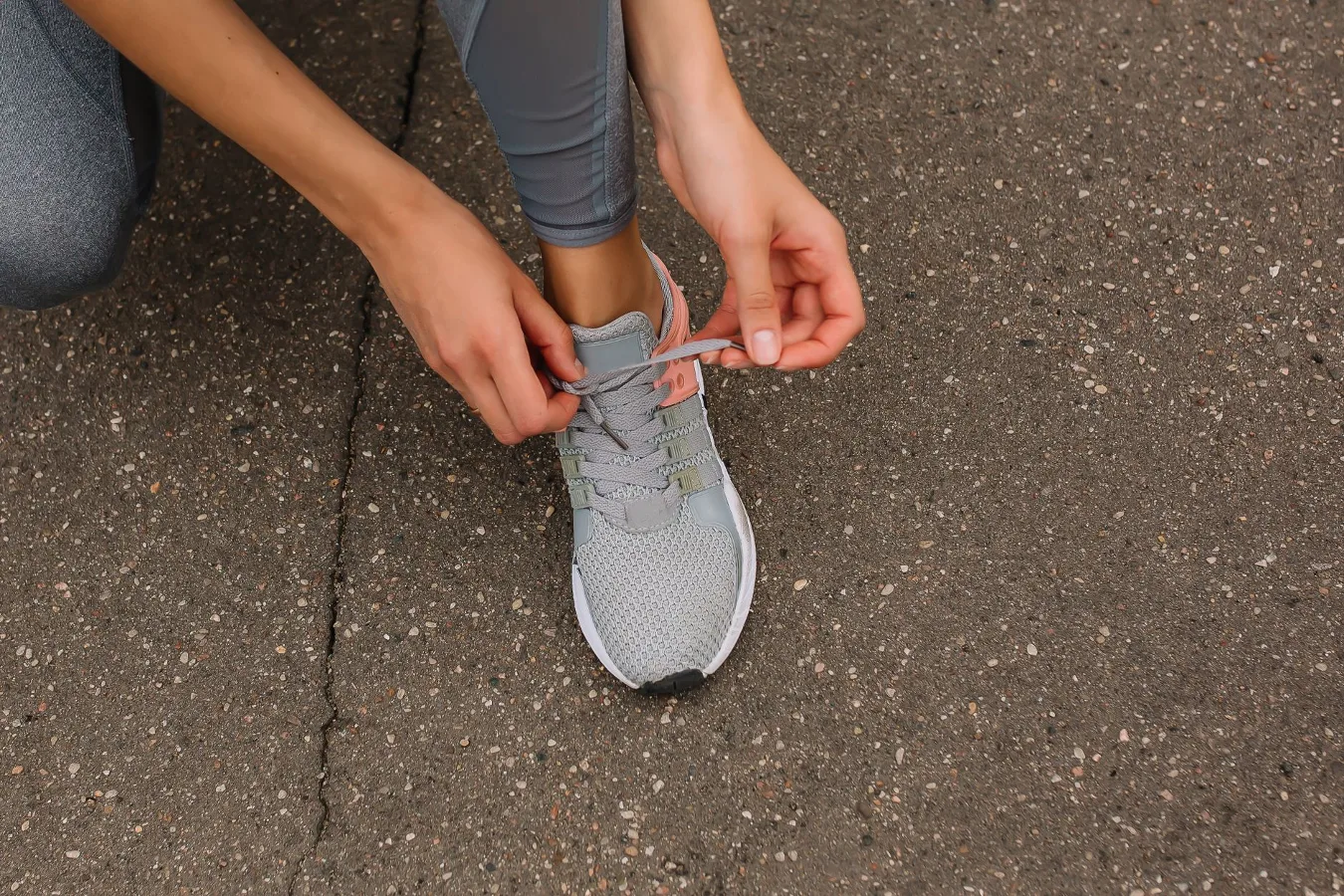
What neutral cushioned running shoes are for
Neutral cushioned running shoes are designed for runners who want a softer, more forgiving ride without added stability features meant to correct pronation. That makes them a strong fit for many everyday runners, especially those who want comfort for easy miles, recovery runs, walking, or long runs at relaxed paces. Shoes guide offers more detail on this point.
The key idea is simple: a neutral shoe supports the foot in a natural way, while the cushioning helps absorb impact and smooth the ride. That combination can feel more comfortable than a firmer trainer, but it is not automatically the best choice for every runner. The right pair depends on how you move, how much cushioning you prefer, and whether you value softness, responsiveness, or a balanced middle ground.
A common misconception is that neutral cushioned shoes are only for runners with “perfect” form. That is too rigid. Many runners with different foot shapes and gait patterns do well in neutral shoes as long as the shoe feels stable enough for their needs and comfortable over the distances they cover.
The main factors that matter most
Cushioning feel
Not all cushioned shoes feel the same. Some use a plush, sink-in feel that emphasizes comfort on easy runs. Others feel softer but more energetic, with enough structure in the foam to avoid feeling mushy. The difference matters because overly soft cushioning can feel great at first but less controlled during faster efforts, while a firmer cushioned shoe may feel better for runners who prefer a more connected road feel.
Think about where you want the shoe to help most. If you want protection for longer outings or recovery days, a softer ride can be useful. If you want a shoe that can handle daily training and a wider range of paces, a balanced cushion may be more versatile.
Fit through the midfoot and heel
Comfort starts with fit. A neutral shoe should hold the heel securely without pinching, allow the midfoot to sit naturally, and leave enough room in the toe box for toe splay. If the shoe is too narrow, even excellent cushioning can feel distracting. If it is too loose, the ride can feel unstable, especially on turns or uneven pavement.
Pay attention to length as well as width. A shoe that feels good while standing still may feel short once the foot swells on longer runs. Small fit issues often show up later in a run, not in the first few minutes.
Drop and ride geometry
Shoe drop, or the height difference between heel and forefoot, affects how a shoe feels underfoot. Higher-drop shoes tend to shift more load toward the heel and can feel familiar for many runners. Lower-drop shoes often encourage a more midfoot-oriented landing, though they are not a shortcut to better mechanics. how to choose running shoes by foot type offers more detail on this point.
The shape of the midsole matters too. Rocker geometry, heel bevels, and forefoot flex points can change how smoothly the shoe transitions from landing to toe-off. A runner looking for an easy, rolling feel may appreciate these details more than a runner focused on a traditional ride.
Weight and everyday versatility
Neutral cushioned shoes are often used as daily trainers, so versatility counts. A very soft, heavily cushioned shoe can be excellent for easy miles but less appealing if you want one pair to do everything. A lighter option may feel more lively, but it may also sacrifice some long-distance plushness or outsole coverage. daily trainers for everyday miles offers more detail on this point.
If you plan to use one shoe for the bulk of your training, a balanced compromise is often smarter than chasing the softest model available.
Outsole coverage and surface use
Where you run should influence the choice. Smooth road running places less demand on outsole grip than wet paths, cracked sidewalks, or mixed urban surfaces. More outsole rubber can improve durability and traction, but it may add weight or slightly reduce flexibility. Less rubber can make a shoe feel lighter and smoother, but it may wear sooner in high-abrasion zones.
For runners who mostly stay on pavement, a road-focused neutral cushioned shoe usually makes the most sense. If you regularly move between roads and packed paths, look for a model that balances comfort with practical traction.
Who neutral cushioned running shoes suit best
These shoes are often a good match for runners who do not need motion-control features and want a smoother ride for regular training. They are especially useful for:
- neutral runners who want a comfortable daily trainer
- beginners who value comfort over aggressive performance features
- runners logging easy miles and recovery runs
- long-run days where underfoot protection matters more than speed
- walkers who prefer running-shoe cushioning and a forgiving fit
They can also work well for higher-mileage runners who rotate multiple shoes and want one pair dedicated to easy days. In that setup, the neutral cushioned shoe serves a distinct purpose rather than being forced to do everything.
That said, runners who consistently overpronate and rely on guidance from a stability shoe may not get the support they want from a neutral model. Neutral shoes can still feel fine for some of those runners, but comfort alone should not override a known support need.
Where the trade-offs show up
More cushioning usually brings more comfort, but it can also introduce compromises. A very plush shoe may feel less precise when cornering, less responsive during faster workouts, or slightly less stable if the platform is tall and narrow. A firmer neutral shoe may be easier to control but less forgiving on tired legs.
Another practical limitation is that cushioning does not replace fit. Some runners assume that a soft midsole will solve everything, but a poorly sized shoe can still cause hot spots, heel slip, or toe irritation. Comfort is a system, not a single feature.
There is also a durability consideration. Softer foams can feel excellent early on, but all cushioning changes with use. Even if the outsole still looks fine, the ride may feel less lively over time. How quickly that happens depends on many variables, including mileage, body weight, terrain, and storage habits, so it is better to judge by feel rather than a fixed number.
How to choose the right pair for your needs
Start with your running routine
If most of your runs are easy-paced road runs, prioritize comfort, consistent fit, and enough cushion to keep your legs feeling fresh. If you regularly mix in workouts, choose a model that feels less bulky and transitions smoothly, so it can do more than just recovery duty.
If you are building your first rotation, a neutral cushioned trainer is often the most practical starting point. It can cover a wide range of everyday use cases before you decide whether you need a lighter speed shoe or a more protective long-run option.
Match cushioning to your preference, not the trend
Some runners love a soft, pillow-like ride. Others prefer a firmer, more stable feel that keeps them connected to the ground. Neither preference is wrong. The best shoe is the one that feels natural when you run at your typical pace.
A useful way to think about it: if you come away from a run feeling less beaten up, the cushioning level is probably doing its job. If the shoe feels vague or tiring because you have to manage it constantly, it may be too soft or too tall for your preference.
Do not ignore upper construction
People often focus on the midsole and overlook the upper, but the upper can decide whether the shoe works for long runs. Breathability, tongue padding, heel collar shape, and lacing layout all affect comfort. A well-cushioned shoe with a rough or overly rigid upper can still become a problem.
Look for a secure midfoot hold without excessive pressure. If the upper collapses inward, rubs the top of the foot, or leaves the heel floating, the shoe is unlikely to feel good once the miles add up.
Consider your foot shape and sizing needs
Runners with wider forefeet often benefit from brands or models that offer more room in the toe box. Runners with narrow heels may want a more tailored lock-in to reduce movement inside the shoe. Arch height can also influence what feels comfortable, but arch height alone should not dictate the choice.
Trying shoes later in the day can help because feet tend to swell. If you wear running socks or use inserts, bring them into the fitting process so the actual fit reflects how you will run, not how the shoe feels in a showroom.
Common mistakes when shopping for cushioned neutral shoes
- choosing the softest shoe available without considering stability or control
- buying based on appearance or hype instead of fit and ride feel
- ignoring toe box room and heel security
- assuming more cushioning always means better comfort
- using a neutral shoe when a known support need calls for a different setup
- treating one shoe as perfect for every pace and every surface
One overlooked issue is that some runners confuse plushness with protection. A shoe can feel soft but still be poor for long runs if the platform feels unstable or if the upper does not hold the foot consistently. Real comfort usually comes from the combination of cushioning, fit, geometry, and stability under your own stride.
When a different type of shoe may be a better fit
If you need more guidance because your foot rolls inward in a way that regularly causes discomfort, a stability shoe may be worth considering. If your priority is faster training or racing, a lighter and more responsive shoe could be a better match than a deeply cushioned daily trainer. If you run mostly on trails, a road-focused neutral shoe will not give you the grip or protection you need.
For many runners, the answer is not choosing one category forever. A simple rotation can work better: a neutral cushioned shoe for easy and long runs, a lighter trainer for workouts, and a trail shoe if off-road running is part of the plan.
Practical buying guidance for U.S. runners
For shoppers in the United States, the broadest selection usually comes from road-running models positioned as daily trainers or comfort-focused trainers. The challenge is narrowing the field because many shoes sound similar on paper. Focus on the few factors that will matter most after the first few runs: fit, cushioning feel, stability under load, and the surfaces you actually run on.
If possible, compare two or three options in the same category rather than stretching your budget across features you may not need. The best neutral cushioned running shoe is rarely the one with the most marketing language. It is the one that disappears on your foot, supports your routine, and holds up to the kind of mileage you actually run.
For readers building a broader shoe strategy, it can also help to think beyond one purchase and map out the role each pair will play. That perspective makes it easier to judge whether you need a soft easy-day shoe, a more balanced daily trainer, or a specialized option for different conditions.
The short version
Neutral cushioned running shoes are best understood as comfort-first road shoes for runners who do not need built-in stability support. The best choice depends on fit, cushioning feel, drop, platform stability, and the runs you plan to use them for. If you match the shoe to your routine instead of chasing the most cushioned model, you are more likely to end up with a pair that feels good after the first mile and the fiftieth.