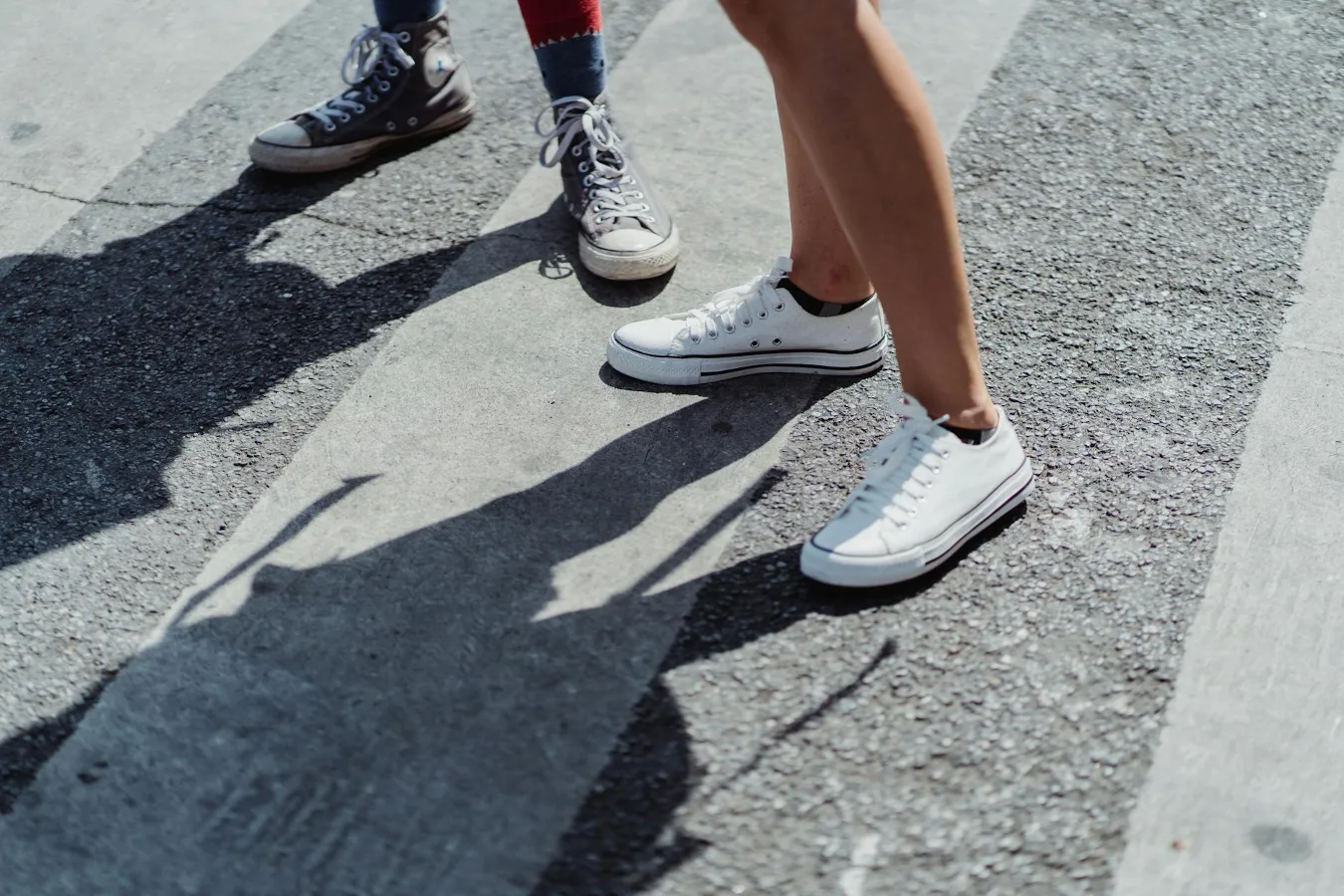
Sneakers are the easiest shoes to reach for, but choosing the right pair is less about picking a popular style and more about matching the shoe to your feet, your routine, and the way you actually wear them. Some pairs are built for all-day comfort, others lean into fashion, and many sit somewhere in between. complete guide to bottega sneakers offers more detail on this point.
If you are buying sneakers for everyday wear, the best starting point is fit. After that, focus on cushioning, support, materials, breathability, and how versatile the pair will be with your wardrobe. A sneaker that looks good but pinches at the toe box or feels unstable after an hour is usually a poor buy, no matter how appealing it looks online.
What matters most when buying sneakers
The right sneaker depends on the job you expect it to do. That sounds simple, but it is where many buyers get tripped up. A pair meant for short errands and casual outfits can feel very different from one chosen for commuting, standing at work, walking long distances, or dressing up a clean everyday look.
Instead of starting with brand or trend, start with use case. Ask yourself whether you want sneakers primarily for comfort, style, durability, or a balance of all three. That answer should shape every other decision.
Fit is the first filter
Fit influences comfort more than any other factor. Sneakers that are too short, too narrow, or too loose can cause rubbing, heel slip, and pressure points. A good fit should feel secure without squeezing the sides of the foot.
Pay attention to the toe box, especially if you have wider feet or prefer wearing thicker socks. A slightly roomier front can make a major difference during a full day of wear. Heel hold matters too; if the heel lifts with every step, the shoe may feel sloppy even if the length is correct.
One common misconception is that sneakers will “break in” enough to fix a poor fit. Some materials soften a little, but they do not usually solve a fundamentally wrong shape. If the base fit is off, the problem tends to remain.
Cushioning changes the feel underfoot
Cushioning is often described in vague terms, but in practical use it affects how much impact the shoe absorbs and how soft it feels during walking. More cushioning can be appealing for long days on hard surfaces, but extra softness is not always better. Some people prefer a firmer ride that feels more stable and controlled.
If you stand or walk a lot, consider whether you want a plush step-in feel or a more balanced platform that does not sink too much under pressure. For casual wear, many buyers prefer moderate cushioning because it tends to feel comfortable without making the shoe bulky.
Support should match your routine
Support does not mean the same thing for everyone. For some shoppers, it means a stable base and a secure heel. For others, it means arch-friendly shaping or enough structure to handle a full day on foot.
If you already know you prefer a more structured shoe, look for sneakers with a firm midsole, a secure heel counter, and a shape that does not twist too easily. If you want a lightweight, relaxed sneaker for short wear, a softer and simpler build may be enough.
Do not assume that a more expensive sneaker automatically offers better support. Price and support are not the same thing, and some fashion-oriented pairs prioritize appearance over structure.
Materials affect breathability and maintenance
The upper material shapes both comfort and upkeep. Mesh and knit styles often feel lighter and more breathable, which can be useful in warmer weather or for people who spend long stretches indoors. Leather and synthetic leather can look cleaner and may be easier to wipe down, but they may run warmer and require more care to keep them looking fresh.
If you want a low-maintenance pair, think about how much cleaning you are realistically willing to do. Light-colored sneakers and textured materials can look great, but they usually show dirt faster than darker or smoother finishes.
A practical trade-off is that the most breathable sneaker is not always the easiest to maintain, and the easiest to clean is not always the coolest to wear in hot weather.
Style versatility matters more than many buyers expect
Many sneaker purchases are driven by outfit potential. A clean white sneaker, a minimalist black pair, or a neutral-toned runner-style shoe can work across a wider range of looks than a more fashion-specific design. If you want one pair to do a lot of work, versatility should be part of the decision.
That said, the most versatile sneaker is not always the one that best fits your personal style. If you already wear bold colors, streetwear, or vintage-inspired clothing, a more distinct silhouette may suit your wardrobe better than a plain all-purpose design.
How to narrow down the right pair
Once you understand the major factors, the next step is to match them to your day-to-day needs. This is where buyer intent becomes specific. The best sneaker for a commuter, a student, a traveler, and someone building a casual shoe rotation can all be different.
For everyday wear
If you want sneakers for daily use, look for a balanced mix of comfort, moderate cushioning, and a shape that works with jeans, joggers, shorts, and casual trousers. A pair that feels neutral enough for many outfits usually gets worn more often, which makes it more valuable over time.
Everyday sneakers should also be easy to get on, easy to walk in, and not so delicate that minor scuffs become a constant concern.
For long hours on your feet
If you spend long periods standing or walking, comfort should outweigh trend. Look for a sneaker with dependable cushioning, a stable base, and enough room in the forefoot. The shoe should feel supportive without creating pressure anywhere on the upper.
A lightweight shoe can help reduce fatigue, but ultra-light sneakers sometimes give up structure. The better choice is usually a shoe that balances lightness with enough substance to remain comfortable throughout the day.
For style-first outfits
If the sneaker is mainly a style piece, silhouette and proportion may matter more than technical features. Clean lines, a refined toe shape, and color coordination with your wardrobe become key. In this case, comfort still matters, but the ideal fit may be slightly different from a performance-oriented shoe.
The risk with style-first sneakers is that they can look great in photos but feel less forgiving in real life. If you plan to wear them frequently, do not sacrifice fit entirely for appearance.
For wide feet or sensitive feet
Buyers with wider feet should be especially cautious about narrow toe boxes and rigid uppers. A sneaker that looks fine from above may still feel tight across the front or instep. More accommodating shapes, softer uppers, and models designed with roomier fits can make a noticeable difference.
If your feet are sensitive, avoid assuming that a shoe will become comfortable after a few wears. Small pressure points often become bigger problems over time.
Common sneaker mistakes to avoid
Several buying mistakes come up repeatedly, especially when shoppers are choosing online.
- Choosing by looks alone: a sneaker can match your style and still be the wrong shape for your foot.
- Ignoring width: length is only part of fit, and width problems can be just as limiting.
- Overvaluing softness: very soft cushioning may feel nice at first but not always stable or durable.
- Buying for a single outfit: a more versatile pair often gets better value because it wears more often.
- Assuming all sneakers are low-maintenance: some uppers and finishes show wear quickly.
- Skipping your real use case: a sneaker for errands is not always the same as one for travel or all-day standing.
Another overlooked issue is break-in expectations. Some sneakers are comfortable right away, while others feel stiff at first. If the shoe already has obvious pressure points in the store or during the first wear, do not count on time to solve everything.
Practical ways to compare sneakers before buying
If you are comparing several pairs, use a simple checklist instead of trying to remember every detail. Look at the shape of the toe box, the amount of cushioning, the upper material, the sole profile, and whether the style fits your wardrobe.
| Factor | What to look for | Why it matters |
|---|---|---|
| Fit | Secure heel, comfortable toe room, no pinching | Prevents rubbing, slipping, and discomfort |
| Cushioning | Soft, moderate, or firm underfoot feel | Affects comfort, stability, and walking feel |
| Support | Stable base and enough structure for your routine | Helps with all-day wear and confidence in each step |
| Material | Breathable mesh, knit, leather, or synthetic uppers | Influences airflow, look, and upkeep |
| Versatility | Color and shape that work with most outfits | Improves how often you will actually wear them |
This kind of comparison is useful because it keeps the decision grounded in how you live. It also helps avoid the common trap of buying a sneaker that is technically appealing but not practical enough to earn regular use.
Alternatives if sneakers are not the best fit for your needs
Even though sneakers are versatile, they are not always the best answer. If you need something more polished for certain environments, a casual loafer, derby, or other everyday shoe may be more appropriate. If you need stronger weather protection, a boot may make more sense. If your activity level is higher, a dedicated athletic shoe may offer better performance than a lifestyle sneaker.
The key is not to force sneakers into every role. A good wardrobe usually includes different shoe types for different situations, and sneakers often work best as the flexible middle ground.
How to make a smarter final choice
Start with your priorities, then rank the options by fit, comfort, and versatility. If two sneakers look similar, choose the one that better matches your foot shape and routine rather than the one that simply has the more appealing design. For many buyers, a slightly more conservative style is the safer long-term pick because it wears with more outfits and stays useful longer.
If you want a single pair, favor balance. If you want multiple pairs, let each one serve a different purpose: one for daily comfort, one for style, and one for heavier wear. That approach usually leads to fewer regrets than trying to find one sneaker that does everything perfectly.
Sneakers are at their best when they feel easy to wear, easy to style, and easy to live with. The smartest purchase is the one that fits your feet, fits your routine, and still makes sense after the excitement of buying has passed.