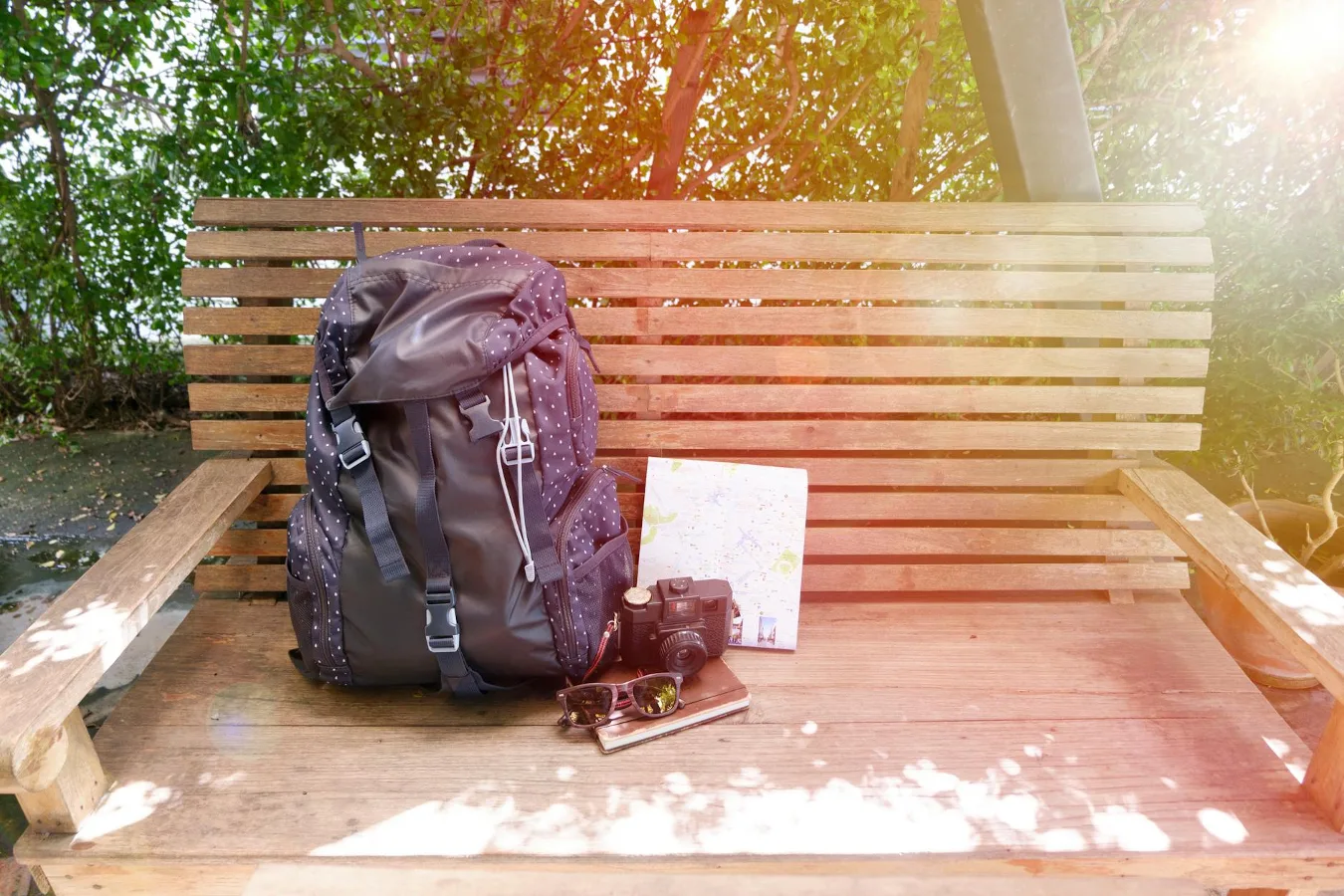
If you want a travel backpack under seat, start with one rule: it needs to function as a personal item first and a backpack second. The best options fit under the seat on most flights, open quickly at security, keep essentials organized, and still carry enough for a short trip or a packed workday. travel backpack sizing guide offers more detail on this point. Aero Travel Backpack Buying Guide offers more detail on this point.
That sounds simple, but the details matter. Airline personal-item rules vary, seat space varies even more, and a backpack that looks compact online can feel oversized once it is packed. The right choice depends on how you travel, what you carry, and how much flexibility you need once you board.
When a travel backpack under seat makes the most sense
This type of bag is most useful for travelers who want everything close at hand during a flight. It works well if you usually fly with a laptop, chargers, headphones, medication, snacks, a change of clothes, or a few toiletries. It can also be a strong option for overnight trips when you want a small bag that avoids checked-bag hassles.
It is especially practical for:
- short business trips where quick access matters
- weekend travel with light packing
- budget flights that count a personal item separately from a carry-on
- commuters who want a bag that moves easily between airport, train, and city use
- travelers who prefer soft-sided bags that can compress more easily than rigid luggage
The main trade-off is capacity. A backpack designed to fit under a seat will usually give up some internal volume, frame support, or structure. If you pack heavily, that can make the bag less comfortable or harder to close cleanly.
Step-by-step criteria for choosing the right one
1. Start with airline compatibility, not the product photo
The biggest mistake shoppers make is choosing a bag by appearance alone. A backpack can look slim and still be too deep once packed. Since personal-item dimensions vary by airline, the safer approach is to compare the bag’s stated size with the airline you fly most often.
For U.S. travelers, it is smart to think in terms of personal-item compatibility rather than just “under seat.” Under-seat space changes with aircraft type, seat pitch, bulkheads, and whether the seat in front of you has extra hardware underneath. A bag that fits on one plane may feel tight on another.
If your trips involve multiple airlines, a soft-sided backpack with some compression tends to be more forgiving than a structured bag that holds its shape no matter what.
2. Choose capacity based on your real packing habits
Capacity is where many buyers overestimate. A smaller backpack may be enough if you carry only essentials: wallet, phone, tablet, charger, earbuds, a water bottle, and a light layer. If you also need a laptop, camera gear, a toiletry kit, or a full change of clothes, you will want more thoughtful organization rather than just more empty space.
Instead of asking only how much the bag can hold, ask how you pack. A well-designed bag with separate sleeves and easy-access pockets may be more useful than a larger but open main compartment. For under-seat travel, efficient layout often matters more than raw volume.
3. Look for a layout that reduces airport friction
Under-seat backpacks are at their best when they speed up the parts of travel that usually feel inconvenient. A front pocket for travel documents, a padded laptop sleeve, and a quick-access area for charging cables can save time at security and during the flight.
Useful layout features include:
- a padded compartment for a laptop or tablet
- an easy-reach pocket for boarding pass, passport, or phone
- internal dividers or packing sections for clean separation
- a water bottle pocket that does not eat into the main compartment
- an opening that stays manageable when the bag is partially packed
One overlooked detail is how the zipper opens. A clamshell-style opening can make packing easier, but it may also expose the whole interior when you only need one item. A top-loader can feel simpler for daily use but may be less convenient in a cramped airplane seat. The better option depends on whether you prioritize packing efficiency or in-flight access.
4. Make comfort a priority if you will walk with it often
A travel backpack under seat is not just for boarding. Many travelers carry it through terminals, city streets, train stations, and hotels. If the shoulder straps are thin, the back panel is stiff in the wrong places, or the bag hangs awkwardly when full, the convenience can disappear fast.
Comfort features to compare include:
- padded shoulder straps that do not dig in when loaded
- a back panel that feels stable against your body
- a sternum strap if you expect longer walks
- a luggage pass-through for stacking on rolling luggage
A common misconception is that smaller backpacks are always more comfortable because they weigh less. That is not always true. A compact bag with poor strap design can feel worse than a slightly larger one that distributes weight better.
5. Think about materials and structure in practical terms
For this category, the material is less about fashion and more about behavior. Soft fabrics can flex to fit under a seat more easily. Stiffer materials help the bag keep its shape, which can make packing more orderly, but they may reduce flexibility if the plane’s under-seat area is tight.
Durable zippers, reinforced stitching, and a water-resistant finish are all sensible considerations, especially if the bag will move between terminals, curbside pickup, and city use. If you travel often, pay attention to how exposed the hardware looks, since zipper pulls, seams, and strap attachment points are common wear areas.
6. Make sure the organization matches your trip type
Different travelers need different internal layouts. Business travelers usually want a separate laptop sleeve and easy document access. Leisure travelers may care more about clothing space and a flexible main compartment. Parents often need extra quick-access pockets for small items that cannot be buried under layers of packing.
Ask yourself what should be reachable without unpacking the whole bag. That single question can eliminate many options that look good on paper but fail in real use.
Examples of the right backpack for different travel styles
For business travel
Choose a travel backpack under seat with a dedicated laptop compartment, clean external design, and pockets that keep chargers and notebooks separated. A professional look matters less than a layout that lets you move through security and meetings without digging for essentials.
If your work bag also serves as your flight bag, make sure the backpack can handle both roles without feeling overloaded. Some models are marketed as travel-first but are awkward for daily office use, while others are great for commuting but too small for overnight packing.
For weekend trips
Look for a bag that balances clothing space with simple organization. A clamshell opening can be useful here because it helps pack shirts, a toiletry bag, and a spare layer efficiently. If you travel light, a smaller personal-item backpack may be enough without forcing you into a bulky carry-on.
Weekend travelers often benefit from compression-friendly packing. Soft sides and flexible compartments can help the bag adapt to the contents rather than the other way around. weekend travel bag options offers more detail on this point.
For minimalist flyers
If you only carry the essentials, prioritize access and comfort over size. A compact under-seat backpack with a laptop sleeve and a few secure pockets may be all you need. For this kind of traveler, extra pockets can be more valuable than extra room because they keep the small things from disappearing into a larger compartment.
Common limitations to keep in mind
A travel backpack under seat is useful, but it is not the answer for every trip. The biggest limitation is that under-seat space is not guaranteed to feel the same from one flight to another. Bulkhead seats, slimline seats, and busy flights can all reduce practical space.
Another limitation is access during boarding and deplaning. A bag packed to the limit may fit under the seat but be harder to slide out quickly. If you expect to retrieve items often during the flight, leave some room in the main compartment and keep your most important things in outer pockets.
Finally, a bag that is too focused on travel can be less useful day to day. Some of the most specialized under-seat backpacks are excellent for airports but less comfortable as everyday work or school bags. If you want one bag for multiple uses, look for a balanced design rather than the most travel-specific layout available.
Alternatives worth considering
If a backpack under the seat is not the right fit, a few alternatives may work better depending on your priorities.
- Small roller bag: better for heavier packing, but less convenient in tight spaces and on stairs
- Soft-sided duffel: flexible and easy to stow, though less organized for laptops and accessories
- Tote with luggage sleeve: simple and stylish for light packing, but usually less supportive on longer travel days
- Hybrid travel bag: useful if you want a bag that can switch between backpack and briefcase carry
If you often carry electronics, a backpack usually offers the best balance of comfort and organization. If you mainly pack clothes and toiletries, a soft-sided duffel or small carry-on may be more efficient.
Checklist before you buy
- Check the airline personal-item guidance for the routes you fly most often
- Confirm the bag’s external dimensions, including depth when packed
- Decide whether you need a laptop sleeve, clothing space, or both
- Look for easy-access pockets for travel documents and phone
- Choose soft-sided construction if flexibility matters more than structure
- Test whether the strap padding and back panel suit your walking distance
- Consider a luggage pass-through if you often travel with a rolling suitcase
- Make sure zippers, seams, and pocket placement suit your packing style
One practical trick: pack the type of items you normally bring, not just the lightest version of them. A backpack can seem perfectly sized until you add a laptop charger, a sweater, and a water bottle. Real packing reveals whether the bag still closes comfortably.
FAQ
What size backpack counts as under seat luggage?
There is no single universal size, because airlines set their own personal-item guidance. A backpack qualifies if it fits under the seat in front of you on that flight, so checking the airline’s current policy is the safest approach.
Is a travel backpack under seat better than a small carry-on?
It depends on your packing style. A backpack is usually better if you want hands-free movement, quick access, and a lighter setup. A small carry-on may be better if you need more rigid packing space or want to separate clothing more cleanly.
Can I use a travel backpack under seat as my only bag?
Yes, if you pack lightly and choose a layout that fits your essentials. It is a good option for short trips, minimal packing, or travel where you want to avoid checking bags.
What features matter most for flights?
For most travelers, the most important features are airline-friendly size, comfortable straps, easy-access organization, and enough structure to protect a laptop or tablet without making the bag rigid.
Are personal-item backpacks good for everyday use too?
Many are, but not all. A bag that is excellent for flights can feel too specialized for daily commuting, especially if it is optimized for packing rather than comfort or quick access.
Choosing the right bag for your travel habits
The best travel backpack under seat is the one that matches how you actually move through a trip. If you value organization, choose thoughtful pockets and easy access. If you care more about flexibility, choose soft-sided construction. If you carry electronics, prioritize protection and a practical laptop compartment. If you travel light, do not overbuy capacity you will never use.
A good under-seat backpack should reduce friction, not add to it. When it is sized correctly and designed around your routine, it becomes one of the most useful bags you can own for short flights, work travel, and day-to-day mobility.