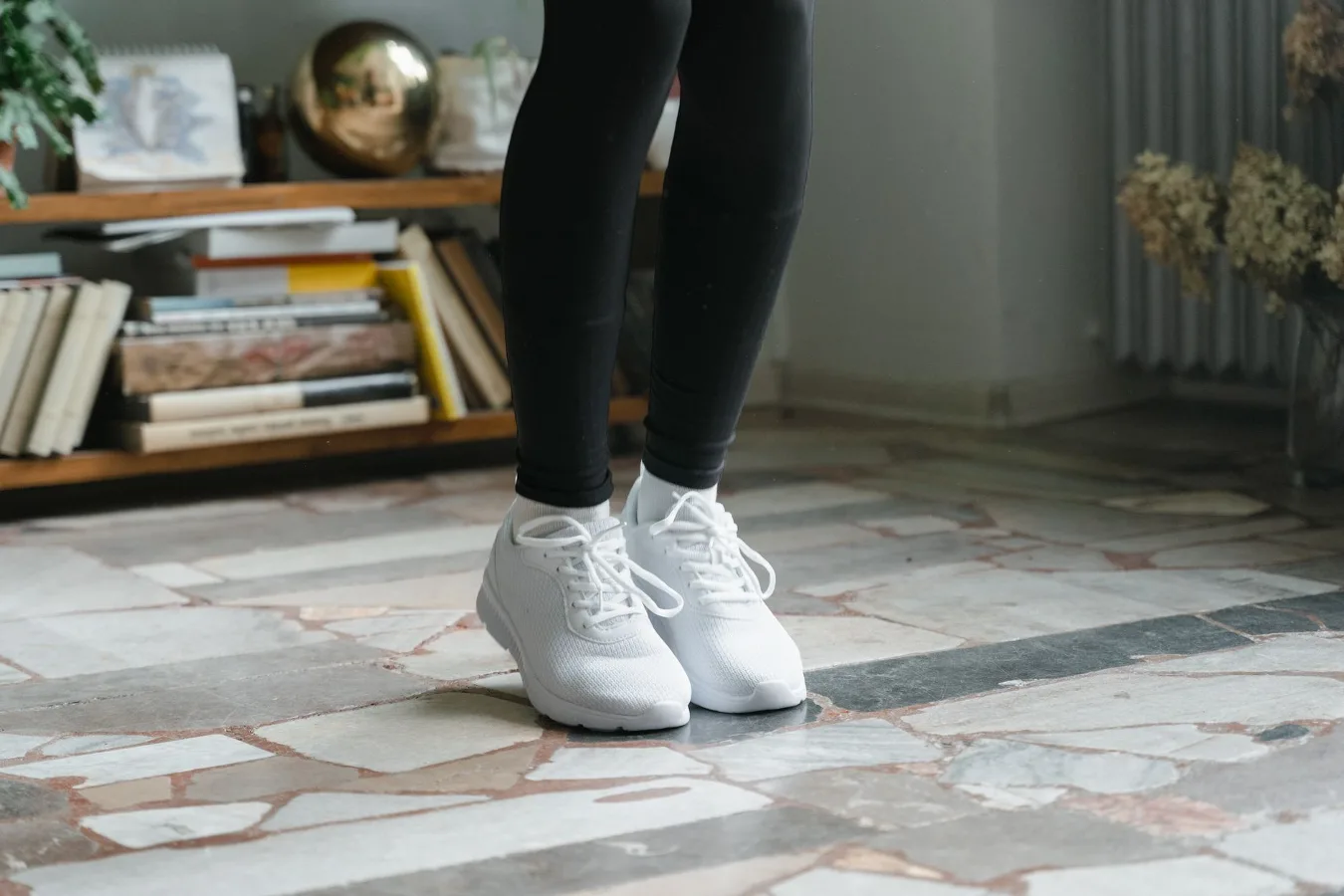
White sneakers work because they sit in a useful middle ground: cleaner than most casual shoes, less formal than dress shoes, and flexible enough to wear with jeans, chinos, shorts, and even some tailored looks. The best pair depends less on trend and more on how you plan to use them. If you want a pair that can handle daily wear, look for a balance of comfort, easy upkeep, and materials that fit your climate and routine. learn more about bottega sneakers offers more detail on this point. learn more about ugg sneakers offers more detail on this point.
Start with the way you’ll actually wear them
The easiest mistake is choosing white sneakers for looks alone. A pair that photographs well may not suit your daily life. Before comparing styles, think about where the shoes will go: workdays, commuting, travel, weekends, or occasional nights out.
If you want one pair to do most jobs, versatility matters more than novelty. A simple low-top design usually fits more outfits than a chunky fashion-forward silhouette. If you plan to walk a lot, comfort and support deserve more weight than a perfectly streamlined shape. If the shoes will mostly be part of polished casual outfits, a cleaner profile and smoother upper material can make them easier to dress up.
Common buyer scenarios
- Everyday wear: prioritize comfort, dependable construction, and materials that are easy to maintain.
- Office-casual use: choose a cleaner silhouette with minimal branding and a neat finish.
- Travel: focus on lightweight feel, break-in comfort, and a sole that can handle long periods on your feet.
- Style-first wear: pay attention to shape, proportion, and how the shoe looks with your regular wardrobe.
Material choice affects upkeep as much as style
For white sneakers, the upper material has a big impact on how the shoes wear, clean up, and age. White shows scuffs, dust, and discoloration faster than darker colors, so the material should match your tolerance for maintenance.
Leather
White leather sneakers are a strong option if you want a cleaner, slightly more polished look. They often pair well with denim, trousers, and casual suiting. Smooth leather is usually easier to wipe down than textured materials, which can be a practical advantage. The trade-off is that leather can crease, and the finish may show scratches or scuffs depending on use.
Canvas
White canvas sneakers usually feel relaxed and lightweight. They can be a good match for warm-weather outfits and casual weekends. The main limitation is upkeep: canvas can absorb dirt more easily, and stains may be harder to remove than surface marks on leather. If you value an easygoing look and do not mind regular cleaning, canvas is a classic choice.
Synthetics and mixed materials
Synthetic uppers can vary widely in quality. Some are chosen for easy wipe-down maintenance, while others are used to create structure or breathability. Mixed-material sneakers may be practical, but they can also be harder to clean because each panel may need different care. If you dislike guesswork, a simpler construction is often easier to live with.
Overlooked consideration: texture matters. A heavily textured white upper may hide minor marks better than a smooth, glossy surface, but it may also be harder to clean thoroughly once dirt settles in the grooves.
Comfort depends on more than cushioning
Many shoppers focus on cushioning first, but white sneakers need to work as daily shoes, not just display pieces. Comfort comes from several factors working together: shape, fit, insole feel, heel hold, and how flexible the sole is under normal movement.
A sneaker that feels soft in hand may still fail if it rubs the heel, pinches the toe box, or feels unstable during longer wear. If you plan to wear your pair for long periods, aim for a shoe that feels balanced rather than overly plush.
What to pay attention to
- Toe box shape: some people need more room in the forefoot, especially if they wear the shoes for hours at a time.
- Heel security: a loose heel can cause slipping and discomfort, even if the length seems correct.
- Arch feel: support needs vary by foot shape and how you distribute pressure while walking.
- Sole flexibility: too stiff can feel clunky; too flexible can feel less supportive depending on the shoe.
- Weight: lighter shoes often feel easier for travel and long days, though weight alone does not determine comfort.
One practical nuance: comfort at first wear and comfort after several hours are not the same thing. A sneaker that seems fine in a short try-on can still cause fatigue later if the shape is wrong for your foot.
Fit and sizing deserve extra attention
White sneakers are often bought as a style staple, which makes sizing mistakes more frustrating. Because they are worn so often, a poor fit becomes noticeable quickly.
Try to evaluate the shoe while considering the socks you will actually wear. Thin no-show socks can make a shoe feel different from medium-weight everyday socks. Also remember that different sneaker silhouettes fit differently even within the same brand. A low-profile lifestyle sneaker, a retro runner, and a court-style shoe may all require different size choices.
If you have a wider foot, look for brands or models known for roomier toe areas. If your foot is narrow, focus on heel security and midfoot hold so the shoe does not feel sloppy. A common mistake is buying a clean-looking pair that is too narrow because the style is appealing; white sneakers can look sleek while still fitting comfortably, but only if the last and shape work for your foot. Gola Sneakers: What to Know Before Buying offers more detail on this point.
Style details that change how white sneakers look
White sneakers are not one category. Small design differences change whether a pair looks sporty, refined, retro, or fashion-forward. These details matter if you want the shoes to work across a broader wardrobe.
- Low-top versus high-top: low-tops are usually the most versatile; high-tops skew more casual or statement-driven.
- Minimal branding: cleaner branding makes the shoe easier to pair with more outfits.
- Sole thickness: a thinner sole often looks more streamlined, while a thicker sole leans more modern or sporty.
- Punched details and overlays: these can add visual interest but may affect cleaning and formality.
- All-white versus off-white accents: subtle contrast can soften the look and sometimes disguise wear better than a stark white finish.
If you are building a flexible wardrobe, a simple silhouette usually gives the best return. More fashion-driven designs can be appealing, but they often narrow the situations where the shoes feel appropriate.
Durability, maintenance, and real-life wear
White sneakers rarely stay pristine for long. That is not necessarily a problem, but it does change what counts as a good purchase. The smartest buyers think about how the shoe will age, not just how it looks on day one.
Construction details can help determine whether a pair will hold up to frequent use. Look for clean stitching, secure panel joins, and soles that appear well attached. If the shoe relies heavily on delicate finishes or decorative surfaces, expect more upkeep. For many people, a slightly simpler sneaker is easier to maintain and less stressful to wear often.
Maintenance expectations should also match your habits. If you know you will not clean shoes often, choose materials and finishes that tolerate everyday marks better. If you are comfortable with regular upkeep, canvas or more detailed designs may be reasonable. A white sneaker can be a great staple, but only if you accept that it needs more attention than darker footwear.
Practical upkeep habits
- Brush off dust and loose dirt before it settles into the upper.
- Wipe scuffs sooner rather than later.
- Store them away from direct grime and damp conditions.
- Use care methods that suit the material rather than treating every pair the same.
Common misconception: all white sneakers are hard to keep clean in the same way. In reality, the material, surface texture, and sole finish can make one pair much easier to maintain than another.
How to narrow your choice without overbuying
Many people end up with a white sneaker they like in theory but do not wear enough in practice. To avoid that, narrow the decision using a few clear criteria.
- Pick your main use. Everyday wear, travel, and style-focused outfits all favor different designs.
- Choose the easiest material you will realistically maintain. A high-maintenance shoe is not a bargain if you stop wearing it.
- Decide how clean or sporty you want the silhouette to be. This affects wardrobe compatibility more than most buyers expect.
- Check fit first, style second. The most versatile sneaker is still useless if it pinches or slips.
- Think about aging. A shoe that still looks acceptable after regular wear may be more valuable than one that looks perfect only briefly.
Good alternatives if white sneakers are not quite right
White sneakers are versatile, but they are not the only option for a light, clean casual shoe. If you want something easier to maintain, consider off-white, cream, or light gray. These shades still feel neutral, but they are often more forgiving with dirt and scuffs.
If you like the white sneaker look but want more structure, a court-style sneaker may offer a cleaner profile. If you need more all-day support, a walking-oriented lifestyle sneaker may be a better fit even if it looks less minimal. The right alternative depends on whether your priority is appearance, comfort, or maintenance.
What to do before you buy
Before adding white sneakers to your wardrobe, make sure you can answer three questions: Where will I wear them most? How much upkeep am I willing to do? Which shape works best with my usual clothes?
If the answer is still unclear, the safest route is usually a simple low-top in a material you can manage easily. That approach gives you the broadest styling range and reduces the chance of regret. White sneakers can be a long-lasting staple, but only if they fit your actual routine, not just your ideal one.
For shoppers comparing different shoe types within the broader Shoes cluster, white sneakers often serve as the most adaptable casual option. The best pair is the one that balances comfort, upkeep, and styling flexibility without asking more of you than you will realistically give.