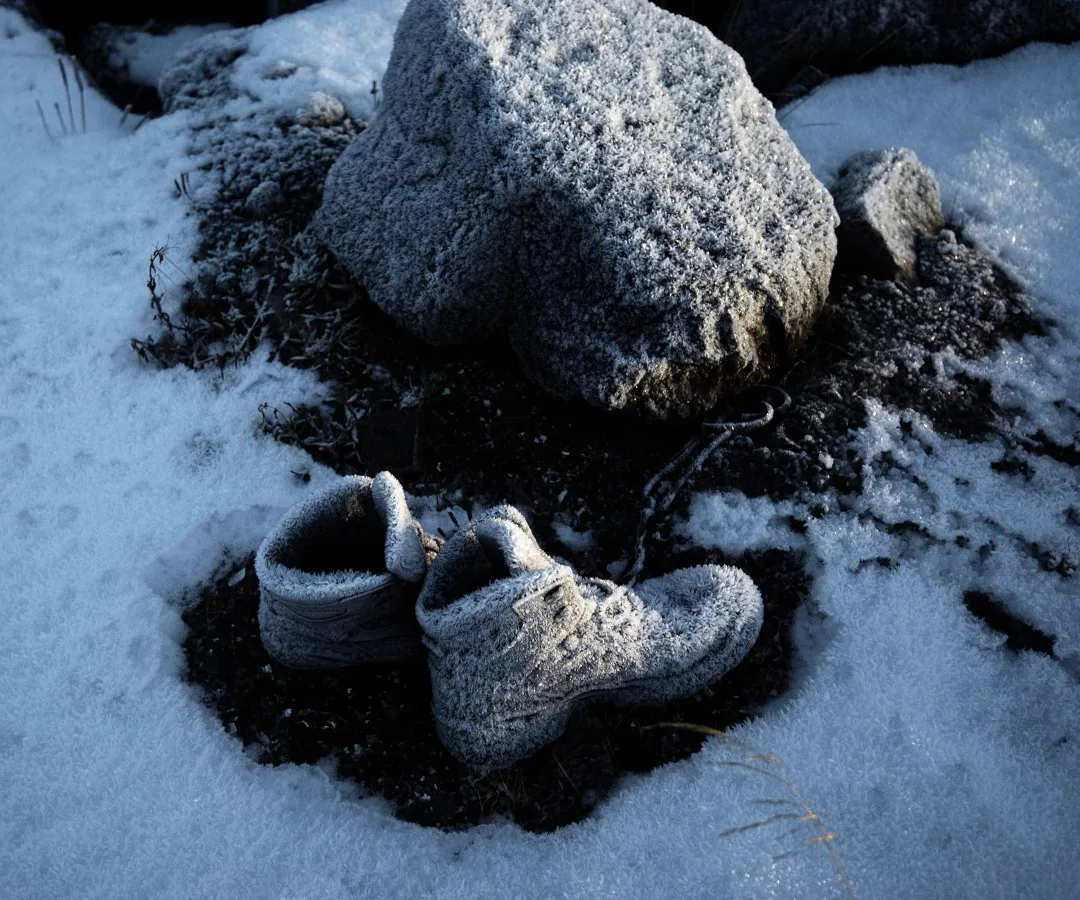
When hiking boots matter most
Hiking boots make the most sense when the trail, weather, or load asks more of your footwear than an everyday sneaker can handle. They are usually worth considering for rocky paths, uneven ground, muddy conditions, colder seasons, or any hike where you want more structure underfoot.
That does not mean boots are always the right answer. For short, well-groomed trails, many hikers prefer lighter shoes or trail runners because they move more easily and often feel less restrictive. The right choice depends on how much protection you need, how long you’ll be on your feet, and how much weight you’re carrying.
For a commercial search like hiking boots, the real question is not “Which boot is best?” but “Which boot fits my hiking style?” A boot that feels supportive on a mountain trail can feel like overkill on a flat park path.
Start with the terrain, not the label
The most common mistake is shopping by boot category alone. Two boots labeled “hiking” can behave very differently once you put them on the trail.
Match the boot to the ground you walk on
- Well-maintained trails: Lightweight hiking shoes or low-cut boots may be enough if you want flexibility and less bulk.
- Rocky or root-filled trails: Look for a more protective sole, stable underfoot feel, and enough structure to reduce foot fatigue.
- Muddy or wet trails: Outsole grip and upper weather resistance matter more than a stiff, heavy build.
- Long backpacking trips: Stability, underfoot cushioning, and load support become more important than saving every ounce.
- Cold or shoulder-season hiking: A boot with more coverage can help, especially when paired with the right socks.
A common misconception is that more boot automatically means more support. In reality, support comes from a combination of fit, sole structure, upper design, and how the boot works with your foot shape. A poor fit can make even a stiff boot feel unstable.
Fit is the first filter
If the fit is wrong, the rest of the boot matters less. Hiking footwear should feel secure without pinching, sliding, or creating hot spots. Small fit issues become much more noticeable after miles of walking, especially on descents.
What a good fit should feel like
- Your heel should feel anchored, with minimal lift.
- Your toes should have room to move slightly and not hit the front on downhill steps.
- The midfoot should feel secure without pressure across the top of the foot.
- The boot should not force your foot into an unnatural shape.
Width matters as much as length. Many hikers focus only on size number and ignore toe box shape, heel volume, and arch placement. If your foot spills over the insole or feels cramped on one side, that boot is unlikely to improve with break-in.
Fit checks that help before you buy
- Try boots later in the day when feet are slightly swollen, closer to how they feel on a hike.
- Wear the socks you actually plan to hike in.
- Test both feet, since many people have one foot that is slightly larger.
- Walk on an incline if possible, or mimic downhill pressure in the store.
- Pay attention to heel lift, toe room, and pressure points immediately.
One overlooked detail is insole shape. A boot can seem fine at first, but if the insole arch or heel cup does not suit your foot, comfort can break down quickly. If you rely on orthotics or custom insoles, check compatibility before purchase.
Choose the right balance of weight and support
Hiking boots usually sit somewhere between a flexible shoe and a rigid backpacking boot. That middle ground is useful, but it also means you have to decide what you value more: agility or structure.
Heavier boots
Heavier boots generally feel more protective and can be reassuring on rough terrain. They may suit hikers who prioritize durability, stability, and load-carrying support. The trade-off is fatigue. More material on your feet can feel tiring over longer miles.
Lighter boots
Lighter boots reduce bulk and often feel easier to walk in from the start. They can be a smart choice for day hikers, warm-weather trips, and people who want less stiffness. The trade-off is less protection and, sometimes, less long-term durability depending on materials and build.
A practical way to decide is to ask how much of your hike is spent on predictable ground versus unpredictable terrain. If you are mostly on maintained trails, lighter is often better. If you are often on loose scree, muddy slopes, or carrying a loaded pack, a sturdier boot may earn its keep.
Materials affect comfort, weather resistance, and care
Materials shape how boots feel, how they handle weather, and how much upkeep they need. The best option depends on whether you value breathability, water resistance, or long-term ruggedness. boot materials and how they affect performance offers more detail on this point.
Common material trade-offs
- Leather: Often associated with durability and structure. It can be a good fit for tougher use, but it may require more care and can feel heavier.
- Synthetic uppers: Usually lighter and quicker to dry. They often appeal to hikers who want a less bulky feel and lower maintenance.
- Mesh panels: Improve airflow but reduce weather protection.
- Rubber rand or toe cap: Helpful for abrasion resistance on rocky trails.
There is no universal “best” material. Leather may suit someone who wants a sturdier boot for regular use, while synthetics may better fit hikers who want breathability and less weight. The right choice depends on climate, mileage, and how much maintenance you are willing to do.
Waterproofing is useful, but not always ideal
Waterproof hiking boots are appealing because they promise dry feet. That can be valuable in slush, wet grass, puddles, or damp shoulder-season conditions. But waterproofing has a trade-off: reduced breathability in many designs, which can make feet hotter and sweatier in warm weather.
When waterproof boots make sense
- You hike in rain, snowmelt, or wet brush regularly.
- You often cross shallow puddles or soggy ground.
- You want extra protection during colder months.
When breathable boots may be better
- You hike mostly in warm or humid conditions.
- You prefer faster drying after rain or stream splashes.
- You care more about ventilation than full water resistance.
A useful nuance: waterproof boots can keep outside moisture out for a while, but they are not a magic solution for every wet scenario. If water goes over the cuff, enters from the top, or your socks trap sweat, your feet can still end up wet. For some hikers, breathable boots paired with quick-drying socks are the more comfortable system.
Traction and sole design deserve close attention
Outsole grip is one of the most important performance factors, yet it is easy to overlook because many boots look similar at a glance.
Look for tread that matches your terrain. Deep, widely spaced lugs can be helpful in mud and loose dirt, while a flatter pattern may feel better on harder, more even surfaces. The outsole compound and the overall sole shape also influence how confident the boot feels on wet rock or uneven ground.
Just as important is torsional stiffness, which describes how much the boot twists. A more stable sole can help on rough ground, but too much stiffness may feel awkward on easier trails or during long walks. The sweet spot depends on how technical your usual hiking is.
Think about ankle support realistically
High-cut boots are often sold as the answer to ankle support, but the relationship is more complicated. A taller collar can help with security and may reduce the feeling of wobble, yet it does not prevent every twist or roll.
What actually matters is how the boot fits around the heel and midfoot, how stable the sole is, and how balanced you are on the trail. If you want more confidence on uneven ground, a well-fitting mid-cut or high-cut boot may help. If you want natural movement and less restriction, a lower-cut model might be a better match.
The practical question is whether you need more coverage and structure, or whether you are better served by a lighter, more flexible option. Boots should work with your gait, not fight it.
Use-case examples to narrow the field
For casual day hikes
Choose a boot that feels comfortable immediately, with moderate traction and enough protection for typical trail hazards. Heavy-duty support is usually unnecessary unless your trails are especially rough.
For backpacking
Look for stability, secure heel hold, and a platform that feels comfortable under a load. If you carry a pack for long distances, underfoot support becomes more important than a minimal feel.
For wet-weather hiking
Prioritize grip, weather handling, and drying strategy. Waterproof boots can help, but you still need socks and fit that work together.
For warm climates
Breathability and lighter weight often matter more than heavy protection. A boot that traps heat can become uncomfortable fast.
For rocky trails
Focus on outsole grip, toe protection, and a stable midsole. A softer, casual boot can feel fine in the store but tiring on broken terrain.
A simple buying checklist
Before you commit to a pair, use a quick mental check. If several of these answers are “no,” keep looking.
- Does the boot match the terrain you hike most often?
- Does it feel secure at the heel without rubbing?
- Is there enough toe room for descents?
- Does the width suit your foot shape?
- Is the weight reasonable for the distance you plan to cover?
- Do the materials suit your climate and maintenance preferences?
- Does the outsole look appropriate for the surfaces you actually walk on?
- Will the boot work with your socks or insoles?
One common mistake is choosing a boot because it feels impressive in the store. A stiff, substantial boot can create a sense of protection, but that feeling does not always translate into better hiking comfort. Another mistake is buying for a rare trip instead of your normal use. If most of your hikes are mild, a more moderate boot may deliver better value.
When hiking boots are not the best choice
Hiking boots are not automatically the best footwear for every outdoor user. If your hikes are mostly short, your packs are light, and the trails are well maintained, hiking shoes or trail runners may be more comfortable and efficient.
Alternatives are worth considering when you want:
- less weight on your feet
- more flexibility
- faster drying after wet conditions
- less break-in time
- a more natural walking feel
That does not make boots obsolete. It just means the best choice should reflect your terrain, climate, and comfort preferences rather than the assumption that higher footwear is always better.
FAQ
Do hiking boots need to be waterproof?
Not necessarily. Waterproof boots are helpful in wet, cold, or muddy conditions, but breathable boots can be more comfortable in warm weather and may dry faster after exposure to moisture.
Should I size up in hiking boots?
Some hikers do prefer a little extra room, especially for downhill comfort and thicker socks, but sizing should be based on fit rather than habit. The right answer depends on toe room, heel hold, and width.
Are hiking boots better than trail shoes?
Neither is always better. Hiking boots usually provide more structure and protection, while trail shoes are often lighter and more flexible. The better choice depends on terrain, load, and comfort preferences.
How much ankle support do I really need?
Enough to feel secure on the terrain you hike most often. A taller collar can help with confidence, but fit and sole stability matter just as much as height.
What is the biggest mistake people make when buying hiking boots?
Choosing a boot for its appearance or reputation instead of testing fit, width, terrain match, and comfort under realistic conditions.
Final checklist before you buy
Good hiking boots are the ones that match your trails, your pace, your pack weight, and your feet. If you focus on fit first, then evaluate traction, materials, weather resistance, and support, you are far more likely to choose a pair you will actually enjoy wearing.
If you want the shortest decision path, start with these three questions: Where do you hike most? How much weight do you carry? How do your feet feel after a long walk? The answers usually point you toward the right kind of boot faster than any product label can.