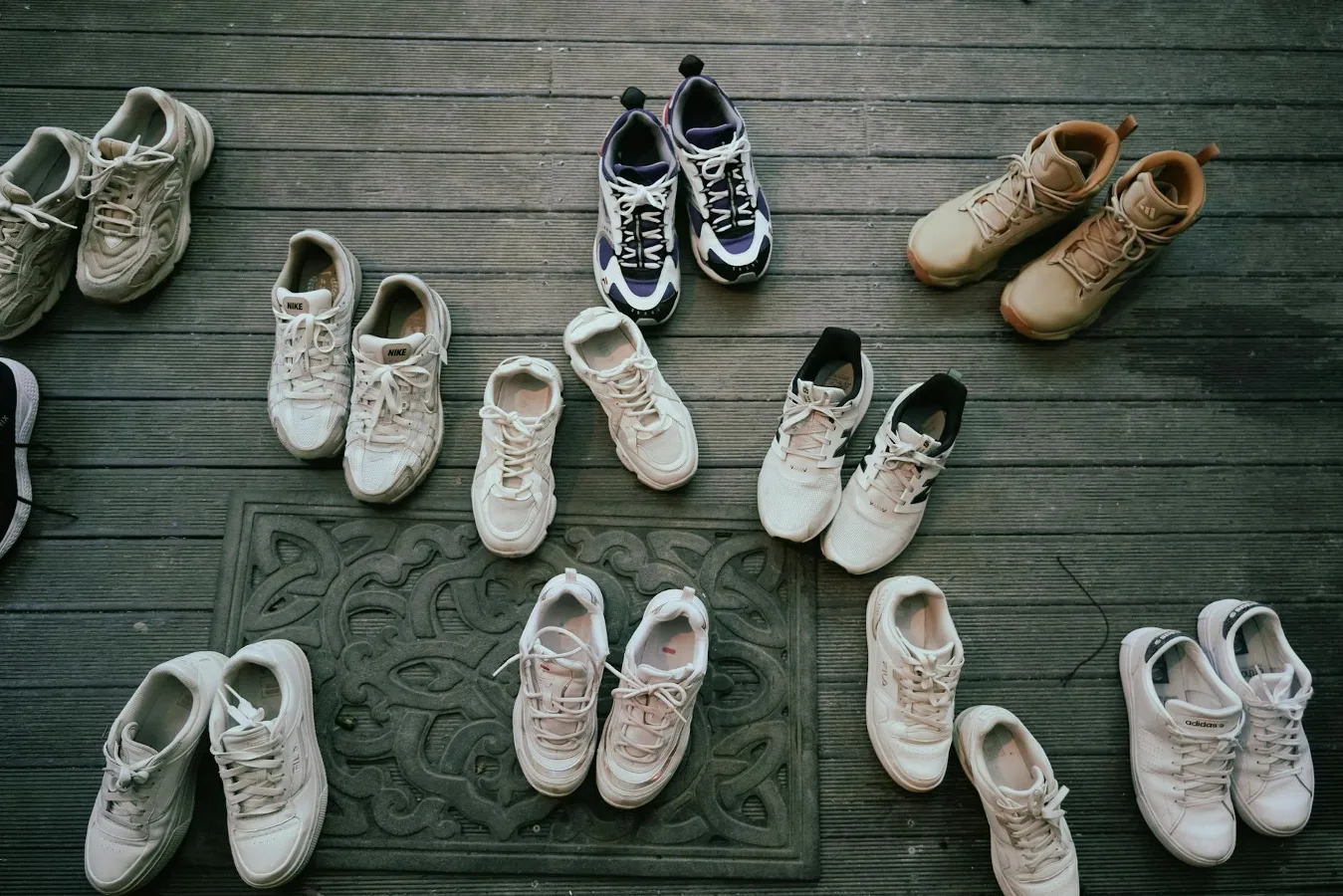
If you’re shopping for Hoka sneakers, the short answer is this: choose them if you want cushioning, a smooth ride, and a fit that matches your foot shape and main use case. Hoka has become a go-to name for runners, walkers, travelers, and anyone who spends a lot of time on their feet, but the right pair depends on whether you need plush comfort, more stability, better traction, or a lighter everyday sneaker. sneakers offers more detail on this point.
The biggest mistake shoppers make is treating Hoka as one single shoe type. The brand covers a wide range of designs, from soft daily trainers to more structured options and trail-ready models. If you know what you need before you buy, it becomes much easier to narrow the field.
Who Hoka sneakers make the most sense for
Hoka sneakers are a strong fit for people who prioritize cushioning and a rolling, easy step-through feel. That makes them especially appealing for long walks, standing shifts, recovery days, travel, and road running. The brand’s signature design tends to feel different from lower-profile sneakers: the sole is often thicker, the ride can feel softer, and the shoe may guide your stride a bit more than a flatter trainer. Shoes guide offers more detail on this point.
That same design can be a benefit or a drawback depending on what you like. Some people love the reduced impact feel and the relaxed transition. Others prefer more ground contact and a firmer, more traditional ride. If you usually dislike bulky shoes, you may want to pay close attention to weight, stack height, and how the upper wraps your foot.
Good reasons to consider Hoka
- You want a cushioned shoe for everyday wear or walking.
- You spend long hours on hard surfaces and want more underfoot comfort.
- You prefer a smooth heel-to-toe transition.
- You want options for road running, trail running, or casual wear within one brand.
- You need room to compare neutral and supportive models without switching brands.
When another type of sneaker may be a better fit
- You want a low-profile shoe with a firmer ground feel.
- You often need a very minimalist or flexible upper.
- You are sensitive to thick midsoles or higher stack height.
- You need a very specific orthopedic setup and prefer to work from a prescribed shoe shape.
What to look at before you buy
Choosing Hoka sneakers is less about the logo and more about how the shoe’s construction matches your foot and your routine. The most useful comparison points are cushioning, support, fit, intended surface, and how stable the shoe feels when you walk or run.
Cushioning level
Hoka is widely associated with soft cushioning, but not every model feels the same. Some shoes are built for maximum comfort on long days, while others strike a more balanced feel for daily training. If you want a relaxed, forgiving ride, look for a model that emphasizes plush underfoot comfort. If you want more responsiveness, a less pillowy option may feel better for faster movement or more frequent workouts.
A common misconception is that more cushioning automatically means more comfort. For some people, extra softness can feel unstable or tiring over time, especially if they want a shoe that helps them feel grounded. Comfort is not just softness; it’s also how the shoe supports your stride and foot shape over repeated wear.
Support and stability
If your feet tend to roll inward, you’ve had issues with ankle fatigue, or you simply feel better in a more guided shoe, stability matters. Some Hoka sneakers are designed for neutral wearers, while others offer more structure. The right choice depends on whether you want a free-moving feel or a little more help controlling motion.
Support is often misunderstood. A supportive shoe does not need to feel stiff or heavy, and a neutral shoe is not automatically unsupportive. The real question is whether the shoe’s shape, base width, and upper hold your foot in a way that feels secure during your actual use.
Fit, width, and toe box shape
Fit is one of the most important decision factors for Hoka sneakers. People often shop by model first and size second, but the shape of the toe box, the room at the forefoot, and the heel hold can matter more than the name on the box.
If your feet are wide, high-volume, or prone to swelling later in the day, a roomy toe box can make a major difference. If your heel slips easily, look for a design with a secure rearfoot fit and a lacing setup that lets you dial in lockdown. A shoe that feels great sitting down may still feel wrong after a few miles or a full work shift.
Intended surface
Hoka makes shoes for road use, trail use, and mixed environments. Road-focused shoes are usually the best choice for sidewalks, treadmills, gyms, and daily wear. Trail models usually bring better traction and protection for uneven ground, but they may feel less smooth on pavement.
If your routine mixes errands, walking, and occasional light trails, think carefully about where the shoe will spend most of its time. Many buyers overestimate how much off-road use they really need. A trail shoe can be more protective, but it may also feel more structured than necessary if most of your steps happen on asphalt or indoor floors.
Weight and overall feel
Because Hoka sneakers often use substantial midsoles, some models can feel lighter than they look, while others feel more substantial. This matters if you care about quick transitions, packing for travel, or wearing the shoes for long periods. The lighter the shoe, the less you may notice it during casual movement, but the more you may give up in protection or a planted feel.
Buyer scenarios: which Hoka sneaker type fits the job
Instead of asking which Hoka sneaker is “best,” it’s more useful to ask which one is best for your daily pattern. The same shoe can feel perfect for one person and awkward for another.
For walking and standing all day
If your main need is comfort for walking or standing, prioritize cushioning, heel stability, and a secure fit that doesn’t pinch the forefoot. A smooth transition can reduce the feeling of foot fatigue over long stretches. You’ll usually want a road-oriented model unless you regularly walk on uneven outdoor terrain.
One overlooked consideration is floor type. A sneaker that feels great on carpet or short errands may feel different on concrete, tile, or airport terminals. If you’ll be on hard surfaces most of the day, balance softness with a stable base so the shoe doesn’t feel overly marshmallow-like.
For running
Runners should think beyond comfort and ask how the shoe behaves at pace. Daily trainers are usually the most versatile option if you want one pair for easy runs, recovery days, and general mileage. If you prefer faster turnover or a more energetic ride, look for a less bulky feel and a shape that suits your stride.
Also consider whether you need one running shoe or a rotation. Many runners are better served by a cushioned daily trainer plus a second pair for faster sessions, trail runs, or long efforts. That approach can extend shoe life and keep your feet from adapting to only one feel.
For travel and errands
Travel shoes need to do a lot: stay comfortable through long days, pack reasonably well, and work with different outfits. Hoka sneakers can fit this role well if you choose a model that isn’t overly technical in appearance and that feels secure enough for walking all day. A neutral colorway often wears better across casual and slightly dressier settings.
The trade-off is that some of the most cushioned models may feel a little bulky for packing or styling. If travel is your main use, think about whether you care more about maximum comfort or a more compact silhouette.
For trail use
If you’re buying Hoka sneakers for dirt paths, gravel, or uneven terrain, traction and protection matter as much as comfort. Trail models often use outsoles and uppers designed to handle varied surfaces better than road shoes. That said, not every trail shoe is ideal for all-day city wear.
A practical nuance here is versatility. Some trail shoes can work well on pavement for short periods, but a very aggressive lug pattern may feel awkward on smooth surfaces. Choose based on the environment you’ll encounter most often, not the one you use occasionally.
Material and construction factors worth checking
Hoka sneakers may look similar at a glance, but small construction details change the experience significantly. These are the features most worth comparing before you buy.
Midsole feel
The midsole is the heart of the ride. It influences softness, rebound, and stability. In practice, the midsole determines whether a shoe feels cloud-like, balanced, or structured. If you’re shopping online, read the model description carefully and look for language that suggests maximum cushioning, balanced cushioning, or a more guided setup.
Do not assume all thick midsoles behave the same way. Some feel soft but controlled, while others feel more energetic or firm. The best choice depends on whether you want everyday comfort, running efficiency, or long-wear support.
Upper material and breathability
The upper affects comfort more than many shoppers expect. Softer, more flexible uppers can reduce hot spots, while more engineered materials may improve lockdown and durability. Breathability matters if you’ll wear the shoes in warm weather, for workouts, or for long periods indoors.
If your feet tend to swell, look for an upper that can adapt without squeezing the top of the foot. If your foot is narrow or shallow, a more structured upper may help prevent slipping.
Outsole durability and traction
Outsole design should match the environment. Road shoes usually emphasize smooth contact and consistent wear. Trail shoes prioritize grip and protection. If you walk mostly on pavement but want some extra durability, look at outsole coverage and how much rubber is used in high-wear areas.
Durability is a long-term value issue, not just a performance issue. A shoe that feels excellent for the first week but wears down quickly may be a poor fit if you wear it frequently.
Drop and ride feel
Some shoppers pay close attention to drop, or the difference in height between heel and forefoot. You don’t need to memorize numbers to make a smart choice, but you should notice whether a shoe feels like it encourages forward roll or feels flatter and more level. This affects walking comfort, running mechanics, and transition feel.
If you are moving from a different brand or shoe style, expect an adjustment period. A rocker-like geometry can feel very natural to some people and unusual to others. Give yourself time to evaluate the shoe on real walks, not just a quick try-on.
Common mistakes people make with Hoka sneakers
- Choosing only by cushioning: softness alone does not guarantee the right fit or support.
- Ignoring width: forefoot comfort and heel security matter just as much as length.
- Buying a trail shoe for mostly road use: the grip and structure may feel unnecessary.
- Assuming every model feels the same: Hoka’s lineup varies a lot from shoe to shoe.
- Overlooking the upper: fit issues often come from the top of the shoe, not the sole.
- Skipping real-use testing: a short indoor try-on can miss pressure points that appear after longer wear.
How to narrow your options quickly
If you want a simple way to shop, start with your primary use, then narrow by fit and support.
- Choose the main purpose: walking, running, travel, trail, or all-day wear.
- Decide how much cushioning you want: maximum plushness, balanced comfort, or a more responsive feel.
- Check whether you need stability: neutral or more structured.
- Match the surface: road, mixed, or trail.
- Review width and toe box needs: standard, wide, or roomier forefoot.
- Consider style and weight: especially if you’ll wear the shoe casually.
If you are between two Hoka sneakers, the better choice is usually the one that matches your most common day, not your most occasional one. A shoe that works well 80% of the time is more useful than one that is perfect for a rare scenario.
Alternatives worth considering if Hoka does not suit you
Not everyone loves the same ride. If Hoka sneakers feel too tall, too soft, or too guided, look at other categories instead of forcing a fit.
- Traditional cushioned trainers: good if you want comfort with a more conventional feel.
- Stability running shoes: better if you need more motion control than a neutral Hoka model offers.
- Lightweight daily sneakers: useful if you care more about flexibility and a lower profile.
- Trail-specific footwear from other brands: helpful if your terrain is technical and you want more aggressive traction options.
Trying an alternative is not a sign that Hoka is overrated. It simply means the shape, foam feel, or support profile may not line up with your feet or your routine.
Next steps before you add to cart
Before you buy Hoka sneakers, pause and compare the model against your actual needs. Read the product details closely, check whether the shoe is neutral or stable, confirm the intended surface, and pay attention to width options. If possible, compare the return policy so you can evaluate fit in the real world.
The best Hoka sneaker is the one that feels right after a full day of use, not just in the first minute. Focus on the use case, fit, and ride characteristics first. Style and color can come after that.
If you’re still undecided, start with the model that best matches your most frequent activity and the kind of comfort you want most: plush, balanced, or structured. That approach keeps the decision practical and reduces the chance of choosing a shoe that looks right but works wrong.