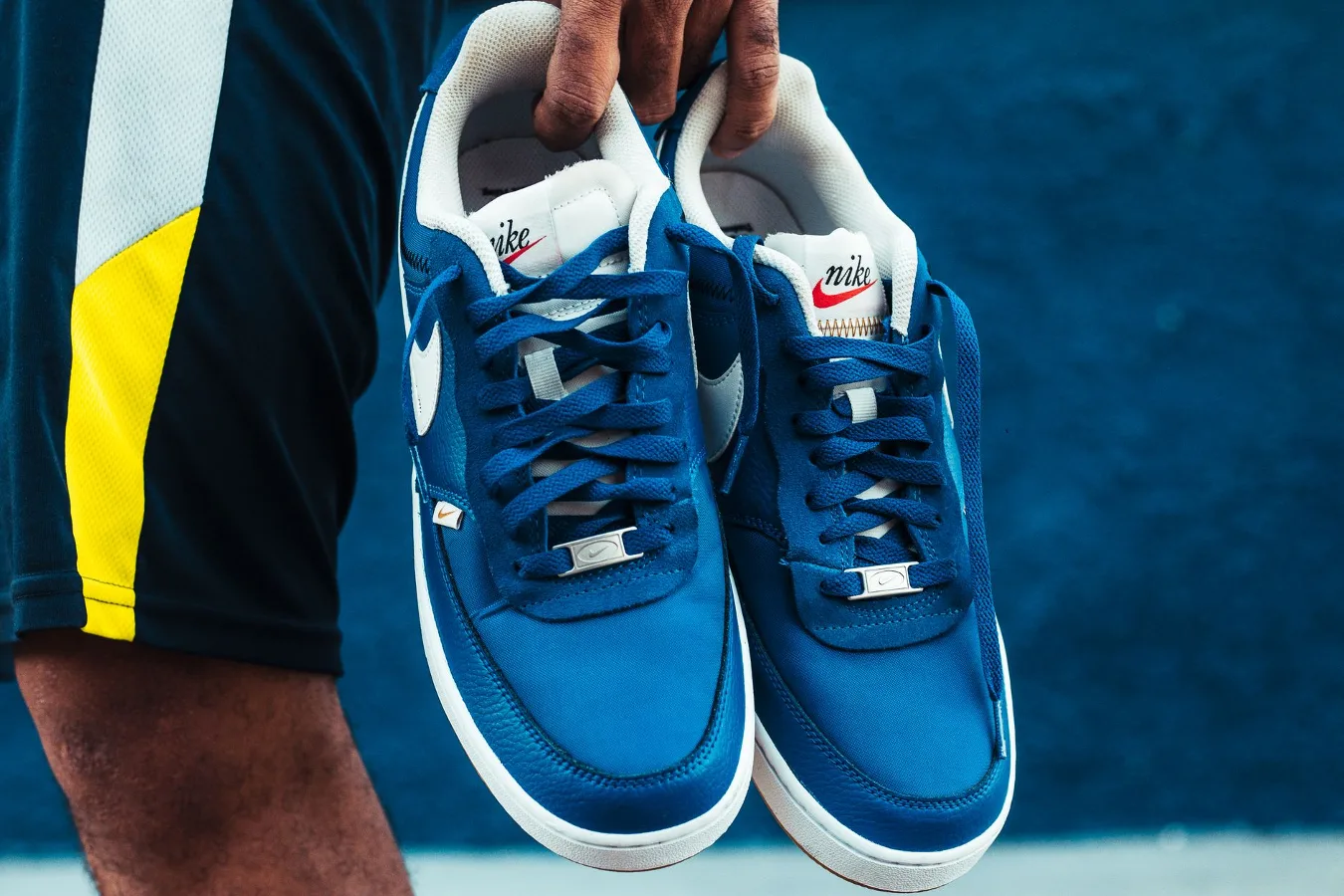
Which Nike sneakers make sense for you?
Nike sneakers are not one product category so much as a broad family of shoes built for different jobs. Some are designed for running, some for basketball or training, and others are built as casual everyday sneakers. The right pair depends less on the brand name and more on how you plan to wear them. best sneakers for all-day wear offers more detail on this point. new balance sneakers offers more detail on this point.
If you want a simple starting point, choose Nike sneakers by use case first, then narrow by fit, cushioning, support, and style. A pair that looks great for streetwear may feel too firm for long days on your feet, while a running model may feel overbuilt for casual wear. That trade-off matters.
Step-by-step criteria for choosing Nike sneakers
1. Start with the main use
Before comparing colors or popular models, decide where the sneakers will do most of their work. This is the most practical way to avoid regret later.
- Everyday wear: Look for a balanced, comfortable sneaker that feels easy to wear for errands, commuting, and casual outfits.
- Walking: Prioritize cushioning, a stable base, and a smooth heel-to-toe transition.
- Running: Focus on models designed for running rather than retro lifestyle silhouettes.
- Training: Choose a shoe with a more stable platform for side-to-side movement.
- Basketball: Support, traction, and ankle feel become more important than lightweight flexibility.
A common mistake is buying a stylish lifestyle sneaker and expecting it to perform like a sport-specific shoe. That can work for light casual use, but it is usually a compromise.
2. Check fit before features
Fit should come before cushioning, colorway, or hype. Even a well-made sneaker feels wrong if the toe box is too narrow, the heel slips, or the arch placement does not match your foot.
When evaluating fit, look at these points:
- Toe room: Your toes should not feel jammed against the front.
- Heel hold: The heel should feel secure without rubbing.
- Midfoot comfort: The shoe should feel snug, but not pinching.
- Width: If you often find sneakers narrow, pay close attention to width and upper shape.
One overlooked issue is that sneaker comfort can change over the course of a day. A pair that feels fine for ten minutes in a store may feel tight after a full afternoon of walking. If you are between sizes or have wider feet, that margin matters.
3. Match cushioning to how you move
Nike uses different cushioning approaches across its sneaker lines, and the feel can vary a lot. Some pairs feel soft and plush, others feel more responsive and firm. Neither is universally better.
Choose softer cushioning if you want a more forgiving feel for casual wear, walking, or standing. Choose a more responsive feel if you prefer ground contact, a lighter ride, or a sportier step. If you are sensitive to overly soft shoes, too much cushion can actually feel unstable or slow.
For shoppers comparing Nike sneakers online, the key question is not simply “Is it cushioned?” but “Is the cushioning right for my use?”
4. Consider support and stability honestly
Support means different things in different categories. In a running shoe, it may relate to stability under repetitive forward motion. In a training shoe, it may refer to how controlled the shoe feels during lateral movement. In an everyday sneaker, it often means the shoe feels planted and predictable.
If you have a history of discomfort in soft or flexible shoes, look for a more structured build. If you want a sneaker that bends easily and feels low-profile, a highly structured option may feel restrictive. The best choice depends on your routine and comfort preferences, not just general recommendations.
5. Look at materials and breathability
Upper materials affect comfort, heat management, durability, and appearance. Mesh and engineered knits often feel lighter and more breathable, while leather or synthetic overlays can provide a sturdier feel and a more polished look.
- Mesh or knit uppers: Usually better for airflow and lighter wear.
- Leather or synthetic leather: Often easier to wipe clean and may suit a more structured look.
- Mixed materials: Can balance support, style, and durability, but may add weight.
If you live in a warmer climate or plan to wear the shoes all day, breathability becomes more than a comfort detail. It can affect how often you want to wear the pair.
6. Think about traction and outsole wear
The outsole matters more than many shoppers realize. It influences grip, durability, and the way the shoe feels on different surfaces. A sneaker that looks similar to another model may behave very differently underfoot.
If you will wear the shoes mostly indoors or on smooth city sidewalks, you may not need aggressive traction. If you plan to use them for training, basketball, or wet conditions, tread pattern and outsole coverage matter more.
Another practical nuance: softer, more comfortable outsoles can sometimes wear down faster than firmer ones. If long-term value matters, it is worth balancing comfort with expected wear.
Examples of common Nike sneaker use cases
For casual everyday wear
Casual Nike sneakers should be easy to style, comfortable for moderate walking, and simple to live with. They are often the best choice if you want one shoe that works with jeans, joggers, and relaxed weekend outfits.
What to prioritize: comfort, visual versatility, moderate cushioning, and a shape that does not feel overly specialized.
For walking and commuting
If you are on your feet most of the day, comfort becomes a systems question. Cushioning, heel stability, upper pressure, and outsole feel all affect how the shoe performs after several hours.
What to prioritize: steady support, enough cushioning to reduce harsh impact, and a fit that stays comfortable when your feet swell slightly over the day.
For running
Running sneakers should be selected as running shoes, not as general lifestyle shoes with sporty styling. Even if a casual pair looks athletic, it may not provide the feel, geometry, or comfort level that runners need. running shoes vs lifestyle sneakers offers more detail on this point.
What to prioritize: running-specific design, weight, ride feel, and the kind of cushioning that matches your training style.
For training or gym work
Training shoes are usually a better match for workouts that include lifting, lateral movement, and quick changes in direction. A very soft shoe can feel less stable in the gym, especially during strength work.
What to prioritize: a stable base, secure fit, and enough flexibility for general movement without feeling mushy.
For basketball
Basketball sneakers need to handle stop-start motion, lateral cuts, and repeated impact. Here, traction, support, and containment matter more than casual wear comfort alone.
What to prioritize: court grip, lockdown, and support that matches how you play.
Trade-offs to keep in mind before buying
Every Nike sneaker choice involves a compromise. A softer shoe may feel better immediately but less stable. A more structured shoe may support movement better but feel less relaxed for casual wear. A stylish retro pair may look excellent but provide less modern comfort than a performance-oriented model.
That is why the best Nike sneakers are not the most popular ones in general; they are the ones that fit your use case.
- More cushioning can improve comfort but may reduce ground feel.
- Lighter shoes can feel faster but may sacrifice durability or support.
- More structured shoes can feel secure but less flexible.
- Fashion-first models may be versatile visually but less ideal for long wear.
What shoppers often get wrong
One common misconception is that all Nike sneakers run the same. They do not. Fit and feel vary by model, category, and intended use. Another mistake is focusing only on cushioning. A shoe can feel soft in hand and still fail to suit your foot shape or activity.
Shoppers also underestimate how much their own routine matters. If you work in a setting that requires a lot of standing, that should influence your choice more than a product page headline. The same is true if you walk on hard sidewalks, commute in wet weather, or prefer a shoe that is easy to clean.
Quick checklist before you buy
- Choose the sneaker by activity first, not by appearance alone.
- Check whether you need everyday wear, walking comfort, running performance, or training stability.
- Pay close attention to width, toe room, and heel hold.
- Decide whether you prefer soft cushioning or a firmer, more responsive feel.
- Think about breathability if you wear sneakers for long periods.
- Consider outsole grip if traction matters in your environment.
- Balance style with how often you plan to wear the pair.
- Read product details carefully so you do not confuse lifestyle models with performance models.
Nike sneakers versus practical alternatives
If Nike is your starting point, it still helps to keep alternatives in mind. Some shoppers prefer other major brands because a different last shape, foam feel, or width profile works better for their feet. Others look at multiple categories within Nike before settling on a pair.
Within the brand, a lifestyle sneaker, a running shoe, and a training shoe can all be valid options. The right answer is the one that matches your routine with the fewest compromises. If you want a versatile everyday pair, prioritize comfort and wearability. If you want a shoe for a specific sport, narrow your search to that category first.
FAQs about Nike sneakers
Do Nike sneakers usually fit true to size?
Fit can vary by model, so it is better to check the specific shoe rather than assume every pair fits the same. If you are between sizes or have wider feet, fit details matter even more.
Are Nike lifestyle sneakers good for walking?
Some are comfortable for casual walking, but not every lifestyle sneaker is built for long hours on foot. For frequent walking, compare cushioning, support, and outsole feel carefully.
What is the difference between Nike running shoes and casual sneakers?
Running shoes are designed around forward motion, impact management, and performance. Casual sneakers are usually optimized more for style and everyday wear, though some can still feel comfortable.
Which Nike sneakers are best for all-day wear?
The best choice depends on your foot shape and routine. Look for a sneaker with balanced cushioning, secure fit, and breathable materials rather than chasing a single popular model.
How do I choose between soft and firm cushioning?
Soft cushioning can feel more forgiving, while firmer cushioning often feels more stable and responsive. Your ideal choice depends on whether you value plush comfort or a more grounded feel.
Final buying advice
If you are shopping for Nike sneakers, the smartest path is to narrow your choices by use case, then check fit and comfort before anything else. Style matters, but it should support the shoe’s purpose rather than replace it.
The best pair is the one that matches your daily routine, feels good after more than a few minutes, and does not ask you to trade away too much comfort, support, or durability for appearance alone.