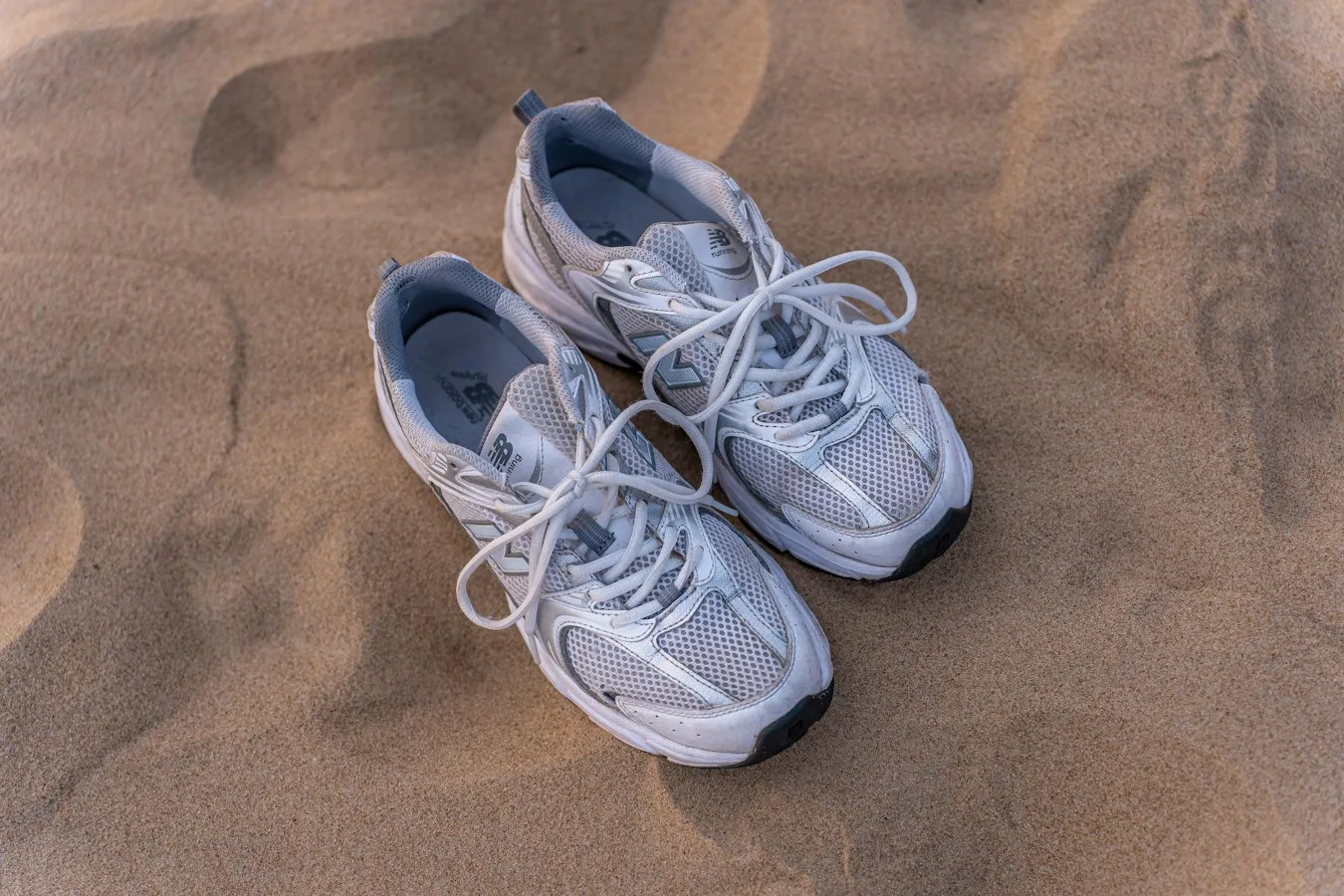
New Balance sneakers are a strong option if you want shoes that balance comfort, support, and everyday versatility. The best pair depends less on the logo and more on how you plan to use them: walking, casual wear, light training, or a more performance-focused purpose.
If you are shopping for new balance sneakers, the smartest approach is to compare fit, cushioning, width options, and overall use case before you choose a model. That matters because New Balance makes everything from retro lifestyle sneakers to running-inspired shoes and support-focused pairs.
Quick answer: which New Balance sneakers should you buy?
The right New Balance sneaker depends on your main priority. If you want an everyday shoe, look for a lifestyle model with a comfortable midsole and a shape that matches your foot. If you walk a lot, prioritize cushioning and a stable platform. If you want a sportier feel, choose a running-inspired or training-oriented design. If fit has been a problem in the past, New Balance’s width options can be a major advantage.
That flexibility is the brand’s biggest strength, but it can also make shopping harder. Two pairs may look similar online and feel very different in person. One may lean soft and casual, while another is firmer, more structured, or better suited to movement.
How New Balance sneakers differ from one another
New Balance is not one single sneaker type. The range includes classic suede-and-mesh lifestyle models, modern comfort-focused sneakers, running shoes, and support shoes designed for a more guided feel. A pair that looks simple may still be built for a very different purpose than another pair with the same general silhouette. Silver Sneakers: A Practical Buying Guide offers more detail on this point.
That is why the most useful comparison is not “Which New Balance shoe is best?” but “Which New Balance shoe is best for this use case?”
For everyday wear
Daily wear calls for a sneaker that feels easy from the first step and works with most casual outfits. Lifestyle models usually make sense here, especially if you want a classic silhouette and don’t need aggressive sport-specific features. Look for a balanced midsole, a secure heel, and enough forefoot room to avoid pressure during long days. lifestyle sneakers for casual outfits offers more detail on this point.
For walking
Walking shoes should feel stable, forgiving, and comfortable over repeated miles of pavement or indoor floors. Cushioning helps, but too much softness can feel unstable for some people. A good walking sneaker often feels smooth underfoot, with enough structure to stay comfortable when your pace changes throughout the day.
For running or light training
If you want a shoe for actual training, pay closer attention to the outsole, upper support, and the overall ride. Some New Balance sneakers are built for athletic performance, while others simply borrow the look. A casual sneaker can be fine for light errands or standing, but it may not be the best choice for repeated workouts.
Comparison points that matter most
For most buyers, the deciding factors come down to five things: fit, width, cushioning, style, and intended use. Those sound obvious, but they interact in ways that are easy to miss.
| What to compare | Why it matters | What to look for |
|---|---|---|
| Fit | Comfort starts with the correct length and shape | Enough toe room, secure heel, no pinching at the sides |
| Width | New Balance is known for width options | Standard, wide, or extra-wide if you usually feel cramped |
| Cushioning | Changes how soft or stable the shoe feels | Enough comfort for your day, without feeling overly loose |
| Upper material | Affects breathability and structure | Mesh for airflow, suede or leather for a more classic look |
| Outsole grip | Influences traction and everyday reliability | Good contact underfoot and a tread pattern suited to your use |
One overlooked consideration is that a softer shoe is not automatically better. Some people love a plush ride; others feel less stable in it. If you spend long hours on hard floors, you may prefer a pair that feels supportive rather than extremely soft.
Width options are a real advantage
Many shoppers focus only on size and ignore width, which can lead to avoidable discomfort. New Balance’s width range is one of the brand’s most practical features, especially for people with broader feet, high insteps, or a tendency to feel squeezed in standard sneakers. how to avoid buying the wrong size offers more detail on this point.
If your current shoes show side bulging, pressure on the little toe, or a need to loosen the laces excessively, width may matter more than length. A properly sized shoe should feel secure without creating hot spots.
Style versus function is a real trade-off
Some New Balance sneakers are chosen mainly for their classic look, while others are built more for performance. A retro-style sneaker can be a great everyday choice, but it may not provide the same level of athletic support as a purpose-built running shoe. On the other hand, a performance shoe may be technically strong but less versatile with casual outfits.
That trade-off matters if you want one pair to do everything. The more you try to cover every use case with a single sneaker, the more likely you are to compromise somewhere.
Common mistakes to avoid
- Buying by appearance only. A pair can look similar to another model but feel very different underfoot.
- Ignoring width. Fit issues often come from width, not just length.
- Choosing too much cushioning for your needs. Plush comfort can sometimes reduce stability.
- Using a lifestyle sneaker for demanding workouts. Casual models are not always ideal for athletic training.
- Assuming every New Balance sneaker fits the same. Different lines can have noticeably different shapes and volume.
- Forgetting about your socks and insole preferences. Small changes can affect overall fit.
A common misconception is that one popular model will be right for everyone. In reality, the best New Balance sneaker is the one that matches your foot shape, daily routine, and tolerance for cushioning or structure.
How to narrow down the right pair
If you are choosing between several New Balance sneakers, start with use case, then move to fit, then style. That order usually leads to a better purchase than starting with color or a trending silhouette.
- Decide where you will wear them most. Walking, casual wear, travel, or workouts each suggest different design priorities.
- Check whether you need a standard, wide, or extra-wide fit.
- Think about the feel you prefer. Softer cushioning is not always the best option for stability.
- Look at upper materials. Mesh is usually more breathable, while suede and leather often feel more structured and classic.
- Consider wardrobe compatibility. Some models lean sporty, while others are easier to dress up or down.
If you are buying for long days on your feet, prioritize comfort and consistency over trend appeal. If you want a sneaker that works with jeans, joggers, and casual chinos, a more versatile lifestyle model may be the better choice.
Best alternatives if New Balance is not the perfect fit
New Balance is a strong choice, but it is not the only one worth considering. If you want a more minimal look, another brand may suit you better. If you need a very specific athletic setup, a dedicated running or training shoe from a sport-focused line may be more appropriate. If your main concern is fashion styling, you may prefer a different retro silhouette.
That said, New Balance stands out for shoppers who value width options, dependable everyday comfort, and a mix of classic and sporty designs. Few brands cover that range as consistently.
How to think about value
Value is not just about the purchase price. A sneaker has better long-term value if it fits well, works for your actual routine, and stays comfortable enough that you keep wearing it. A model that looks great but feels wrong will not be a good buy, no matter how popular it is.
For that reason, the most valuable New Balance sneaker is usually the one that aligns with your foot shape and daily habits. If you choose carefully, you are more likely to get a pair you reach for often rather than one that sits unused in the closet.
Who New Balance sneakers are best for
New Balance sneakers are especially appealing if you want practical comfort, width choices, and a style range that includes both understated and sporty looks. They are a good fit for people who walk a lot, want dependable everyday shoes, or have had trouble finding a comfortable standard-width sneaker elsewhere.
They may be less ideal if you want the lightest possible shoe, a highly specialized performance model, or a fashion-first sneaker with a very narrow aesthetic niche. The brand’s strength is versatility, not a single one-note identity.
If you are shopping specifically for new balance sneakers, the best approach is to compare the shoe’s purpose, fit profile, and upper construction before you decide. That keeps the focus on comfort and usefulness, which matters more than hype or trend cycles.