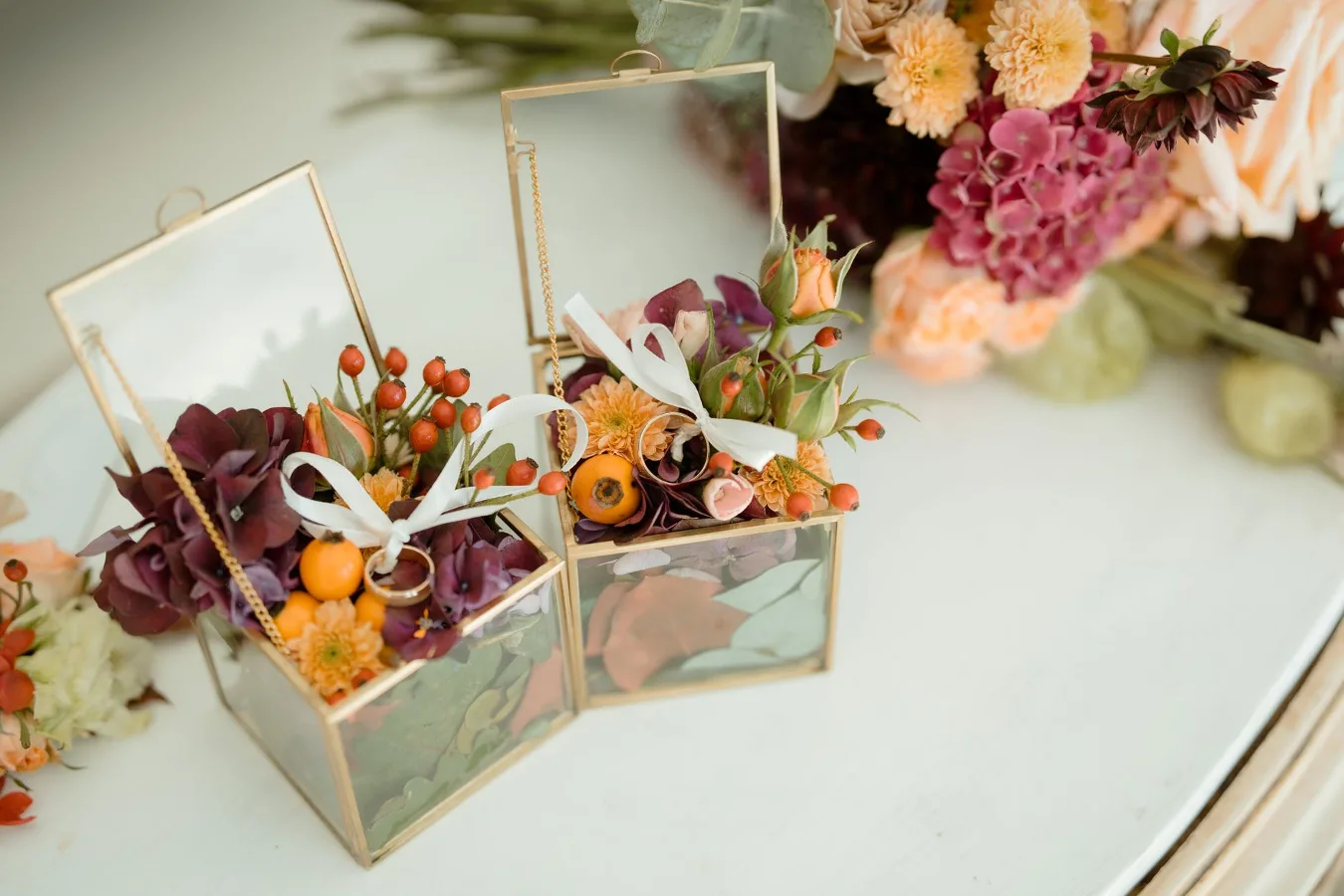
Nature-inspired engagement rings are engagement rings designed with organic details such as leaves, vines, petals, branches, blossoms, and flowing curves. They appeal to buyers who want something softer and more individual than a plain solitaire, while still keeping the ring appropriate for everyday wear and long-term use. engagement ring metal guide offers more detail on this point. floral engagement rings offers more detail on this point. Elongated Cushion Cut Engagement Rings Guide offers more detail on this point.
If you are comparing styles, the key question is not just which design looks beautiful. It is also how visible the details will be on the hand, how sturdy the setting is, whether the ring fits your lifestyle, and how easy it will be to clean and maintain over time.
What makes a ring feel nature-inspired
The category is broader than many shoppers expect. Some designs are clearly botanical, with sculpted leaves or flower petals around the center stone. Others are more subtle, using flowing bands, asymmetry, milgrain, or prong arrangements that echo twigs, stems, or blossoms without looking literal.
Common nature-inspired elements include:
- Leaf motifs carved into the band or gallery
- Vine-like bands with twisting or trailing lines
- Floral halos that frame the center stone like a bloom
- Branch or twig details for a more rustic look
- Petal-shaped prongs or side accents
- Organic asymmetry that feels hand-drawn rather than geometric
A common misconception is that this style always has to look ornate. In practice, many of the best nature-inspired rings are restrained. A subtle leaf engraving or a softly contoured band can give the ring character without making it feel costume-like or overly themed.
Start with the center stone shape
The center stone shape has a strong influence on how the nature theme reads. Some shapes naturally suit a botanical look better than others, although there is no strict rule.
Shapes that often suit organic designs
Oval, pear, and marquise cuts tend to echo leaves, buds, and petals. Their elongated forms can make a vine-style or floral setting feel cohesive. Round stones also work well, especially when surrounded by petal-inspired halos or leafy side details.
Emerald cuts and other step cuts can create a more structured look. If you want nature inspiration without too much softness, a cleaner stone shape paired with an engraved band can strike that balance.
Practical nuance
Some highly decorative settings compete with the center stone. If the ring already has a distinctive shape, the surrounding details should support it rather than crowd it. Buyers often regret designs where the side elements are more visible than the stone itself, especially on smaller ring sizes.
Metal choice changes the whole mood
The same design can feel very different in yellow gold, white gold, rose gold, or platinum. Metal color is not just a style choice; it affects how visible the details are and how the ring will wear over time.
- Yellow gold gives botanical designs a warm, classic, garden-like feel.
- Rose gold softens floral details and can make vintage-leaning designs feel romantic.
- White gold creates a cleaner, cooler look and can help stones stand out.
- Platinum is often chosen for its durability and naturally bright appearance, especially for daily wear.
If the ring includes tiny leaves, engraving, or milgrain, the metal finish matters. High polish makes edges pop. Satin or matte finishes can make the ring feel more natural and understated. Neither is inherently better; the right choice depends on whether you want the details to be crisp or subtle.
Balance beauty with daily wearability
Nature-inspired rings can range from simple to highly intricate. The more delicate the design, the more attention it usually needs in everyday use. That does not make the ring a poor choice, but it does mean the buyer should think beyond the showroom effect.
Consider these wearability questions:
- Does the ring sit low enough to avoid constant snagging?
- Are the decorative leaves or prongs likely to catch on fabric?
- Is the setting sturdy enough for frequent hand use?
- Will the band thickness support the decorative work over time?
- Can the design be resized later without damaging the pattern?
This is one of the most overlooked considerations. A ring that looks airy and graceful may also have fragile-looking points or open spaces that need more care. If the wearer works with their hands, lifts weights, gardens, or prefers minimal maintenance, a lower-profile interpretation may be the smarter option.
Stone security matters more than the theme
Nature-inspired designs often rely on prongs shaped like petals, branches, or leaves. These details are attractive, but the setting still has to protect the stone. A decorative prong is only useful if it holds the center stone securely.
Look for details that suggest practical construction rather than only ornamentation:
- prongs that appear substantial enough to grip the stone
- a gallery that supports the setting from beneath
- side details that do not weaken the band excessively
- a center stone height that makes sense for daily wear
Shoppers sometimes assume a delicate design means poor durability. That is not always true. A well-made ring can combine visual delicacy with solid construction. The real issue is whether the details are decorative only or structural as well.
Popular nature-inspired styles and how they differ
Not every organic-looking ring serves the same purpose. Some lean romantic, others rustic, and some feel more modern.
Floral rings
These are the most literal interpretation of the theme. They often use petal halos, blossom-like clusters, or flower-shaped accents. They suit buyers who want a romantic and feminine look. The trade-off is that floral details can become busy if paired with a large center stone or a very ornate band.
Vine and leaf rings
These usually feel more fluid and elegant. A vine-style band can frame the center stone in a way that feels organic without being overly themed. Leaf motifs can also give the ring movement, which works especially well for oval and pear shapes.
Branch and twig designs
These are often more rustic and textured. They can appeal to someone who wants an earthy, understated ring rather than a traditional bridal look. The downside is that texture can collect dirt more easily and may need more regular cleaning.
Art Nouveau and vintage botanical styles
Some nature-inspired rings borrow from Art Nouveau curves, antique engraving, and symmetrical floral motifs. These designs suit buyers who want old-world character and a more heirloom-like feel. They may also pair well with colored gemstones.
Think carefully about gemstone choices
Nature-inspired rings are not limited to diamonds. Many designs work beautifully with alternative center stones, especially when the goal is to create a specific mood rather than follow a conventional bridal formula.
Popular options include colored gemstones such as sapphire, emerald, morganite, aquamarine, and other stones that bring out botanical color palettes. Each one changes the tone of the ring. A deep green stone can feel forest-like. A pale pink stone may emphasize petals and romance. A clear or near-colorless stone keeps the ring closer to a classic engagement style.
The practical question is not just appearance. Some stones require more care than others, and some settings are better suited to harder stones than to softer ones. If you want a ring for everyday wear, ask how the chosen stone fits the design rather than choosing the most dramatic color available.
Customization can help, but restraint helps more
Nature-inspired rings are often custom-made or partially customized because the design language is personal. That is a strength, but it also creates a risk: too many motifs at once.
Useful customization decisions usually include:
- choosing one main motif, such as leaf or flower
- keeping side details consistent with the center stone shape
- limiting mixed finishes unless they serve a clear purpose
- matching the ring to the wearer’s everyday style, not just the theme
A ring can still feel special without combining vines, petals, engraving, halos, and ornate shoulders all at once. In fact, simpler designs often age better visually and are easier to live with long term.
How to compare designs before buying
If you are evaluating several nature-inspired engagement rings, a practical comparison helps more than browsing by style alone. Use the following criteria to separate a pretty image from a ring that will work in real life.
| Factor | What to look for | Why it matters |
|---|---|---|
| Setting height | Low, medium, or high profile | Higher settings can snag more easily; lower settings often wear better |
| Detail density | Subtle, moderate, or highly ornate | More detail can mean more maintenance and a busier look |
| Band strength | Thickness and structural support | A decorative band still needs to hold up to daily wear |
| Stone security | Prong shape and support structure | Protects the center stone and reduces repair risk |
| Metal choice | Gold color or platinum | Affects durability, style, and how details read visually |
| Cleaning ease | Openwork vs. smooth surfaces | Intricate designs can trap lotion, soap, and debris |
Common mistakes buyers make
Nature-inspired rings are easy to fall in love with, which sometimes leads to overlooked practical issues.
- Choosing too much detail. A ring that looks charming in a close-up photo may feel heavy or busy on the hand.
- Ignoring the setting height. A beautiful sculptural ring can become frustrating if it catches on clothing or gloves.
- Overlooking maintenance. Tiny leaves, carved petals, and open galleries may need more cleaning than a plain band.
- Matching the style only to the theme. A ring should also suit the wearer’s wardrobe, work environment, and long-term taste.
- Focusing on the setting and forgetting the center stone. The two need to work together; one should not overpower the other.
A useful rule: if a design needs a long explanation to make sense, it may be too complicated for the intended wearer.
Who tends to like this style most
Nature-inspired engagement rings are a strong fit for people who want something personal, romantic, or softly unconventional. They can work especially well for someone who prefers delicate detail over stark minimalism.
They may also be a good choice for buyers who like:
- botanical or garden themes
- vintage or heirloom-inspired jewelry
- handcrafted-looking designs
- romantic, feminine silhouettes
- rings that feel a little less traditional
By contrast, someone who wants a very clean modern look, extremely low maintenance, or a highly uniform band may prefer a simpler solitaire or a classic halo with minimal decoration.
Practical alternatives if you want the idea without the full motif
If you like the concept but want something easier to wear, there are several alternatives worth considering.
- Solitaire with engraved shoulders for a subtle botanical cue
- Minimal halo with leaf-like prongs for a light nature reference
- Three-stone ring with tapered side stones that suggest petals or buds
- Simple curved band to pair with a more detailed wedding ring later
- Colored gemstone ring that hints at nature through color rather than ornament
These options often give buyers a better balance of personality and practicality, especially if they want the engagement ring to remain versatile with future wedding bands.
Decision guidance: how to choose the right one
If you are narrowing down your options, start with the wearer’s daily habits, then move to style. That order matters. A dramatic ring that does not suit everyday life is a costly compromise, even if the design is beautiful.
A straightforward decision path is this:
- Choose the overall look: floral, vine, branch, or subtle botanical.
- Decide how much detail is comfortable for daily wear.
- Select a center stone shape that supports the design.
- Pick a metal that matches both style and durability needs.
- Check whether the setting height and prong style are practical.
- Confirm the ring can be cleaned and maintained without special difficulty.
If you are buying for a partner, the safest approach is to observe what they already wear. Do they favor refined, delicate jewelry or bolder pieces? Do they choose yellow gold or cooler metals? Do they prefer polished surfaces or texture? Those clues will usually tell you more than trend lists.
FAQ
Are nature-inspired engagement rings timeless?
They can be, especially when the design is restrained. Simple leaf details, soft curves, and balanced proportions usually age better than highly ornate motifs.
Do nature-inspired rings work for everyday wear?
Yes, but the best choices usually have a secure setting, a manageable profile, and details that do not snag easily. Very intricate designs may need more care.
Which metal is best for a botanical-style ring?
There is no single best option. Yellow gold often feels warm and organic, rose gold feels romantic, and platinum is a strong choice for a cleaner look and durable everyday wear.
Can a nature-inspired ring still look classic?
Yes. A ring with subtle engraving, a floral-inspired halo, or gently contoured prongs can feel classic while still referencing nature.
Are alternative gemstones a good fit for this style?
They often are. Colored stones can reinforce the natural theme, but the best choice depends on durability, maintenance needs, and how much color the wearer wants.
Nature-inspired engagement rings work best when the design supports the person wearing it, not just the visual theme. The strongest choices combine organic detail with practical construction, a stone shape that suits the setting, and a level of ornament that feels comfortable for daily life. That balance is what turns a beautiful idea into a ring that still feels right years later.