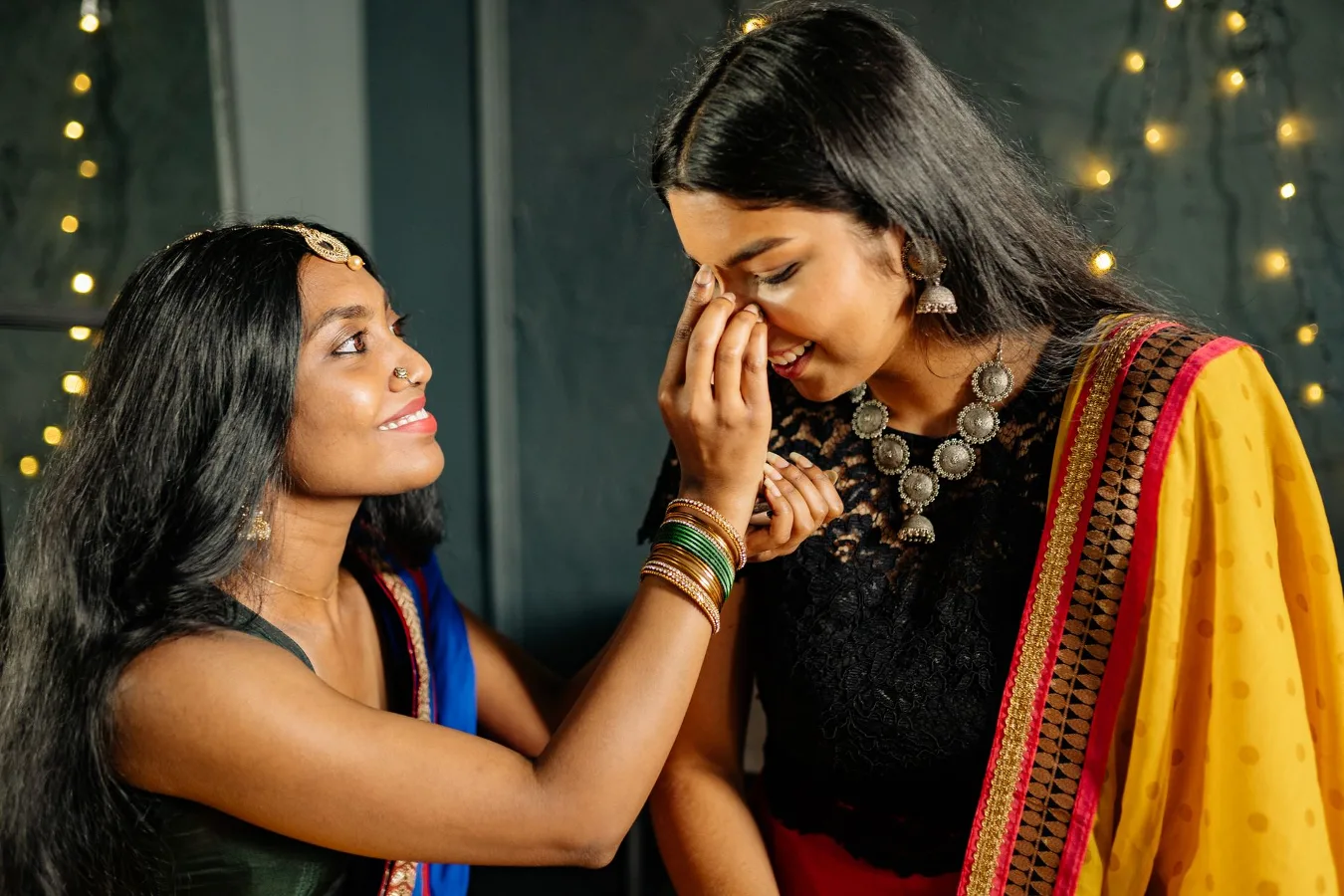
Choose earrings that fit the outfit, the occasion, and the way you actually wear jewelry
If you are searching for earrings for women Indian styles, the best choice usually depends on three things: the outfit you plan to wear, how much weight you are comfortable carrying on your ears, and whether you want something subtle or clearly traditional. For U.S. shoppers, that often means balancing cultural style with practical details such as comfort, finish quality, and how versatile the earrings will be across weddings, festivals, office events, and casual dressing. Indian Earrings for Women: A Buying Guide offers more detail on this point. dangling gold earrings for women offers more detail on this point.
Indian-inspired earrings cover a wide range of looks, from small everyday studs to dramatic jhumkas, chandbalis, chandeliers, and temple-jewelry designs. That variety is useful, but it can also make buying harder than it first appears. A pair that looks beautiful online may feel too heavy in real life, sit awkwardly with your hairstyle, or clash with the fabric and neckline of your outfit. A good buying decision starts with use case, not just appearance.
Start with the wearer scenario
The most useful way to shop for Indian earrings is to think about the person and the event, not just the pattern or metal color. Some buyers want one pair that works with several outfits. Others want a specific festive look for a wedding, Diwali celebration, or family function. Those two goals usually call for different designs.
For everyday wear
If the earrings will be worn often, comfort and versatility matter more than elaborate detailing. Smaller studs, tiny drops, slim hoops with ethnic motifs, or lightweight danglers can be easier to wear for long periods. These styles are usually a better fit for work, errands, and casual ethnic outfits such as kurtis, cotton sarees, or simple salwar suits.
For festive and wedding wear
For celebrations, many shoppers prefer richer details such as kundan-style settings, pearls, meenakari enamel work, temple motifs, or layered designs. These earrings are often intended to be part of a larger look with bangles, necklaces, and embroidered clothing. In that setting, visual impact matters more, but the weight and size still need attention. A dramatic pair can look beautiful and still be impractical if it tugs on the ear or feels unstable.
For gifting
Gift buyers usually need broad appeal. If you do not know the recipient’s taste well, look for a style that is recognizably Indian without being overly specific. Mid-sized studs, pearl-accented drops, or elegant jhumkas in a neutral finish often feel safer than very elaborate bridal pieces. A common mistake is choosing something too ornate for someone who prefers minimal jewelry.
Understand the main style families before comparing options
Many shoppers use “Indian earrings” as a broad category, but the style family changes how the piece looks and how it wears. Knowing the differences helps you narrow choices quickly.
- Jhumkas: bell-shaped earrings that create a traditional, festive look. They can range from small and wearable to large and ornate.
- Chandbalis: crescent-shaped designs that often feel more decorative and elegant, especially with dressy outfits.
- Studs with Indian motifs: simpler options featuring lotus, paisley, peacock, or floral details.
- Drops and danglers: longer silhouettes that can work for both casual and dressy wear depending on size and ornamentation.
- Temple-inspired designs: pieces that use devotional or classical motifs and often suit traditional clothing.
- Oxidized styles: darker-finish earrings that pair well with bohemian, fusion, or handcrafted looks.
The best style is not always the most ornate. A smaller, well-balanced pair can be more useful than a heavy statement piece that only works with one outfit.
Material and finish matter more than many buyers expect
Material is one of the biggest practical differences in earrings for women Indian styles, especially if the earrings are being purchased online. The visible design may be similar across listings, but the feel, maintenance, and long-term wear can differ a lot.
| Material or finish | What it is good for | Things to watch |
|---|---|---|
| Gold-plated finishes | Warm, traditional look that pairs well with festive outfits | Plating can wear over time if the piece is handled frequently or stored poorly |
| Oxidized metal | Bold contrast, vintage appeal, and fusion styling | May not suit every outfit or formal occasion |
| Brass or alloy bases | Often used in decorative designs and costume jewelry | Check for smooth edges and comfortable posts or hooks |
| Silver-toned finishes | Versatile with printed, embroidered, and contemporary ethnic wear | Can look too casual for some bridal looks |
| Pearls, stones, and enamel accents | Adds color, dimension, and traditional detail | Delicate settings may need gentler handling |
If you have sensitive ears, pay attention to the earring post, hook, or back more than the front design. A beautiful earring that irritates the skin is not a good buy, even if the style is exactly right.
Comfort is a real buying factor, not a minor detail
One overlooked consideration is how long you plan to wear the earrings. A pair that feels fine for ten minutes during an unboxing photo may become uncomfortable during a full evening event. Weight distribution, backing style, and length all affect comfort.
Heavier earrings can pull downward, especially if the design is long or the top attachment is small. Secure closures matter too. Push backs, screw backs, lever backs, and hooks each feel different and suit different designs. If you often move around, dance, or wear your hair up, a more secure closure can matter more than a purely decorative back.
For shoppers who are new to Indian-style jewelry, a practical rule is simple: if the design looks elaborate, check whether it is also lightweight or compact enough for repeated wear. Big visual impact does not always require heavy construction.
Match the earring to the outfit instead of buying in isolation
Indian earrings usually work best when they are chosen with the clothing silhouette in mind. A high-neck blouse, a richly embroidered lehenga, a plain silk saree, and a printed kurti all call for different approaches.
- Sarees: Jhumkas, chandbalis, and traditional drops usually pair well, especially with classic draping and festive fabrics.
- Lehengas: More ornate designs can complement wedding and party looks, but the earrings should still balance the neckline and hairstyle.
- Salwar suits and kurtis: Smaller jhumkas, studs, or slim danglers are often more versatile.
- Fusion outfits: Oxidized earrings, geometric ethnic designs, or pearl drops can create a more modern look.
A common misconception is that more decorative always means more flattering. In practice, the best earring often echoes one or two details from the outfit, such as color, metal tone, or motif, without competing with the clothing.
Think about maintenance before you commit
Different finishes and materials require different care. If you want earrings that stay looking good over time, maintenance should be part of the purchase decision. Plated jewelry generally needs gentler storage and less exposure to moisture, perfume, and lotions. Oxidized styles may need different handling depending on the base material and finish. Pieces with stones, pearls, or enamel can be more vulnerable to abrasion if they are tossed into a mixed jewelry box. oxidized jewelry styling guide offers more detail on this point.
For buyers building a small collection, it helps to separate pieces by use case. Keep the most delicate festive earrings for special events and use simpler designs for regular wear. That approach often preserves appearance and reduces disappointment later.
How to narrow the best option quickly
If you are comparing several earrings for women Indian styles, use the following short checklist:
- Start with the occasion: daily wear, office, festive, wedding, or gifting.
- Choose the style family: studs, jhumkas, chandbalis, drops, or oxidized designs.
- Check the weight and size: especially if you will wear them for several hours.
- Review the material and finish: plated, oxidized, pearl-accented, stone-studded, or enamel.
- Match the earring to your wardrobe: sarees, lehengas, kurtis, or fusion wear.
- Consider comfort and skin sensitivity: posts, hooks, and backs matter more than many listings suggest.
- Decide whether versatility or statement impact matters more: this prevents buying a beautiful pair that rarely gets worn.
Where buyers often go wrong
Online shoppers sometimes focus on the front-facing photo and ignore the practical details. That can lead to three common problems: earrings that are too heavy, designs that are too specific to one outfit, or finishes that require more care than expected. Another mistake is assuming all Indian-style earrings are formal. Many are casual enough for everyday wear, while others are clearly designed for ceremonial use.
It also helps to avoid overbuying duplicate styles. A collection with one versatile stud, one medium-size festive pair, and one statement pair often serves more situations than several similar earrings that only differ slightly in pattern.
Good next steps for a smart purchase
Before you buy, compare the earrings against the actual outfit or event you have in mind. If the goal is daily wear, prioritize lightness, secure closures, and versatile styling. If the goal is a special occasion, prioritize visual harmony with the neckline, hairstyle, and other jewelry pieces. If the earrings are a gift, choose a design that feels classic and easy to wear rather than unusually bold.
For shoppers building a broader jewelry collection, Indian earrings can be a strong starting point because they add variety without requiring a full coordinated set. The best purchase is usually the one that fits both the look you want and the way you live. That balance matters more than chasing the most elaborate design.