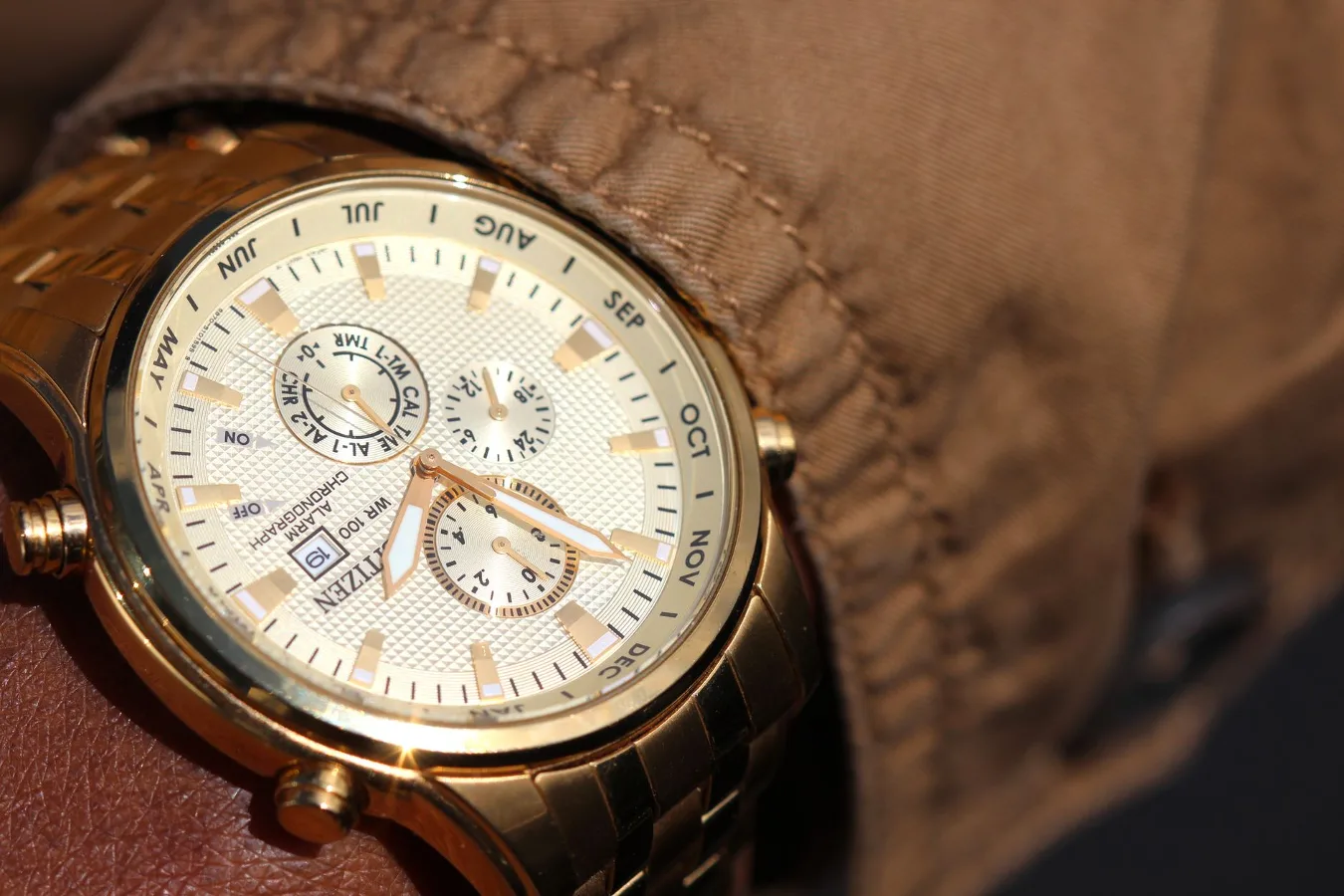
Real gold bracelets for men are a good buy when you want something that looks polished, wears well over time, and feels more substantial than plated jewelry. The most practical choice usually comes down to four things: gold purity, bracelet style, fit, and how much daily wear the piece needs to handle. men’s gold jewelry basics offers more detail on this point. gold bracelets for men 18k offers more detail on this point. how to choose bracelet length offers more detail on this point.
If you are shopping for yourself or choosing a gift, the right bracelet should match the wearer’s routine as much as the look. A bracelet that is comfortable under a cuff, easy to fasten, and suited to everyday wear will usually be more satisfying than one chosen only for appearance.
What “real gold” means here
In men’s bracelets, real gold generally means solid gold or a bracelet made primarily from gold rather than a thin gold-colored coating. That distinction matters. Gold-plated and gold-filled pieces can look appealing, but they behave differently over time and usually need more careful handling.
For many buyers, the main decision is between 14k gold and 18k gold. Both are real gold, but they serve different priorities. Fourteen-karat gold is typically chosen for better everyday durability, while 18k gold has a richer gold color and a softer feel. Higher purity also means more gold content, which can affect price, weight, and how the bracelet holds up to wear.
Choosing the right bracelet style
The best style depends on how the bracelet will be worn. Men often narrow the field to a few classic forms, each with its own practical strengths.
Chain bracelets
Chain bracelets are the most familiar option. They can range from slim and understated to heavier statement pieces. Links such as curb, Figaro, rope, and box designs change the visual weight and how the bracelet moves on the wrist. A tighter, flatter chain often sits more comfortably for daily wear, while chunkier links create more presence.
Cuff bracelets
Cuffs offer a cleaner, more architectural look. They can be easy to wear if the opening and width suit the wrist, but fit matters more than with chain bracelets. A cuff that is too loose may shift constantly, while one that is too tight can feel restrictive. They tend to work well for men who prefer a simple profile and less visual clutter.
Bangles and rigid bracelets
Rigid bracelets are less common in men’s jewelry, but they can work when the design is minimal and the proportions are right. The trade-off is comfort. Because they do not flex like a chain, they may feel more noticeable during desk work, driving, or exercise.
Comparison factors that matter most
| Factor | Why it matters | What to look for |
|---|---|---|
| Gold purity | Affects color, durability, and price | Choose the karat level that fits your wear pattern |
| Bracelet style | Shapes comfort and appearance | Match the design to your wardrobe and wrist size |
| Weight | Influences feel and presence | Pick a weight that feels substantial without becoming tiring |
| Clasp or opening | Controls ease of wear and security | Look for a closure that is simple to fasten and secure |
| Finish | Changes how noticeable scratches and wear appear | Polished, brushed, or textured finishes each age differently |
| Fit | Determines comfort and how often it gets worn | Leave enough room for movement without excessive sliding |
One overlooked factor is how the bracelet behaves with daily movement. A bracelet can look right in a product photo but feel awkward once you start typing, lifting, traveling, or wearing it beside a watch. Men who wear bracelets every day often end up preferring a design that is slightly lighter, flatter, and less likely to catch on sleeves.
How to think about fit
Fit is one of the easiest places to make a mistake because bracelet sizing is less intuitive than ring or watch sizing. A bracelet should usually move a little, but not enough to spin excessively or slide far up the forearm. Too snug, and it becomes annoying. Too loose, and it may bang against a desk or feel unbalanced.
For chain bracelets, adjustable length or a secure extender can help if the wrist size is between standard measurements. For cuffs and rigid bracelets, the shape of the opening matters just as much as the overall size. If the bracelet is a gift, a more forgiving chain style is often safer than a fixed rigid design.
Another practical nuance: wrist size and bracelet preference are not the same thing. Two men with similar wrist measurements may want very different fits. One may prefer a close, fitted look under a shirt cuff, while another wants visible drape. The best choice depends on how the bracelet will be worn most often.
Durability and long-term value
Real gold bracelets can last a long time, but “durable” does not mean indestructible. Softer high-purity gold can show wear more readily than lower-karat gold alloys. That does not make it a bad choice; it simply means the right option depends on the wearer’s habits.
If the bracelet will be worn daily, especially in active settings, a simpler design with sturdy links or a robust cuff construction usually makes more sense than a delicate decorative pattern. Intricate links can be beautiful, but they may require more care. Hollow designs can also feel substantial while using less metal, yet they may be less forgiving if bent or dented.
A common misconception is that heavier always means better. Weight can signal presence and comfort for some wearers, but a bracelet that is unnecessarily heavy can become tiring, especially for someone not used to jewelry. Long-term value comes from wearing the piece often, not from choosing the heaviest option available.
Style choices by use case
Different situations call for different bracelets. The right piece for everyday wear is not always the best piece for formal settings or gifting.
- Everyday wear: A medium-profile chain in 14k gold often offers a balanced mix of durability and style.
- Office or business wear: A slimmer chain or restrained cuff can look refined without drawing too much attention.
- Formal events: A cleaner design with a polished finish pairs well with a suit or dress shirt.
- Fashion-forward looks: Heavier chains or bolder textures create more visual impact.
- Gift purchases: Adjustable or versatile styles reduce the risk of getting the fit wrong.
The wardrobe connection matters too. Gold bracelets tend to work especially well with watches, rings, and other warm-toned accessories. They can also stand alone if the rest of the outfit is simple. If the wearer already uses silver-tone pieces, mixed-metal styling can still work, but it should look intentional rather than random.
Common mistakes to avoid
- Choosing by appearance alone: A bracelet that looks impressive online may feel awkward in real life if the weight or clasp is wrong.
- Ignoring wrist size: The wrong fit is one of the fastest ways to stop a bracelet from being worn.
- Overlooking clasp quality: A secure closure matters as much as style, especially for daily use.
- Assuming all gold is equally durable: Karat level affects wear characteristics, not just color.
- Buying a delicate design for rough use: Intricate links and fine details may be better for occasional wear.
- Forgetting maintenance: Even real gold needs routine cleaning and occasional inspection.
Alternatives worth considering
Real gold bracelets are a strong option, but they are not the only sensible choice. If the goal is everyday wear with lower maintenance, a well-made gold vermeil or gold-plated piece may work for someone who changes accessories often and does not want a larger upfront commitment. If the goal is an heirloom-like item, solid gold remains the more durable long-term category.
Men who want a similar look with a different feel might also consider a gold chain necklace, signet ring, or a watch with gold-tone details. Those alternatives can deliver a similar visual effect if a bracelet feels too noticeable or gets in the way of daily tasks.
Care and storage basics
Gold jewelry is relatively straightforward to maintain, but small habits make a difference. Wipe the bracelet after wear to remove skin oils and residue. Store it separately so it does not tangle with chains or pick up scratches from harder pieces. If the bracelet has a clasp, check it occasionally for wear or looseness.
It is also smart to remove the bracelet before activities that can stress the metal, especially workouts, heavy lifting, or any task involving chemicals or abrasive surfaces. This is less about fragility and more about preserving the finish and reducing avoidable damage.
How to make a confident choice
If you want a straightforward path, start by deciding how often the bracelet will be worn. For daily use, prioritize comfort, secure construction, and a style that will not feel out of place in your routine. For occasional wear, you can lean more heavily on appearance and statement value.
Then compare gold purity, link style, and fit in that order. A good-looking bracelet that fits badly is rarely a good purchase. A simpler design in the right size and karat often proves more useful than a more elaborate piece that spends most of its life in a drawer.
Real gold bracelets for men work best when they fit the wearer’s life, not just his style preference. That is the real distinction between a piece that gets worn and one that just gets admired.