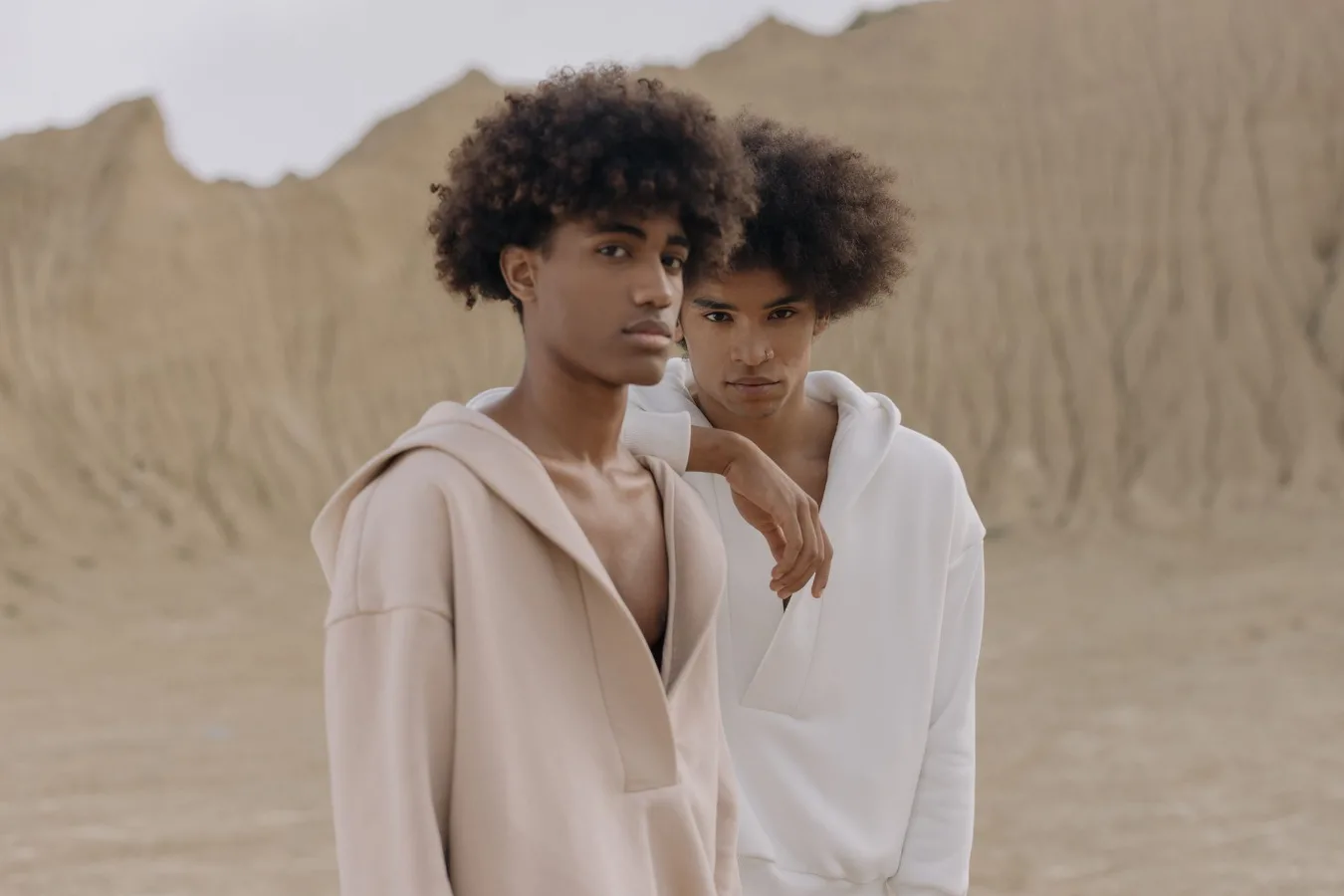
Quick answer: what an ERD hoodie is and why people search for it
An ERD hoodie usually refers to a hoodie from Enfants Riches Déprimés, a label known for a distinct, often darkly styled luxury streetwear aesthetic. If you are searching for one, the main things to evaluate are fit, fabric feel, graphic or logo placement, authenticity cues, and whether the piece suits your wardrobe beyond the initial appeal. embroidered hoodie offers more detail on this point.
Because demand for designer hoodies often centers on look and label recognition, it helps to slow down and compare the details that affect wearability. A hoodie can look compelling in photos and still disappoint if the cut feels too boxy, the material is too heavy or too thin for your use, or the styling is too specific to wear often.
The best way to approach an ERD hoodie is as a fashion purchase with long-term use in mind: check the silhouette, understand the branding, and decide whether the design works with the rest of your clothing rather than on its own.
How to compare ERD hoodie options
For a fashion piece like this, comparison is less about technical specs and more about how the hoodie will function in real outfits. The most useful evaluation points are fit, material quality, design language, versatility, and care requirements. how to choose the right hoodie size offers more detail on this point.
Fit and silhouette
ERD hoodies are often sought for their statement-making shape, which may lean relaxed, oversized, or intentionally slouchy depending on the release. That can be a strength if you want a streetwear-forward silhouette, but it can also be the main reason a piece becomes hard to style.
Before buying, think about how you like hoodies to sit on the body. A roomier cut can work well over tees, flannels, or lightweight outerwear. A trimmer cut may feel easier to wear under jackets but can lose some of the relaxed attitude that makes designer hoodies appealing in the first place.
If you are between sizes, the better choice depends on your styling goal. Choose your usual size if you want the intended shape and proportion. Consider sizing down only if the listing or garment measurements suggest the piece runs especially large and you prefer a cleaner line.
Fabric and construction
Material matters because it affects drape, comfort, warmth, and how the hoodie ages. A premium hoodie should feel substantial without becoming stiff, and the inside should feel comfortable against the skin if you plan to wear it often.
Look at the fabric blend, but do not assume a higher weight automatically means better quality. A heavier hoodie may feel more structured and hold shape well, yet it can also be less versatile in mild weather. A lighter hoodie may layer more easily, but it can feel less substantial if you expect a more luxe hand feel.
Construction details also matter: seam finishing, cuff recovery, hood shape, and how the ribbing sits at the hem and sleeves all affect whether the hoodie keeps its form. These details are especially important in designer streetwear, where the difference between intentional drape and sloppy fit can be subtle. designer hoodie fit guide offers more detail on this point.
Design language and wearability
An ERD hoodie is usually purchased for its aesthetic identity as much as for its function. That makes design a major factor, but also a potential limitation. Bold graphics, distressed effects, or heavily branded details can make the hoodie feel distinctive, yet they can narrow how often you wear it.
If your wardrobe is mostly simple denim, cargos, sneakers, and plain outerwear, a more graphic ERD hoodie may become the focal point of the outfit. That can be useful, but only if you want the hoodie to carry the look. If you prefer quieter styling, a subtler version may offer better long-term value.
Authenticity and seller reliability
For branded fashion items, one of the most important buying considerations is whether the seller is reliable. That does not just mean avoiding obvious counterfeits; it also means confirming the listing has clear photos, accurate condition notes, and enough detail to judge the item fairly.
Pay attention to the product images, tags, stitching, print quality, and the way the garment is presented. If the listing is vague or the photos do not show close-ups of labels and construction, treat that as a warning sign. For a piece like an ERD hoodie, uncertainty around authenticity or condition can erase the value of the purchase even if the price looks appealing.
ERD hoodie strengths and trade-offs
| What you may like | Trade-off to consider |
|---|---|
| Distinctive streetwear identity | May be harder to style for everyday wear |
| Premium fashion appeal | Often commands attention, which is not ideal for minimal wardrobes |
| Statement silhouette | Oversized or relaxed cuts can be tricky if you prefer a cleaner fit |
| Collector interest | More limited designs can be less practical for frequent rotation |
| Strong layering potential | Heavier or bulkier versions may not work well under fitted outerwear |
The biggest misconception about designer hoodies is that the label alone determines value. In practice, wearability matters just as much. A hoodie can be desirable and still be the wrong choice if it clashes with your wardrobe or sits unworn because the styling is too specific.
Another overlooked consideration is how often you actually wear hoodies in your climate. If you live somewhere warm or mostly dress in lightweight layers, a dense, heavy hoodie may be more of a statement piece than a practical one. If your wardrobe already includes several hoodies, the question becomes whether this one fills a real gap or simply repeats a look you already own.
Mistakes to avoid when buying an ERD hoodie
- Chasing the label without checking the cut. A strong brand name does not guarantee a flattering or useful fit.
- Ignoring the fabric description. The feel, warmth, and layering potential depend heavily on the material and construction.
- Buying only for the graphic. A design that looks great online may feel too loud or too specific in daily outfits.
- Skipping condition details on resale listings. With fashion hoodies, fading, pilling, print wear, and stretched ribbing can change the value significantly.
- Assuming every oversized hoodie fits the same way. Oversized can mean boxy, long, wide, or dropped-shoulder, and those differences affect styling.
- Forgetting about care. Some designer sweatshirts require more careful washing and drying to preserve shape and print quality.
A practical way to avoid disappointment is to imagine three outfits before you buy: one casual everyday look, one layered look, and one outfit for a slightly more styled occasion. If the hoodie only works in one of those scenarios, it may still be worth buying, but you should know exactly why you want it.
How to style an ERD hoodie without overcomplicating it
Because the hoodie itself may already be visually strong, the rest of the outfit usually works best when it stays controlled. Straight-leg denim, relaxed trousers, cargos, or simple sneakers are common pairing options because they let the hoodie stay central without making the outfit feel busy.
If the hoodie has a heavy graphic or bold branding, balance it with cleaner pieces elsewhere. If the hoodie is more minimal, you can lean into texture by pairing it with washed denim, technical outerwear, or structured pants. The point is not to hide the hoodie, but to keep the outfit coherent.
Layering also deserves attention. An oversized hoodie can sit well under an unstructured coat, bomber, or denim jacket, but the hood and shoulders need enough room. If you want a sleeker profile, a lower-bulk hoodie may be easier to wear under outer layers.
Practical alternatives if an ERD hoodie is not the right fit
If you like the idea of an ERD hoodie but are unsure about the styling or investment, there are useful alternatives depending on what matters most to you.
- Minimal premium hoodies if you want a cleaner, more versatile wardrobe staple.
- Graphic streetwear hoodies if you want a bolder look without committing to one specific designer identity.
- Oversized basics if you like the silhouette but want easier everyday wear.
- Zip-up hoodies if layering flexibility matters more than a pullover statement piece.
- Vintage-inspired sweatshirts if you want a lived-in feel with a softer visual profile.
The right alternative depends on whether your priority is brand recognition, silhouette, comfort, or styling range. That decision often matters more than the logo itself.
Care and longevity considerations
A hoodie only feels premium over time if it keeps its shape, color, and surface texture. Since hoodies are worn frequently, care habits matter more than many shoppers expect. Turning the garment inside out before washing, using a gentle cycle, and avoiding aggressive heat can help reduce unnecessary wear, especially on printed or embellished pieces.
Even when a hoodie is made well, frequent washing can affect ribbing, softness, and graphic clarity. If you plan to wear an ERD hoodie often, think about how easy it will be to maintain in your normal routine. A piece that requires constant careful handling may belong more in a special-occasion rotation than an everyday one.
Who an ERD hoodie is best for
An ERD hoodie makes the most sense for someone who values fashion identity, wants a distinctive streetwear piece, and is comfortable building outfits around a statement garment. It is a stronger choice if your wardrobe already includes neutral basics that can support a more expressive top layer.
It may be less suitable if you want a hoodie that disappears into the background, if you prefer understated branding, or if you need a single piece that works across many dress codes. In those cases, a more minimal hoodie can offer better utility even if it feels less exciting at first glance.
For shoppers drawn to the name, the best purchase is usually the one that fits both the aesthetic and the practical side of your wardrobe. That balance matters more than novelty, especially with designer streetwear where the strongest pieces are the ones you will actually reach for.