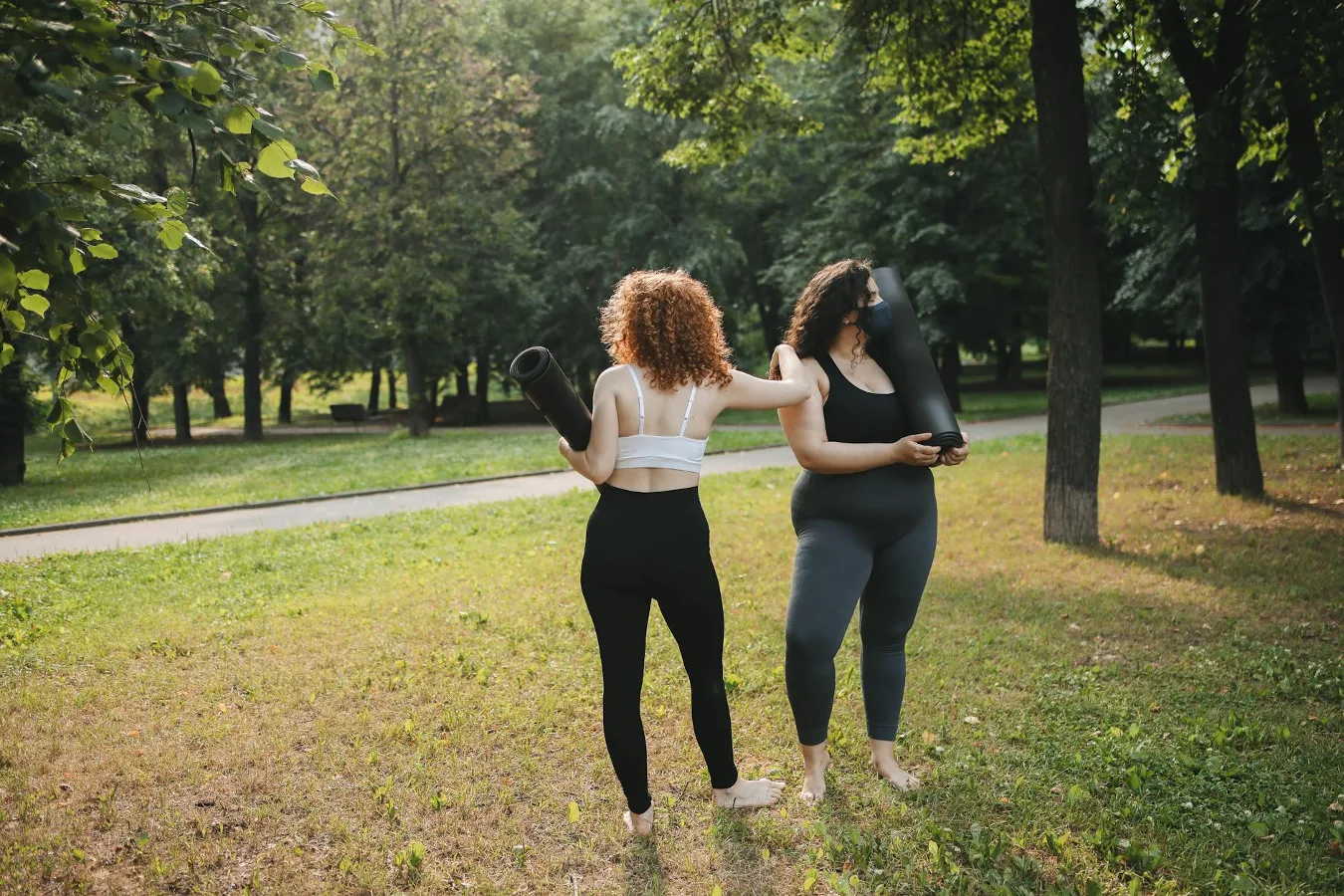
Plus size compression leggings are designed to feel supportive and secure rather than loose or purely decorative. The right pair should smooth without cutting in, hold their shape during movement, and fit your body comfortably for the activity you actually plan to do. mens running leggings offers more detail on this point.
If you are shopping for workout wear, travel outfits, or everyday athleisure, the best choice depends less on the label and more on how the leggings are built: fabric blend, waistband construction, rise, stretch recovery, and size consistency all matter. That is especially true in plus size ranges, where a pair that looks similar on the rack can fit very differently once worn. how to choose leggings for curvy figures offers more detail on this point.
What compression leggings do, and what they do not
Compression leggings are meant to provide a firmer, more secure feel than standard leggings. That can be helpful for activities where you want reduced bounce, a more held-in sensation, or fabric that resists sagging as you move. For some people, that means better confidence during workouts or longer wear throughout the day.
They are not the same as shapewear. A common misconception is that compression leggings should dramatically change your shape or feel extremely tight if they fit correctly. In reality, the goal is support and stability, not discomfort. If you have trouble breathing deeply, bending, or sitting comfortably, the fit is probably wrong or the compression level is too aggressive for your needs.
Key factors that matter most
1. Fit should feel secure, not restrictive
With plus size compression leggings, fit is the first filter. The waistband should stay in place without rolling, and the fabric should feel anchored without pinching at the waist, hips, or thighs. Pay attention to how the leggings feel when you sit, squat, or walk for a while, not just when you first pull them on.
One overlooked detail is seam placement. Flat seams can reduce irritation, but poorly placed seams can rub at the inner thigh, stomach, or behind the knee. If you are sensitive to chafing, this matters as much as the fabric itself.
2. Fabric blend affects both support and comfort
Most compression leggings rely on blends that include synthetic fibers for stretch, recovery, and durability. A fabric that feels smooth and substantial usually performs better than one that feels thin or overly slick, especially if you want better opacity and structure. For many shoppers, the practical question is not whether the leggings are “compressive,” but whether they balance firmness with movement.
Moisture-wicking properties can be useful for exercise or humid weather, but they do not guarantee comfort on their own. Breathability, softness, and how quickly the fabric returns to shape all contribute to how wearable the leggings feel over time.
3. Waistband design can make or break the fit
A wide waistband is often preferred because it distributes pressure more evenly. High-rise styles are common for plus size compression leggings because they can offer extra torso coverage and a more secure feel during bending or stretching. Still, a high rise is not automatically better. If the waistband is too stiff or too tall for your torso length, it may dig in or fold.
For some body shapes, a contoured waistband or a gently compressive panel works better than a rigid, super-firm band. The best waistband is the one that stays put without requiring constant adjustment.
4. Inseam and length affect how the leggings move
Length is more than a style detail. Too short, and the hem may ride up during movement. Too long, and the fabric can bunch at the ankle or knee. If you are buying for workouts, the right inseam can improve comfort and reduce distraction. For everyday wear, the right length also changes how polished the outfit looks with sneakers, boots, or flats.
Some plus size shoppers also prefer cropped versions for warmer weather or high-activity days. Others want full length for coverage and a smoother line under tunics or long tops. Think about how often you will wear them, not just how they look in product photos.
5. Recovery and opacity are practical, not optional
Compression leggings should bounce back after stretching. If a pair grows baggy at the knees or seat after one wear, it may not hold up well in regular use. Opacity matters too, especially if you plan to squat, bend, or sit for long periods. Thin fabrics can become see-through under tension even if they look fine standing still.
A useful rule: if the fabric appears very lightweight and highly glossy, check carefully for thickness and coverage. That does not mean glossy leggings are always poor quality, but they deserve extra attention.
Choosing leggings by use case
For workouts
If you plan to exercise in them, prioritize stability, sweat management, and freedom of movement. Gym leggings should not slide down during walking, lifting, cycling, or studio classes. Look for a fabric that feels supportive without becoming stiff, and avoid anything that restricts hip or knee movement.
Different workouts create different demands. Yoga and stretching usually call for more flexibility, while running or high-impact sessions often benefit from a firmer hold and a waistband that stays anchored. If you do multiple types of exercise, a moderate compression level is often the most versatile choice.
For all-day wear
For errands, travel, or work-from-home days, comfort and wearability matter more than strong compression. A pair that feels amazing for twenty minutes may become tiring after several hours if the waistband is too firm. In this case, many shoppers are better served by light-to-moderate compression rather than the firmest option available.
All-day wear also puts more pressure on details people overlook: tag placement, seam softness, and whether the waistband rolls when you sit. These may sound minor, but they often determine whether leggings stay in rotation or get pushed to the back of the drawer.
For smoothing under longer tops
If your main goal is a smoother silhouette under tunics, oversized shirts, or sweaters, you may not need true athletic compression. Instead, look for a supportive legging with a dense knit and a flattering rise. Some shoppers prefer a more polished look without the stronger feel of performance compression.
This is where the difference between compression leggings and shapewear becomes important. If the goal is visual smoothing rather than workout support, a more moderate design may be the better everyday solution. the difference between compression and shaping offers more detail on this point.
Common fit problems and how to avoid them
- Rolling waistband: often a sign that the rise, waistband height, or size is off for your torso.
- Pinching at the waist: usually means the waistband is too narrow, too stiff, or too small.
- Sheer fabric under stretch: a common issue with lightweight leggings that do not have enough opacity.
- Legs that bag out: may indicate weak recovery in the fabric or a size that is too large.
- Constant riding up: can happen when the inseam, fabric stretch, or leg opening is not suited to your shape.
A practical nuance: many people size up hoping for comfort, but with compression leggings that can backfire. Too much extra room often reduces the supportive feel and may cause slipping or bunching. On the other hand, sizing down can create uncomfortable pressure and shorten the life of the fabric. The right size is the one that follows the brand’s chart most closely, not the one you wish were more forgiving.
How to compare options before buying
When you are comparing plus size compression leggings, focus on the product details that affect daily wear rather than broad claims. Product photos can be helpful, but they rarely show how the waistband behaves, how opaque the fabric is when stretched, or whether the leg opening stays stable.
- Check the fabric composition: look for a blend that suggests stretch and recovery.
- Read the rise description carefully: high-rise and super high-rise are not always interchangeable.
- Review sizing notes: some brands run small or large, and plus size range consistency can vary.
- Look for activity-specific wording: workout leggings and everyday leggings are often built differently.
- Consider pocket placement: side pockets can be useful, but they may change the drape and feel of the legging.
If you are buying online, return policy matters more than many shoppers expect. Fit can vary enough between brands that the ability to exchange sizes is part of the decision, not an afterthought.
Materials and care considerations
Compression fabrics generally need a little more care than basic casual leggings if you want them to keep their shape. Heat can weaken elastic fibers over time, so washing instructions matter. Even without getting technical, the basic idea is simple: follow the garment care label, avoid rough treatment, and do not assume all leggings can be washed the same way.
Also consider how often you will wear them. If you want a pair for frequent use, durability and recovery become more important than a slightly softer hand feel. If you want them mainly for occasional wear, comfort may matter more than maximum support.
When compression is not the best choice
Not everyone needs compression leggings. If you are sensitive to pressure around the waist or thighs, a softer support legging may feel better and still offer a streamlined look. If your priority is lounging, a high-compression pair may feel unnecessarily structured.
Alternatives worth considering include:
- Supportive non-compression leggings for everyday wear
- High-waisted training tights for workouts with less restrictive hold
- Shaping leggings if the main goal is smoothing rather than exercise support
- Bike shorts or cropped leggings for warmer weather or easier movement
The best alternative depends on whether you want performance support, comfort, visual smoothing, or a mix of all three.
Practical decision guide
If you want the simplest way to choose, start with your main use case. For exercise, favor stability, opacity, and recovery. For all-day wear, favor comfort, a secure waistband, and moderate compression. For smoothing under outfits, favor a dense fabric and flattering rise over maximum tightness.
Then ask three questions: does the waistband stay put, does the fabric recover after stretching, and can you wear it for your intended activity without adjusting it constantly? If the answer is yes, you are probably looking at a better fit than a pair chosen only because it sounds “more compressive.”
Shoppers often focus on the phrase compression leggings and overlook the real goal: dependable wear. The best pair should support your movement, suit your routine, and feel good enough that you actually reach for it again.
FAQ
Are plus size compression leggings supposed to feel tight?
They should feel snug and supportive, but not painful or restrictive. If breathing, bending, or sitting feels difficult, the fit or compression level is probably too aggressive.
Should I size up in compression leggings?
Not automatically. Sizing up can reduce pressure, but it can also cause slipping and loss of support. Start with the brand’s size chart and pay attention to fit notes.
What is better for plus size shoppers: high-waisted or mid-rise?
High-waisted styles often feel more secure for workouts and everyday wear, but mid-rise can be more comfortable for some torso lengths. The better option depends on where you want the waistband to sit and whether it stays in place.
Can compression leggings work for all-day wear?
Yes, if the compression is moderate and the waistband is comfortable. Very firm styles may be better for exercise than long hours of sitting or casual wear.
How do I know if the leggings will be see-through?
Look for fabric thickness details, stretch notes, and reviews that mention opacity. A legging that looks opaque when still may become sheer when stretched, so coverage under movement is the key test.