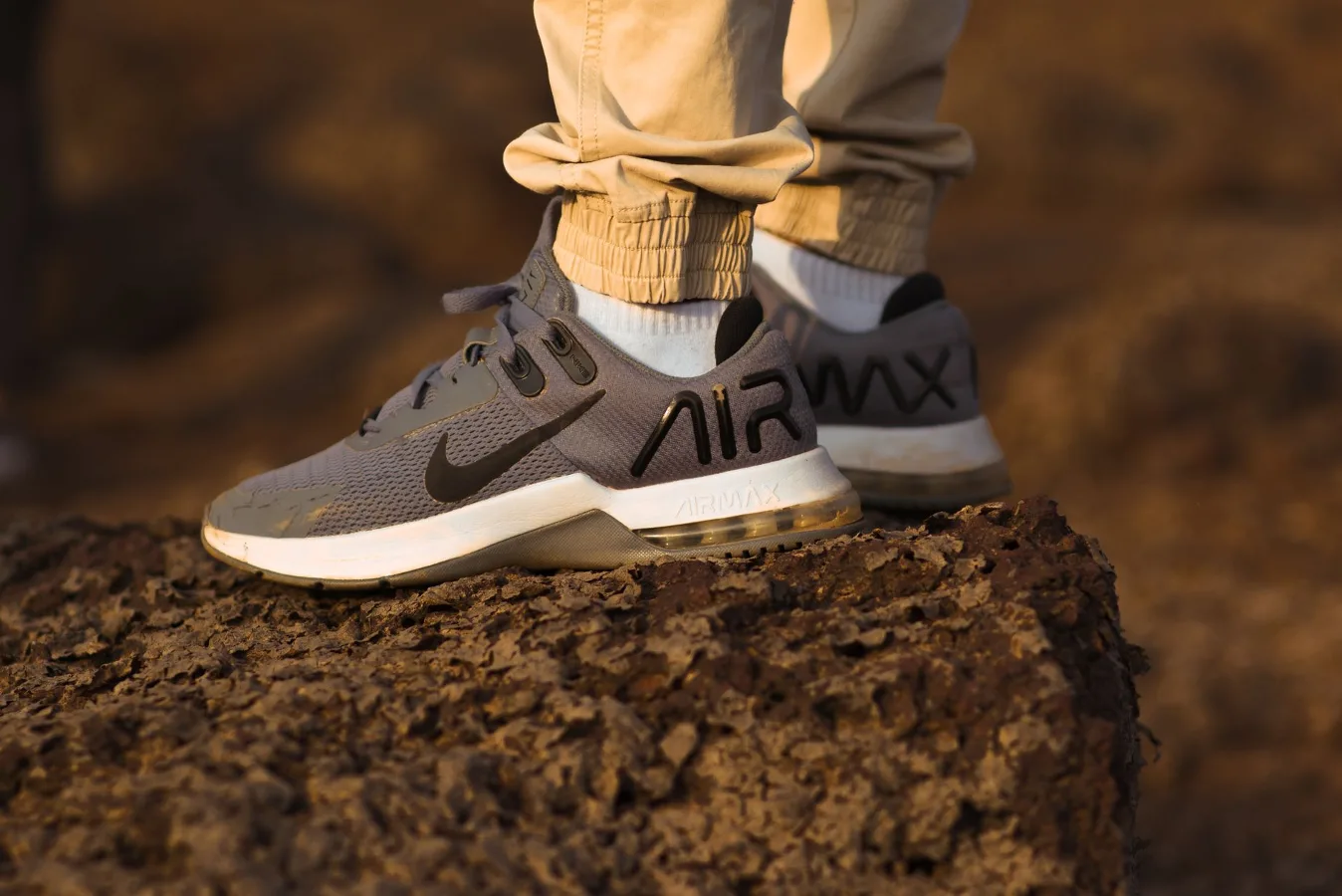
Men’s sneakers are the easiest pair of shoes to wear often, but that also makes choosing them more important than it first looks. The right pair should fit your foot shape, match your routine, and hold up to the way you actually move through the day. If you want a quick answer: look first at fit, comfort, and versatility, then narrow down the style and materials from there. brooks sneakers offers more detail on this point.
For a commercial search like this, the real question is not just which sneakers look good. It is which pair makes sense for commuting, errands, casual office settings, weekend wear, or travel without creating avoidable trade-offs. Some sneakers prioritize a clean look. Others lean into cushioning, support, or durability. The best choice depends on what you need most. Best Adidas Sneakers for Everyday Wear offers more detail on this point.
When men’s sneakers matter most
Sneakers are worth paying attention to whenever one pair needs to do a lot of work. That includes daily wear, long walks, airport days, light workouts, and casual outfits that need to look polished without feeling formal. A sneaker that seems simple on the surface can still make a big difference in comfort and appearance if it fits your routine well.
They matter even more if you tend to wear the same shoes repeatedly. In that case, small issues become obvious fast: a toe box that feels cramped, a sole that wears down too quickly, or a style that looks good in photos but feels out of place with your wardrobe. A better decision usually comes from matching the sneaker to the job, not chasing the flashiest option.
Start with the fit before the style
Fit is the most common mistake buyers overlook. Sneakers can look right and still be wrong if the length, width, or volume does not suit your foot. A sneaker that is too narrow may create pressure across the forefoot. One that is too loose can rub at the heel or feel unstable during longer wear.
Pay attention to how the shoe holds the middle of the foot and whether the toe area leaves enough room for natural movement. Men with wider feet often do better in models that come in wide sizing or have roomier toe boxes. If you use orthotics, have high arches, or prefer thicker socks, you will want a little extra interior space rather than a snug fashion fit.
A useful way to think about fit is this: the sneaker should feel secure, not restrictive. You should be able to walk without sliding around, but you should not feel squeezed just to get a clean silhouette.
Choose the right type of sneaker for the job
Not all men’s sneakers serve the same purpose. Before comparing colors or branding, decide where the pair will live in your rotation. That one step eliminates a lot of regret later.
Everyday casual sneakers
These are the most flexible option for most people. They usually have a simple upper, moderate cushioning, and a silhouette that works with jeans, chinos, shorts, and relaxed tailoring. If you want a single pair that can handle errands and casual plans, this is often the safest place to start.
Walking-focused sneakers
If you spend a lot of time on your feet, walking comfort should matter more than trend appeal. Look for a stable platform, enough cushioning for repeated impact, and a shape that does not pinch after several hours. A good walking sneaker does not have to look sporty, but it should feel dependable underfoot.
Fashion-forward sneakers
Some sneakers are chosen mainly for their shape, color blocking, or retro references. These can elevate an outfit, but they may sacrifice some comfort or all-day versatility. They are a good fit if your wardrobe already leans style-first and you do not need the shoe to do heavy daily duty.
Travel sneakers
For travel, weight, breathability, and comfort over long days matter more than brand prestige. A shoe that packs easily and works with several outfits can be more useful than something highly specialized. The trade-off is that travel-friendly shoes may not give you the same level of support or structure as sturdier daily sneakers.
Materials affect comfort, appearance, and upkeep
Materials are one of the most overlooked parts of sneaker buying. They influence how a shoe breathes, how easily it cleans up, and how polished it looks in real life.
Leather often looks cleaner and more refined, which helps if you want a sneaker that can pass in casual office settings. It may also feel more structured, though that can mean a break-in period. Leather generally asks for more care if you want it to stay presentable.
Canvas is lighter and usually feels relaxed right away. It works well for warm weather and low-key outfits, but it can show dirt quickly and may not feel as supportive as more structured materials.
Knit or mesh tends to be breathable and flexible. That makes it appealing for warmer days and active routines, but these uppers can be less protective and sometimes look more athletic than refined.
Suede adds texture and a premium feel, but it also needs more attention. It can be a strong style choice if you are willing to treat it carefully and avoid poor weather when possible.
Material choice is not just about looks. It also shapes how often you will wear the shoes. A sneaker you hesitate to wear because it stains easily may not be the best buy, even if it looks great on day one.
Comfort features that actually matter
Comfort is often described too vaguely. For men’s sneakers, it helps to break it into specific features so you know what you are paying for.
- Cushioning: Helpful for shock absorption and all-day wear, but more is not always better if it makes the shoe feel unstable.
- Arch support: Useful if your feet need structure, though support needs vary by foot shape and personal preference.
- Heel hold: Reduces slipping and improves confidence when walking.
- Toe box space: Important for comfort, especially if your feet swell during the day.
- Flexibility: Matters if you want natural movement, but too much flexibility can reduce support.
A common misconception is that soft equals comfortable. Soft cushioning can feel great at first, but if the shoe lacks structure or stability, your feet may feel tired later. Comfort is better judged as a balance: enough cushioning to reduce strain, enough support to keep the shoe controlled.
Style choices that keep a sneaker versatile
If you want a sneaker that works with most of your wardrobe, simplicity usually wins. Clean lines, restrained branding, and neutral colors make it easier to wear the same pair with denim, joggers, shorts, or casual pants.
White sneakers remain popular because they are easy to style, but they also require more upkeep. Black, gray, navy, and off-white options can be more forgiving if you want lower maintenance. Retro runners and court-style sneakers often sit in the middle: they can add personality without looking too technical. how to keep white sneakers looking clean offers more detail on this point.
The silhouette matters as much as the color. A slim profile tends to look sharper with tailored casual outfits, while chunkier models may better suit relaxed streetwear. Neither is universally better. The right choice depends on what else is already in your closet.
Use-case matching: a practical checklist
Before buying, run the sneaker through a simple reality check. This avoids the common mistake of choosing by appearance alone.
- Where will you wear them most? Work, travel, weekend wear, walking, or all of the above.
- How long will you wear them at a time? Short errands have different needs than full-day use.
- What pants will you pair them with? Some sneakers look best with straight-leg denim, others with tapered chinos or shorts.
- Do you need easy maintenance? If yes, avoid materials that punish every scuff or stain.
- Do you need extra room or support? Foot shape, insoles, and socks can change the right size and model.
- Will this be a main pair or a rotation shoe? Main pairs should be more versatile and durable.
One overlooked consideration is climate. A sneaker that feels ideal in a mild season may run too warm in humid weather or feel too open in cooler months. Breathability, lining, and upper material all affect how useful the shoe will be across the year.
Examples of good sneaker directions by need
If you are trying to narrow the field, it helps to think in categories rather than specific product hype.
If you want one pair for almost everything
Choose a low-profile sneaker in a neutral color with a comfortable but not overly bulky sole. This is usually the most versatile option for men who want a dependable daily shoe.
If comfort is the top priority
Look for a model with stable cushioning, a roomy forefoot, and a secure heel. Avoid designs that feel overly flat or overly squishy if you plan to wear them for long stretches.
If style matters more than utility
A retro runner, court sneaker, or minimal leather sneaker can add polish or character. Just be honest about the trade-off: highly styled shoes may be less forgiving for extended wear.
If you need low maintenance
Smoother leather or synthetic uppers are often easier to wipe down than suede or light-colored canvas. Simpler designs also tend to age more gracefully in everyday use.
Common mistakes shoppers make
The first mistake is choosing the wrong size because the sneaker “sort of” fits. Small fit issues usually become major irritations later. If a shoe feels borderline in the store, it is often the wrong choice.
The second mistake is buying a sneaker for a single outfit instead of a wardrobe. A pair that only works with one pair of jeans is usually a weak value, even if it looks impressive on the shelf.
The third mistake is ignoring maintenance. White leather, suede, and light canvas can all look sharp, but they ask more of the wearer. If you do not want that extra care, choose a more forgiving finish.
The fourth mistake is treating cushioning as the only comfort factor. Fit, stability, and heel security matter just as much. A shoe can feel plush in hand and still disappoint after a long day.
How to compare two similar sneakers
When two options look close, use a simple decision order. First compare fit. Then compare how each one matches your most common outfits. After that, look at material and maintenance. Only then should you decide based on style details.
| Decision factor | Ask yourself | Why it matters |
|---|---|---|
| Fit | Does it hold the heel and leave toe room? | Comfort and wearability depend on it. |
| Versatility | Will it work with most of my clothes? | Improves value across your rotation. |
| Material | Am I willing to maintain it? | Some uppers need more care than others. |
| Support | Will I wear it for long periods? | Affects fatigue over time. |
| Style | Does it fit my wardrobe, not just my taste? | Prevents impulse buys that sit unused. |
Care and rotation keep sneakers useful longer
Even a good sneaker can wear out too quickly if it is the only pair you wear every day. Rotating shoes gives materials time to dry out and recover between wears. That matters especially for leather, suede, and cushioned midsoles.
Basic care also goes a long way. Wiping off dirt early is easier than trying to restore a shoe later. Using the right cleaning method for the upper material helps preserve shape and appearance. If you buy a pair because it looks versatile, maintenance is part of making that versatility real.
A practical approach is to own at least one dependable everyday pair and one alternative for lighter, wetter, or dressier situations. That gives you flexibility without forcing one sneaker to do everything.
What a smart men’s sneaker purchase usually looks like
A good purchase is rarely the loudest option. It is the pair that fits cleanly, suits your most common outfits, and does not create extra hassle every time you wear it. For many men, that means a low-key sneaker with balanced cushioning, a durable upper, and a shape that feels comfortable after the first hour, not just the first minute.
If you keep the decision grounded in fit, use case, and upkeep, you are much more likely to end up with sneakers you reach for often. That is the real measure of value in this category: not how they look in isolation, but how often they earn a place in your regular rotation.