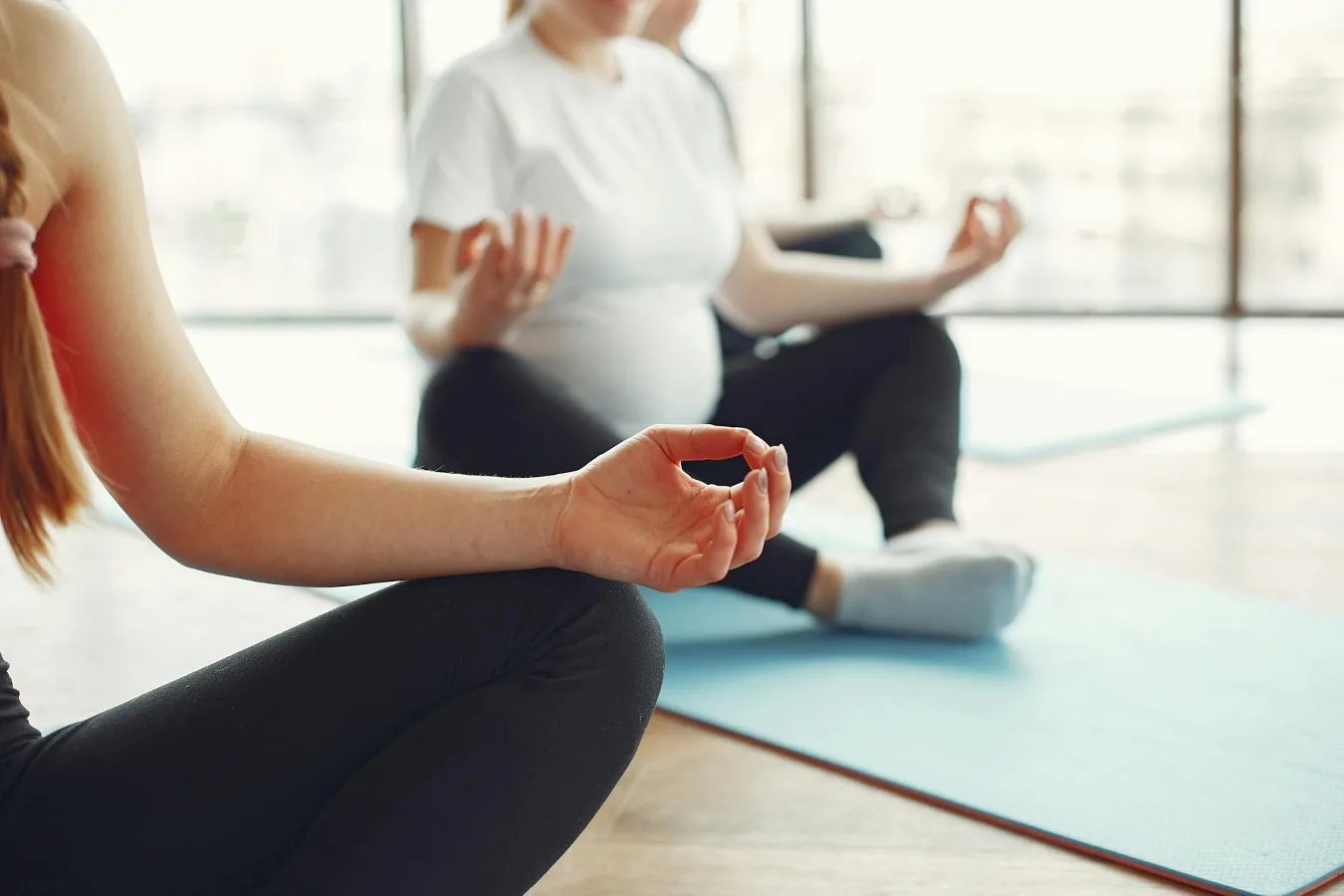
The best maternity leggings are the pair that fits your bump comfortably, stays in place without digging in, and works for the way you actually dress. For most shoppers, that means paying close attention to waistband style, fabric recovery, opacity, and how the leggings feel during sitting, walking, and everyday movement.
Because pregnancy changes body shape quickly, the right choice is rarely just about size. A good pair should adapt with you, offer gentle support where you want it, and avoid the common problems that make leggings annoying: rolling waistbands, see-through fabric, or seams that rub in the wrong places.
What makes maternity leggings worth buying
Maternity leggings are designed to solve a very specific fit problem: standard leggings often compress the waist too much or sit awkwardly as the belly grows. The best pairs use more forgiving construction, usually with extra stretch and a waistband made to sit over or under the bump more comfortably.
That sounds simple, but the difference between a pair you reach for constantly and a pair that sits in a drawer usually comes down to a few practical details.
- Waistband design: full panel, fold-over, or under-belly styles each feel different.
- Fabric stretch and recovery: a fabric should move with you and return to shape instead of bagging out.
- Opacity: maternity leggings should remain opaque when stretched, especially around the hips and thighs.
- Seam placement: seams can affect comfort if they sit where the body is most sensitive.
- Seasonal comfort: lighter knits suit warmer weather, while thicker fabrics can feel more supportive in cooler months.
A common misconception is that all maternity leggings are basically the same. In reality, they vary a lot in support level, thickness, and how they fit different stages of pregnancy. how to choose pregnancy clothes that fit well offers more detail on this point.
Start with the waistband style that matches your comfort preference
The waistband is usually the first thing to decide, because it changes the feel of the entire legging. There is no single best option for everyone.
Over-the-belly full panel
This is a popular style because the panel can offer a smoother feel across the midsection and helps keep the leggings in place. It often works well for people who want more coverage as the bump grows.
Best for: everyday wear, cooler weather, and people who like a secure, covered fit.
Possible downside: some wearers find the panel too warm or too high, especially early in pregnancy.
Under-belly
Under-belly styles sit below the bump and may feel less restrictive for some people. They can be a good choice if you dislike fabric over the stomach or want a lighter feel.
Best for: early pregnancy, warmer climates, or anyone who wants less coverage at the waist.
Possible downside: they may need more adjusting during the day and can feel less secure as the belly grows.
Fold-over waistbands
Fold-over waistbands give you some flexibility because you can adjust how they sit. That can be useful across different stages of pregnancy and even after delivery.
Best for: shoppers who want a more adaptable fit.
Possible downside: the waistband may not feel as structured as a full panel.
Fabric matters more than most shoppers expect
Fabric is one of the biggest factors in whether maternity leggings feel supportive or disappointing. The best material is the one that matches your routine and climate, not just the one that sounds premium.
Look for stretch with recovery. A legging should flex comfortably when you sit, bend, or walk, then return to shape afterward. If it stretches out quickly, it may start sliding or looking loose at the knees and seat.
Pay attention to thickness. Thin leggings can feel light and breathable, but they may be less forgiving with opacity. Thicker fabrics often feel more substantial, though they can run warmer.
Breathability helps with all-day wear. Pregnancy can make temperature regulation less predictable, so fabrics that feel soft without trapping too much heat are often easier to live in.
Softness is not the same as durability. Very soft leggings may feel great at first but can pill faster or lose structure. If you want a pair for frequent wear, balance comfort with build quality.
A practical nuance many shoppers overlook is how the fabric behaves after repeated washing. A legging that feels ideal on day one may become less supportive if the material loses elasticity too quickly.
Fit is about more than your regular size
Pregnancy sizing can be frustrating because your pre-pregnancy size may still be a starting point, but not always the full answer. The best maternity leggings should accommodate both current shape and expected change.
To judge fit more effectively, consider the following:
- Current stage of pregnancy: a style that feels perfect in the first trimester may feel tight later on.
- Hip and thigh fit: these areas often need more room than the waist during pregnancy.
- Belly growth room: full-panel styles should stretch without feeling restrictive.
- Rise length: a rise that is too short may slide or bunch, while one that is too long may feel bulky.
- Leg length: ankle length, cropped, and full length each work differently depending on height and styling needs.
If you are between sizes, sizing up can seem like the obvious solution, but it is not always best. Too much extra room can reduce support and cause the leggings to slip. In many cases, checking the brand’s pregnancy-specific size guidance is more useful than defaulting to a larger regular size.
Support should feel gentle, not restrictive
Some maternity leggings are designed to feel smoothing or lightly supportive, while others are more lounge-focused. Neither is automatically better; the right choice depends on how you plan to wear them.
Gentle support can help leggings stay in place and feel more polished under tunics, sweaters, or longer tops. This is useful if you want a put-together look for errands, travel, or work-from-home days.
Relaxed comfort may be better if you mainly want something soft for resting, lounging, or low-key days at home.
The mistake to avoid is choosing extra compression simply because it sounds supportive. During pregnancy, “supportive” should still feel comfortable during sitting, breathing, and movement. If the waistband feels tight when you are seated, it may become a daily annoyance.
Think about where and how you will wear them
The best maternity leggings for one shopper may be the wrong choice for another because use case matters. Before buying, think through the situations where you will wear them most often. Aurola Leggings: A Practical Buying Guide offers more detail on this point.
For everyday errands and casual outfits
A smooth, opaque legging in a neutral color is often the easiest option. Black maternity leggings are especially versatile because they pair well with oversized tops, cardigans, sneakers, and boots.
For lounging and work-from-home wear
Prioritize softness, a waistband that does not dig, and a fabric that feels easy to live in for long stretches. A lighter support level is often enough here.
For light exercise or active days
Look for better recovery, secure fit, and enough coverage to handle walking or prenatal movement classes. Seam placement and sweat comfort become more important in this use case.
For cooler weather
A slightly thicker knit can feel more comfortable and may layer better under long sweaters, coats, or boots.
One overlooked consideration is that maternity leggings often need to do more than one job. If you want only one pair, versatility matters more than special features you may use rarely.
Common problems to watch for before you buy
Some of the most disappointing maternity leggings share the same problems. Spotting them early helps you avoid returns and frustration.
- Rolling waistbands: often a sign that the rise or panel shape does not match your body.
- Sheerness under stretch: especially noticeable at the hips, seat, and thighs.
- Fabric that bags out: can happen when the material lacks recovery.
- Seams that rub: can become uncomfortable during long wear.
- Too much compression: may feel fine standing up but uncomfortable while seated.
- Poor temperature control: can make leggings less wearable in real life, even if the fit is good.
These issues do not always show up in product photos. Reading the construction details matters more than relying on the word “stretchy” alone.
How to choose between maternity leggings and other alternatives
Maternity leggings are a strong choice, but they are not the only option. Depending on your routine, one of these alternatives may work better.
- Maternity joggers: better if you want a looser leg and a more relaxed look.
- Maternity bike shorts: useful in warm weather or for layering under dresses.
- Over-the-belly maternity jeans: a better fit for a more structured outfit.
- Non-maternity high-rise leggings: sometimes work early in pregnancy, but they can become uncomfortable as the belly grows.
If you are early in pregnancy and still comfortable in your usual leggings, you may not need to switch immediately. But once the waistband starts rolling, pinching, or creating pressure, maternity-specific construction usually becomes worth it.
Practical buying checklist
Use this checklist to narrow down the best maternity leggings for your needs:
- Choose a waistband style that matches your comfort preference.
- Check whether the fabric is opaque enough for your intended use.
- Look for stretch that rebounds after wear.
- Consider whether you want light support or lounge-level softness.
- Think about the climate and season you will wear them in.
- Decide if you need everyday versatility, activewear performance, or home comfort.
- Review the sizing guidance with your current stage of pregnancy in mind.
This approach helps you shop by function instead of being swayed by a style that looks good but does not fit your routine.
The most useful decision rule
If you want a simple way to narrow the field, start with this: choose the pair that feels secure without pressure, stays opaque when stretched, and matches the majority of your week. That combination usually matters more than trend-driven details.
For many shoppers, the ideal pair is not the thickest, firmest, or most structured option. It is the one that quietly solves daily dressing problems and still feels good after hours of wear. That is what makes maternity leggings genuinely worth buying.
If you are building a larger pregnancy wardrobe, maternity leggings can serve as a foundation piece alongside dresses, tanks, cardigans, and other comfortable essentials. A well-chosen pair should make getting dressed simpler, not more complicated. shift dresses for women offers more detail on this point.