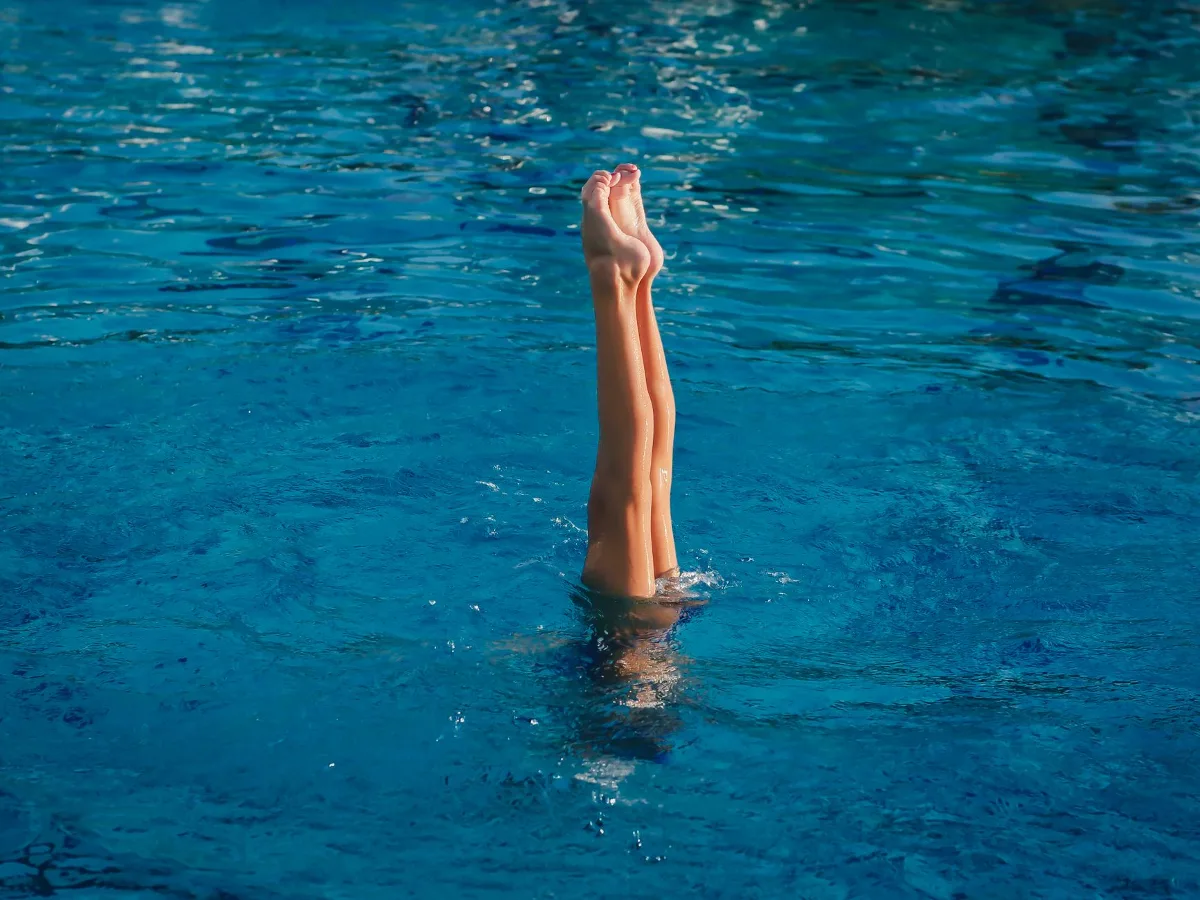
Swim leggings are swimwear bottoms designed to give more coverage than standard bikini briefs or swim shorts, while still being suitable for water use. They make the most sense if you want extra sun protection, a more secure feel, modest coverage, or a layering piece that works for pools, beaches, and water activities. skirted leggings offers more detail on this point.
They are not the right choice for every swimmer. The best pair depends on how much time you spend in the water, whether you care most about coverage or mobility, and whether you need a style that dries quickly and stays comfortable when wet.
When swim leggings are worth considering
Swim leggings are especially useful for people who want more leg coverage without switching to full-length swimwear. They can be a good fit for outdoor swimming, paddle sports, beach days, water parks, and vacations where sun exposure is a concern.
They also appeal to shoppers looking for modest swimwear, people with sensitive skin, and anyone who prefers a more streamlined look than board shorts or loose cover-ups. In the right setting, they can be more practical than regular leggings because they are made for contact with water, chlorine, salt, and sun.
That said, swim leggings are not always the most efficient option for lap swimming or high-performance training. More coverage can mean a different feel in the water, and some styles may trap more drag than shorter swim bottoms.
Step-by-step criteria for choosing swim leggings
1. Start with the main use case
The first decision is how you plan to wear them. If you want something for pool lounging and casual swimming, comfort and coverage may matter more than speed. If you need them for active water sports, a secure waistband, stretch recovery, and reduced drag become more important.
For beach use, look for options that can handle sand, saltwater, and changing conditions. For pool use, chlorine resistance and fabric durability matter more. If you plan to move from water to land often, a design that looks polished enough to pair with a rash guard or swim top can be helpful.
2. Check the fabric and its water behavior
Fabric is one of the most important differences between swim leggings and regular leggings. Swim-specific fabrics are generally chosen for water compatibility, stretch, and faster drying. Commonly used materials in swimwear often include nylon, polyester, and elastane blends, though the exact blend varies by brand.
What matters most is how the fabric behaves when wet. A good swim legging should still feel supportive, not become overly heavy, and recover shape after swimming. If the material is very thin, it may become less opaque once submerged. If it is very thick, it may feel less comfortable in the water or take longer to dry.
An overlooked consideration is how the fabric feels after repeated exposure. Some materials may look fine at first but lose stretch or softness sooner if they are regularly exposed to chlorine, sunscreen, or saltwater. For that reason, durability and care requirements matter as much as initial appearance.
3. Pay attention to coverage and opacity
Coverage is usually the main reason people shop for swim leggings, so the cut should support that goal without creating new frustrations. A pair that looks opaque when dry may become more revealing when wet or stretched. That is one reason to check how the fabric and lining are described, especially if modest coverage is a priority.
The rise also matters. Higher-rise swim leggings can feel more secure and may pair better with longer rash guards or swim tops. Mid-rise styles can be easier to move in for some body shapes, but they may feel less stable during diving, wading, or active play.
If you want coverage for the upper leg and calf, full-length options make sense. If you mainly want thigh coverage with more freedom at the ankle, cropped or capri-style swim leggings may be a better compromise.
4. Look at waistband construction
The waistband can make or break the experience. A flat, secure waistband may stay in place better during swimming and walking, while a bulky or poorly finished waistband can feel distracting when wet. If you often bend, kneel, or sit on the sand, a waistband that stays smooth and comfortable is worth prioritizing.
Some swim leggings are designed with a wide waistband for added stability. Others use a simpler elastic finish that can feel lighter but may offer less support. The best option depends on whether you want more hold or more flexibility.
A common mistake is choosing leggings based only on style and ignoring waistband behavior. In swimwear, a flattering silhouette is useful, but fit stability matters more once the garment is wet and moving with your body.
5. Decide how much mobility you need
Swim leggings can vary a lot in stretch and movement. If you plan to swim laps, snorkel, paddleboard, or chase kids around the beach, you may want a pair with enough stretch to move with you without pulling at the knees or hips.
For some wearers, a slightly compressive feel is reassuring. For others, too much compression feels restrictive once the fabric is wet. The right balance is personal, but the key is to think about your actual activity level rather than choosing the tightest possible fit.
Mobility also connects to seam placement. Flat seams or smooth construction can reduce chafing, especially when swim leggings are worn for long periods in warm, humid conditions.
6. Consider sun protection, but read the details carefully
Many shoppers look at swim leggings for sun protection, and that can be a smart reason to buy them. More leg coverage can reduce how much skin is exposed, which is especially helpful on long beach days or around reflective surfaces like water and sand.
Still, sun protection depends on the specific garment, not just the silhouette. Some swim leggings may offer better coverage because of their shape and fabric density, while others are mainly about style. If UV protection is a priority, look for clear product language about sun-protective performance rather than assuming all swim leggings provide the same level of protection. sun-protective clothing guide offers more detail on this point. guide to aurola leggings offers more detail on this point.
Also remember that coverage is only one part of a broader sun strategy. A legging cut can help, but it does not replace shade, sunscreen, hats, or timing your outdoor exposure more carefully.
How swim leggings compare with similar options
Swim leggings sit between regular swim bottoms and full swim pants. They typically provide more coverage than bikini bottoms, more shaping than loose swim shorts, and a closer fit than many board shorts. That makes them appealing for people who want a streamlined profile without exposing as much skin.
Compared with regular leggings, swim leggings are better suited to water, drying, and exposure to chlorine or salt. Regular leggings may feel comfortable at first but are not designed for repeated immersion. They can become heavy, slow to dry, and less suitable for active use.
Compared with rash guards or swim shirts, swim leggings solve a different part of the outfit. They are useful when the bottom half is where you want coverage, while the top can be handled separately. Many people build a practical swim set by pairing leggings with a rash guard or fitted swim top.
Examples of who tends to benefit most
- People who want more leg coverage for modest swimwear
- Shoppers looking for a water-friendly alternative to shorts
- Outdoor swimmers who want a more covered option for sun-conscious dressing
- Families who spend long hours at beaches, lakes, or pools
- Travelers who want a flexible swim outfit that can mix with different tops
- Anyone who dislikes the feel of traditional bikini bottoms but still wants a fitted silhouette
Common limitations to keep in mind
Swim leggings are useful, but they come with trade-offs. More fabric can mean more warmth, which may not be ideal in hot weather. A closer fit can also make size selection more sensitive, especially if you are between sizes.
Another limitation is drying time. Depending on the material, cut, and conditions, swim leggings may take longer to dry than shorter bottoms. That matters if you plan to go from water to walking, dining, or sightseeing without changing.
They can also feel less versatile than standard activewear leggings. Even if they look similar at a glance, swim leggings are usually built for a different job. Wearing them as everyday leggings is often uncomfortable or impractical once you factor in moisture, salt, and fabric behavior.
Simple checklist before you buy
- Choose the intended use: beach, pool, lap swimming, or water sports
- Check whether you want full-length or cropped coverage
- Review the fabric blend and how it is meant to perform in water
- Look for waistband stability and a comfortable rise
- Think about opacity when wet, not just when dry
- Consider how quickly the piece is likely to dry after use
- Match the fit to your activity level, not just your usual streetwear size
- Decide whether you need sun-conscious coverage or a more modest silhouette
- Plan what top you will wear with it, such as a rash guard or swim tank
- Check care instructions so you know how much maintenance it will require
Styling and pairing ideas that make sense
Swim leggings usually work best as part of a full swim outfit rather than as a standalone piece. A fitted rash guard creates a cohesive look and helps with coverage. A long-line swim top or swim tunic can also balance the silhouette if you want a more modest or relaxed outfit.
For a cleaner look, choose colors that coordinate with your swim top instead of treating the leggings as a separate athletic layer. Neutral shades are often easier to mix, while prints can help disguise wet fabric or sand, depending on the finish.
If you plan to move between the water and the boardwalk, think about footwear and outer layers too. Swim leggings can read as more intentional when paired with simple slides, a lightweight cover-up, or a tote that fits the rest of the outfit.
Care and maintenance considerations
Good care matters more than many shoppers expect. Chlorine, salt, sunscreen, and heat can all affect fabric over time. Rinsing swim leggings after use is usually a sensible habit, especially after pool or ocean wear. Gentle washing and air drying are typically safer than aggressive laundering or high heat, which can shorten the life of stretchy swim fabrics.
Storage matters as well. Leaving damp swim leggings crumpled in a bag can create odor and reduce fabric freshness. If you travel often, packing them with a separate wet-dry pouch can make them easier to manage.
One practical nuance: the better a pair fits and dries, the more likely it is to stay in your regular rotation. That is why comfort, maintenance, and fabric behavior should be considered together rather than as separate checkboxes.
Who should skip them
Swim leggings may not be the best buy if you prefer minimal coverage, want the least drag possible, or need something that dries extremely fast for constant in-and-out use. If you mostly swim for performance, shorter swim bottoms or a suit built for training may make more sense.
They also may not be ideal if you know you dislike fitted garments when wet. In that case, a looser swim short or a different coverage style may feel more comfortable and easier to wear.
The best purchase is the one that matches your routine. Swim leggings are a strong solution for specific needs, but they are not automatically the most versatile choice for everyone.
Short answer for shoppers
If you want more coverage, a more secure feel, and a swim-friendly alternative to regular leggings, swim leggings are worth considering. Focus on fabric behavior, waistband stability, opacity, and the type of water activity you actually do. That is what separates a pair you wear once from a pair that becomes part of your regular swim wardrobe.