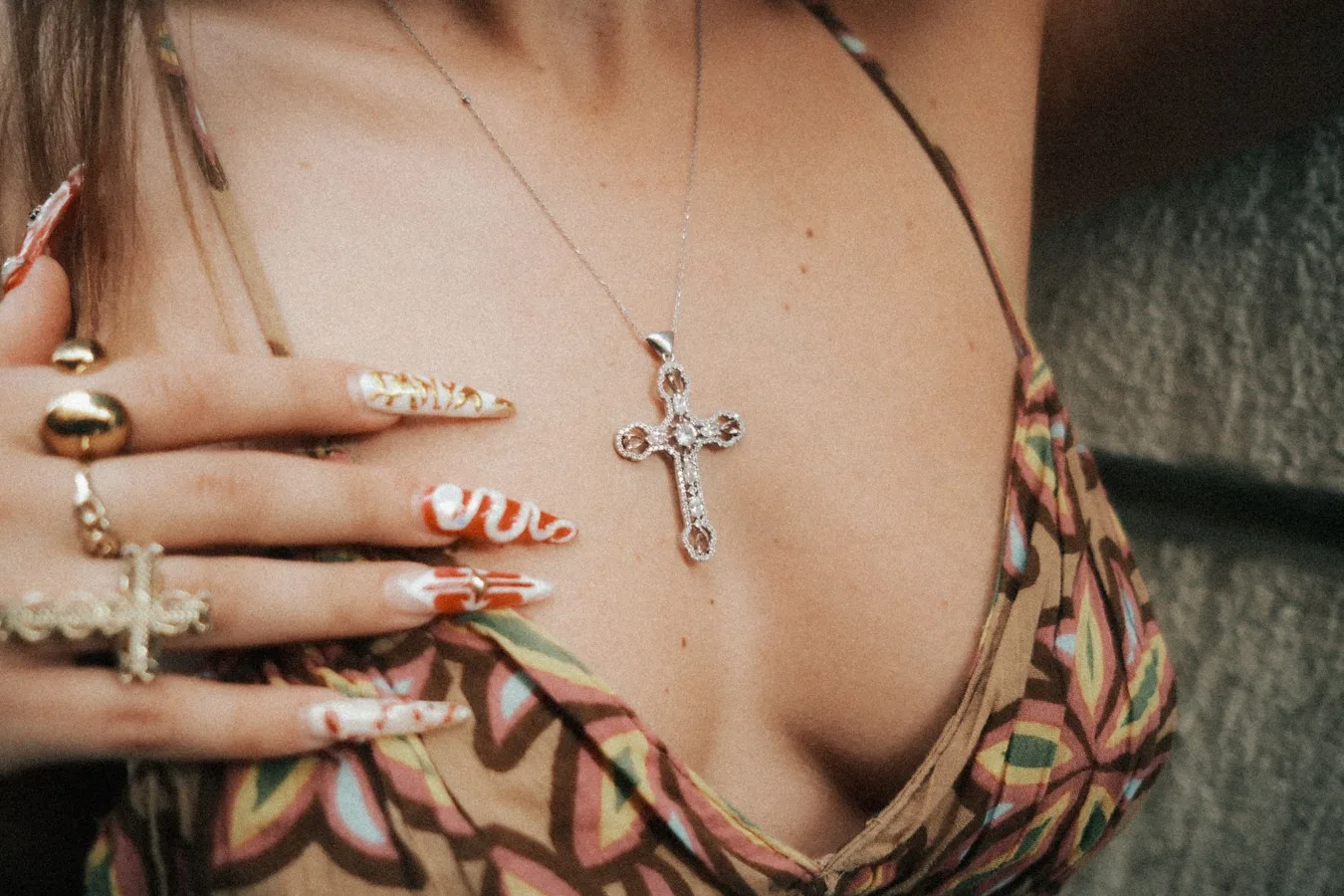
A gold diamond cross necklace is usually chosen for three reasons: symbolism, style, and versatility. It can read as a faith piece, a personal keepsake, or a polished everyday necklace, depending on the size of the cross, the color of gold, and how much diamond detail it has. gold necklace basics offers more detail on this point. gold crucifix necklace offers more detail on this point.
If you are comparing options, the best place to start is not with sparkle alone. Start with how you want to wear it. A delicate diamond cross in 14K gold behaves very differently from a larger, more ornate pendant in 18K gold. One is easier to layer and wear daily; the other may feel more like a statement piece or special-occasion necklace.
When a gold diamond cross necklace makes sense
This style works best when you want one necklace that can do more than one job. A cross pendant with diamonds can feel meaningful without looking overly formal, and the gold setting gives it warmth and durability. For many shoppers, that balance is the appeal.
It is a particularly practical choice if you want a necklace that can move between everyday outfits and dressier looks. The diamonds add enough visual interest to stand on their own, while the cross shape keeps the design recognizable and timeless.
It may be less suitable if you want a very understated pendant, a purely minimalist piece, or a necklace that is easy to pair with unusually textured or busy clothing. In those cases, a plain gold cross, a small solitaire pendant, or a simpler chain may work better.
Step 1: Start with the gold color and karat
The gold itself shapes both the look and the wearability of the necklace. This is one of the most overlooked decisions, because shoppers often focus on the diamonds first.
Yellow gold
Yellow gold gives the necklace a classic, traditional feel. It tends to suit warm skin tones naturally, but it can work across many wardrobes because it is easy to style with neutral clothing, black, denim, and other jewelry in mixed metals if the design is intentional.
White gold
White gold creates a cooler, more modern look and can make diamonds appear more prominent by reducing visual contrast between the metal and the stones. It is a common choice if you want the diamonds to feel central rather than the gold color itself.
Rose gold
Rose gold offers a softer, more romantic tone. It can be especially appealing if you want the necklace to feel distinct from more traditional cross designs. The pinkish hue also pairs well with delicate, fashion-forward styling.
The karat matters too. Higher-karat gold contains more pure gold, which changes both color and softness. Lower-karat gold is typically more durable for everyday wear. For a necklace that will be worn often, many buyers pay close attention to durability and long-term maintenance rather than choosing purely by color.
Step 2: Look closely at the diamond details
Not all diamond cross necklaces read the same. Some use a few small accent stones for sparkle, while others use a more continuous pavé look. The setting style and overall stone layout determine how refined, bright, or dramatic the pendant appears.
Common diamond setting styles
- Prong settings can maximize light exposure and make stones look more noticeable.
- Bezel settings wrap more metal around each stone and can offer a cleaner, more protected look.
- Pavé settings create a closely set, glittering surface but may require more care over time.
- Channel settings can feel structured and secure, especially for more geometric designs.
A common misconception is that more diamonds always mean a better necklace. In practice, stone layout should match the way you intend to wear the piece. If you want daily comfort, a design with lower-profile stones may be easier to live with than a highly raised setting that catches on clothing.
Also pay attention to how the diamonds are used. Some pieces feature accent stones that frame the cross, while others cover the full shape. Both can be attractive, but they create different trade-offs in terms of visual presence, cleaning, and everyday practicality.
Step 3: Match pendant size to your use case
Pendant size changes the entire personality of the necklace. A petite cross often works well as a subtle personal piece or layering necklace, while a larger pendant can serve as the focal point of an outfit.
If you plan to wear it often, think about proportion rather than chasing the biggest look. A pendant that feels balanced on your frame and sits well with your neckline will usually look better than one that dominates your outfit. This is especially important for cross necklaces because the shape is instantly recognizable; even a modest size can still feel intentional.
Smaller designs are often easier to layer with other chains. Larger designs may be better if you want the cross to stand alone. For shoppers choosing a gift, size can be tricky because personal taste varies. A safer choice is often a medium-sized pendant with clean lines rather than an oversized, highly decorative piece.
Step 4: Choose the right chain length and style
The pendant gets the attention, but the chain affects comfort, security, and styling just as much. A beautiful cross on the wrong chain can feel awkward to wear.
Common chain lengths for pendants include shorter lengths that sit high on the chest and longer lengths that fall lower. The best length depends on neckline, layering plans, and whether you want the necklace to stay visible beneath clothing. A shorter chain often feels more polished, while a longer chain can feel relaxed and easier to layer.
Chain style matters too. A delicate cable chain is versatile and lightweight. A box chain can feel more structured. A curb chain may look stronger and more substantial. If the pendant has meaningful weight or noticeable diamond detail, the chain should feel proportionate rather than fragile.
One practical nuance many buyers miss: the pendant bail should move smoothly on the chain. If the opening is too tight, the necklace may twist awkwardly or be harder to put on. If the chain is too thin for the pendant, it can look unbalanced and may wear less comfortably over time.
Step 5: Decide how much maintenance you are comfortable with
Diamond jewelry tends to need periodic cleaning to keep its sparkle, and cross pendants are no exception. Oils from skin, lotions, and dust can dull the appearance of both the gold and the diamonds.
If you want a low-maintenance piece, look for a simpler design with fewer tight crevices. More intricate pavé patterns can be beautiful, but they are typically harder to clean thoroughly at home. A bezel-set design may also be easier to maintain than an open, highly detailed setting.
Routine care is straightforward for most buyers: store the necklace separately so it does not tangle or scratch, wipe it gently after wear, and avoid exposing it unnecessarily to harsh chemicals. For a piece intended to be worn daily, this upkeep becomes part of the buying decision, not an afterthought.
Practical examples of different shopper priorities
Here is how the same keyword can point to very different purchases depending on the buyer.
- For daily wear: a smaller gold diamond cross necklace with a secure setting, a moderate chain length, and a durable chain style is usually the most practical option.
- For layering: a slim pendant with cleaner lines and a chain that sits at a different height from your other necklaces works best.
- For gifting: a classic gold tone and medium pendant size can be safer than a trend-driven design that may not suit the recipient’s style.
- For a dressier look: a larger diamond presence or a more polished pavé finish can create a stronger statement.
- For subtle symbolism: a small cross with light diamond accents keeps the meaning without becoming overly ornate.
Checklist before you buy
Use this as a quick decision filter before choosing a necklace:
- Gold color: yellow, white, or rose based on your wardrobe and preferred look.
- Karat: balance color richness with durability for your wear frequency.
- Diamond layout: accent stones, pavé, bezel, or prong details.
- Pendant size: subtle, medium, or statement.
- Chain length: suited to neckline, layering, and visibility.
- Chain style: lightweight, structured, or more substantial.
- Maintenance level: simple cleaning or more careful upkeep.
- Wear scenario: everyday, gift, special occasion, or layered styling.
Common mistakes to avoid
Many buyers focus only on the front-facing look and overlook the practical details that determine long-term satisfaction.
Choosing a chain that feels too delicate is a frequent issue. If the pendant is weighty or the design is visually substantial, the chain should support it without looking fragile.
Ignoring pendant size in relation to clothing can also lead to disappointment. A cross that looks balanced on a plain top may feel crowded against patterned fabrics or high-neck outfits.
Overlooking setting security is another mistake. More exposed diamond settings may create a brighter look, but they can also be less protected in daily wear.
Buying for sparkle alone can backfire if the necklace does not suit the wearer’s style. A gold diamond cross necklace is meaningful and visible, so fit and taste matter as much as shine.
What to compare if you are browsing multiple options
If you are comparing several cross necklaces side by side, focus on the details that change how the piece will actually wear.
- How much of the cross is covered in diamonds
- Whether the metal tone blends with your other jewelry
- Whether the pendant sits flat on the chest
- Whether the chain seems proportionate to the pendant
- Whether the design feels classic or fashion-forward
- How easy the piece may be to clean and store
These factors usually matter more than a quick first impression. A pendant that looks striking in a product photo may be less practical if it has an oversized bail, a very short chain, or a heavily detailed surface that does not fit your routine.
Alternatives worth considering
If a gold diamond cross necklace is not quite the right fit, there are close alternatives that solve similar style goals.
- Plain gold cross necklace: a simpler choice if you want symbolism without gemstone detail.
- Diamond pendant necklace: better if you want sparkle but not a religious motif.
- Initial pendant in gold: a more personal, less traditional alternative for gifting.
- Gemstone cross pendant: a colorful option if you want a more distinctive look.
These alternatives are useful if you like the overall idea of a meaningful pendant but want different levels of formality, maintenance, or visual emphasis.
Final buying perspective
The best gold diamond cross necklace is the one that matches how you actually plan to wear it. If you want daily versatility, lean toward a balanced size, a durable chain, and a setting that is comfortable to maintain. If you want a more expressive piece, consider a stronger diamond presence or a more noticeable pendant profile. Gold Chain Necklace for Men: How to Choose offers more detail on this point.
That balance of meaning, style, and practicality is what makes this category so enduring. The right choice should feel easy to wear, visually cohesive, and appropriate for the occasions that matter most to you.